Vera Intan Clara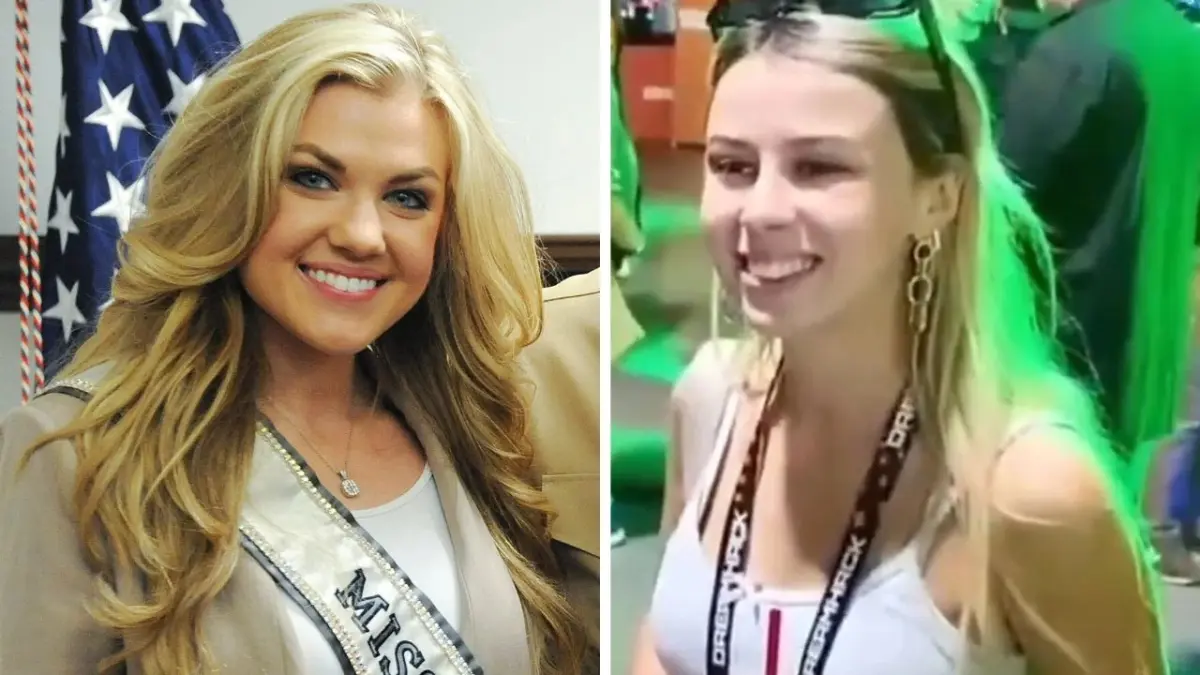
A recent Reddit discussion on the popular r/AskReddit forum ignited a widespread conversation about public figures perceived to be clinging to a bygone era of celebrity, prompting over 1,600 comments since its posting on October 14. The thread, titled "What celebrity doesn’t want to realize their 15 minutes are over?", tapped into a pervasive cultural observation about the ephemeral nature of fame, particularly in the digital age. This phenomenon, famously articulated by Andy Warhol in his 1968 prediction that "in the future, everyone will be world-famous for 15 minutes," has only accelerated with the advent of social media, creating a rapid cycle of ascendancy and decline for public personalities.
The Ephemeral Nature of Modern Celebrity
The concept of "15 minutes of fame" predates the internet, but its resonance has intensified in an era where virality can be achieved overnight through a single post, meme, or video. This rapid ascent often comes without the traditional career infrastructure of agents, publicists, and media training, leaving many unprepared for both the intense scrutiny and the inevitable waning of public interest. The Reddit thread serves as a collective barometer of public sentiment, highlighting individuals who, in the eyes of the internet, have overstayed their welcome in the public consciousness or failed to adapt to their evolving relevance.
The r/AskReddit subreddit, known for its open-ended questions that solicit personal anecdotes and opinions from its millions of subscribers, proved fertile ground for this particular query. The sheer volume of responses underscores a collective fascination with the life cycle of celebrity, from meteoric rise to gradual — or sometimes precipitous — fade. Users offered a diverse array of names, ranging from internet personalities and reality TV stars to more established figures whose careers have taken unexpected turns.
Erika Kirk: Navigating a Political Legacy
Among the first names to surface in the comments section was Erika Kirk, wife of conservative activist Charlie Kirk and a prominent figure within Turning Point USA (TPUSA). Her inclusion sparked considerable debate regarding her public trajectory post-Charlie Kirk’s initial rise to prominence. One commenter articulated a common sentiment, stating, "Agreed. She doesn’t realize that her late husband was something of a load-bearing personality. She’s either overwhelmed with the grief of her slain husband, or she’s trying desperately to keep TPUSA from going fiscally bankrupt. Either way it’s going to all come crashing down." This perspective suggests that Erika Kirk’s public identity is perceived as heavily intertwined with, and perhaps dependent upon, her husband’s established platform and persona within conservative media circles.
Charlie Kirk founded Turning Point USA in 2012, an organization aimed at engaging young conservatives. Over the years, he cultivated a significant media presence, becoming a recognizable voice in conservative political discourse through podcasts, television appearances, and rallies. Erika Kirk gained increased public visibility alongside him, often appearing at events and on their joint media ventures. Following the initial surge of attention around Charlie Kirk, commenters in the Reddit thread debated Erika’s continued attempts to maintain relevance. One user remarked, "The first 14 minutes were Charlie’s," implying her fame was merely an extension of his.
However, not all commenters agreed that her time in the spotlight was definitively over. A counter-argument posited, "Hers might not be over. I can see them having her on the ticket as VP in 2028. They wanted Charlie to be their Christ figure, then that fizzled out and was replaced by his wife trying to continue the grift. They decided to hitch their wagon to her instead of continuing to capitalize on their martyr directly, so I imagine they’re not done with her." This viewpoint highlights a strategic dimension to maintaining public visibility, suggesting that political movements might actively seek to leverage familiar figures, even if their initial wave of organic fame has subsided. The term "grift," used by the commenter, reflects a cynical public perception that some public figures exploit their platform for personal or organizational gain, a common accusation leveled against various personalities in the current media landscape.
Hawk Tuah: From Viral Sensation to Contentious Monetization
Another name prominently featured in the Reddit discussion was Hawk Tuah, an internet personality who achieved viral fame through a distinctive catchphrase. Her sudden rise to widespread recognition exemplifies the instantaneous nature of internet celebrity. Her initial appeal lay in a memorable, often humorous, short video clip that resonated across social media platforms, quickly becoming a meme. This rapid virality led to significant media attention, interviews, and public appearances, as brands and content creators sought to capitalize on her momentary popularity.
The trajectory of Hawk Tuah, as described by Reddit users, encapsulates the double-edged sword of internet fame. One commenter observed, "Hawk Tuah is the only real answer," indicating a strong consensus regarding her perceived overextension of her viral moment. Another commenter elaborated on this sentiment, stating, "Honestly, at first I respected the hustle. It seemed she knew she was a 15-minute farmer and tried to strike while the iron was hot… Then she decided to scam people." This comment highlights a critical juncture for many internet celebrities: the transition from accidental virality to intentional monetization. While many attempt to leverage their brief moment in the spotlight through merchandise, sponsored content, or other ventures, public perception can quickly turn negative if these efforts are viewed as exploitative or inauthentic. The accusation of "scamming" suggests a perceived betrayal of the initial, organic appeal that garnered her fame, leading to audience fatigue and resentment. The challenge for viral sensations often lies in converting fleeting attention into sustainable careers without alienating the very audience that propelled them to fame.
Salt Bae: The Culinary Meme’s Diminishing Sizzle
Nusret Gökçe, widely known as "Salt Bae," was another name frequently cited in the Reddit thread. The Turkish chef and restaurateur rose to international fame in 2017 due to his flamboyant and theatrical method of preparing and seasoning meat, particularly his signature move of sprinkling salt down his forearm onto a cut of steak. His distinctive style and sunglasses became an instant internet meme, propelling his chain of steakhouses, Nusr-Et, to global recognition and attracting numerous celebrity patrons.
However, as several Reddit users pointed out, the initial charm of Salt Bae’s persona began to wane. A pivotal moment in his perceived decline came during the 2022 FIFA World Cup final in Qatar, where his actions on the field, including touching the World Cup trophy (which is typically reserved for winners and heads of state) and attempting to interact with victorious players, drew widespread criticism. One commenter referenced this incident directly, writing, "Same here. Once he did all that weird s*** at the World Cup, it should’ve just ended right away." This public relations misstep was widely seen as a transgression of sporting etiquette and a stark example of a public figure overstepping boundaries, further contributing to public fatigue with his persona.
Another user reflected on the initial appeal and eventual decline, stating, "I always thought making a meme over something so trivial as a dude with sunglasses sprinkling salt on food was about as dumb as memes get. Keep in mind this was before AI slop and brainrot were yet to make an appearance on social media." This comment underscores the inherent fragility of meme-based fame. While a unique action can capture global attention, the underlying substance might not be sufficient to sustain long-term interest, especially as the internet’s content landscape becomes increasingly saturated with ephemeral trends and AI-generated content. The public’s capacity for novelty quickly gives way to a desire for something new, leaving those whose fame is solely based on a single viral moment struggling to maintain relevance.
Other Notable Mentions: A Diverse Cast of Fading Stars
The Reddit thread cast a wide net, encompassing a diverse range of celebrities whose initial moments of fame were perceived to have passed. Among the many names mentioned were:
- Nikki Blonsky: An actress who achieved prominence with her lead role in the 2007 film "Hairspray." While she garnered critical acclaim for her performance, her subsequent acting career did not reach the same heights, leading some to view her initial success as a singular peak.
- Soulja Boy: A rapper who pioneered internet-driven music success with his 2007 hit "Crank That (Soulja Boy)." He became one of the first artists to effectively leverage platforms like YouTube and MySpace to build a massive following. While he has maintained a presence in the music industry and diversified his ventures, his initial explosive, mainstream cultural impact is largely a thing of the past.
- Chanel West Coast: Known for her appearances on MTV reality shows like "Rob Dyrdek’s Fantasy Factory" and "Ridiculousness." Her bubbly personality and attempts at a music career provided a consistent public presence, but many commenters felt her relevance had diminished outside of these specific contexts.
- Lilly Singh: A YouTuber and comedian who built a massive online following as "Superwoman," eventually transitioning to mainstream television with a late-night talk show. While her online influence remains, her move to traditional media was met with mixed reactions, and some perceive her peak mainstream appeal as having passed.
- Spuds MacKenzie: A unique, non-human "celebrity" — a Bull Terrier dog who served as the highly successful advertising mascot for Bud Light beer in the late 1980s. Spuds became a cultural icon, symbolizing carefree partying. Her inclusion highlights that even commercial mascots can experience a rise and fall in public consciousness, becoming nostalgic figures rather than current cultural touchstones.
- The Paul Brothers (Jake and Logan Paul): These siblings initially gained fame on Vine, then transitioned to YouTube, building massive audiences through vlogs, stunts, and controversies. While they continue to command significant attention, particularly in the boxing and combat sports world, their earlier, more mainstream YouTube dominance has evolved into a more niche, often polarizing, form of celebrity. Commenters often point to their repeated controversies and perceived attempts to stay relevant through provocations.
- Farrah Abraham: A reality television personality, primarily known for her appearances on MTV’s "16 and Pregnant" and "Teen Mom." Her post-reality TV career has been marked by numerous controversies and ventures, leading many to feel she actively seeks attention long after her initial reality TV fame.
- Kelly Clarkson: A notable inclusion, as she is a hugely successful singer and television host, having won the inaugural season of "American Idol" in 2002. Her mention likely stems from the specific context of "American Idol" as a rapid fame-generating machine, and perhaps a perception that her initial "singing competition winner" identity has been transcended by a long, sustained career, making her an interesting counterpoint to those whose fame truly fizzled. However, her enduring success makes her a less typical fit for the thread’s premise, suggesting some nuance in how "15 minutes" is interpreted.
- Taylor Frankie Paul: A TikTok personality known for her "MomTok" content and subsequent public controversies, including a highly publicized "soft swinging" scandal and legal issues. Her rapid rise and fall on a platform known for its fleeting trends make her a prime example of modern internet celebrity.
The Mechanics of Fading Relevance and the Audience’s Power
The Reddit thread offers a microcosm of how public opinion shapes and reshapes celebrity. The reasons for a public figure’s perceived decline are multifaceted. They can include:
- Audience Fatigue: Overexposure or a lack of evolution in content can lead to viewers simply getting tired of a personality.
- Controversy and Backlash: Missteps, scandals, or perceived unethical behavior can severely damage a public figure’s reputation and lead to a swift withdrawal of public support.
- Lack of Adaptation: The inability to pivot, reinvent, or develop new skills beyond an initial viral moment can leave stars behind as trends change.
- Authenticity Concerns: When attempts to monetize fame are seen as disingenuous or exploitative, the audience’s emotional connection can erode.
- Emergence of New Talent: The relentless churn of new content creators and personalities on platforms like TikTok and YouTube means constant competition for attention, pushing older viral sensations out of the spotlight.
Ultimately, the power dynamic in modern celebrity has shifted significantly. While traditional media gatekeepers once held sway, social media platforms empower the audience to collectively anoint and dethrone public figures. A Reddit thread like this one, with its candid and unvarnished opinions, serves as a powerful, albeit informal, feedback mechanism, reflecting the collective judgment of a vast online community on who remains relevant and who is merely clinging to a fading spotlight.
Verification and Disclaimers
It is important to reiterate that the claims and opinions expressed in the r/AskReddit thread are those of individual Reddit users and reflect their personal perceptions. The Daily Dot, which initially reported on the thread, explicitly stated its inability to independently verify the claims made within the discussion. The identities of the commenters remain unconfirmed, and the details presented above are based on the original poster’s account and the subsequent user comments as shared on the platform. This distinction is crucial in understanding that these are public sentiments and observations, not verified factual assessments of any individual’s career or financial status.
The ongoing fascination with who has, and who hasn’t, navigated the treacherous waters of public recognition continues to be a compelling aspect of contemporary culture. As the digital landscape evolves, so too will the narratives of those who achieve fleeting fame and those who struggle to accept its inevitable conclusion.