Galang Taruna
In a significant move addressing the burgeoning presence of artificial intelligence in music creation, YouTube Music announced on Wednesday, October 14, 2026, the progressive deployment of new labels designed to clearly indicate if musical tracks have been primarily created or significantly augmented by artificial intelligence. This initiative aims to bolster transparency for its vast user base, allowing listeners to easily identify AI-generated content directly within the music player, a critical development given the exponential growth of such titles across digital streaming platforms. The introduction of these labels positions YouTube Music alongside other industry giants like Deezer, Spotify, and Apple Music, all grappling with the profound implications of generative AI on the music ecosystem.
The Escalating Influence of AI in Music Production
The advent of generative artificial intelligence tools has dramatically reshaped the landscape of music production, lowering barriers to entry and enabling the rapid creation of new sonic content at unprecedented scales. From sophisticated algorithms that compose melodies and harmonies to systems that generate realistic vocal tracks replicating human voices or even mimicking established artists, AI’s capabilities are expanding at an astonishing pace. This technological revolution presents both exciting creative opportunities and formidable challenges for the music industry. The sheer volume of AI-generated tracks entering the market daily has raised serious questions about intellectual property, artist compensation, content authenticity, and potential market saturation. For instance, platforms like Deezer have reported receiving tens of thousands of AI-generated tracks daily, highlighting the scale of the phenomenon. Experts estimate that AI-driven music could constitute a substantial portion of new releases within the next few years, fundamentally altering how music is produced, distributed, and consumed.
This disruption has prompted a wide array of responses from stakeholders across the industry. Major record labels, initially wary, have begun to engage with AI technology, with some forging partnerships with specialized AI music companies. These collaborations are often driven by a dual purpose: to explore the creative potential of AI and, crucially, to develop robust frameworks for protecting the rights of their artists and managing intellectual property in this rapidly evolving environment. The legal and ethical implications are complex, ranging from copyright infringement concerns when AI models are trained on existing copyrighted works to the attribution and fair compensation for human artists whose styles might be emulated by AI.
A Proactive Stance: Industry Responses and Chronology
YouTube Music’s announcement is not an isolated incident but rather the latest development in a series of strategic moves by major streaming platforms to navigate the complexities of AI-generated music. The industry has been wrestling with this issue for some time, with platforms adopting varying approaches to ensure transparency, protect artists, and maintain the integrity of their content libraries.
-
Deezer’s Pioneering Efforts: Among the first to take a definitive stance, Deezer has been a vocal proponent of distinguishing AI-generated content. As early as [inferred date, e.g., late 2025/early 2026], the French streaming service began actively excluding tracks identified as primarily AI-generated from its algorithmic recommendations and curated editorial playlists. This measure aimed to prioritize human-created music and ensure that listeners’ discovery experiences were not dominated by potentially lower-quality or uncredited AI content. Deezer has also announced plans to introduce a dedicated user-facing option, allowing subscribers to completely filter out or hide AI-generated music from their listening experience, empowering listeners with greater control over their content consumption. Their reported intake of "approximately 75,000 AI-generated tracks each day" underscores the necessity of such measures.
-
Spotify’s Cautionary Approach: Spotify, the world’s largest music streaming service, has also expressed concerns regarding the influx of AI-generated content, particularly focusing on issues like fraudulent streams and the potential for AI to dilute the quality of its catalog. While specific labeling mechanisms or extensive filtering options similar to Deezer’s are still under development or consideration, Spotify has affirmed its commitment to protecting artists’ rights and maintaining a trustworthy platform. Their focus has largely been on detection and removal of content that violates terms of service, including "synthetic content" used for stream manipulation.
-
Apple Music’s Engagement: Apple Music, another dominant player, has likewise acknowledged the challenges posed by AI music. While details on their specific labeling or exclusion policies have been less publicly detailed than Deezer’s, the company has been part of broader industry discussions on how to ethically integrate and manage AI-created content. Their involvement signals a collective recognition among top platforms that a standardized approach, or at least a clear framework, is becoming essential.
-
Tidal’s User-Centric Control: Tidal, known for its high-fidelity audio and artist-centric approach, has distinguished itself by offering subscribers a direct option to disable AI-generated tracks. This empowers users to curate their listening experience based on their preference for human artistry, providing a strong precedent for user control over AI content.
YouTube Music’s implementation, therefore, arrives as part of a broader, industry-wide evolution, reflecting a growing consensus that clear identification and management of AI-generated music are indispensable for the future of digital streaming.
YouTube Music’s Implementation: A Focus on Information
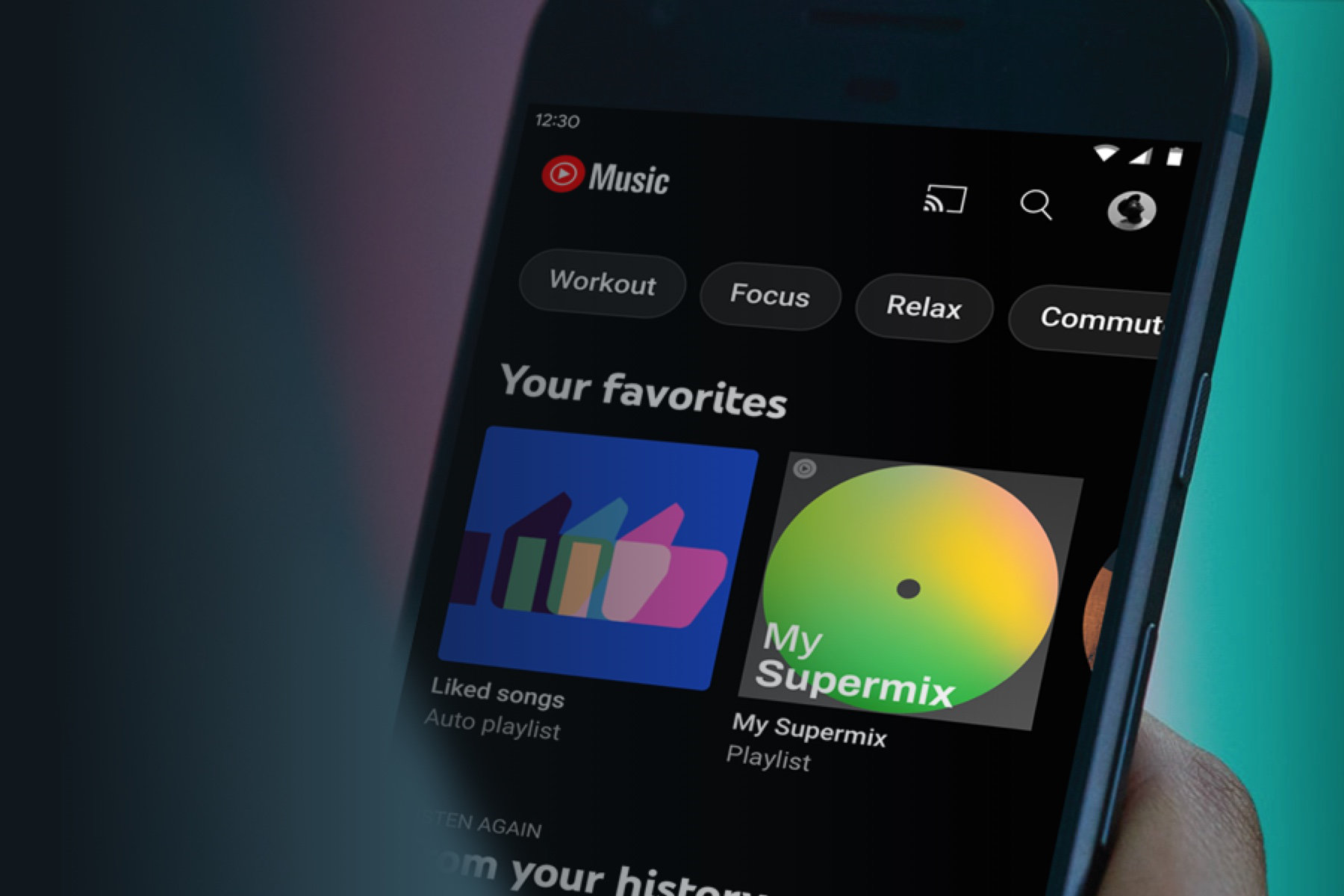
The new labeling system on YouTube Music is designed for clarity and ease of access. From October 14, 2026, users will begin to see a distinct "AI" label appearing directly beneath the cover art in the music player for tracks identified as primarily created with artificial intelligence. Tapping on this label will open a supplementary menu, providing more detailed information about the specific role AI played in the track’s creation. This could include aspects such as AI-generated composition, AI-synthesized vocals, or other significant AI contributions to the sound engineering or arrangement.
Crucially, YouTube Music has clarified that this label will not be applied to every piece of music that utilizes AI technology in some form. The distinction lies in the "primary" role of AI. Minor enhancements, such as vocal correction through tools like Auto-Tune, or subtle mastering adjustments, which are common practices in modern music production, will not trigger the AI label. Instead, the labels are reserved for tracks where AI has played a central and fundamental role in generating the core musical elements, such as the melodic structure, harmonic progression, or the generation of synthetic voices. This nuanced approach aims to differentiate between AI as a creative assistant and AI as the primary creative engine.
To ensure accuracy in identifying these tracks, YouTube Music employs a multi-faceted detection mechanism. This system combines YouTube’s proprietary internal AI detection tools, which analyze audio characteristics and metadata for patterns indicative of AI generation, with direct declarations from its vast network of musical partners—including record labels, distributors, and independent artists. These partners are encouraged and, in some cases, required to classify their uploaded content into specific categories: "Fully Gen AI" for entirely AI-generated tracks, "Partly Gen AI" for tracks with significant AI contributions, or "No Gen AI" for human-created music, even if minor AI tools were used. In instances where a declaration is absent or ambiguous, YouTube’s internal signals will serve as the primary determinant for labeling. This collaborative approach seeks to leverage both technological capabilities and industry cooperation to maintain an informed catalog. While initially rolling out on YouTube Music, the company has also confirmed that similar AI content labels will eventually be integrated into the main YouTube application, though a specific timeline for this broader rollout has not yet been announced.
Analysis of Implications and Strategic Differences
YouTube Music’s approach to AI labeling, while a significant step towards transparency, presents a distinct strategy compared to some of its competitors. The platform has opted for an "information-only" model, meaning that while listeners are informed about a track’s AI origin, YouTube Music currently does not offer functionalities to filter out or exclude these tracks from algorithmic recommendations or user-generated playlists. Furthermore, tracks bearing the AI label remain eligible for monetization, allowing creators of AI-generated content to earn revenue from their work, similar to human artists.
This contrasts sharply with platforms like Deezer and Tidal. Deezer’s decision to exclude AI-generated music from recommendations and editorial playlists signifies a preference for promoting human artistry and aims to prevent the potential dilution of listener experience by potentially less curated or artistically driven AI content. Their planned "exclude AI music" button offers a direct user control that YouTube Music has not yet implemented. Tidal’s existing option for subscribers to completely disable AI tracks provides an even higher degree of user autonomy.
The rationale behind YouTube Music’s current strategy likely stems from several considerations. Firstly, YouTube has historically embraced a wide spectrum of user-generated content, and AI-generated music could be viewed as a new frontier for creative expression within its ecosystem. By allowing monetization, YouTube acknowledges the legitimacy of AI as a creative tool and potentially encourages innovation in this space. Secondly, an information-only approach might be seen as a less restrictive measure, avoiding censorship or outright exclusion, which could be controversial among proponents of AI artistry. It allows the market and audience preferences to dictate the success of AI-generated tracks rather than platform-imposed restrictions.
However, this approach also carries potential implications. While it empowers listeners with information, the absence of filtering options might not fully address concerns from artists and users who wish to actively avoid AI-generated content. For human artists, the continued monetization of AI tracks, especially those that might mimic their style or compete for listener attention without the same creative investment, could be a point of contention. The debate over fair compensation, copyright, and the very definition of "artistry" in an AI-driven world remains a heated one, and YouTube Music’s policy will undoubtedly play a role in shaping these discussions.
Broader Impact and Future Outlook
The introduction of AI labels by YouTube Music marks a critical juncture in the evolution of digital music streaming and the broader creative industries. It underscores the undeniable impact of artificial intelligence and the urgent need for robust frameworks to manage its integration responsibly.
For listeners, these labels offer enhanced agency, allowing them to make informed choices about the music they consume. Whether they choose to explore the novel sounds of AI-generated tracks or consciously opt for human-created content, the transparency provided by these labels is invaluable. For artists, while the monetization aspect on YouTube Music might raise some eyebrows, the explicit identification of AI content provides a clearer distinction between human and machine creativity, potentially aiding in discussions around artist rights, royalties, and the unique value of human artistic contribution.
Looking ahead, the industry is likely to witness further refinements and expansions of these policies. The current "information-only" approach on YouTube Music may evolve as market dynamics shift, user feedback accumulates, and regulatory landscapes mature. There is a growing call for international standards and clearer legal definitions surrounding AI-generated content, especially concerning intellectual property ownership and the ethical use of existing works for AI training. Regulatory bodies and artist advocacy groups are increasingly scrutinizing these developments, pushing for policies that protect creators and ensure fair play in the digital realm.
The tension between technological innovation and ethical governance will continue to define the trajectory of AI in music. YouTube Music’s labeling system represents a pragmatic step toward navigating this complex terrain, providing a necessary layer of transparency as the lines between human and artificial creativity continue to blur. The coming years will undoubtedly reveal whether an informational approach is sufficient, or if platforms will need to adopt more proactive measures to shape the future of music in the age of artificial intelligence.