Galang Taruna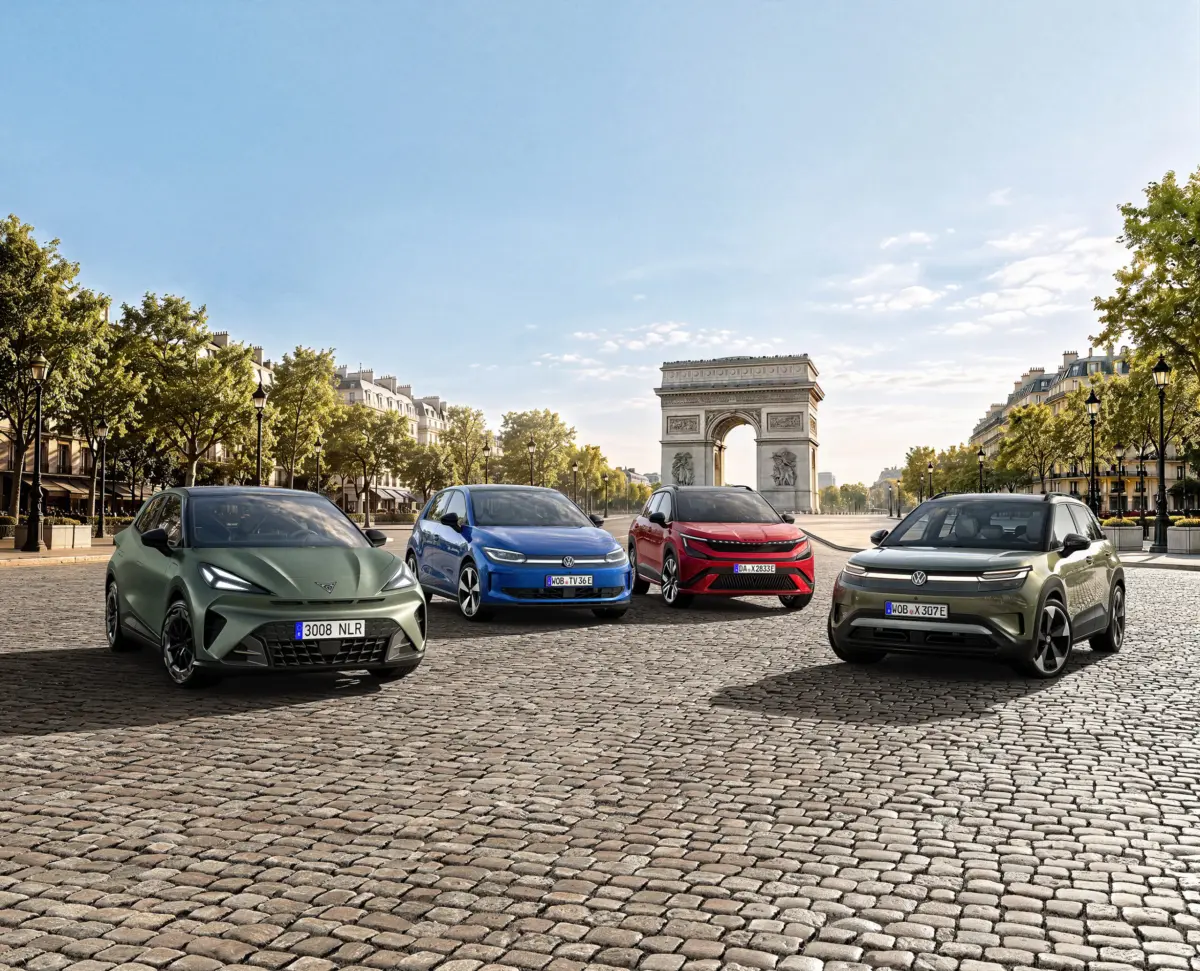
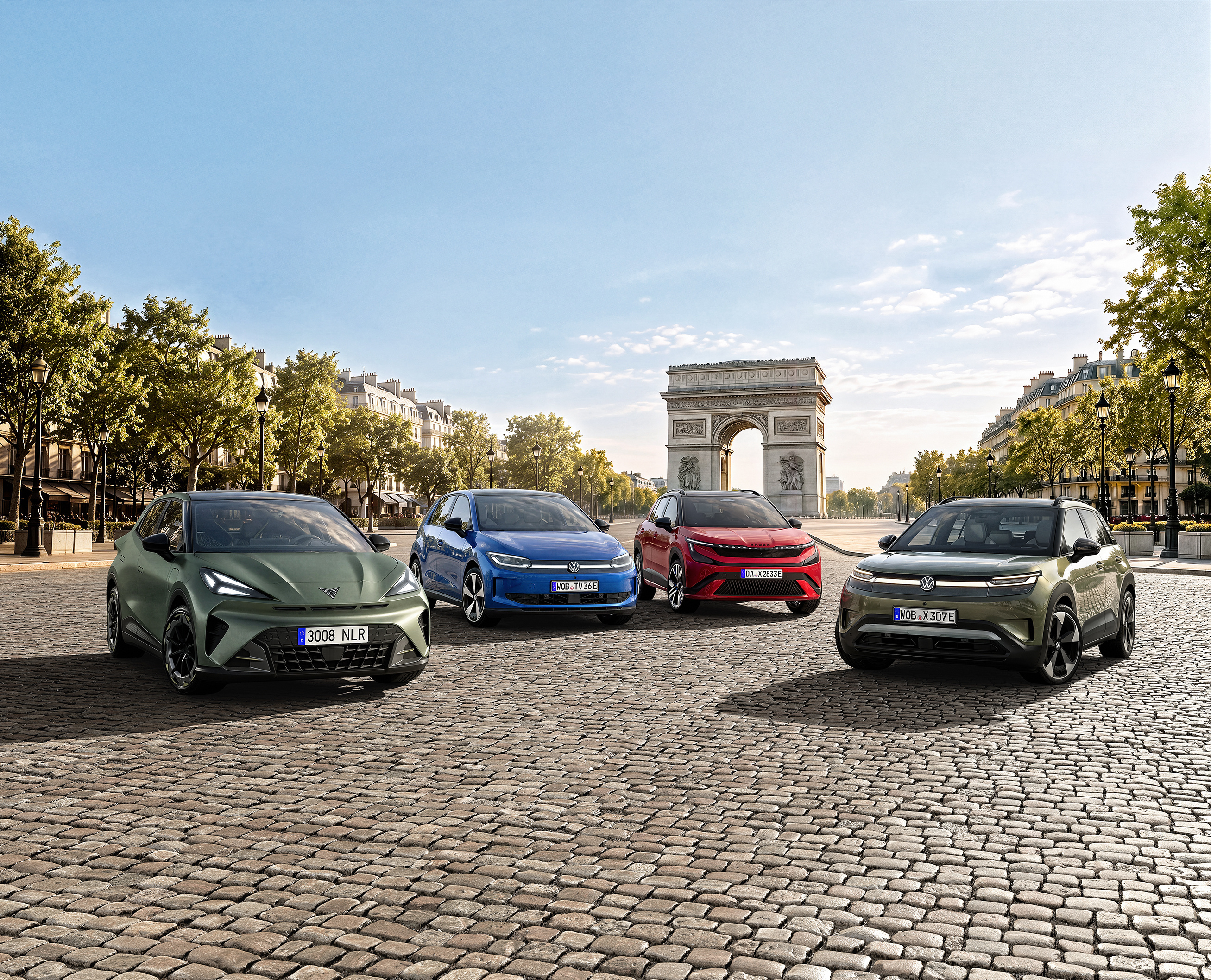
The year 2026 marks a pivotal moment for the Volkswagen Group as it introduces four new electric city cars – the Volkswagen ID. Polo, Volkswagen ID. Cross, Cupra Raval, and Skoda Epiq – all manufactured in Europe and starting at an accessible price point below €25,000. This ambitious project, a cornerstone of the group’s strategic turnaround, necessitated a profound transformation in working methods, as detailed by several high-ranking executives during a recent conference.
Volkswagen’s Strategic Crossroads: Navigating Restructuring and Market Pressures
The launch of these new electric models comes at a critical juncture for the German automotive giant. Widely reported across global media, the Volkswagen Group is currently undergoing an extensive restructuring program, which includes the challenging prospect of 50,000 job cuts and the potential threat to several German factories. This internal upheaval is set against a backdrop of declining sales, particularly in the crucial Chinese market, where the group has experienced a significant erosion of its market share. The pressures are multifaceted: intense competition from rapidly innovating Chinese EV manufacturers, the burden of legacy costs associated with internal combustion engine production, and previous struggles with software development for its earlier ID. series models have all contributed to a period of unprecedented challenge. This "Accelerate" strategy, spearheaded by CEO Oliver Blume, aims to streamline operations, enhance efficiency, and re-focus investment on future-proof technologies, with affordable electric mobility being a prime example. The introduction of the "Electric Urban Car Family" is not merely a product launch but a strategic declaration, signaling the group’s determination to reclaim market momentum and redefine its approach to electrification.
The Genesis of the "Electric Urban Car Family": A Bold Response to a Complex Challenge
Against this seemingly bleak outlook, Volkswagen hosted a conference titled "For Europe" on the sidelines of the Mondial de l’Automobile. The central theme was the group’s renewed commitment to the European market and its innovative solution to the long-standing industry dilemma: how to produce affordable electric city cars profitably within Europe. Thomas Schäfer, CEO of the Volkswagen brand, articulated the prevailing industry sentiment: "For years, the honest answer in our industry was: ‘It’s impossible to do.’ It’s too expensive to develop, too expensive to build here, too little margin, especially for small electric cars… And we set out to prove the opposite."
The "Electric Urban Car Family" project was conceived as a direct challenge to this notion. Led by Cupra, a brand chosen for its agility and modern appeal, the initiative was tasked with developing a new range of electric city cars for Volkswagen Group’s "Core" brands: Volkswagen, Seat/Cupra, and Skoda. This collaborative approach was crucial, addressing what Schäfer described with a hint of irony as a past organizational flaw: "For a long time, we managed our brands as separate companies that simply shared a parking lot." The new paradigm demanded unprecedented levels of integration and synergy.
Engineering a Cost-Effective Solution: The MEB+ Platform

The cornerstone of this cost-saving strategy is the utilization of a common platform, the MEB+. This enhanced version of Volkswagen’s modular electric drive matrix (MEB) has been specifically adapted for smaller vehicles, featuring a front-mounted motor and front-wheel drive. By leveraging the MEB+ architecture, the four new models share more than 80% of their components and technologies. This extensive commonality extends across critical areas such as battery modules, electric motors, power electronics, chassis components, and even infotainment systems’ underlying hardware.
The benefits are substantial. Arno Antlitz, Volkswagen Group’s Chief Financial Officer and Chief Operating Officer, emphasized the economic advantages: "When you buy for four cars and three brands, you buy at a completely different scale. This gives us a cost structure that finally makes a small electric car viable in Europe." This pooled procurement power allows the group to negotiate significantly better prices for components, driving down overall production costs. Furthermore, shared development efforts for the platform and core technologies eliminate redundant R&D investments across individual brands. The group quantifies these savings at a staggering €600 million, a figure that underscores the strategic imperative of this collaborative model. This financial discipline is critical for achieving the sub-€25,000 price point, a threshold widely considered essential for mass-market adoption of electric vehicles in Europe.
Manufacturing Hubs: Spain’s Pivotal Role in European Production
The production strategy for these new electric city cars further exemplifies the group’s commitment to efficiency and European manufacturing. Assembly is centralized in two key Spanish factories: Martorell, near Barcelona, is responsible for the traditional city car variants – the Volkswagen ID. Polo and the Cupra Raval. Meanwhile, the SUV-inspired models, the Volkswagen ID. Cross and Skoda Epiq, are assembled in Pamplona. This geographical concentration of production within a single country streamlines logistics, optimizes supply chains, and fosters regional expertise in EV manufacturing.

Antlitz encapsulates this streamlined approach with a memorable slogan: "4 cars, 3 brands, 2 factories, 1 platform." This mantra not only highlights the efficiency gains but also signifies a departure from previous, more siloed manufacturing practices. The decision to produce in Spain also reflects significant investments made by the Volkswagen Group in converting and upgrading these facilities for electric vehicle production, creating new jobs and solidifying Spain’s position as a vital hub for European automotive manufacturing. These factories are now equipped with advanced robotics and sustainable production processes, representing a significant modernization of the group’s industrial footprint.
Distinct Personalities from Shared Foundations: The Art of Differentiation
A common concern with extensive platform sharing is the potential for brand dilution, leading to cars that feel too similar. However, the Volkswagen Group executives assert that the opposite is true for the "Electric Urban Car Family." Thomas Schäfer noted that the cost efficiencies gained from common components "frees us up to invest where customers really feel it: in the design, the driving experience, and the character of each brand."
Andreas Mindt, Head of Design for the Volkswagen Group, elaborated on how each brand maintains its unique identity:

- Skoda Epiq: Emphasizes robustness, pragmatism, rationality, and spaciousness. Skoda’s design philosophy, often dubbed "Simply Clever," translates into practical, family-friendly features and a sturdy aesthetic that appeals to value-conscious buyers seeking functionality and reliability. The Epiq embodies this with a strong, confident stance and intelligent interior packaging.
- Cupra Raval: Aims to appeal to the heart and emotions with a much stronger, more distinctive design language. Cupra positions itself as a challenger brand, focusing on contemporary sportiness, performance, and a bolder, more expressive aesthetic. The Raval, especially in its performance-oriented VZ variant, promises an exhilarating driving experience matched by its sharp, angular styling and vibrant personality, targeting a younger, more design-conscious demographic.
- Volkswagen ID. Polo & ID. Cross: Proudly embraces its heritage as the "people’s brand," delivering cars that inspire confidence and sympathy. Volkswagen’s design prioritizes timeless appeal, user-friendliness, and a sense of quality. The ID. Polo, positioned as the electric successor to its iconic combustion counterpart, is designed to be a versatile, dependable daily driver with meticulous attention to detail, including potential GTI versions and nostalgic dashboard displays. The ID. Cross adds an adventurous, slightly rugged dimension, appealing to those seeking urban utility with a hint of SUV styling.
Initial press tests have already confirmed this successful differentiation in driving dynamics. The Cupra Raval reportedly prioritizes driving sensations and agility, delivering a more engaging and sporty ride. In contrast, the Volkswagen ID. Polo offers a reassuring and composed driving experience, emphasizing comfort and predictability, making it a safe and sound choice for a wide range of drivers. This strategic separation ensures that while the underpinnings are shared, the emotional connection and brand experience remain distinct for each model.
Early Commercial Triumphs: A Promising Start
The ultimate test for any automotive venture is market acceptance, and on this front, the "Electric Urban Car Family" appears to be off to a remarkably strong start. During the Mondial de l’Automobile, the Volkswagen Group announced that it had already accumulated nearly 150,000 pre-orders for its new range of electric city cars. A significant portion of this success is attributed to the Volkswagen ID. Polo, which alone accounts for 50,000 orders.
In France, the performance has been particularly striking. Volkswagen recently reported over 5,000 orders for the electric Polo in September alone, pushing the total past 10,000 since the order books opened. This represents a sales performance unseen by the brand in France since 2017, underscoring the strong consumer appetite for an affordable, practical electric city car from a trusted brand. These early figures not only validate the group’s strategy but also provide crucial momentum as production ramps up across the Spanish plants. The positive reception suggests that the combination of competitive pricing, European manufacturing, and distinct brand appeal is resonating strongly with consumers across the continent. This initial commercial success is vital for the group’s broader restructuring efforts and its ambitious targets for electric vehicle sales in the coming years.

Navigating the Competitive Landscape: Europe’s Resilience in EV Production
While Volkswagen celebrates its early success, it is important to acknowledge the broader competitive landscape. The concept of an affordable, European-made electric city car starting under €25,000 is not entirely new. Renault, a key competitor, has already demonstrated significant success with its Renault 5 E-Tech, manufactured in Douai, France. The Renault 5 E-Tech has garnered widespread acclaim and impressive sales figures, proving the viability of this market segment.
A key distinction lies in the development approach: Renault largely developed its R5 independently, though it is now exploring partnerships with Nissan (for the Micra EV) and potentially Ford to share costs and expand its platform’s reach. Volkswagen, conversely, has opted for an intensive internal platform-sharing strategy from the outset. This highlights two different but equally valid pathways to achieving affordable EV production in Europe.
Beyond Renault, the European market is also seeing offerings from Stellantis, with models like the Fiat 600e, Peugeot e-208, and Citroen e-C3 also vying for market share in the compact EV segment. However, the Volkswagen Group’s comprehensive four-model assault offers a broader range of choices under a unified, cost-optimized strategy. Furthermore, the looming threat of highly competitive, lower-cost Chinese EVs entering the European market, such as the BYD Seagull or Dolphin, makes the success of these European-made models even more critical. Their ability to offer compelling value and local appeal is essential for fending off international competition.

Broader Implications and Future Trajectory: A Beacon for European Industry
The emergence of this new generation of affordable electric city cars, produced and developed within Europe, represents a profoundly positive development for the continent’s automotive industry and its broader electrification ambitions. It serves as compelling evidence that Europe can indeed compete effectively in the electric vehicle arena, challenging the narrative that only Asian manufacturers can deliver cost-competitive EVs.
This project signifies more than just new car models; it represents a commitment to industrial resilience, job creation, and technological independence in Europe. It demonstrates that strategic collaboration, intelligent platform engineering, and a renewed focus on efficiency can unlock the potential for mass-market electric mobility without compromising profitability. For consumers, it means greater choice and more accessible entry points into electric vehicle ownership, which is crucial for accelerating the transition away from fossil fuels and meeting stringent emission targets. The success of the "Electric Urban Car Family" and its French counterpart, the Renault 5 E-Tech, sends a clear message: Europe is not merely a market for electric vehicles, but a vital hub for their innovation, development, and production, positioning it strongly against global competitors. The long-term implications for the Volkswagen Group will likely involve further leveraging the MEB+ platform for additional models and solidifying its leadership in the rapidly evolving landscape of electric urban mobility.