
 George Chandra Eka
Opera, a veteran in the web browser industry, has officially relaunched its innovative Air browser, significantly enhancing its suite of anti-distraction features and integrating a range of wellness tools designed to foster a more focused and serene online experience. The update, rolled out in October 2026, represents a strategic evolution in the company’s commitment to digital well-being, building upon the foundational principles introduced with Air’s initial release in early 2025. This refreshed version aims to counteract the pervasive digital noise and cognitive overload that characterize modern internet use, offering users a curated environment for mindful browsing.
The core of this relaunch revolves around an audiovisual makeover, meticulously crafted to guide users away from habitual digital wandering and towards intentional online engagement. Opera’s initiative reflects a growing industry recognition of the detrimental effects of constant digital stimulation and the burgeoning demand for technology that supports, rather than detracts from, mental focus and overall well-being.
Redefining the Browsing Experience: A Deep Dive into Air’s New Features
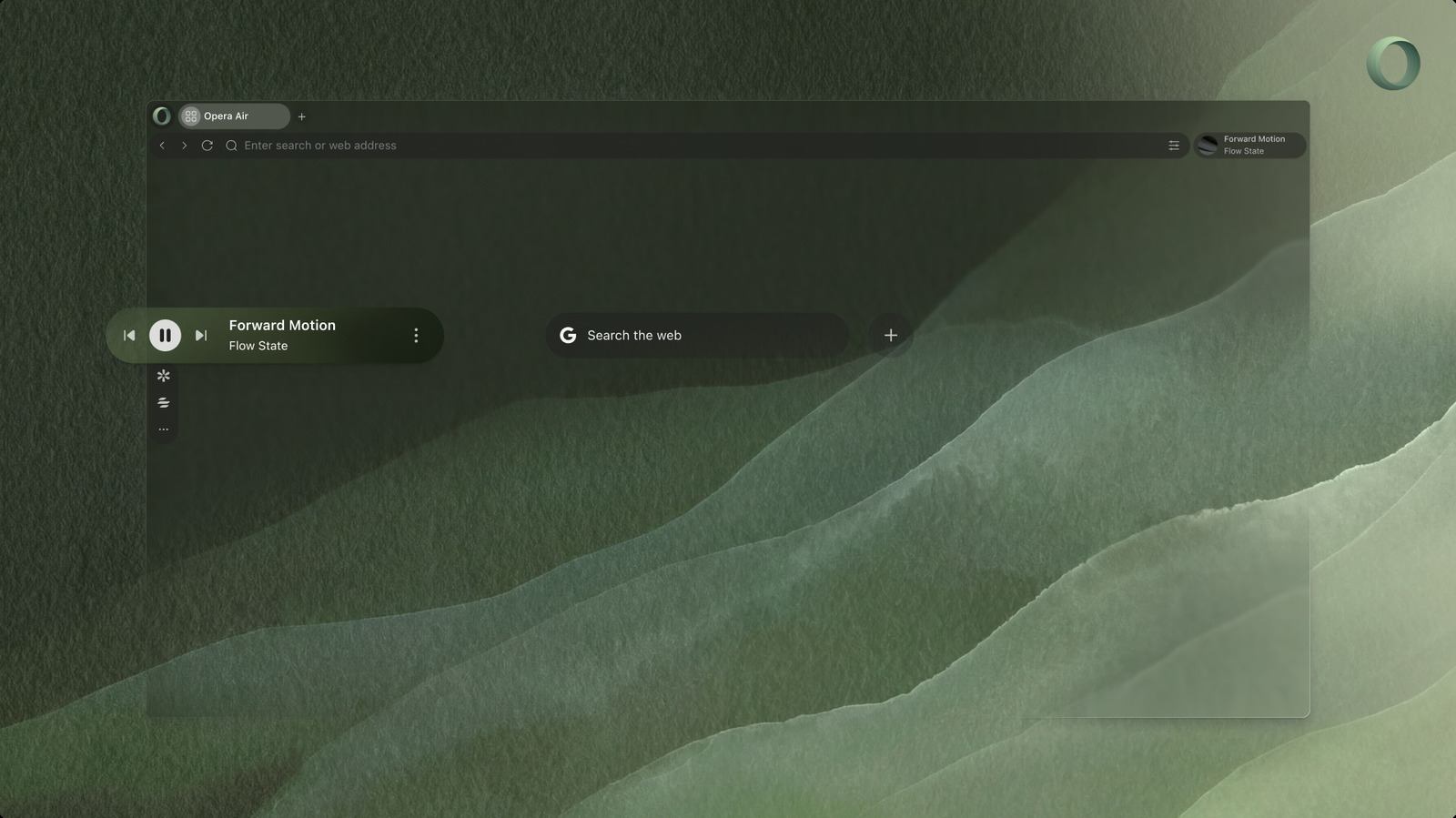
The most prominent addition to Opera Air is the introduction of Air Soundscapes. Recognizing the widespread practice of using ambient music for concentration, Opera has integrated its own proprietary audio environments directly into the browser. Users can select from four distinct moods: Focus, Relax, Work, and Ambience. The ‘Ambience’ setting, for instance, transports users with tranquil sounds of forests and the gentle lapping of the sea, creating an immersive, calming backdrop that aims to reduce external auditory distractions and enhance cognitive performance. This feature leverages principles of sound therapy and environmental psychology, where specific auditory stimuli can influence mood, stress levels, and concentration. Industry research consistently points to the efficacy of ambient sounds in improving task focus and reducing perceived stress, making this a strategic inclusion for a browser centered on mindfulness.
Beyond auditory enhancements, Opera Air now incorporates built-in physical and mental wellness exercises. Users can schedule breathing exercises to appear at chosen intervals, guiding them through short, structured sessions designed to alleviate stress and improve focus. These exercises are rooted in established mindfulness practices, which have been scientifically proven to reduce anxiety, enhance emotional regulation, and boost cognitive clarity. Complementing these mental exercises are integrated neck stretches, offering visual guides for users to follow. This addresses a common ergonomic issue in prolonged computer use, promoting physical comfort and preventing strain, thereby contributing to an overall healthier computing posture. The integration of these tools directly within the browser signifies a shift from passive consumption to active well-being maintenance during online activity.
The browser’s interface has been purposefully streamlined to minimize visual clutter and cognitive load. Unlike conventional browsers that often present a myriad of options and notifications, Air maintains a minimalist design philosophy. Users are required to manually add any desired applications to the sidebar, ensuring that only essential tools are present, reducing potential distractions. This design choice aligns with research indicating that simpler interfaces lead to higher user satisfaction and improved task completion rates. Furthermore, Opera has introduced a new collection of wallpapers that emphasize "open spaces, perspective, and natural textures." These visuals are selected to evoke feelings of calm and expansiveness, further contributing to a serene browsing environment. An automatic dark mode has also been implemented, adapting to ambient light conditions or user preferences, which not only reduces eye strain but also enhances the aesthetic appeal for many users, particularly in low-light settings.
In terms of privacy and security, Opera Air continues to uphold robust standards, which are integral to a truly "unbothered" browsing experience. It features a built-in ad blocker, shielding users from intrusive advertisements that disrupt focus and often compromise data privacy. A free Virtual Private Network (VPN) is also integrated, offering an added layer of security and anonymity, protecting user data from potential surveillance and enhancing freedom of access. While the browser does interface with advanced AI technologies like ChatGPT, this sidebar option remains unchecked by default, giving users explicit control over its activation and ensuring that AI tools are integrated on their terms, not as an automatic imposition. This commitment to user control and privacy reinforces the browser’s mindful ethos.
The Digital Wellness Imperative: Context and Background
The relaunch of Opera Air is set against a backdrop of increasing global concern over digital overload and its profound impact on mental health, productivity, and overall well-being. In the mid-2020s, studies consistently highlight that the average adult spends over seven hours a day looking at a screen, with significant portions of this time lost to non-productive activities and digital distractions. The "attention economy," driven by algorithms designed to maximize engagement, often leads to fragmented attention spans, reduced deep work capabilities, and increased levels of stress and anxiety. Industry reports from organizations like the World Health Organization and various psychological associations have pointed to a rise in conditions such as digital fatigue and technostress.
This growing awareness has fueled the digital wellness movement, a societal shift advocating for healthier relationships with technology. This movement has seen the rise of numerous apps, features, and devices aimed at helping users manage screen time, block distractions, and cultivate mindfulness. Major tech companies, including Apple and Google, have responded with native operating system features like Screen Time and Digital Wellbeing, offering users tools to monitor and control their device usage. However, Opera Air distinguishes itself by integrating these wellness principles directly into the primary gateway to the internet – the browser itself – rather than as an add-on or an operating system overlay.
Opera’s history is marked by a consistent drive for innovation and user-centric features. Since its inception, Opera has often been at the forefront of browser development, introducing features that later became industry standards, such as tabbed browsing, speed dial, and built-in VPNs. This heritage positions Opera as a credible innovator in addressing contemporary challenges of internet usage. The company’s decision to dedicate resources to a mindful browser like Air is not merely a trend-following exercise but an extension of its long-standing commitment to enhancing the user experience through thoughtful design and functionality.
A Chronology of Opera Air’s Development
The journey of Opera Air began in early 2025 with its initial introduction. At that time, Opera positioned Air as a "mindful antidote to the chaos of the internet." The first version focused on core principles of minimalism and break encouragement. It offered a stripped-down interface, fewer notifications, and basic functionalities designed to help users take regular breaks from internet consumption. While it laid the groundwork for a distraction-free environment, it was more of an experimental foray into the digital wellness space for a web browser.
Following its initial release, Opera engaged in a period of data collection, user feedback analysis, and iterative development. The company observed how users interacted with the initial Air browser, identifying areas for improvement and opportunities for deeper integration of wellness functionalities. This critical phase, spanning from early 2025 through late 2026, informed the comprehensive redesign and feature expansion seen in the current relaunch. Market trends, psychological research on focus and well-being, and competitive analysis of digital wellness tools all contributed to shaping the refined vision for Opera Air.
The October 2026 relaunch represents the culmination of these efforts, transforming Air from a minimalist browser into a holistic digital well-being platform. The integration of Air Soundscapes, scheduled breathing exercises, neck stretches, and the refined visual experience are direct responses to the identified needs for more active and integrated support for user focus and physical comfort during online activities. This update solidifies Opera Air’s position as a distinctive offering in the crowded browser market, targeting a segment of users actively seeking to mitigate the negative impacts of digital overstimulation.
Industry Reactions and Expert Perspectives
The relaunch of Opera Air has garnered attention from various stakeholders across the technology and digital wellness sectors.
An Opera spokesperson, commenting on the strategic direction, stated, "With the enhanced Opera Air, we are not just offering another web browser; we are providing a sanctuary in the digital realm. Our goal is to empower users to reclaim their attention, foster mental clarity, and maintain physical well-being even as they navigate the vastness of the internet. This is about designing technology that truly serves humanity, rather than demanding our constant, undivided attention." The spokesperson emphasized the company’s commitment to continuous innovation in creating tools that resonate with the evolving needs of the modern internet user.
Technology analysts have largely viewed Opera Air’s relaunch as a shrewd strategic move. "Opera has consistently shown a willingness to experiment and differentiate itself in a market dominated by giants," noted Sarah Chen, a senior analyst at Tech Insights Group. "The digital wellness sector is booming, and by embedding these features directly into the browser, Opera is tapping into a significant, underserved niche. While it won’t dethrone Chrome overnight, it could carve out a loyal user base among professionals, students, and anyone struggling with digital fatigue. The challenge will be in educating users about the tangible benefits beyond just ‘another browser’." Analysts also highlighted the importance of the free VPN and ad blocker as foundational elements that complement the mindful browsing experience, addressing core user concerns about privacy and intrusive advertising.
Digital wellness proponents have also voiced their support for Opera’s initiative. Dr. Emily Thorne, a psychologist specializing in digital behavior and founder of the ‘Mindful Tech Collective,’ commented, "It’s encouraging to see a mainstream browser developer actively address the challenges of digital distraction and mental well-being. Tools like integrated breathing exercises and soundscapes are not just gimmicks; they are evidence-based interventions that can genuinely help individuals manage stress and improve focus during their online hours. This move by Opera sets a precedent for how technology can be designed with human flourishing at its core, moving beyond mere engagement metrics." Proponents argue that such integrated solutions are more effective than standalone apps, as they meet users where they already spend a significant amount of their time.
Broader Implications and Future Outlook
The relaunch of Opera Air carries significant implications for user productivity, mental well-being, and the competitive landscape of the browser market. For users, a browser specifically designed to minimize distractions and support wellness could lead to demonstrable improvements in work efficiency, reduced stress levels, and a higher quality of digital interaction. By providing tools for focused work and scheduled breaks, Air has the potential to transform how individuals manage their daily online routines, promoting a healthier balance between connectivity and personal well-being. The emphasis on user control over AI features and privacy further reinforces a user-centric approach that is likely to resonate with a growing segment of internet users.
In the highly competitive browser market, Opera Air positions itself as a distinct alternative to the dominant players. While it may not appeal to every user, its specialized focus on digital wellness creates a unique selling proposition that could attract a dedicated niche. This differentiation strategy allows Opera to avoid direct head-to-head competition on raw speed or feature count, instead focusing on a value proposition centered around a superior quality of online experience. The success of Air could prompt other browser developers to integrate similar wellness-oriented features, further accelerating the trend towards more mindful and health-conscious technology design.
Looking ahead, the evolution of browsers like Opera Air suggests a broader shift in what users expect from their primary internet interface. Browsers are no longer merely conduits for information but are evolving into personalized digital environments that can actively support user goals, whether they be productivity, relaxation, or learning. Future iterations of Air might explore deeper integrations with smart home devices for ambient control, personalized AI-driven wellness recommendations, or more sophisticated adaptive interfaces that learn user habits to proactively suggest focus-enhancing settings. The emphasis on open spaces and natural textures in wallpapers could evolve into fully customizable, dynamic themes that respond to user mood or external conditions.
Opera Air remains free to download on both Windows and macOS, making its digital wellness benefits accessible to a wide audience. This accessibility is crucial for its adoption and for demonstrating Opera’s commitment to making mindful browsing a standard, rather than a luxury, in the digital age. As the world continues to grapple with the complexities of constant connectivity, Opera Air stands out as a proactive step towards a more balanced and human-centric future for the internet.







