Galang Taruna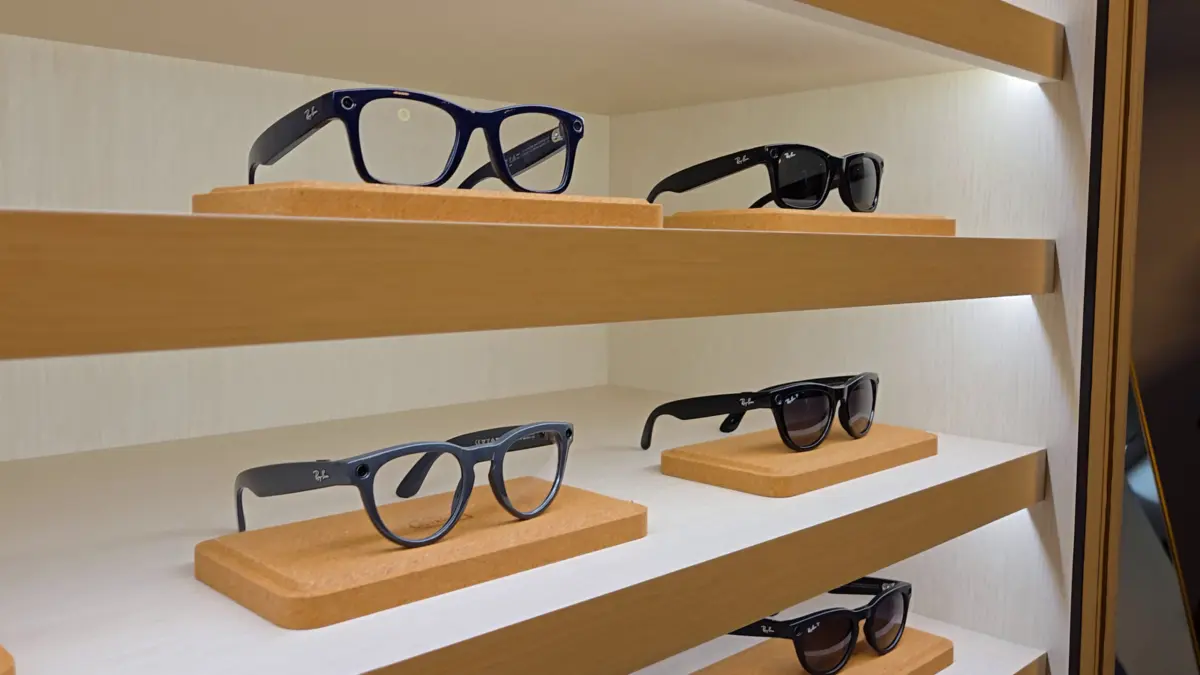
A fresh wave of controversy has engulfed Meta’s smart glasses, the Ray-Ban Meta, after numerous users reported that their devices inexplicably began recording and transcribing private conversations without explicit command or consent. This incident adds to a growing list of privacy concerns surrounding connected devices and raises significant questions about data security, user trust, and the ethical boundaries of wearable technology. The reports, initially surfacing on platforms like Reddit, detail how the smart glasses, designed to capture photos, videos, and interact with Meta’s AI assistant, activated their recording function unsolicited, capturing discussions far beyond the intended scope of voice commands.
Unpacking the Controversy: Involuntary Recordings Emerge
The core of the recent uproar lies in the unexpected activation of the glasses’ audio recording capabilities. Users observed a white notification light, typically indicating active recording, illuminating during ordinary conversations where the "Hey Meta" wake phrase had not been uttered. These recordings were subsequently found transcribed within the Meta AI application, revealing snippets of personal discussions that were never intended for capture or analysis. One Reddit user, credited with being among the first to sound the alarm, described the unsettling experience: "I noticed the white notification light turning on while I was speaking normally." This user further clarified that they had specifically deactivated the "Respond without saying Hey Meta" feature, indicating a malfunction rather than a user configuration error.
This revelation quickly escalated beyond an isolated incident. Subsequent reports confirmed that the issue was not confined to a single device or generation. Users across second and third-generation Ray-Ban Meta models were able to replicate the behavior, suggesting a widespread systemic problem rather than an individual anomaly. The implications are profound: a device designed to seamlessly integrate into daily life, offering hands-free capture and AI assistance, was seemingly transforming into an inadvertent surveillance tool, collecting sensitive audio data from its wearers and those around them without explicit permission.
A Familiar Echo: Smart Device Precedents and Privacy Debates
While alarming, the situation with Ray-Ban Meta glasses echoes previous privacy controversies involving other "always-on" smart devices. Smart speakers from tech giants like Google (Google Home), Amazon (Alexa), and Apple (Siri) have faced scrutiny for inadvertently recording conversations, often triggered by "false positives" — sounds mistaken for their respective wake words. These incidents, though typically occurring within the confines of private homes, have led to significant public and regulatory backlash, prompting companies to implement clearer privacy policies, provide more user control, and, in some cases, face legal challenges and settlements. For instance, Apple faced lawsuits in France and the U.S. over Siri recordings, resulting in substantial settlements.
However, the nature of the Ray-Ban Meta glasses presents a uniquely magnified privacy challenge. Unlike stationary smart speakers, which are generally confined to a household, smart glasses are inherently portable and worn on the face, making them capable of recording individuals in diverse public and private settings. This mobility vastly expands the potential scope of involuntary data collection, encompassing not just the wearer but also unsuspecting bystanders, colleagues, and acquaintances. The ability to covertly record conversations in any environment, from a coffee shop to a business meeting, without the explicit consent or even awareness of those involved, pushes the boundaries of acceptable data collection practices and raises the specter of pervasive, personal surveillance.
The Ray-Ban Meta Ecosystem: Ambition Meets Scrutiny
Meta’s foray into smart glasses with the Ray-Ban Meta series represents a strategic pillar in the company’s long-term vision for the metaverse and augmented reality. Launched as a more fashionable and socially acceptable successor to previous attempts (like Google Glass or Snap Spectacles), these glasses were designed to offer a subtle way to capture moments, listen to audio, and interact with digital assistants, blurring the lines between the physical and digital worlds. The partnership with an iconic brand like Ray-Ban aimed to overcome the "nerd stigma" associated with earlier smart eyewear, making the technology more appealing to a mainstream audience.
The initial marketing emphasized convenience and connection, allowing users to "stay in the moment" while capturing photos and videos or making calls. The integration of Meta AI was pitched as a natural evolution, offering hands-free information retrieval and interaction. However, from their inception, smart glasses have been dogged by privacy concerns. Early iterations faced public backlash, with users being labeled "glassholes" due to fears of surreptitious recording. Meta itself has previously addressed privacy-related "bugs" and vulnerabilities in its smart glasses, underscoring the ongoing technical and ethical challenges of developing such intimate and powerful wearable devices. The constant balancing act between innovation, utility, and user privacy remains a critical hurdle for the widespread adoption of smart glasses.
Chronology of Events: From Update to Outcry
The timeline of this specific controversy unfolds rapidly, beginning with a recent software update pushed to Ray-Ban Meta smart glasses.
- Initial Launch (Late 2023): Meta and Ray-Ban release the second generation of their smart glasses, building on the first generation’s features with improved cameras, audio, and the integration of Meta AI.
- Recent Software Update (Undisclosed Date): Meta rolls out a new software update to the devices. This update is believed to have introduced the bug.
- User Reports Emerge (Early 2024): Shortly after the update, users begin noticing anomalous behavior. The white notification light on their glasses illuminates during casual conversations, even without the "Hey Meta" trigger.
- Reddit Threads Surface: Multiple users take to Reddit forums, particularly r/MetaGlasses, to share their experiences and confirm similar occurrences, indicating a systemic problem. These reports detail conversations being recorded and transcribed in the Meta AI app.
- Media Attention (Following Reddit Reports): Tech publications, including Android Authority and Frandroid, pick up on the Reddit discussions, verifying the reports and bringing wider attention to the issue.
- Meta’s Initial Response: In response to mounting user complaints, Meta’s support channels reportedly advised affected users to disable various features, including automatic updates, audio and video recording functionalities, automatic wear detection, and to clear their conversation history. This advice, effectively suggesting users neuter their "smart" glasses into conventional spectacles, further fueled user frustration.
- Meta Announces "Fix": Following widespread media coverage and user outcry, Meta issues a statement claiming to have "corrected the problem." However, the company provides no detailed explanation of the bug’s nature, its root cause, or what specifically was done to rectify it.
This sequence of events highlights the reactive nature of the company’s response and the lingering questions surrounding transparency and accountability in such privacy-sensitive incidents.
Meta’s Response: A Swift but Vague Rectification
Meta’s handling of the crisis has drawn criticism for its lack of transparency. Initially, the company’s advice to affected users was to essentially deactivate all smart functionalities of the glasses. Recommending the disabling of automatic updates, audio/video recording, wear detection, and the deletion of conversation history effectively transforms the sophisticated wearable into a pair of ordinary glasses. While this might temporarily halt unintended recordings, it undermines the very purpose and value proposition of the device. Such a suggestion, rather than reassuring users, underscored the severity of the privacy breach and the company’s initial inability to offer a targeted solution.
Subsequently, Meta released a statement asserting that it had "corrected the problem," but crucially, without providing any details regarding the nature of the bug, how it occurred, or the specific measures taken to fix it. This lack of transparency is a significant concern for privacy advocates and users alike. Without a clear explanation, it is difficult for users to fully trust that the issue has been definitively resolved and that similar "bugs" will not resurface. The absence of a detailed post-mortem report prevents independent verification and leaves users questioning the robustness of Meta’s privacy safeguards and its commitment to proactive rather than reactive security measures.
Regulatory Landscape and Data Protection Concerns
The involuntary recording incident with Ray-Ban Meta glasses is likely to attract the attention of data protection authorities worldwide, particularly in regions with stringent privacy regulations like Europe. The General Data Protection Regulation (GDPR) in the European Union mandates strict rules for the collection, processing, and storage of personal data. Key principles include lawful basis for processing (which includes explicit consent), data minimization, purpose limitation, and accountability.
An incident where a device records personal conversations without consent clearly falls under potential GDPR violations. The processing of audio data, which can contain highly sensitive personal information, requires a clear legal basis. If the recordings were accidental "bugs" and not intended data collection, the incident still raises questions about data security and the "privacy by design" principles enshrined in GDPR. Data protection agencies, such as the CNIL (Commission Nationale de l’Informatique et des Libertés) in France, have a history of investigating and fining companies for privacy breaches related to smart devices. Such an incident could trigger formal investigations, leading to substantial fines and mandatory changes to Meta’s data handling practices for its smart glasses. The lack of detailed information from Meta on the bug’s specifics and the data potentially collected could further complicate any regulatory inquiry.
Broader Implications: Trust, Surveillance, and the Future of Wearables
This latest controversy carries significant broader implications for consumer trust, the public perception of wearable technology, and the ongoing debate surrounding surveillance in an increasingly connected world.
- Erosion of Trust: Incidents like this severely erode consumer trust in technology companies. When a device designed for convenience turns into a potential privacy invader, users become wary of adopting new technologies, especially those that are "always-on" and integrated into personal spaces. This trust deficit can hinder the growth of the entire smart wearable market.
- The Slippery Slope of Surveillance: The ability of a personal device to record without explicit command fuels fears of a "slippery slope" towards pervasive surveillance. While Meta claims it was a bug, the technical capability to record discreetly raises questions about potential misuse, whether by malicious actors exploiting vulnerabilities or by future policy changes from the company itself.
- Ethical AI Development: The incident also highlights the ethical challenges inherent in developing AI-powered devices. The "always-listening" nature required for voice assistants, combined with complex software updates, creates a fertile ground for unintended privacy breaches. Developers must prioritize robust privacy safeguards, transparent data handling, and clear user controls from the outset, rather than addressing issues reactively.
- Unique Challenges of Wearables: Wearable recording devices, unlike smartphones or stationary cameras, pose unique challenges because they are less conspicuous and integrate directly into a person’s physical presence. This makes it harder for others to know when they are being recorded, fundamentally altering social interactions and expectations of privacy in public and semi-public spaces. The "social contract" of interaction is implicitly violated when one party unknowingly records another.
The Path Forward: Transparency and User Control
To mitigate the damage and regain user trust, Meta faces a critical need for enhanced transparency and a renewed commitment to user control.
- Detailed Explanation: Meta must provide a comprehensive, technical explanation of the bug: what caused it, how it operated, for how long it persisted, and precisely what data (if any) was collected, stored, or processed.
- Audit and Verification: Independent security audits and third-party verification of the "fix" could help restore confidence, demonstrating that the issue has been thoroughly addressed and that privacy safeguards are robust.
- Proactive Privacy Features: Beyond reactive fixes, Meta should invest in more robust, user-friendly privacy features, offering granular control over recording functions, data retention, and AI interactions. Clear visual indicators for recording should be unmistakable.
- Industry Standards: This incident underscores the need for industry-wide standards and best practices for privacy and security in wearable technology. Collaboration between manufacturers, regulators, and privacy advocates could help establish clear guidelines and build a framework of trust for future innovations.
The incident with Ray-Ban Meta glasses serves as a stark reminder of the delicate balance between technological innovation and fundamental privacy rights. As smart devices become increasingly integrated into our lives, the responsibility to safeguard personal data and maintain user trust falls squarely on the shoulders of the companies that create them. Without clear communication, robust safeguards, and an unwavering commitment to privacy by design, the promise of seamless, intelligent wearables may forever be overshadowed by the specter of involuntary surveillance.