Galang Taruna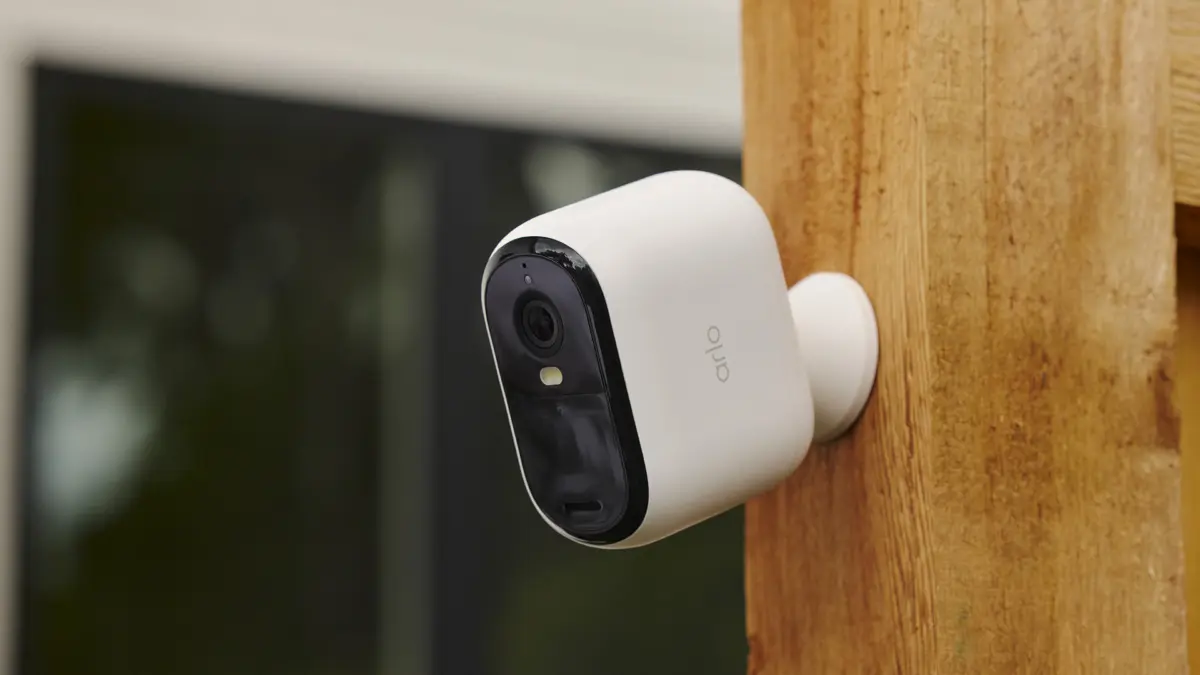
As homeowners increasingly prioritize the safety and sanctity of their living spaces, the decision to invest in surveillance technology has become a fundamental aspect of modern dwelling. While a basic camera offers a convenient solution for remote monitoring, a growing consensus among security experts points towards the indispensable advantages of a comprehensive, integrated tele-surveillance ecosystem. The evolving landscape of home security in 2026 underscores a critical distinction: the difference between merely observing an event and actively preventing or mitigating it through professional intervention.
The contemporary motivations for installing a surveillance camera are manifold and entirely legitimate. Whether it’s to keep a watchful eye on a beloved pet during working hours, confirm that windows are closed and lights are off before leaving, or, most crucially, to deter and protect against potential intrusions, the underlying desire is to cultivate a safer and more comfortable living environment. However, the capabilities of surveillance technology have advanced dramatically. Where once a camera simply recorded footage, today’s market offers devices equipped with person detection, rapid alert systems, and even active deterrents. Yet, the central question remains: are these individual advancements sufficient to genuinely safeguard a home? The answer, for many, is increasingly becoming "perhaps not."
At its core, a standalone connected camera provides observational capabilities and alerts. The onus of reaction, however, falls entirely upon the user. If a notification is missed, if the user is unreachable, or if they are simply unable to act in a timely manner, there is no inherent human response mechanism. This is where a tele-surveillance solution makes a pivotal difference, introducing a crucial layer of human oversight. Dedicated tele-surveillance agents, available 24 hours a day, 7 days a week, are equipped to qualify alerts and initiate appropriate actions. Following a verified "levée de doute" (doubt verification), as stipulated by Article L. 613-6 of the French Internal Security Code, and when the situation warrants it, law enforcement or emergency services can be promptly contacted in accordance with established procedures (1).
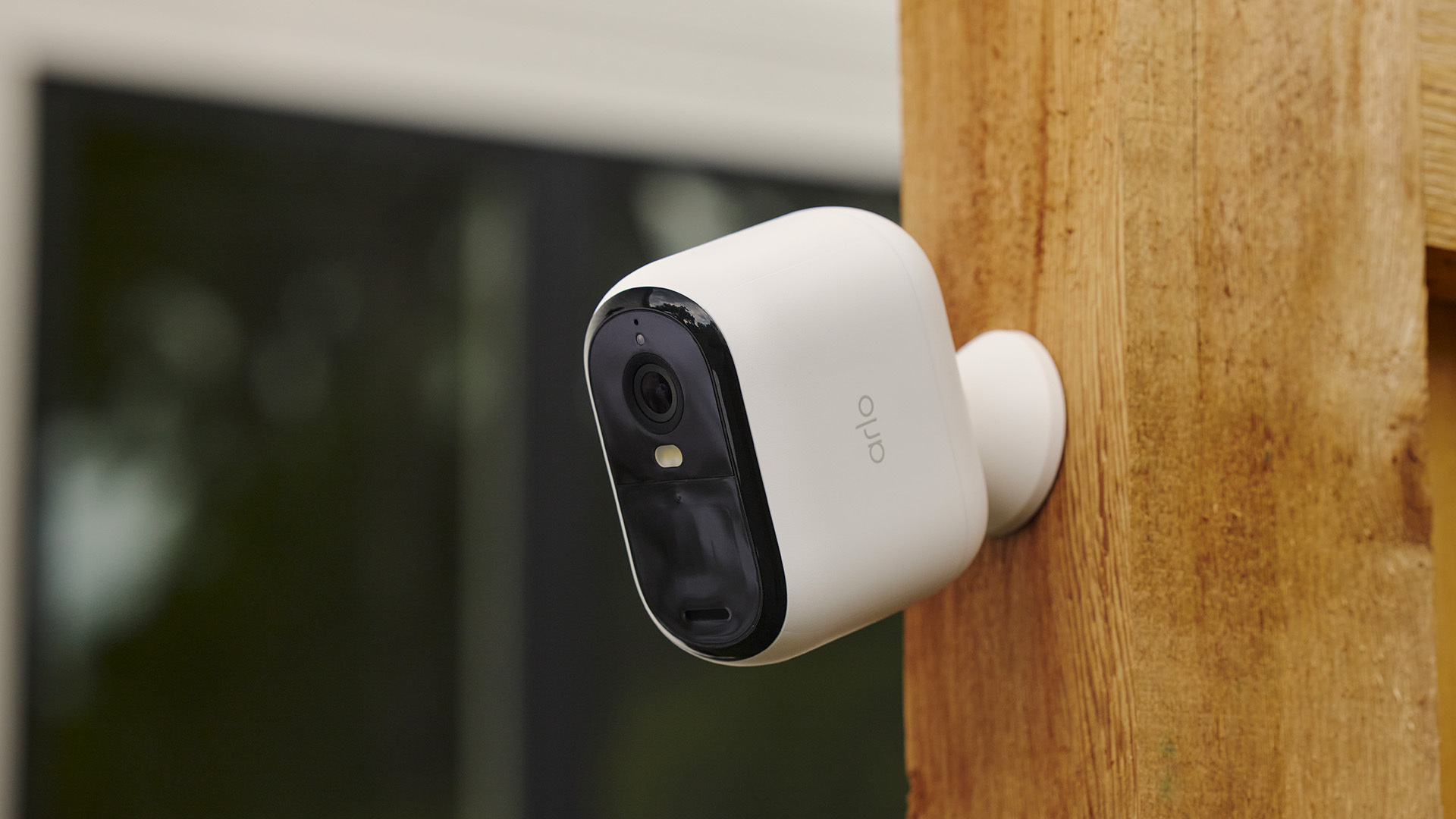
To effectively counter the threat of burglary, a surveillance camera must transcend its solitary function and integrate seamlessly into a complete security ecosystem. Such a system combines advanced detectors, resilient communication networks, and constant human assistance. In the event of a priority alert, tele-surveillance agents typically take charge within an average of 7 seconds (2), swiftly analyzing the situation and deploying tailored responses. This proactive and professionally managed approach represents a significant leap from reactive self-monitoring.
The Evolution of Home Security: Expectations in 2026
A decade ago, domestic security cameras were largely passive devices, capturing images of often mediocre quality, making precise identification challenging. Today, installing a home camera is no longer about merely deciphering post-event footage. Standard surveillance cameras now offer an array of features previously exclusive to professional installations. From the activation of bright floodlights to the triggering of loud sirens, the 2026-era camera is, by itself, a powerful initial deterrent against attempted break-ins.
-
The Era of Ultra High Definition and Artificial Intelligence: For a surveillance camera to effectively deploy its deterrent tools, superior visual acuity is paramount. Thanks to 4K definition, modern cameras provide unparalleled clarity, capturing more detailed information within the image. This high-resolution capability enables the camera to "see" and "understand" its environment with precision, facilitating intelligent action. When daylight fades, advanced night vision technology seamlessly takes over, delivering excellent image rendering crucial for continuous operation regardless of ambient light levels. Complementing this optical excellence is artificial intelligence, capable of distinguishing between, for instance, a pet’s movement and the intrusion of a human being, significantly reducing false alarms.

-
Network and Storage: The Connectivity Imperative: For a camera to alert its owner, robust communication is essential, highlighting the critical roles of storage and network connectivity. Various options exist today, catering to diverse needs and housing types, including local storage (SD cards, NVRs), cloud storage for remote access, and hybrid solutions combining both. Wireless connectivity (Wi-Fi, Zigbee, Z-Wave) offers installation flexibility, while wired Ethernet connections provide greater stability and security.
-
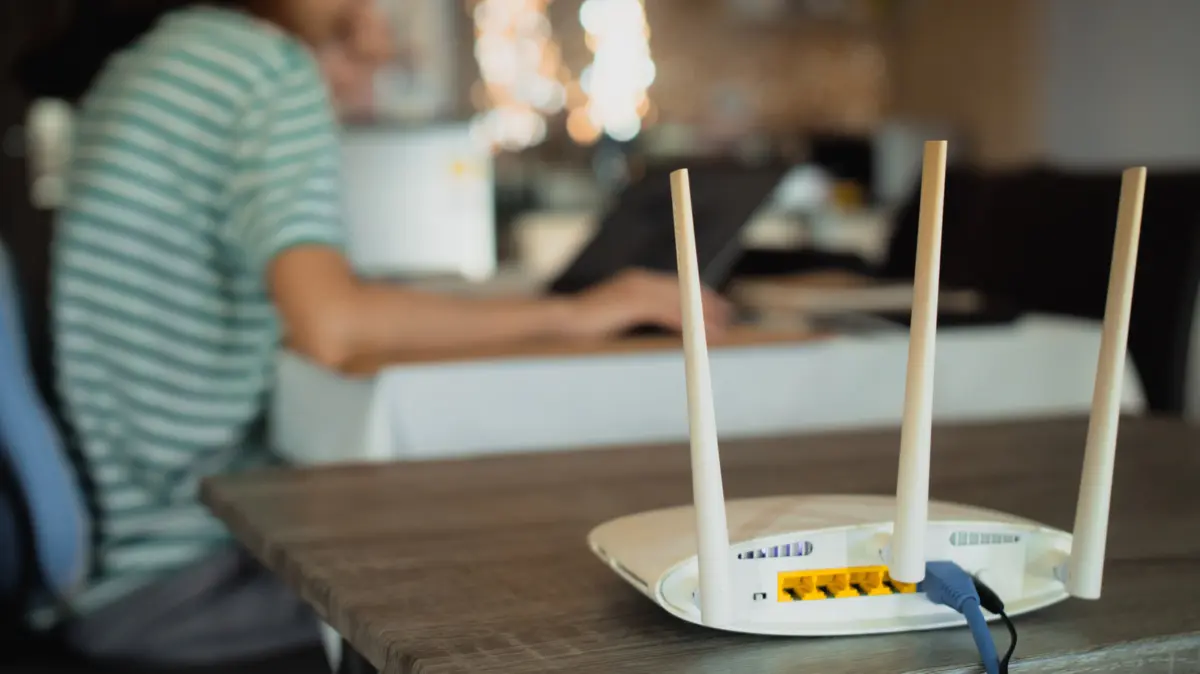
The Inherent Limitations of a Standalone Camera: Despite its advanced capabilities, a standalone connected camera possesses two significant vulnerabilities: its power supply and its network connection. Intruders are well-versed in exploiting these weaknesses. A common tool used by criminals is the signal jammer, a compact device designed to saturate Wi-Fi and GSM frequencies. The consequence is immediate: the connected camera loses its ability to communicate with the internet router, continuing to film but failing to transmit any alerts to the homeowner.
Another, simpler method to neutralize a surveillance camera is to cut its power supply. If the camera is mains-powered without a backup battery, it instantly deactivates. Even if a backup battery is present, a coordinated attack involving both power disruption and signal jamming can render the camera incapable of transmitting crucial alerts, leaving the property vulnerable and the homeowner unaware.
-
Beyond Reaction: Anticipation as the Ultimate Defense: While a connected camera is an excellent technological tool for observation and alerting, its primary function remains reactive. To truly protect a home, the objective must shift from merely filming a burglary to preventing it before it even begins, or ensuring an immediate, professional response even if conventional communications are compromised.

Key Takeaways on Standalone Cameras:
- Observation and Alert: Primarily provides visual monitoring and sends notifications.
- User Dependence: Requires the user to be available, responsive, and able to act.
- Vulnerability to Disruption: Susceptible to power cuts and signal jamming, rendering it inoperative or unable to communicate.
- Limited Active Deterrence: While some have sirens or lights, their impact is localized and may not prevent a determined intruder.
- No Human Intervention: Lacks the critical layer of professional verification and response.
Camera vs. Tele-surveillance Ecosystem: A Crucial Distinction
An isolated camera serves as a valuable first line of defense, but its limitations become apparent without a more comprehensive ecosystem supporting it. To truly secure a residence, a camera must be part of a broader network, integrating with various sensors such as shock detectors, door/window opening sensors, and smoke detectors.
-
The Decisive Impact of Human Intervention: While supplementary sensors offer a deterrent effect, their true utility is unlocked when their alerts can be effectively processed by a human agent. A connected ecosystem, such as that offered by Verisure, extends far beyond simple alerts. Its integrated sensors empower a dedicated tele-surveillance center to take decisive action.

The moment sensors detect an anomaly, the tele-surveillance center receives the alert and assumes control. Tele-surveillance agents then utilize cameras and motion detectors with image capture to perform a video and audio "levée de doute." This critical verification process allows agents to assess the authenticity and nature of the situation.
Once the situation has been qualified through this rigorous verification, Verisure tele-surveillance agents implement appropriate actions. If the "levée de doute" confirms an intrusion, they can contact law enforcement (1) or emergency services and, where installed, activate the Anti-Burglary Fog Barrier (BAC). This innovative system rapidly fills the area with an opaque, harmless fog, drastically reducing visibility and slowing the intruder’s progress, making theft virtually impossible.
Furthermore, professional systems like Verisure employ multiple communication channels and can automatically switch to a backup channel in the event of primary network disruption. This independent backup network ensures continuous transmission to the tele-surveillance center, even when sophisticated jamming devices are employed.
The Advantages of a Connected Ecosystem for Home Protection

As methods of burglary become increasingly sophisticated, technology, when isolated, reveals its limitations. A connected camera, while essential for keeping an eye on one’s home, is quickly outmatched when it comes to anticipating or thwarting an intrusion attempt.
The security ecosystem decisively resolves this problem. The camera is no longer a solitary tool but an integral component of a larger, intelligent network. When combined with smart detectors, active intervention systems, and 24/7 tele-surveillance with human alert processing, it enables homeowners to anticipate, deter, and monitor their property, whether they are at home or away on vacation. This provides unparalleled peace of mind, knowing that in the event of an alert, professional tele-surveillance agents are ready to take over and manage the situation according to established procedures.
To illustrate the practical differences in the field, a comparative overview highlights the superiority of an integrated approach:
| Security Criteria | Standalone Connected Camera (Self-monitoring) | Verisure Connected Ecosystem (24/7 Tele-surveillance)
| Gestion de l’alerte | Repose sur vous : il faut voir la notification, avoir du réseau, et appeler la police vous-même. | Prise en charge en 7 secondes en moyenne pour les alertes prioritaires (2) par des agents de télésurveillance Verisure dédiés 24 h/24 et 7 j/7, qui préviennent les forces de l’ordre (1) si besoin. |
| Face aux coupures (courant/box) | Vulnérable : s’éteint sans électricité ou perd sa connexion sans le Wi-Fi de la maison. | Sécurisé : continue de fonctionner grâce à des batteries de secours et à une communication multi-réseaux.