Garick Elordi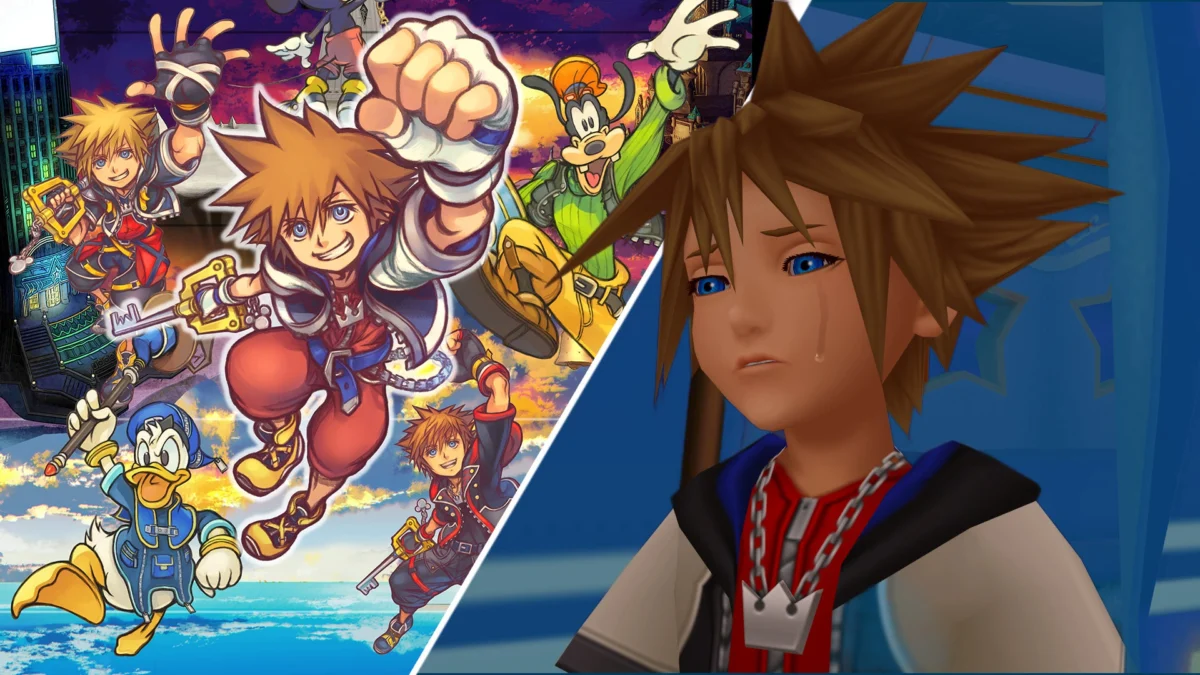
Square Enix, the prominent Japanese developer and publisher behind the long-running Kingdom Hearts franchise, has officially addressed allegations regarding the use of generative artificial intelligence in promotional materials for the upcoming Kingdom Hearts Collection 1-3. Following a period of sustained scrutiny from the gaming community and digital art analysts, the company issued a formal statement denying that AI tools were utilized to create the key visuals in question. Instead, the publisher has attributed several glaring anatomical and architectural discrepancies to "human error" during the development of the marketing assets.
The controversy stems from promotional artwork released in early June 2026, coinciding with the announcement of the collection’s arrival on modern platforms, including the highly anticipated successor to the Nintendo Switch. Fans quickly identified several visual anomalies that have become hallmarks of unrefined generative AI, leading to a viral debate across social media platforms and gaming forums.
The Anatomy of the Controversy
The Kingdom Hearts community is known for its meticulous attention to detail, a necessity born from the franchise’s dense lore and complex character designs. When the promotional art for the Kingdom Hearts Collection 1-3 was unveiled, users on platforms like X (formerly Twitter) and Reddit began highlighting specific areas of the image that appeared inconsistent with the series’ established aesthetic standards.
Among the most cited issues was the depiction of Donald Duck. In one section of the artwork, the character appeared to have five fingers on one hand and four on the other. Additionally, the zippers on his iconic outfit exhibited "melting" or "bleeding" visual effects, where the metal teeth of the zipper failed to align or maintain a consistent structure. Mickey Mouse was also subject to scrutiny; the chain attached to his signature Keyblade appeared to morph into a different style of link halfway down its length, a common artifact in AI-generated imagery where the software fails to maintain geometric continuity.
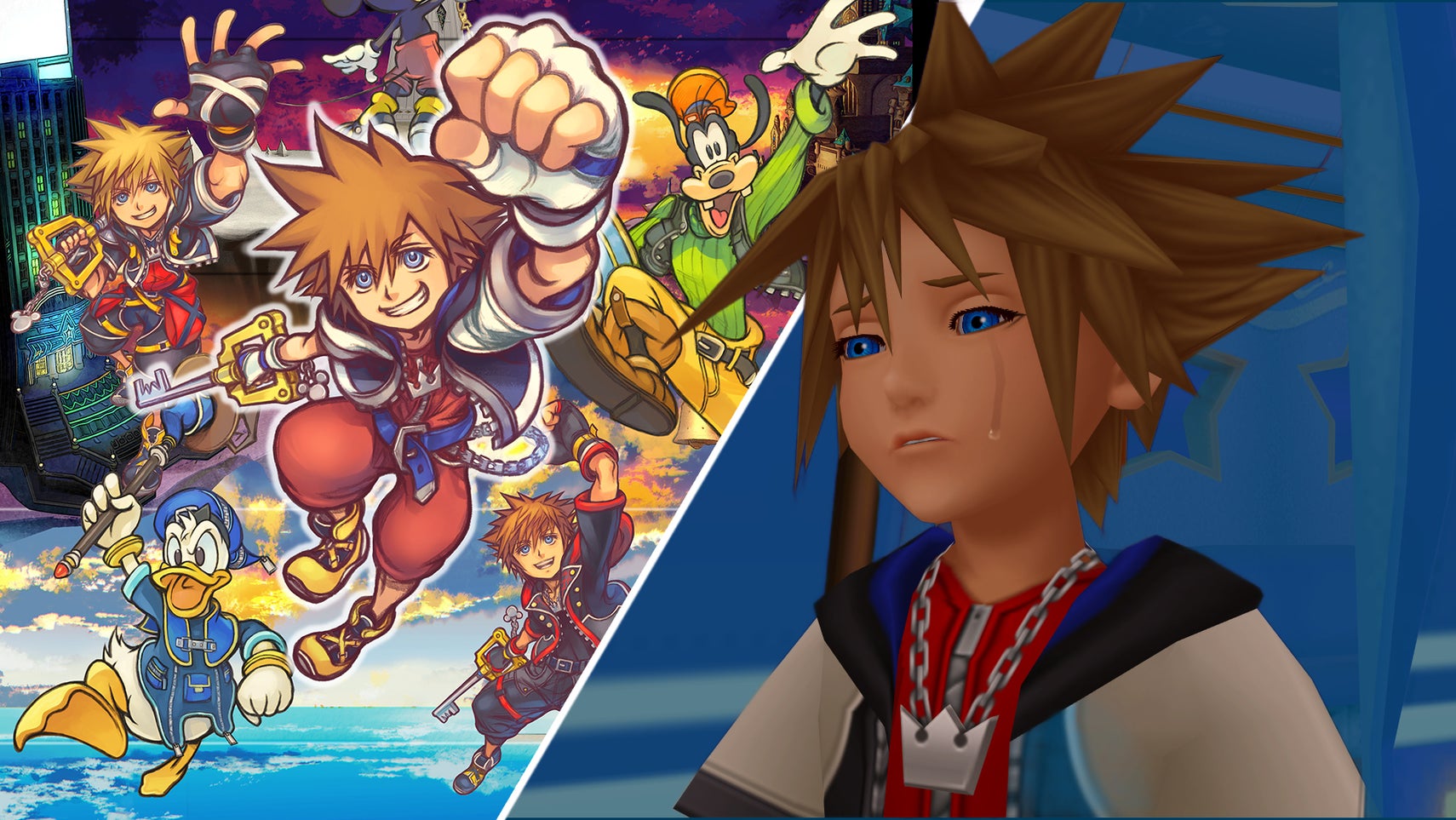
Further discrepancies were noted in the depiction of the franchise’s protagonist, Sora. His shoes, which are famously oversized and distinct in their design, were noted to be inaccurate compared to the high-fidelity character models used in the games. Perhaps most striking was the depiction of the Twilight Town clock tower, a landmark central to the series’ narrative. The hands of the clock appeared warped and bent downward at impossible angles, failing to match any previous official artwork or in-game renders of the location.
Square Enix’s Official Rebuttal
After nearly two months of silence following the initial wave of accusations, Square Enix provided a statement to clarify the origin of the assets. A representative for the company emphasized that the artwork was the product of their internal development team and not the result of automated generative processes.
"We’re aware of feedback regarding recent Kingdom Hearts visuals," the Square Enix representative stated. "These assets were created by our development team without the use of generative AI, and the issues resulted from human error."
The publisher further confirmed that it is in the process of rectifying the situation. "Updated assets have been implemented where appropriate," the spokesperson added, signaling a commitment to maintaining the visual integrity that fans expect from the brand. While the company has already begun rolling out updated versions of the art—most notably fixing the number of fingers on Donald Duck’s hand—reports indicate that other anomalies, such as the distorted clock tower hands and the inconsistent Keyblade chains, remain present in some versions of the marketing collateral.
Chronology of Events
The timeline of the dispute highlights the increasing tension between major game publishers and a consumer base that is increasingly wary of the encroachment of generative AI in creative fields.

- June 2026: During a high-profile Nintendo Direct, Square Enix announces the Kingdom Hearts Collection 1-3 for PC, PlayStation 5, Xbox Series X/S, and the "Switch 2." The announcement is accompanied by new promotional artwork.
- Early June 2026: Within hours of the reveal, digital artists and fans begin posting "redline" breakdowns of the artwork, pointing out anatomical impossibilities and structural inconsistencies. The hashtag #KingdomHeartsAI begins to trend.
- Mid-June to July 2026: The silence from Square Enix leads to further speculation. Some community members suggest the artwork might be "photobashed"—a legitimate technique involving the blending of various assets—but argue that the execution was negligent or assisted by AI "upscalers" that introduced the artifacts.
- August 2026: Square Enix issues its formal denial via GameSpot, attributing the flaws to human error and promising updates to the assets.
- October 8, 2026: The scheduled release date for the Kingdom Hearts Collection 1-3 across all confirmed platforms.
Supporting Data and the Industry Context
The skepticism surrounding Square Enix is not an isolated incident but rather a reflection of a broader industry trend. In the past 24 months, several major entertainment entities have faced similar backlash. Wizards of the Coast, the Hasbro subsidiary behind Dungeons & Dragons, faced a major controversy when fans discovered AI-generated art in a sourcebook. Like Square Enix, Wizards of the Coast initially attributed the issue to a lapse in oversight before implementing stricter guidelines for freelance artists.
The use of AI in game development has become a polarizing topic. While companies see the potential for cost reduction and efficiency in asset generation, players and professional artists express concerns regarding the devaluation of human labor and the potential for copyright infringement inherent in the training of large language and image models.
In the case of Kingdom Hearts, the stakes are particularly high due to the involvement of Disney. The collaboration between the Japanese RPG giant and the American animation powerhouse requires rigorous brand approval processes. The fact that "human error" allowed such prominent visual defects to pass through Disney’s notoriously strict licensing and approval filters has led some analysts to question whether the quality control pipelines are being stretched thin as the industry moves toward more rapid content cycles.
Technical Analysis: Human Error vs. AI Artifacts
While Square Enix maintains that the errors were human-made, the nature of the artifacts has fueled ongoing debate among technical artists. In traditional digital painting, an artist might struggle with perspective or anatomy, but the "melting" effect seen on Donald Duck’s zipper is specifically characteristic of how diffusion-based AI models interpret complex textures.
However, a plausible "human error" explanation involves the use of "AI-assisted tools" rather than "generative AI." Many modern versions of Adobe Photoshop and other industry-standard software include features like "Generative Fill" or AI-driven "Content-Aware" scaling. It is possible that a human artist used these tools to expand or touch up an existing piece of art, unknowingly introducing the artifacts that the public later identified. If this is the case, Square Enix’s denial of "generative AI" might be a semantic distinction, referring specifically to the prompt-based creation of an entire image rather than the use of AI-enhanced editing tools.

Broader Impact and Implications for the Franchise
The Kingdom Hearts Collection 1-3 is a significant release for Square Enix, as it marks the first time the foundational trilogy (along with its various spin-offs and "Final Mix" versions) will be available on Nintendo’s next-generation hardware. The collection serves as a vital bridge for new players and a refresher for veterans as the company prepares for the launch of Kingdom Hearts 4.
The recent updates regarding Kingdom Hearts 4 have shown the game is progressing after a lengthy period of public silence. With the franchise transitioning to Unreal Engine 5, the expectations for visual fidelity are higher than ever. This promotional art controversy, while seemingly a minor marketing hiccup, risks damaging the "premium" perception of the brand at a time when Square Enix is attempting to consolidate its position in the global market.
For the wider gaming industry, this incident serves as a cautionary tale. As consumers become more adept at spotting the telltale signs of AI intervention, the demand for transparency and high-quality human-led craftsmanship is likely to increase. For Square Enix, the focus now shifts to the October release of the collection, where the in-game assets will be under even closer scrutiny to ensure that the "human error" found in the marketing does not extend to the gaming experience itself.
As of this report, Square Enix has not specified if the individual responsible for the artwork was an internal employee or an external agency, nor have they provided further details on why the approval process failed to catch the discrepancies before the global reveal. The company has reiterated its dedication to the series and its fans, hoping to move past the controversy as the launch date approaches.