Galang Taruna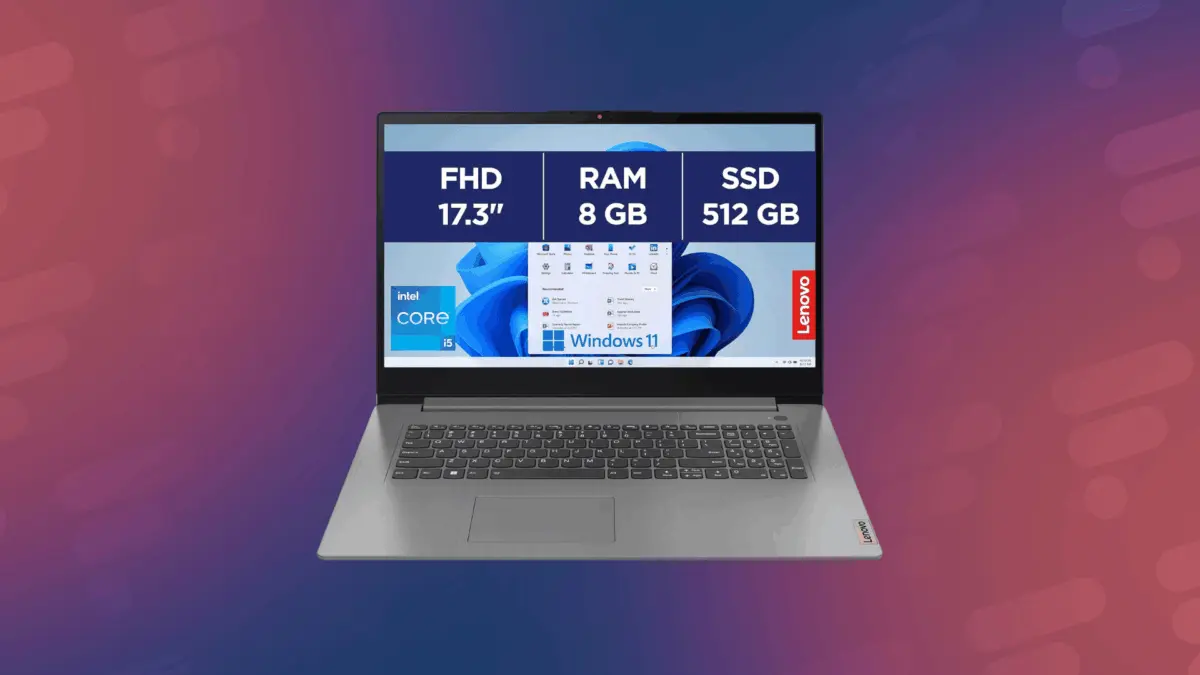
The Lenovo IdeaPad 3 17IRU7, a versatile laptop designed for daily tasks and productivity, is currently available on Amazon for less than 600 euros, representing a significant price reduction from its original retail cost. This compelling offer positions the 17-inch Full HD laptop as a formidable option for students, professionals, and home users seeking a capable machine without breaking the bank. With a slender profile of less than two centimeters thick and a large display, the IdeaPad 3 17IRU7 aims to blend portability with an expansive visual workspace, making it an attractive prospect in the highly competitive budget laptop segment.
Unpacking the Lenovo IdeaPad 3 17IRU7: Design and Core Specifications
At its core, the Lenovo IdeaPad 3 17IRU7 is engineered for efficiency and everyday computing. Despite housing a generous 17.3-inch display, its design prioritizes a degree of portability, boasting a thickness of just 1.99 cm (approximately 0.78 inches). While its 2.1 kg (4.63 lbs) weight might not classify it as an ultrabook, it remains a manageable size for occasional transport in a backpack, especially considering the large screen real estate it offers. This balance between screen size and relative slimness is a key selling point, catering to users who value an expansive viewing experience but still require the flexibility to move their workstation. The aesthetic is typically understated and functional, characteristic of Lenovo’s IdeaPad series, focusing on practical utility over flashy design elements.
Under the hood, the IdeaPad 3 17IRU7 is powered by an Intel Core i5 processor, complemented by 8 GB of RAM. This configuration is widely regarded as the sweet spot for mainstream computing, providing ample power for a vast array of daily tasks. The Intel Core i5, depending on its specific generation, typically offers a balance of performance and energy efficiency, capable of handling demanding office applications, extensive web browsing with multiple tabs, streaming high-definition content, and even light creative tasks such as photo editing or basic video compilation. The 8 GB of RAM is crucial for smooth multitasking, ensuring that users can switch between applications, run complex spreadsheets, and manage numerous browser windows without experiencing significant slowdowns. This combination ensures a responsive and fluid user experience for the target demographic.
Storage is handled by a 512 GB Solid State Drive (SSD). The inclusion of an SSD is a major advantage over traditional Hard Disk Drives (HDDs), offering dramatically faster boot times, quicker application loading, and overall snappier system responsiveness. A 512 GB capacity provides ample space for the operating system, essential software, and a substantial collection of documents, photos, and multimedia files. For users who require even more storage, the IdeaPad 3 17IRU7 comes equipped with a versatile array of connectivity options, which include two USB-A ports, one USB-C port, an SD card reader, and an HDMI output. This comprehensive port selection allows users to easily connect external hard drives, peripherals like mice and keyboards, and external monitors, effectively transforming the laptop into a more complete desktop setup when needed. The presence of an SD card reader is particularly convenient for photographers or those who frequently transfer files from cameras or other devices.
The Visual Experience: A 17.3-inch Full HD Display for Enhanced Productivity
One of the most prominent features of the Lenovo IdeaPad 3 17IRU7 is its large 17.3-inch IPS display, which boasts a Full HD (1920×1080) resolution. A screen of this size is a significant advantage for productivity-oriented tasks, allowing users to comfortably view large spreadsheets, work on multiple documents side-by-side, or enjoy an immersive experience while watching movies or engaging in video calls. The Full HD resolution ensures sharp text and detailed images, making for a pleasant visual experience during extended use. The IPS (In-Plane Switching) panel technology further enhances this experience by providing wide viewing angles and generally better color reproduction compared to older TN (Twisted Nematic) panels, which is beneficial for collaborative work or sharing content with others.
Furthermore, the display features an anti-glare coating, a practical addition that helps to minimize reflections from ambient light sources, thus reducing eye strain and improving visibility in various indoor environments. However, a notable characteristic of this display is its brightness, which is capped at 300 nits. While 300 nits is perfectly adequate for typical indoor office or home environments with controlled lighting, it falls short when attempting to work in brightly lit rooms bathed in direct sunlight or, more significantly, in outdoor settings. In such conditions, the screen might appear dim and washed out, impacting usability. This specification underscores the laptop’s primary design intent as an indoor productivity machine rather than one optimized for bright, outdoor usage scenarios.
Amazon’s Strategic Pricing: A €250 Reduction
The current offer from Amazon, slashing the price of the Lenovo IdeaPad 3 17IRU7 from an original €849.99 to a more accessible €599.99, represents a substantial discount of €250. This aggressive pricing strategy is a common tactic employed by major online retailers like Amazon to stimulate sales, clear inventory, and gain market share, especially during competitive shopping seasons or promotional events. For consumers, such a significant price drop makes a capable 17-inch laptop, typically found in a higher price bracket, available at a budget-friendly cost, fundamentally altering its value proposition.
This particular discount places the IdeaPad 3 17IRU7 firmly in the sub-€600 category, a highly contested segment where consumers often have to compromise on features or performance. At this price point, the laptop’s combination of an Intel Core i5 processor, 8 GB RAM, 512 GB SSD, and a large Full HD display becomes exceptionally attractive. It caters directly to individuals and families who require a reliable computer for school, work, or entertainment but are operating within a strict budget. The timing of such offers can also reflect broader market trends, such as the increasing demand for remote work and learning solutions, where affordability and functionality are paramount.
Market Context and Target Audience
The market for laptops priced under €1,000, and particularly under €700, remains robust and highly competitive. This segment primarily targets students, home users, small business owners, and entry-level professionals who need a dependable machine for daily computing tasks. The Lenovo IdeaPad 3 17IRU7, with its current pricing, is perfectly positioned to capture a significant portion of this demographic. Students require laptops for research, writing papers, online classes, and multimedia consumption. Home users look for devices for browsing, email, online shopping, and entertainment. Professionals in various fields, especially those who work remotely or have basic computing needs, benefit from a large screen for improved ergonomics and productivity without the premium cost of business-grade ultrabooks.
Lenovo, as a global leader in PC manufacturing, consistently offers a wide range of products across different price points. The IdeaPad series, in particular, is known for delivering solid performance and features at accessible prices. This specific model further reinforces Lenovo’s commitment to providing value, making technology more attainable for a broader audience. The availability of such deals on platforms like Amazon also democratizes access to technology, allowing consumers to acquire devices that might otherwise be beyond their financial reach at full retail price.
A Comparative Analysis: Lenovo IdeaPad 3 vs. the "MacBook Neo"
The original article provocatively suggests a comparison between the Lenovo IdeaPad 3 17IRU7 and the "MacBook Neo," a hypothetical high-end competitor. While the MacBook Neo, as described, embodies the premium segment, juxtaposing it with the IdeaPad 3 highlights key differentiators and helps consumers understand where each machine excels.
Performance and Processor Architecture: On the surface, the article posits similar performance for general tasks. While an Intel Core i5 in the IdeaPad 3 is a capable processor, a modern MacBook (like the "MacBook Neo") would likely feature Apple’s proprietary Silicon (e.g., M-series chips). These chips are renowned for their exceptional power efficiency and robust performance, particularly in tasks optimized for their architecture. Therefore, while both might handle everyday office tasks well, the MacBook Neo would likely offer a significant edge in more demanding creative applications, sustained performance, and overall system responsiveness due to its optimized hardware and software integration. However, for the typical user, the IdeaPad 3’s i5/8GB RAM configuration remains perfectly adequate.
Display Dynamics: Size vs. Quality: Here, the two laptops diverge significantly. The IdeaPad 3 boasts a larger 17.3-inch display, offering a more expansive workspace, which is ideal for multitasking, data analysis, or simply enjoying media on a bigger canvas. In contrast, the "MacBook Neo" features a more compact 13-inch screen. While smaller, the MacBook’s display is characterized by superior brightness (500 nits compared to the IdeaPad’s 300 nits) and presumably higher pixel density and color accuracy, delivering a more vibrant and detailed visual experience. The choice between these two largely depends on user preference: those prioritizing maximum screen real estate and immersion might lean towards the IdeaPad, while those valuing peak display quality, brightness, and compactness would prefer the MacBook.
Connectivity: A Clear Advantage for Lenovo: One area where the IdeaPad 3 undeniably outshines the "MacBook Neo" (and most real-world MacBooks) is connectivity. The Lenovo laptop offers a comprehensive suite of ports, including multiple USB-A, USB-C, an SD card reader, and HDMI. This robust selection allows users to connect a wide range of peripherals, external storage devices, and external displays without the need for adapters or dongles. MacBook models, conversely, are typically known for their minimalist port selection, often relying solely on a few USB-C/Thunderbolt ports. While this offers sleekness, it can be a significant inconvenience for users who regularly connect multiple legacy devices, external monitors, or require an SD card slot. For many professionals and students, the IdeaPad’s superior connectivity offers practical benefits that enhance workflow.
Battery Life: The Most Striking Disparity: The most significant differentiating factor highlighted in the comparison is battery life. Lenovo states the IdeaPad 3 17IRU7 offers "barely five hours" (specifically, 4.8 hours in the MobileMark 2018 test), while the "MacBook Neo" promises up to 11 hours of web browsing. This nearly twofold difference is critical for users who need to work or study on the go without constant access to a power outlet. A battery life of under five hours means that for a typical workday or school day, carrying the charger is not an option but a necessity. This somewhat undermines the IdeaPad 3’s otherwise commendable slimness for a 17-inch laptop. While Lenovo attempts to mitigate this with a rapid charging feature that can replenish 80% of the battery in an hour, it doesn’t compensate for the fundamental limitation in untethered usage time. The "MacBook Neo’s" superior battery life, combined with its lighter weight (1.23 kg vs. 2.1 kg), makes it the undisputed champion for true portability and all-day mobile use.
Price Point and Overall Value: When considering the price, the comparison shifts dramatically. The IdeaPad 3 17IRU7, especially at its discounted price of €599.99, offers immense value. While it may have trade-offs in battery life and peak display quality compared to a hypothetical premium device like the "MacBook Neo," its affordability makes these compromises more acceptable for budget-conscious consumers. The MacBook Neo, by inference, would likely command a significantly higher price, making the IdeaPad 3 an appealing alternative for those prioritizing cost-effectiveness and a large screen for productivity.
Broader Market Implications and Consumer Choices
The availability of powerful yet affordable laptops like the discounted Lenovo IdeaPad 3 17IRU7 has significant implications for the broader technology market. It underscores a trend where core computing capabilities, once exclusive to higher-priced machines, are becoming increasingly accessible. This phenomenon empowers a wider demographic to engage with digital tools for education, work, and personal enrichment.
For consumers, such deals simplify the decision-making process by offering clear value propositions. While the IdeaPad 3 17IRU7 might not boast the cutting-edge features or premium battery life of top-tier devices, its current price point, combined with its robust performance for daily tasks and a large, comfortable display, makes it an intelligent purchase for its intended audience. It highlights that the "best" laptop isn’t always the most expensive or feature-rich, but rather the one that best meets an individual’s specific needs and budget constraints.
Ultimately, the Lenovo IdeaPad 3 17IRU7, especially with Amazon’s substantial discount, stands out as a compelling option in the sub-€600 laptop category. It skillfully balances a large Full HD display, capable Intel Core i5 processing, ample SSD storage, and comprehensive connectivity within a relatively slim chassis. While its battery life requires users to remain mindful of power sources, and its screen brightness is best suited for indoor environments, these trade-offs are significantly softened by its exceptional value. For students and professionals seeking a reliable, large-screen productivity machine without a premium price tag, the IdeaPad 3 17IRU7 presents an opportunity that is difficult to overlook.