George Chandra Eka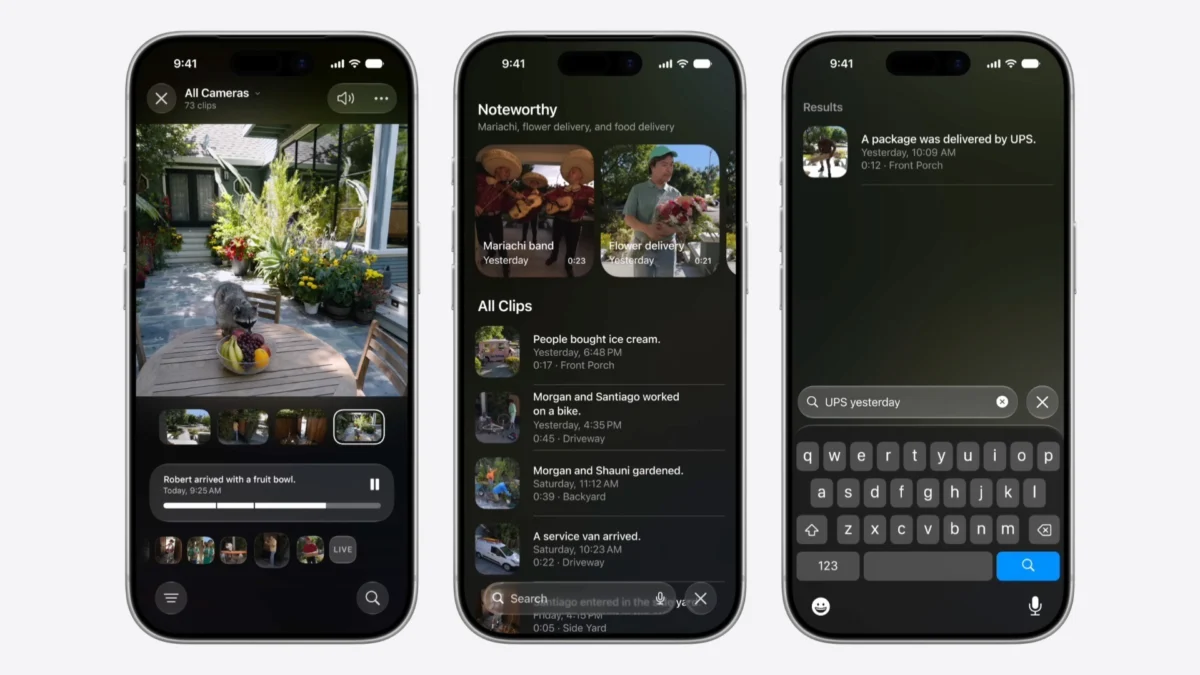
Apple is poised to significantly elevate its smart home ecosystem with the introduction of substantial artificial intelligence (AI) upgrades and other key refinements to the Home app and HomeKit, slated for release with iOS 27. While the broader iOS 27 update primarily focuses on integrating sophisticated Siri AI capabilities and general system improvements, the advancements for HomeKit accessories users are particularly noteworthy. These enhancements, deeply woven into the fabric of Apple Intelligence, promise a more intuitive, secure, and responsive smart home experience, setting a new benchmark for connected living.
Central to these innovations is the deeper integration of Apple Intelligence within the Home app, designed to deliver smarter, more actionable notifications and transform how users interact with their security camera footage. Furthermore, a long-awaited upgrade to 4K support for security camera recordings dramatically boosts visual clarity. Individually, these features might appear incremental, but collectively, they represent a significant leap forward, profoundly enhancing the utility and reliability of the HomeKit ecosystem for millions of users worldwide. This strategic move underscores Apple’s commitment to fortifying its position in the increasingly competitive smart home market, promising both immediate user benefits and laying groundwork for future hardware innovations.
The Dawn of Smarter Notifications: Apple Intelligence Elevates Home Security
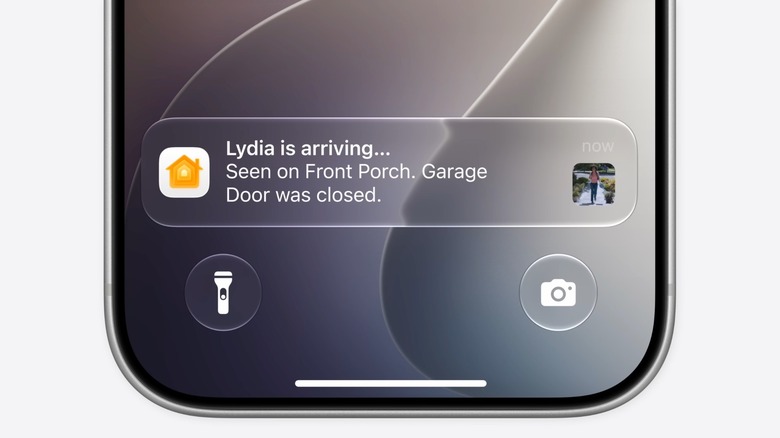
Perhaps the most impactful evolution in HomeKit this year is the profound integration with Apple Intelligence. Historically, HomeKit’s utilization of AI features has been somewhat limited, but iOS 27 marks a definitive shift. The Home app will now leverage advanced AI algorithms to intelligently summarize critical notifications, effectively cutting through the noise that often plagues multi-device smart homes. Imagine a scenario where, instead of being inundated with a flurry of individual alerts from various cameras and sensors, you receive a concise, prioritized summary: "Person detected at front door at 2:15 PM," or "Smoke alarm triggered in the kitchen at 8:00 AM."
This capability is particularly transformative for users managing multiple security cameras and smart doorbells across their property. In large homes or those with extensive surveillance setups, the lock screen can quickly become cluttered with a continuous stream of Home app notifications, making it challenging to discern truly urgent events from routine occurrences. Apple Intelligence addresses this head-on by processing these raw alerts, identifying patterns, and presenting only the most relevant information. This not only reduces notification fatigue but also ensures that users can swiftly identify and respond to genuine security concerns without distraction. The AI’s ability to discern between a delivery driver, a family member, or an unfamiliar face, for instance, based on learned patterns and user-defined preferences, will significantly enhance both convenience and security. This intelligent filtering and summarization represent a crucial step towards a truly proactive and user-centric smart home system.
Revolutionizing Home Security Cameras: Clarity, Context, and Control
Beyond smarter notifications, Apple Intelligence is poised to revolutionize the functionality of HomeKit-enabled security cameras. A significant enhancement comes in the form of improved object detection. Cameras can now utilize AI to more accurately identify and differentiate between faces, specific individuals (if recognized from your Photos library), pets, and other objects. This granular detection capability allows for more precise alerts and tailored automations. For example, a user could configure their system to only send notifications for unknown faces or to trigger specific actions when a pet is detected in a restricted area.
Adding another layer of sophistication, the Home app will now be able to combine footage from multiple cameras to provide a cohesive, chronological narrative of an event. If an individual is observed moving from the front yard, through the living room, and into the kitchen, the app will seamlessly stitch together a sequence of video clips from each corresponding camera. This multi-angle event sequencing offers an unparalleled level of situational awareness, eliminating the need for users to manually jump between different camera feeds to piece together an incident. This feature is invaluable for understanding the complete trajectory of an event, whether it’s tracking an intruder or simply observing a child moving through the house.
Further streamlining the review process, videos captured by security cameras will now come with short, AI-generated descriptions. Instead of spending minutes sifting through raw footage, users can quickly glance at a textual summary to ascertain the core details of what transpired, saving valuable time. For instance, a description might read: "Delivery driver left package at front door" or "Unidentified person entered backyard at 10:30 PM." This intelligent summarization is complemented by a robust new search functionality, allowing users to easily locate specific events within their camera archives based on keywords or timestamps. Looking for "dog in garden last Tuesday" or "delivery on Thursday afternoon" will now yield precise results, transforming passive video archives into actively searchable databases.
Crucially, these advanced features are underpinned by a significant hardware capability upgrade: security camera videos will now be recorded in stunning 4K resolution. This dramatic improvement in video quality provides unparalleled clarity and detail, making it far easier to identify individuals, read license plates, or discern subtle details in recorded footage. For forensic purposes or simply for greater peace of mind, the leap to 4K recording ensures that HomeKit security systems are among the most capable on the market. These AI-driven camera enhancements, combined with the higher resolution, represent a comprehensive upgrade to HomeKit’s security offerings, transforming passive surveillance into an intelligent, proactive, and incredibly detailed monitoring system.
Ecosystem Enhancements: Beyond Security
While the AI and security camera upgrades grab headlines, iOS 27 also brings welcomed quality-of-life improvements to the broader HomeKit ecosystem. One notable convenience for Apple TV owners is the newfound ability for the Home app to update the software on all their Apple TVs simultaneously. This centralized control streamlines device management, eliminating the tedious process of updating each device individually. For households with multiple Apple TVs, this feature translates into significant time savings and ensures that all media hubs are running the latest, most secure software versions.
Moreover, Apple has explicitly stated that the overall reliability and performance of the Home app have been significantly improved. In the world of smart home technology, where seamless operation and responsiveness are paramount, such enhancements are always appreciated. Users can expect quicker response times for commands, more stable connections to accessories, and a generally smoother experience when interacting with their connected devices. This focus on foundational stability is crucial for fostering user trust and ensuring that HomeKit remains a dependable platform for managing critical home functions.
In the broader context of smart home interoperability, while not explicitly detailed in the immediate release, these updates also subtly reinforce Apple’s commitment to standards like Matter. As the smart home landscape continues to evolve towards greater compatibility, HomeKit’s robust platform, now enhanced with AI, positions it well to integrate seamlessly with a wider array of devices, solidifying its role as a central hub for the connected home. The cumulative effect of these improvements, both major and minor, is a Home app that is not just smarter and more secure, but also more reliable and user-friendly, setting a high bar for competitor platforms.
Anticipating Tomorrow: Apple’s Expanding Smart Home Hardware Vision
Beyond the immediate software updates, the smart home narrative surrounding Apple is further enriched by persistent rumors of new hardware, signaling an even more aggressive push into the connected living space. While not officially announced, internal code leaks, which have historically proven reliable indicators of Apple’s future product pipeline, strongly suggest several new home accessories are under development.
Foremost among these rumored devices is a new product tentatively dubbed the "HomePad." This device is speculated to represent Apple’s innovative fusion of the HomePod’s audio capabilities and smart assistant features with the visual interface and versatility of an iPad. Essentially, it would be Apple’s answer to smart displays like the Amazon Echo Show or Google Nest Hub Max, offering a screen-based interactive experience for smart home control, video calls, media consumption, and more. Leaked code indicates that this HomePad could feature its own "Faces" gallery, reminiscent of the customizable watch faces on the Apple Watch, suggesting a highly personalized and visually engaging user experience. The introduction of a HomePad would allow Apple to tap into a growing market segment, providing a dedicated, always-on interface for smart home management that integrates deeply with the Apple ecosystem, including Apple Intelligence features for visual recognition and contextual information display. This move would position Apple to offer a more comprehensive smart home control center, moving beyond voice-only interaction.
Alongside the HomePad, a new generation of the HomePod mini is also anticipated. Given the success of the current HomePod mini as an affordable entry point into Apple’s smart speaker ecosystem, an updated version would likely bring performance enhancements, improved audio fidelity, and potentially new sensors or connectivity options, further solidifying its role as a ubiquitous smart assistant and Matter hub throughout the home.
Looking further into Apple’s long-term research and development, there have been whispers of a "tabletop robot." While this concept sounds intriguing and futuristic, it is understood to be a much longer-term project, unlikely to see the light of day anytime soon. Such a device could potentially offer advanced home monitoring, mobile assistance, and interactive capabilities, representing Apple’s vision for a more dynamic and interactive smart home assistant.
These potential hardware releases, particularly the HomePad, underscore Apple’s strategic intent to deepen its footprint in the smart home market. By offering dedicated hardware that tightly integrates with iOS, HomeKit, and the new Apple Intelligence framework, the company aims to create a more cohesive and compelling smart home ecosystem. This expansion would position Apple to compete more directly and comprehensively with established players like Amazon and Google, who have long dominated the smart display and smart speaker segments. The combination of powerful new software features in iOS 27 and these rumored hardware innovations paints a picture of a robust and ambitious future for Apple in the connected home.
Availability and Early Access: Navigating iOS 27’s Release Cycle
The array of advanced features for the Home app and HomeKit discussed are integral components of the upcoming iOS 27 operating system. For those eager to experience these innovations firsthand and provide feedback, Apple typically offers an early access route through its Apple Beta Program. This program allows registered users to download and install pre-release versions of iOS on their devices. Participating in the beta program provides a unique opportunity to test the latest features, including the AI-powered notifications, 4K camera support, and enhanced reliability, well before the official public release.
However, it is crucial for prospective beta testers to proceed with caution. Beta software, by its very nature, is still under development and can be unstable. Users may encounter bugs, performance issues, or even data loss. For this reason, Apple and tech experts strongly advise against installing beta versions on primary devices. Instead, it is highly recommended to install beta software only on a spare device, if available, to mitigate potential disruptions to daily usage. This precautionary measure ensures that users can explore the new features without compromising the stability and functionality of their essential communication tools.
While Apple has yet to announce the exact public release date for iOS 27, historical patterns suggest that major iOS updates typically launch in the fall, following their initial unveiling at the Worldwide Developers Conference (WWDC) in June. This timeline provides developers and beta testers several months to iron out kinks and refine the software before its widespread rollout to millions of iPhone users globally. The phased release, starting with developer betas, then public betas, and finally the general release, is a standard practice designed to ensure a stable and polished final product. Therefore, while the excitement for these HomeKit advancements is palpable, patience and prudence are key for those looking to engage with the early access program.
The Broader Impact: Apple’s Stride in the Smart Home Arena
The comprehensive enhancements to the Home app and HomeKit in iOS 27, driven by Apple Intelligence, signify a pivotal moment for Apple’s smart home strategy. These updates are not merely incremental improvements; they represent a fundamental shift towards a more intelligent, proactive, and secure connected living experience, with profound implications for users, developers, and the competitive landscape.
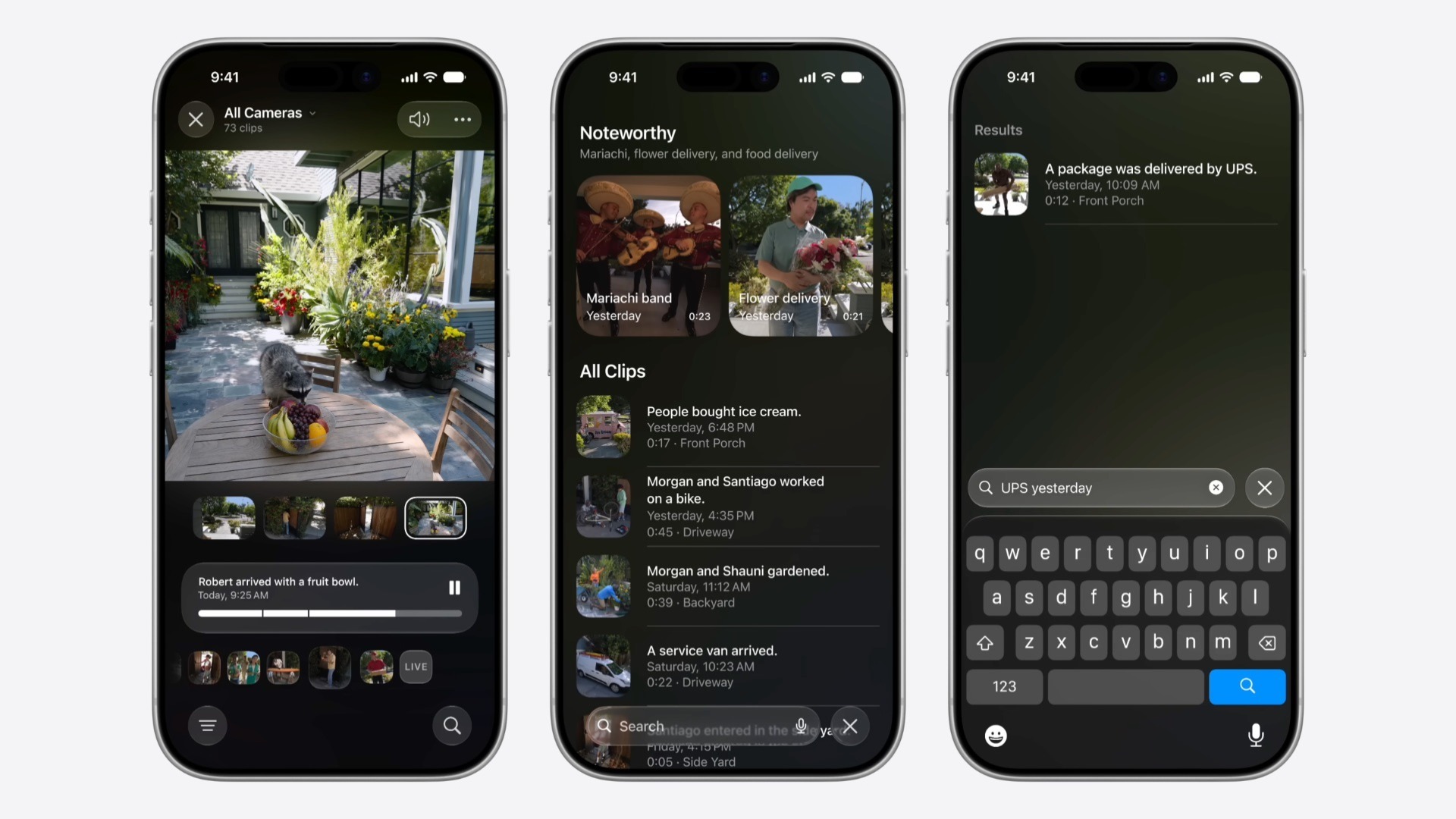
For users, the impact is immediately tangible. The reduction in notification fatigue through AI-summarized alerts, the heightened clarity and context provided by 4K multi-camera footage, and the overall boost in system reliability translate directly into enhanced convenience and, more importantly, increased peace of mind. Knowing that your home is intelligently monitoring itself, providing concise updates, and allowing for granular control over security events, significantly elevates the smart home’s value proposition. This focus on user experience and practical utility is characteristic of Apple and will likely foster greater adoption and deeper integration of HomeKit into daily routines.
In the competitive smart home arena, these updates strategically position Apple to contend more vigorously with established players like Amazon and Google. While Amazon’s Alexa and Google’s Assistant have long offered robust AI capabilities and extensive device ecosystems, Apple’s distinct approach, particularly its emphasis on on-device processing for Apple Intelligence, offers a compelling differentiator rooted in privacy. By executing much of the AI analysis locally on the device, Apple can promise enhanced data security and privacy, a growing concern for consumers entrusting their homes to smart technology. This privacy-centric AI, combined with the tightly integrated Apple ecosystem, presents a formidable challenge to competitors and could attract a segment of users prioritizing data protection.
For developers, these new capabilities open up a wealth of opportunities. The advanced AI detection and contextual awareness of HomeKit will enable the creation of more sophisticated accessories and automations. Imagine accessories that can respond more intelligently to specific individuals or pets, or integrate seamlessly with the Home app’s new video analysis tools. This expansion of the HomeKit framework encourages innovation and could lead to a new wave of smart home devices that truly leverage the power of Apple Intelligence.
Ultimately, iOS 27’s Home app and HomeKit upgrades underscore Apple’s unwavering commitment to building a smart home ecosystem that is not only technologically advanced but also intuitive, secure, and deeply integrated into the user’s digital life. By blending cutting-edge AI with practical user benefits and a strong privacy stance, Apple is poised to redefine expectations for the connected home, charting a course towards a future where smart homes are truly intelligent, proactive, and seamlessly responsive to the needs of their inhabitants.