Vera Intan Clara
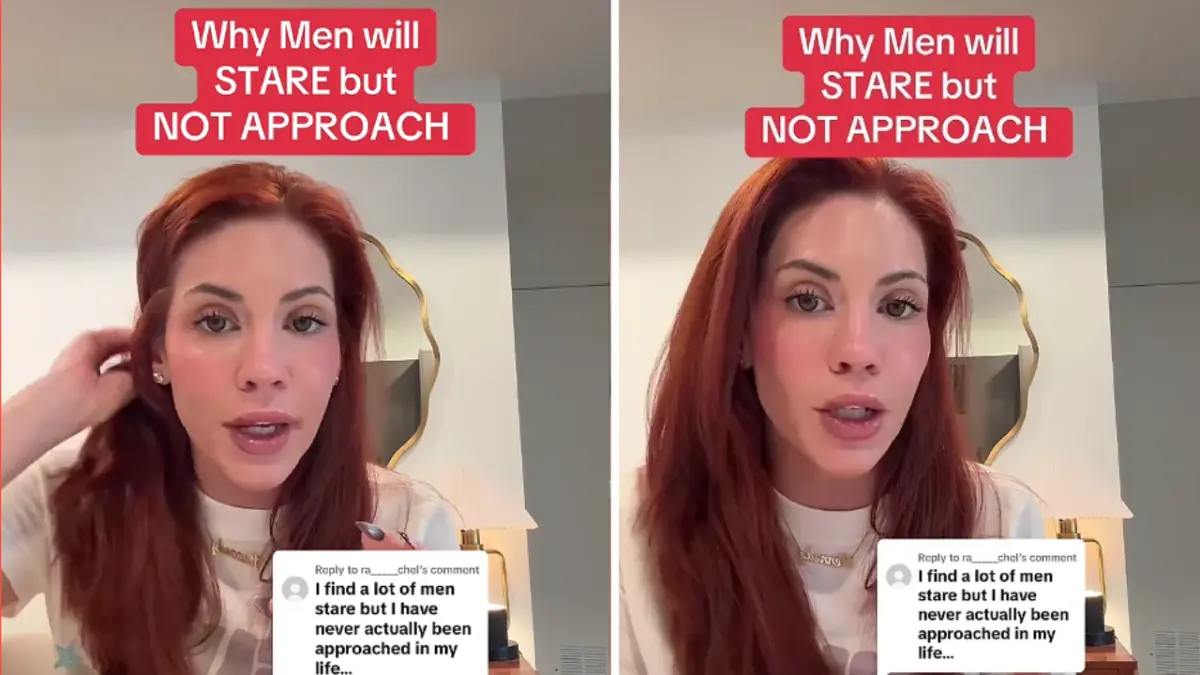
A video posted by TikTok content creator @ingridexplainsitall has garnered significant attention, amassing 2.1 million views and over 1,400 comments, for its provocative theory on why men may be less inclined to approach women in contemporary dating scenarios, even when exhibiting clear signs of interest through observation. Ingrid’s widely discussed hypothesis posits that men categorize women into one of two distinct groups based primarily on their outward appearance, a classification she argues is the determining factor between a casual glance and a direct approach. This theory has resonated deeply within the online community, particularly among women seeking explanations for observed dating behaviors.
The Dichotomy of Attraction: "For the Night" Versus "For Forever"
Ingrid commenced her viral explanation by delineating two fundamental types of women that men purportedly find attractive, asserting that the underlying motivations for this interest differ drastically. "There are two types of women that men will like: I like you for the night, or I like you for forever," she stated in her video, laying the groundwork for her subsequent analysis. This initial categorization immediately frames the discussion around intent – whether a man’s interest is fleeting and transactional or geared towards a long-term, committed relationship.
Contrary to conventional wisdom, which often equates frequent approaches with universal desirability, Ingrid suggested that being routinely approached by numerous men might not always signify a positive outcome. She elaborated on the first category of women, whom she believes men perceive as "for the night," explaining why these individuals often experience a higher frequency of approaches.
The "For the Night" Aesthetic: Perceptions of Accessibility
Ingrid’s theory posits that women falling into the "for the night" category are frequently approached due to an aesthetic or "look" that, in her view, can implicitly communicate a sense of "ease" or immediate accessibility. She contended that a woman’s appearance and overall demeanor can subtly, or overtly, influence whether a man interprets her as someone amenable to "a fun time for the night" rather than a prospective lifelong partner.
Expanding on this point, Ingrid encouraged women to dress in ways that align with their personal comfort and style, yet simultaneously urged an awareness of the potential messages their attire might convey to others. According to her, a more revealing aesthetic could inadvertently lead to more frequent approaches from men who perceive such individuals as readily available. She articulated this bluntly, stating, "Of course they’re gonna approach that person… They look like easy pickings." This aspect of her theory taps into long-standing societal discussions about modesty, female presentation, and the often-unintended interpretations of clothing choices in dating contexts.
Sociological research on non-verbal communication and first impressions often underscores the powerful role of visual cues in social interactions. While individual interpretations vary widely, certain aesthetics can, rightly or wrongly, trigger preconceived notions about an individual’s personality, intentions, or openness to different types of engagement. This aligns with Ingrid’s observation that visual presentation plays a significant role in initial male approaches, irrespective of the woman’s actual personality or relationship goals.
The "Wife Material" Paradox: Deterrents to Approach
Shifting her focus, Ingrid then described the second category of women, characterized by a less revealing aesthetic, whom she believes men consider more seriously for long-term relationships. While this might seem inherently positive, she argued that it is precisely why these women might experience fewer direct approaches. She outlined several key reasons for this perceived hesitancy among men.
The primary deterrent, according to Ingrid, is the perception of being "expensive." She stated, "Number one: You look expensive. Men will not approach women that they feel they cannot financially support or at least get through the dating period on." This point introduces a significant socio-economic dimension to modern dating. In a cultural landscape where traditional gender roles, including that of the male as a primary financial provider, continue to exert influence, even as women achieve greater economic independence, the perceived financial burden of dating can be a genuine concern for some men. This observation resonates with broader economic trends, where rising living costs and the pressure to maintain a certain lifestyle can impact dating choices and confidence. Ingrid was quick to add that, in such instances, a man’s decision not to approach might inadvertently serve the woman’s best interests, filtering out individuals unwilling or unable to meet perceived relationship expectations.
The second reason she cited for men’s reluctance to approach "wife material" women is a deep-seated fear of rejection, stemming from the high stakes involved. Ingrid contended that a woman who presents herself with class, carries herself respectfully, and is physically attractive may receive fewer approaches because some men view her as an exceptionally significant "investment," both emotionally and otherwise. This perspective highlights the psychological aspect of dating, where the potential for a serious, long-term commitment elevates the emotional risk associated with initial overtures. The fear of rejection is a common human experience, but when combined with the perceived "value" or "unobtainability" of a potential partner, it can become a powerful inhibitor to action.
Strategic Implications: Filtering for Intent
Despite the perceived drawback of fewer approaches, Ingrid framed this phenomenon as a potentially beneficial mechanism for women. She argued that this natural filtering process helps distinguish men who are primarily seeking casual encounters from those genuinely interested in a serious, committed relationship. When a man does overcome these perceived barriers and approaches a woman deemed "wife material," Ingrid advises that she take the necessary time to thoroughly assess whether his character and intentions align with her own standards and relationship goals. This advice champions a more discerning and intentional approach to dating, empowering women to evaluate potential partners based on substance rather than mere frequency of attention.
This aspect of Ingrid’s theory taps into a growing movement within dating culture that emphasizes intentionality and self-worth. In an era often characterized by casual dating and "situationships," the idea of a natural filter that weeds out incompatible intentions can be seen as a valuable tool for those seeking genuine connection.
Echoes in the Digital Sphere: Public Reception and Validation
The video’s comments section quickly became a forum for shared experiences and validation, predominantly from women who expressed surprise and agreement with Ingrid’s insights. Many commenters revealed that her theory provided a novel explanation for their own dating experiences, particularly the phenomenon of being noticed or "checked out" without being directly approached.
One commenter articulated a common sentiment: "I have baddie aesthetics but never ever get approached in person." This comment highlights the nuanced nature of appearance and approachability, suggesting that even conventionally attractive women might experience the paradox Ingrid describes. Another user shared, "I swear I never get approached but I always feel the eyes. I’ve never understood it," underscoring the widespread confusion that Ingrid’s theory aimed to resolve. These reactions demonstrate the power of social media platforms like TikTok to articulate and validate shared, yet previously unspoken, social observations, fostering a sense of community among those who identify with the content.
The viral spread of such content on TikTok also reflects the platform’s growing role as a venue for discussing complex social issues and personal experiences. Unlike traditional media, TikTok allows for immediate, unfiltered feedback, creating a dynamic feedback loop that can amplify certain narratives and foster collective understanding (or misunderstanding) of social phenomena.
Broader Sociological and Psychological Context
Ingrid’s theory, while rooted in personal observation, resonates with broader sociological and psychological discussions surrounding modern dating. The evolution of gender roles, the rise of dating apps, and shifts in economic realities have all contributed to a complex dating landscape.
From a sociological perspective, the concept of "perceived value" in dating is not new. Sociologists often discuss how individuals signal their social status, financial stability, and long-term potential through various cues, including appearance, profession, and lifestyle. The "expensive" perception Ingrid highlights could be seen as a modern manifestation of status signaling, where a woman’s refined aesthetic implies a certain standard of living or expectation that some men may feel unable to meet.
Psychologically, approach anxiety is a well-documented phenomenon. Men, like women, can experience significant fear of rejection, especially when the perceived stakes are high. Approaching someone deemed "out of their league" or "too good to be true" can trigger intense feelings of inadequacy or fear of embarrassment. This fear can be exacerbated in a culture that still places a significant emphasis on male initiation in dating, potentially leading to a reluctance to engage with women perceived as having higher social or economic standing.
Moreover, the prevalence of "hookup culture" and casual dating in recent decades has altered the landscape of male and female interactions. While some men may be actively seeking casual encounters, others may feel pressured by these norms or, conversely, struggle to navigate a dating environment where intentions are often ambiguous. Ingrid’s theory, therefore, offers one framework through which to understand the varied approaches and hesitations observed in this multifaceted environment.
The discussion also touches upon the ongoing debate about female empowerment and autonomy in self-presentation. While Ingrid encourages women to dress comfortably, her suggestion that certain aesthetics might communicate "ease" or "easy pickings" could be interpreted by some as placing the onus of male behavior on female attire. However, within the context of her theory, it appears to be framed more as an observation of existing, albeit potentially problematic, male perceptions rather than a prescriptive judgment on women’s choices.
Conclusion: A Reflective Lens on Modern Dating
The viral success of @ingridexplainsitall’s video underscores a collective yearning for clarity and understanding in the often-confusing realm of modern dating. Her theory, which categorizes women based on appearance and perceived intentions, has provided a compelling, albeit simplified, framework for many to interpret their own experiences. While the Daily Dot was unable to independently verify the specific opinions shared by Ingrid, which reflect her personal perspective, the widespread agreement and discussion generated by her video highlight its resonance with a significant portion of the online community.
Ultimately, Ingrid’s theory serves as a reflective lens on the complexities of human attraction, gender dynamics, and the often-unspoken cues that govern initial interactions. It prompts a deeper consideration of how societal expectations, economic pressures, psychological fears, and personal presentation all intertwine to shape the landscape of modern romantic pursuits, encouraging both men and women to approach dating with greater self-awareness and intentionality. The conversation ignited by her video demonstrates the ongoing evolution of dating norms and the continuous search for meaning within them.