George Chandra Eka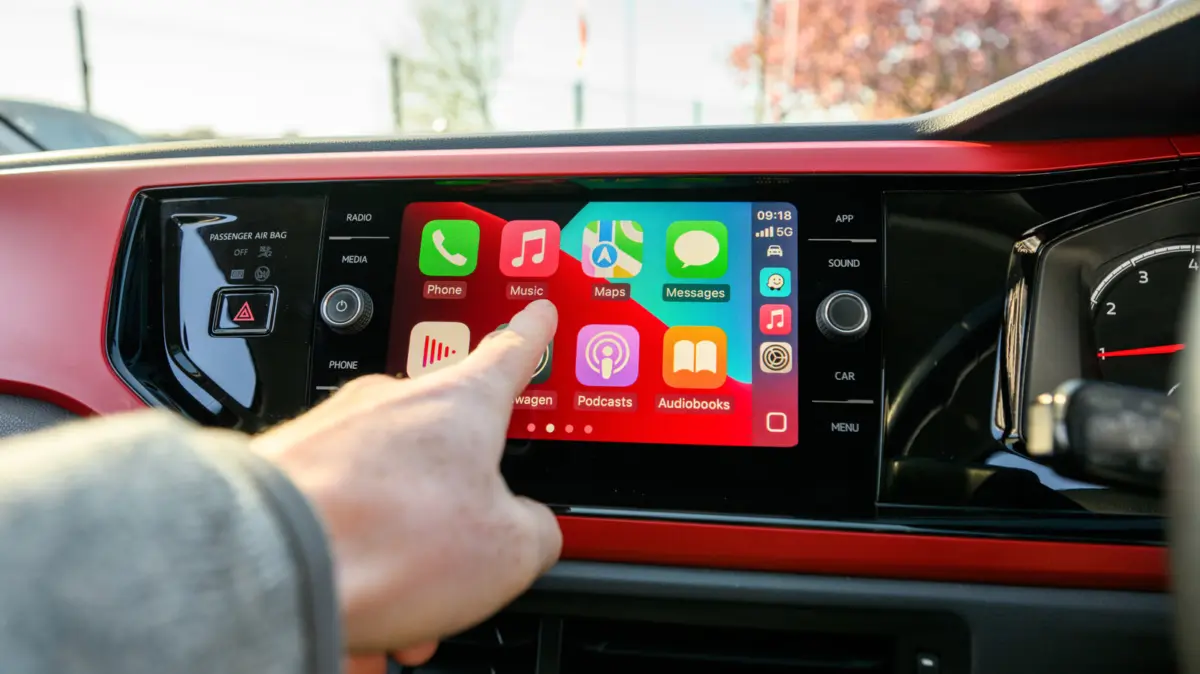
Apple’s latest mobile operating system, iOS 27, introduces a suite of significant enhancements to CarPlay, aiming to transform the in-car infotainment experience with greater functionality, improved reliability, and the integration of advanced artificial intelligence. While these upgrades promise a more intuitive and enjoyable driving companion, their full utilization is contingent upon possessing a relatively recent iPhone model and adhering to specific regional regulations, particularly concerning the advanced Siri AI capabilities. This tiered rollout underscores Apple’s strategy of leveraging its latest hardware innovations to deliver cutting-edge software experiences, even as it maintains broad compatibility for core functionalities across a wider range of devices.
The Evolution of CarPlay: A Decade of Innovation
CarPlay, first introduced by Apple in 2014, marked a pivotal moment in automotive technology, offering a safer and more seamless way for drivers to access essential iPhone features directly through their car’s built-in display. Initially supporting a limited set of applications like Phone, Messages, Maps, and Music, CarPlay quickly gained traction, providing a familiar iOS interface that minimized driver distraction. Over the past decade, Apple has steadily expanded CarPlay’s capabilities, adding support for third-party navigation apps, messaging services, and a broader array of audio streaming platforms. The introduction of wireless CarPlay further streamlined the user experience, eliminating the need for physical cable connections. These incremental updates have solidified CarPlay’s position as a dominant force in the in-car infotainment landscape, with estimates suggesting its adoption in over 80% of new vehicles sold globally. The iOS 27 update represents a continued commitment to this trajectory, pushing the boundaries of what’s possible within the confines of a vehicle dashboard while meticulously balancing innovation with user safety and regulatory compliance.
Core Enhancements in CarPlay with iOS 27
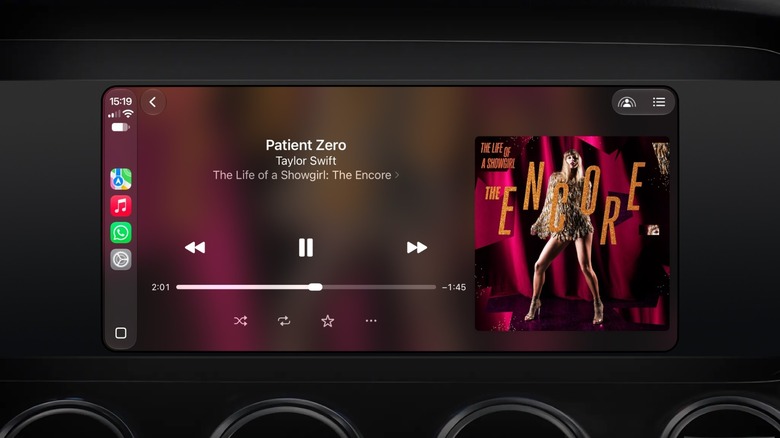
The iOS 27 update brings several tangible improvements designed to make CarPlay more user-friendly and feature-rich. Among the most anticipated is a redesigned Now Playing screen, which finally incorporates a long-requested progress bar. This seemingly minor addition significantly improves media control, allowing users to precisely scrub through songs, podcasts, or audiobooks without needing to pick up their iPhone. Complementing this is a persistent mini-player, displaying album artwork and essential playback controls, ensuring that media management remains easily accessible regardless of the active CarPlay application.
Beyond aesthetic and control refinements, Apple has focused on fundamental performance and reliability improvements. Users can anticipate a more consistent wireless connection, reducing frustrating dropouts or delays often associated with previous iterations. Furthermore, GPS location reporting has been enhanced for greater accuracy, a critical improvement for navigation-dependent applications, ride-sharing services, and precise route planning, especially in urban environments or areas with challenging signal reception. The update also introduces new wallpapers, offering users more options for personalizing their CarPlay interface to match their vehicle’s interior or personal preferences.
Revolutionizing In-Car Entertainment with Video Playback
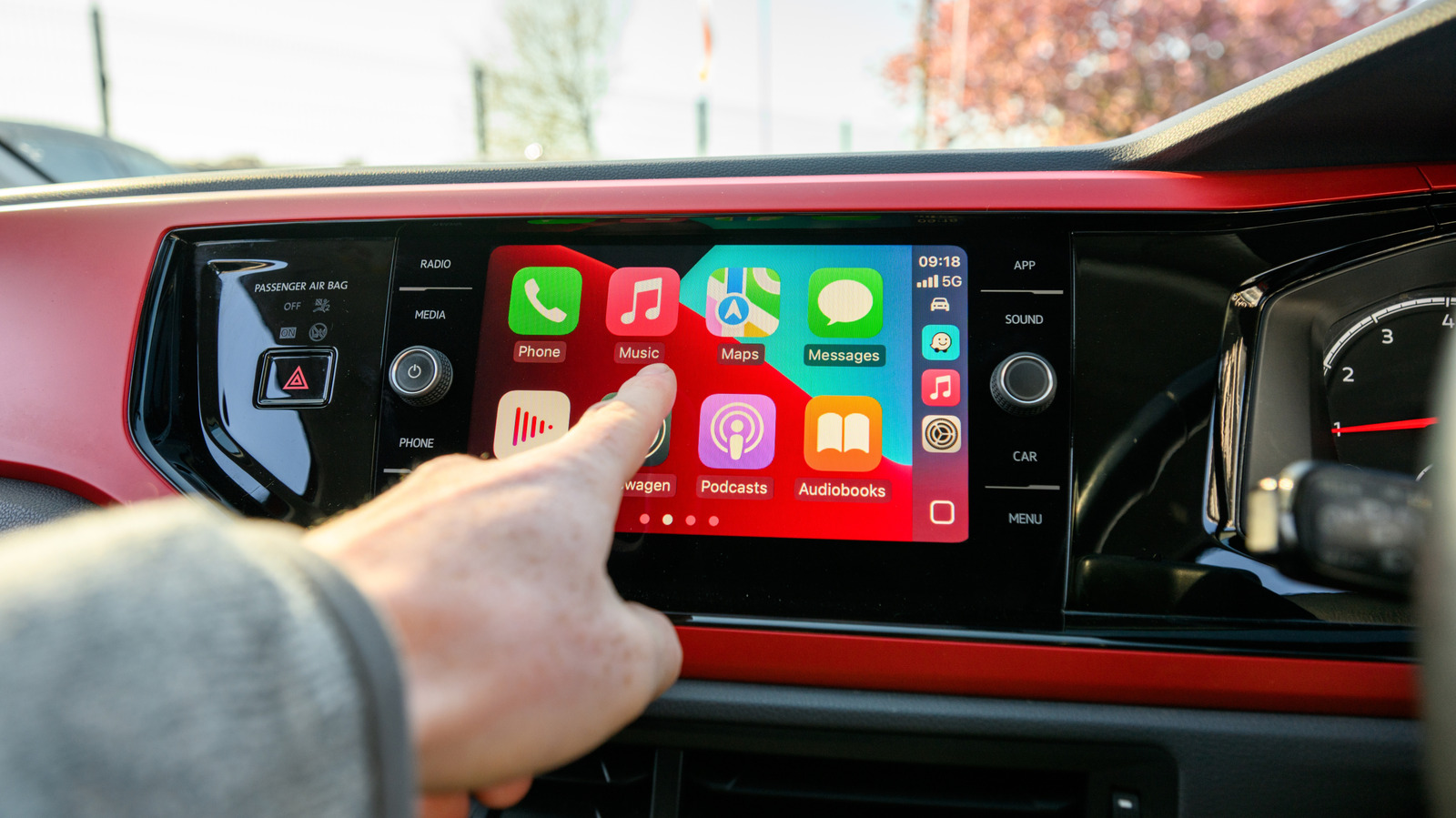
One of the most noteworthy additions to CarPlay with iOS 27 is the long-awaited support for video applications. Historically, CarPlay’s entertainment offerings were restricted to audio-only services, a deliberate safety measure to prevent driver distraction. With iOS 27, this limitation is partially lifted, allowing drivers and passengers to watch videos directly on their vehicle’s display. However, Apple has implemented stringent safety protocols: the video playback feature is strictly enabled only when the vehicle is stationary. Should the car begin to move while a video is playing, the system automatically transitions to audio-only mode, prioritizing road safety above all else. Once the vehicle comes to a complete stop, video playback resumes seamlessly.
This feature opens up new possibilities for in-car entertainment, particularly during extended stops, such as charging electric vehicles, waiting to pick up passengers, or during brief breaks on long journeys. The potential for streaming services like YouTube, Netflix, or Disney+ to integrate into CarPlay could significantly enhance the passenger experience. However, widespread adoption will depend on two critical factors: vehicle manufacturers implementing the necessary hardware and software support within their infotainment systems, and individual app developers updating their applications to comply with CarPlay’s video framework. Early indications suggest a progressive rollout, with premium vehicle brands likely to be among the first to offer this functionality.
Intelligent Navigation and EV Integration
iOS 27’s CarPlay also introduces sophisticated capabilities for navigation applications to share route data directly with the vehicle’s onboard systems. This integration is particularly impactful for electric vehicle (EV) owners. Navigation apps, including Apple Maps and Google Maps, can now communicate critical route information, such as planned EV charging stops, directly to the car. This allows the vehicle to cross-reference arrival times with charging station availability and suggest optimal charging locations along the route, mitigating range anxiety—a significant concern for EV drivers. By seamlessly integrating charging logistics into the navigation experience, Apple aims to make EV ownership more convenient and less stressful. This functionality requires deeper cooperation between Apple, mapping service providers, and automotive manufacturers, highlighting a trend towards more holistic integration between smartphones and vehicle systems.
Siri AI: A Smarter Co-Pilot, But Not for Everyone
The most transformative, yet also the most exclusive, feature arriving in CarPlay with iOS 27 is the integration of Apple’s enhanced Siri AI. This updated virtual assistant represents a significant leap forward from previous iterations, offering more natural language understanding, deeper personal context awareness, and advanced on-device processing capabilities. Within CarPlay, Siri AI can answer general knowledge questions, similar to its functionality on other Apple devices, but its true power lies in its ability to leverage personal data from emails, messages, and calendar entries to provide highly relevant and contextual responses. For instance, a user could ask Siri to "get directions to the restaurant Sarah recommended last week," and Siri AI would intelligently search recent messages or emails to identify the restaurant and initiate navigation. Similarly, complex queries like "find a route to the nearest coffee shop that avoids tolls" can be processed with greater accuracy and flexibility.
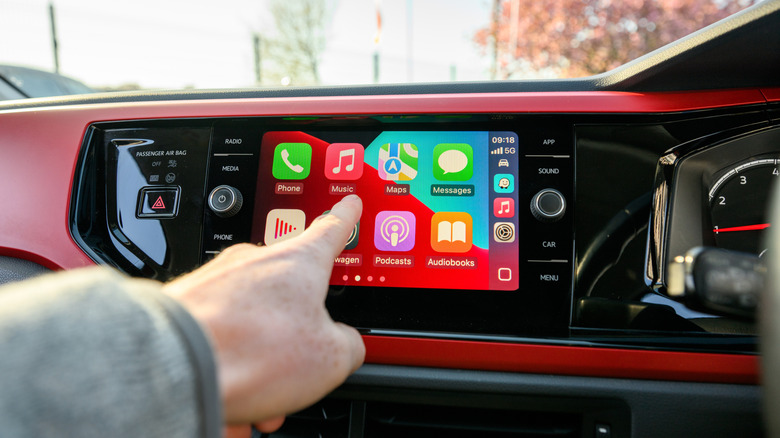
However, the advanced computational demands of Siri AI necessitate specific hardware. To fully utilize Siri AI in CarPlay, users must possess an iPhone 15 Pro, iPhone 16, or any subsequent iPhone model. This restriction stems from the need for Apple’s latest-generation A-series chips, specifically those equipped with significantly upgraded Neural Engines designed for on-device machine learning and artificial intelligence processing. Unlike cloud-based AI, which relies on remote servers, on-device AI offers enhanced privacy, speed, and responsiveness, as data processing occurs locally on the iPhone. Consequently, owners of older, albeit still iOS 27-compatible, iPhones such as the iPhone 14 or even the standard iPhone 15, will not gain access to the new Siri AI features within CarPlay. While they will benefit from other iOS 27 CarPlay improvements like the updated Now Playing screen and new wallpapers, the intelligent co-pilot experience remains exclusive to Apple’s most powerful devices. This strategic decision by Apple effectively creates a premium tier within its ecosystem, driving adoption of its newest flagship models.
Compatibility Matrix and Regional Limitations
Understanding the compatibility requirements for iOS 27’s CarPlay features is crucial for users. The baseline requirement for running iOS 27 itself is an iPhone 11 or a newer model. This means that iPhones released prior to 2019 are unable to install iOS 27 and will therefore miss out on all the new CarPlay functionalities, continuing to operate with their previously supported feature set.
For those with an iPhone 11, 12, 13, 14, or the standard iPhone 15, the iOS 27 update will bring the majority of the new CarPlay features, including the enhanced Now Playing screen, video app support (vehicle manufacturer permitting), improved reliability, route data sharing, and new wallpapers. The key exclusion for these models is the advanced Siri AI functionality.
The full suite of iOS 27 CarPlay features, including the cutting-edge Siri AI, is exclusively available to owners of the iPhone 15 Pro, iPhone 16, and all subsequent Pro and standard models. This hardware-based differentiation highlights the increasing reliance on specialized silicon for advanced AI capabilities.
Beyond hardware, regional regulations also play a significant role in feature availability. Notably, Siri AI is not available in the European Union, even for owners of compatible iPhone models. This restriction is a direct consequence of the EU’s stringent digital market regulations, such as the Digital Markets Act (DMA), which aim to foster fair competition and data privacy. Apple has publicly stated that it is working to comply with these regulations while preserving the privacy and security of its users, suggesting that a future adaptation of Siri AI for the EU market might be possible once regulatory hurdles are addressed. This situation underscores the complex global landscape tech companies navigate, where innovation must often bend to local legal frameworks.
Implications for Users, Apple, and the Automotive Industry
The iOS 27 CarPlay update carries multifaceted implications for various stakeholders. For users, it offers a more advanced, safer, and personalized in-car experience, making long commutes or road trips potentially more enjoyable. However, it also introduces a degree of fragmentation, with users needing to consult compatibility charts to understand which features they will receive. This might prompt some users with slightly older, but still capable, iPhones to consider upgrading sooner than they might have otherwise, a clear win for Apple’s device sales.
For Apple, this update is a strategic move to further entrench its ecosystem within the automotive sector. By offering a premium, AI-powered experience that is deeply integrated with its hardware, Apple strengthens its competitive edge against rival platforms like Android Auto. It also lays the groundwork for Apple’s broader automotive ambitions, potentially paving the way for more comprehensive vehicle integration, as hinted by previous demonstrations of a "next-generation CarPlay" that could take over entire dashboards and vehicle controls. The push for on-device AI also reinforces Apple’s commitment to user privacy, a key differentiator in the tech market.
The automotive industry faces continued pressure to adapt and integrate the latest CarPlay features. While many manufacturers have embraced CarPlay, the video playback feature and advanced route data sharing require specific implementations and partnerships. The prospect of deeper integration with vehicle systems means carmakers must decide whether to fully commit to Apple’s vision or continue developing their proprietary infotainment solutions. Industry analysts, such as those at IDC and Counterpoint Research, predict that the increasing sophistication of platforms like CarPlay will drive closer collaborations between tech giants and traditional automakers, potentially leading to new business models and revenue streams, such as subscription services for in-car apps. The regulatory environment, especially in regions like the EU, will continue to shape how these integrations unfold, adding another layer of complexity for global rollouts.
In conclusion, iOS 27 delivers a compelling suite of enhancements to CarPlay, promising a richer and more intelligent in-car experience. From practical improvements in media control and navigation to the ambitious integration of video playback and advanced Siri AI, Apple is clearly pushing the boundaries of automotive technology. However, the accessibility of these cutting-edge features is not universal, tied closely to the user’s iPhone model and geographical location. As technology continues to advance, the interplay between hardware capabilities, software innovation, and global regulatory landscapes will remain a critical factor in defining the user experience across all connected devices, including our vehicles. Users are advised to check their iPhone model’s compatibility and stay informed about regional availability to fully understand what iOS 27’s CarPlay update means for their driving experience.