Sonny Valindra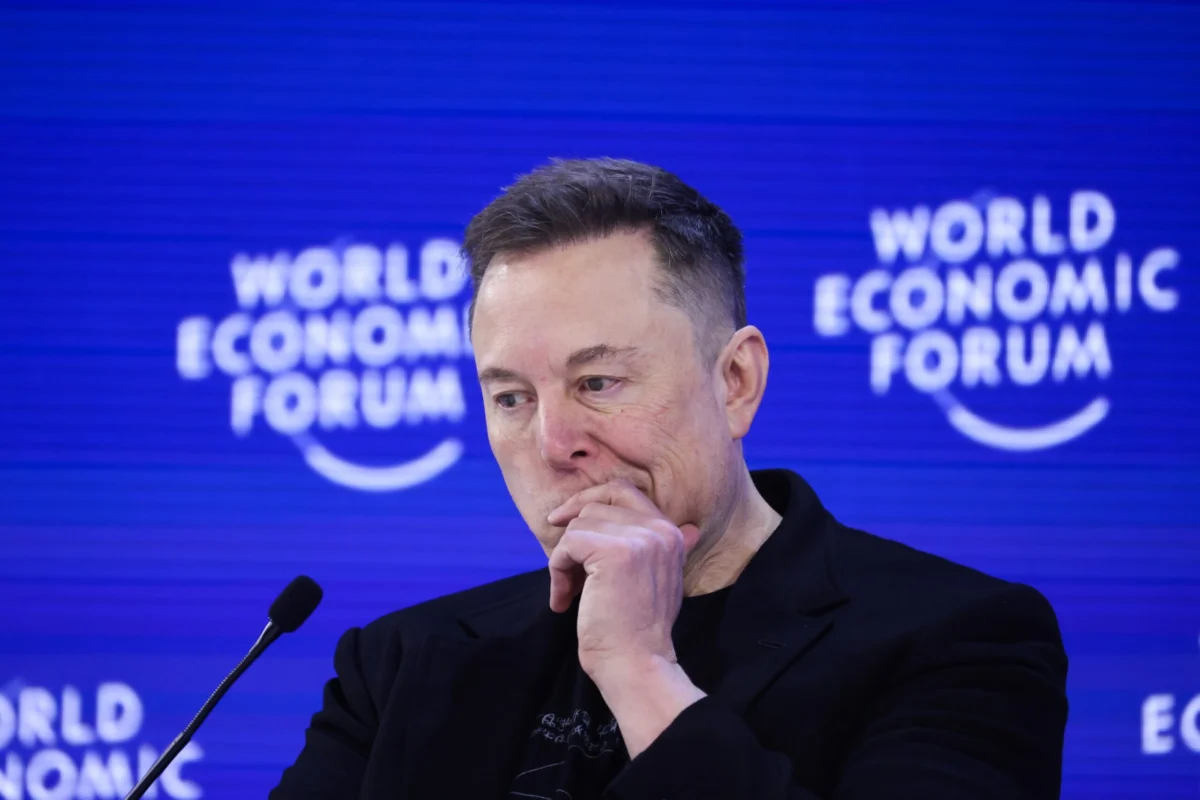
The nascent artificial intelligence venture founded by Elon Musk, xAI, has experienced a near-complete exodus of its founding team, with the last two identified co-founders, Manuel Kroiss and Ross Nordeen, reportedly leaving the company. This development marks a significant upheaval for the ambitious AI startup, which has already undergone substantial structural changes and a high-profile acquisition by Musk’s aerospace giant, SpaceX.
According to a report by Business Insider on Wednesday, March 26, 2026, Manuel Kroiss informed associates of his decision to depart xAI. The outlet subsequently reported that Ross Nordeen’s departure from the company was finalized on Friday, March 21, 2026. These departures leave a void at the top of an organization that was only officially announced in July 2023, and which Musk himself has recently characterized as needing a fundamental rebuild.
A Rapid Succession of Departures
The exodus of Kroiss and Nordeen signifies the end of the original founding cohort at xAI. Earlier in March, it was widely reported that all but two of the eleven individuals initially listed as co-founders had left the company. The departures suggest a period of intense instability and strategic recalibration within xAI, potentially mirroring the tumultuous early days of Musk’s acquisition of Twitter, now rebranded as X.
The timeline of these departures is crucial to understanding the current state of xAI. While the exact dates for the departures of the initial nine co-founders are not publicly available, the confirmation of Kroiss and Nordeen’s exits in late March 2026 paints a picture of a rapidly shifting internal landscape. This rapid turnover raises questions about the company’s long-term vision, its operational stability, and its ability to attract and retain top AI talent under Musk’s leadership.
Rebuilding from the Foundations
Elon Musk himself has acknowledged the challenges facing xAI. In recent statements, he characterized the company’s initial structure as flawed, stating that xAI "was not built right [the] first time around." He further indicated that the organization is now "being rebuilt from the foundations up." This admission, coupled with the significant turnover among its founding members, suggests a deep-seated need for strategic redirection and organizational restructuring.
The context for these internal shifts is further complicated by xAI’s recent integration into the broader Musk corporate ecosystem. In early February 2026, TechCrunch reported that xAI was acquired by Musk’s SpaceX. This merger, which also involves X (formerly Twitter), effectively brings these three entities under a single corporate umbrella. The rationale behind this consolidation, particularly the acquisition of xAI by an aerospace company, remains a subject of considerable discussion within the tech and business communities. Some analysts suggest it is an attempt to leverage AI capabilities for SpaceX’s ambitious space exploration and satellite internet projects, while others view it as a move to consolidate Musk’s AI development efforts under a single, albeit unconventional, corporate structure.
Key Roles and Responsibilities
According to Business Insider, both Kroiss and Nordeen reported directly to Elon Musk, underscoring their senior positions within the organization. Kroiss was reportedly at the helm of xAI’s pretraining team, a critical function in the development of large language models and other advanced AI systems. Nordeen, described as Musk’s "right-hand operator," held a role of significant influence, suggesting a deep involvement in the day-to-day operations and strategic execution of the company.

Nordeen’s background prior to xAI is also noteworthy. He is reported to have transitioned from Tesla, another Musk-led company, and was previously involved in planning significant layoffs at Twitter following Musk’s acquisition of the social media platform in late 2022. This prior experience in navigating major organizational overhauls and workforce reductions may have been seen as valuable in the challenging environment of xAI.
Implications for xAI and the AI Landscape
The mass departure of xAI’s founding team has several potential implications:
- Talent Retention and Recruitment: The ongoing churn raises concerns about xAI’s ability to attract and retain the highly specialized talent required in the competitive AI sector. Potential recruits may be deterred by the perceived instability and the rapid succession of departures, especially among senior leadership.
- Strategic Direction and Execution: With the original architects of the company gone, the future strategic direction of xAI becomes less clear. The "rebuilding from the foundations up" approach, as articulated by Musk, will now likely be driven by a new set of leaders, potentially leading to shifts in research priorities, product roadmaps, and operational methodologies.
- Integration Challenges: The acquisition by SpaceX and its integration with X present complex operational and cultural challenges. The departure of key xAI personnel could further complicate these integration efforts, potentially slowing down the synergy expected from such a consolidation.
- Public Perception and Investor Confidence: For a startup aiming to compete with established AI giants like Google DeepMind, OpenAI, and Meta AI, a highly publicized exodus of its founding team can negatively impact public perception and potentially affect investor confidence, especially as SpaceX itself is reportedly preparing for an Initial Public Offering (IPO).
SpaceX’s IPO Ambitions and the AI Nexus
The timing of these departures is particularly significant given SpaceX’s reported plans to go public. An IPO for SpaceX would be one of the most closely watched financial events in recent years, and any perceived instability within its newly acquired AI subsidiary could cast a shadow over the offering. The integration of xAI into SpaceX, while seemingly driven by a desire to leverage AI for space-related applications, also positions Musk to potentially capitalize on the burgeoning AI market through a publicly traded entity. However, the internal turmoil at xAI may necessitate a careful management of investor expectations.
Broader AI Industry Context
The AI landscape is characterized by rapid innovation, intense competition, and significant investment. Companies are vying to develop increasingly sophisticated AI models capable of understanding and generating human-like text, images, and code. The race to achieve Artificial General Intelligence (AGI) – AI that possesses human-level cognitive abilities – is a primary driver for many of these ventures. xAI, with its stated mission to "understand the true nature of the universe," is positioned as a direct competitor in this high-stakes arena.
However, the path to achieving these ambitious goals is fraught with technical, ethical, and organizational hurdles. The challenges faced by xAI, including the loss of its founding team, are not unique to the company. Many AI startups grapple with the complexities of scaling their operations, managing rapid technological advancements, and navigating the ethical considerations inherent in developing powerful AI systems.
Looking Ahead
TechCrunch has reached out to xAI for comment regarding the departures of Manuel Kroiss and Ross Nordeen and the ongoing restructuring of the company. As the situation unfolds, the ability of Elon Musk and the new leadership team at xAI to stabilize the organization, articulate a clear strategic vision, and attract and retain top talent will be critical to its future success. The coming months will likely reveal the extent to which xAI can indeed be "rebuilt from the foundations up" and whether it can emerge as a significant player in the fiercely competitive artificial intelligence market. The integration with SpaceX and the impending IPO of the aerospace giant add further layers of complexity and anticipation to the narrative surrounding this embattled AI startup.