Vera Intan Clara
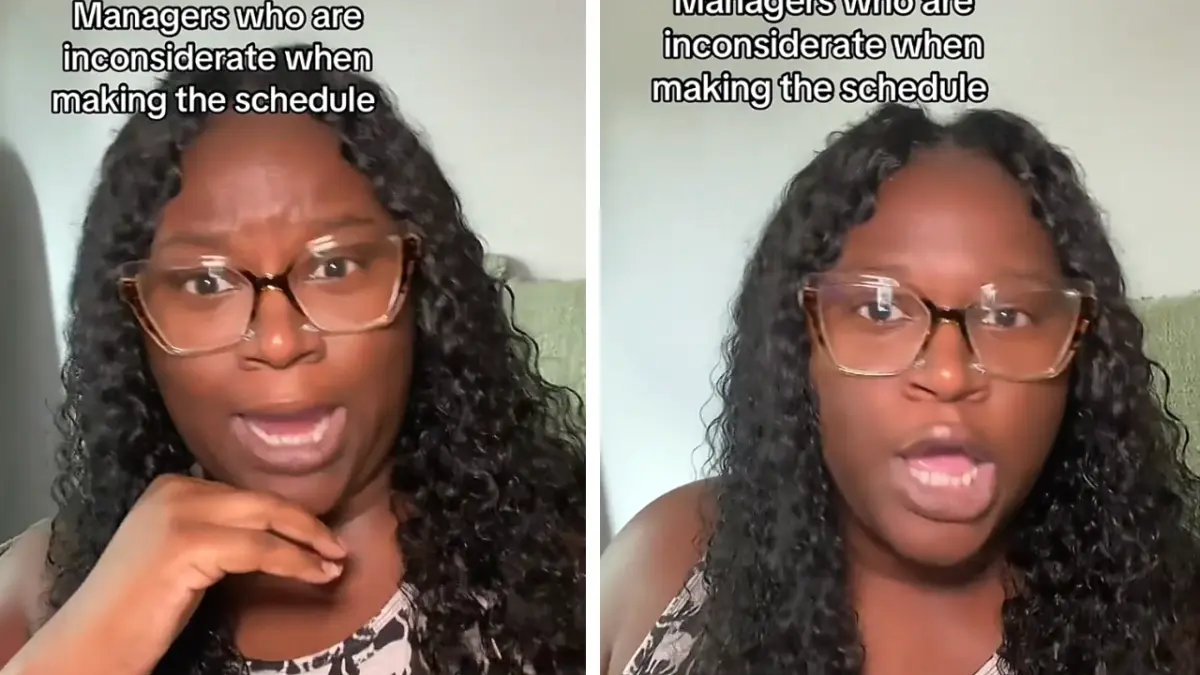
A viral TikTok video posted by user @deszb_ has ignited a widespread discussion across social media platforms, drawing critical attention to the demanding and often exploitative scheduling practices prevalent in the retail and fast-food sectors, particularly the contentious "clopen" shift. The video, which garnered over 192,000 views and 941 comments at the time of its initial surge in popularity, spotlights the frustration of service industry employees who are routinely scheduled to close a store late one evening and return to open it early the next morning, leaving minimal time for rest or personal life. This phenomenon, colloquially known as a "clopen," has become a flashpoint for broader grievances regarding worker well-being, predictable scheduling, and the perceived disconnect between management and frontline staff.
The Genesis of a Viral Complaint: @deszb_’s TikTok Catalyst
The video by @deszb_, whose full identity was not independently verified, articulated a common sentiment among hourly workers: "Why do you think I would want to sit up here, clean the whole store, set up the store for in the morning and stay all the way until close and then turn around, not have no time for myself, get up and come open? … Why would I want to clopen?" Her query directly challenged the rationale behind such demanding schedules, particularly within mall environments where stores typically close at 10 p.m. and reopen early. The implied short turnaround leaves employees with insufficient time for commuting, unwinding, sleep, and personal responsibilities. The core of her argument resonated deeply with thousands, highlighting the human cost of operational efficiency prioritized over employee welfare. She further emphasized the perceived hypocrisy of managers who implement these schedules but may not experience them firsthand, stating, "I have a life," a sentiment echoed voluminously in the comments section. The immediate and widespread engagement with her content underscored a pervasive issue that many had experienced but perhaps felt powerless to articulate collectively until platforms like TikTok provided a voice.
Understanding the "Clopen" Phenomenon: A Deeper Dive into Irregular Scheduling
The "clopen" shift is a prime example of irregular and unpredictable scheduling, a pervasive issue within industries reliant on hourly labor. It refers to the practice of assigning an employee to work the final shift of one operating day (closing) and the first shift of the subsequent operating day (opening). This often results in less than 10 or 11 hours between shifts, a timeframe many labor advocates consider insufficient for adequate rest and personal recovery. The problem is exacerbated in sectors like retail and fast food due to their extended operating hours, often seven days a week, and the constant need to manage labor costs against fluctuating customer demand.
Historically, flexible scheduling has been presented as a benefit, offering employees the ability to adapt work around other commitments. However, for many low-wage workers, "open availability" becomes a double-edged sword, frequently exploited by employers to fill gaps in schedules without regard for employee well-being. This lack of predictability makes it incredibly difficult for workers to plan childcare, attend school, manage medical appointments, or even budget effectively, as their income can fluctuate wildly from week to week based on assigned hours. The emotional and physical toll of such schedules, particularly the "clopen," can be substantial, contributing to sleep deprivation, increased stress, burnout, and higher rates of absenteeism and turnover.
The Widespread Impact: Supporting Data and Research
The issues raised by @deszb_ are not isolated anecdotes but reflect systemic challenges documented by numerous studies and labor organizations. Research consistently points to the prevalence and negative consequences of irregular work schedules.
- Prevalence: A 2014 study by the Economic Policy Institute found that over 17% of workers in the retail sector and 10% in the food service sector experienced "just-in-time" scheduling, characterized by short notice and unpredictable hours. More recent data from the Department of Labor and academic institutions indicate that a significant portion of the hourly workforce—estimated between 17% and 40% depending on the industry and definition—faces volatile work schedules.
- Health and Well-being: Studies published in journals like Social Science & Medicine and the American Journal of Public Health have linked unpredictable scheduling and insufficient rest between shifts to a range of adverse health outcomes. These include chronic sleep deprivation, increased risk of cardiovascular disease, higher incidence of anxiety and depression, and elevated stress levels. The disruption to circadian rhythms inherent in "clopen" shifts can have profound long-term health implications.
- Economic Stability: The unpredictable nature of hours makes it exceedingly difficult for workers to maintain financial stability. Research by the University of Chicago and others demonstrates that irregular schedules contribute to income volatility, making it harder for families to budget, pay bills on time, and save for emergencies. This instability disproportionately affects women, single parents, and minority groups, perpetuating cycles of poverty.
- Employee Turnover: High turnover rates are a chronic problem in retail and food service. A significant factor contributing to this is poor scheduling and lack of work-life balance. When employees feel undervalued, overworked, and unable to plan their lives, they are more likely to seek alternative employment. Replacing and training new staff incurs substantial costs for businesses, estimated to be between 10% and 30% of an employee’s annual salary, undermining the very cost-saving measures irregular scheduling aims to achieve.
Reactions from the Front Lines: Employees and Managers Speak Out
The comments section of @deszb‘s video became a digital town square, illustrating the deeply divided perspectives on scheduling practices. The overwhelming majority of comments echoed @deszb‘s frustrations, providing a collective voice to individual struggles.
- Employee Solidarity: Many retail and fast-food workers shared their own "clopen" experiences. One user lamented, "retail managers NEVER work any shift but morning but will have you closing EVERYNIGHT!" This sentiment highlights a perceived unfair distribution of undesirable shifts, often leaving junior staff or those with "open availability" bearing the brunt. Another commenter succinctly put it, "Yall saying ‘open availability’ and never once considered the person you hired as a human being? You won’t work back to back so why tf would I?" This question cuts to the core of the debate, challenging the dehumanizing aspect of schedules that ignore basic human needs.
- Managerial Dilemmas: While the prevailing sentiment sided with @deszb_, some managers offered a counter-narrative, illuminating the pressures they face. One manager commented, "honey im a manager and I just clopen this week. I take hours making the schedule making sure ppl got hours and a fair schedule. then the minute.. then minute it dont fit their needs they complaining. like dang I missed it this give me a dang break. I be tryin and ppl still be unsatisfied. really as a manager can’t win for losing." This comment underscores the complex reality of schedule creation, where managers often juggle staffing demands, budget constraints, employee availability requests, and unexpected call-outs, all while striving for perceived fairness. They, too, can be subject to corporate pressures and limited resources that constrain their ability to create ideal schedules for everyone. This perspective acknowledges that the issue is not always individual malice but often systemic challenges within corporate structures.
Broader Implications and Policy Responses
The viral nature of @deszb_’s video and the ensuing discussion transcend individual grievances, pointing to broader implications for labor rights, corporate responsibility, and public policy.
- The "Fair Workweek" Movement: The widespread discontent with unpredictable scheduling has fueled the "Fair Workweek" movement in various cities and states across the United States. Laws enacted in places like Seattle, San Francisco, New York City, and Oregon mandate predictable scheduling, requiring employers to provide schedules in advance (typically 14 days), offer existing employees additional hours before hiring new staff, and compensate workers for last-minute schedule changes or "clopen" shifts. These policies often include a "right to rest" provision, guaranteeing a minimum number of hours between shifts (e.g., 10 or 11 hours) or requiring premium pay for shifts that violate this rest period. The intent is to provide workers with greater stability, control over their time, and improved work-life balance.
- Corporate Responsibility and Ethical Scheduling: The debate prompts a re-evaluation of corporate scheduling practices. While businesses face pressures to optimize labor costs and respond to demand fluctuations, there is a growing call for them to adopt more ethical scheduling policies. This includes investing in better forecasting tools, implementing technology that prioritizes employee well-being alongside operational efficiency, and fostering a culture that respects employees’ personal lives. Some companies have proactively adopted more predictable scheduling models, finding that improved employee morale and reduced turnover can offset initial scheduling complexities.
- Technological Solutions and Their Double Edge: Modern scheduling software, while designed to optimize staffing, can sometimes exacerbate the problem by prioritizing cost-saving algorithms over human factors. However, the same technology could be leveraged to improve schedules by incorporating rules for minimum rest periods, maximum consecutive shifts, and employee preferences. The key lies in how these tools are designed and implemented, and whether they are guided by principles of fair work.
- The Role of Social Media: Platforms like TikTok have emerged as powerful tools for labor advocacy, allowing individual workers to collectively highlight systemic issues and pressure industries for change. The reach and immediacy of these platforms can rapidly transform isolated complaints into national conversations, bringing critical scrutiny to workplace practices that might otherwise remain largely unseen by the wider public. This phenomenon underscores the evolving landscape of worker organizing and advocacy in the digital age.
- Future of Work: As discussions around worker rights, automation, and the gig economy continue to evolve, the "clopen" debate serves as a crucial reminder of the fundamental need for decent working conditions and respect for human dignity in all sectors. It contributes to a broader dialogue about what constitutes a "fair wage" and a "fair work environment," pushing for a future where economic necessity does not automatically translate into exploitation of time and well-being.
While The Daily Dot was unable to independently verify the specific claims made by @deszb_, her video undeniably tapped into a deep vein of frustration shared by countless service industry workers. It serves as a potent reminder that beneath the veneer of customer service, a significant portion of the workforce grapples with demanding schedules that profoundly impact their lives, urging both employers and policymakers to reconsider what constitutes fair and sustainable employment practices in the 21st century. The viral outcry signals a growing demand for workplaces that recognize employees as individuals with lives beyond their shifts, moving towards a more equitable balance between business needs and human well-being.