Garick Elordi
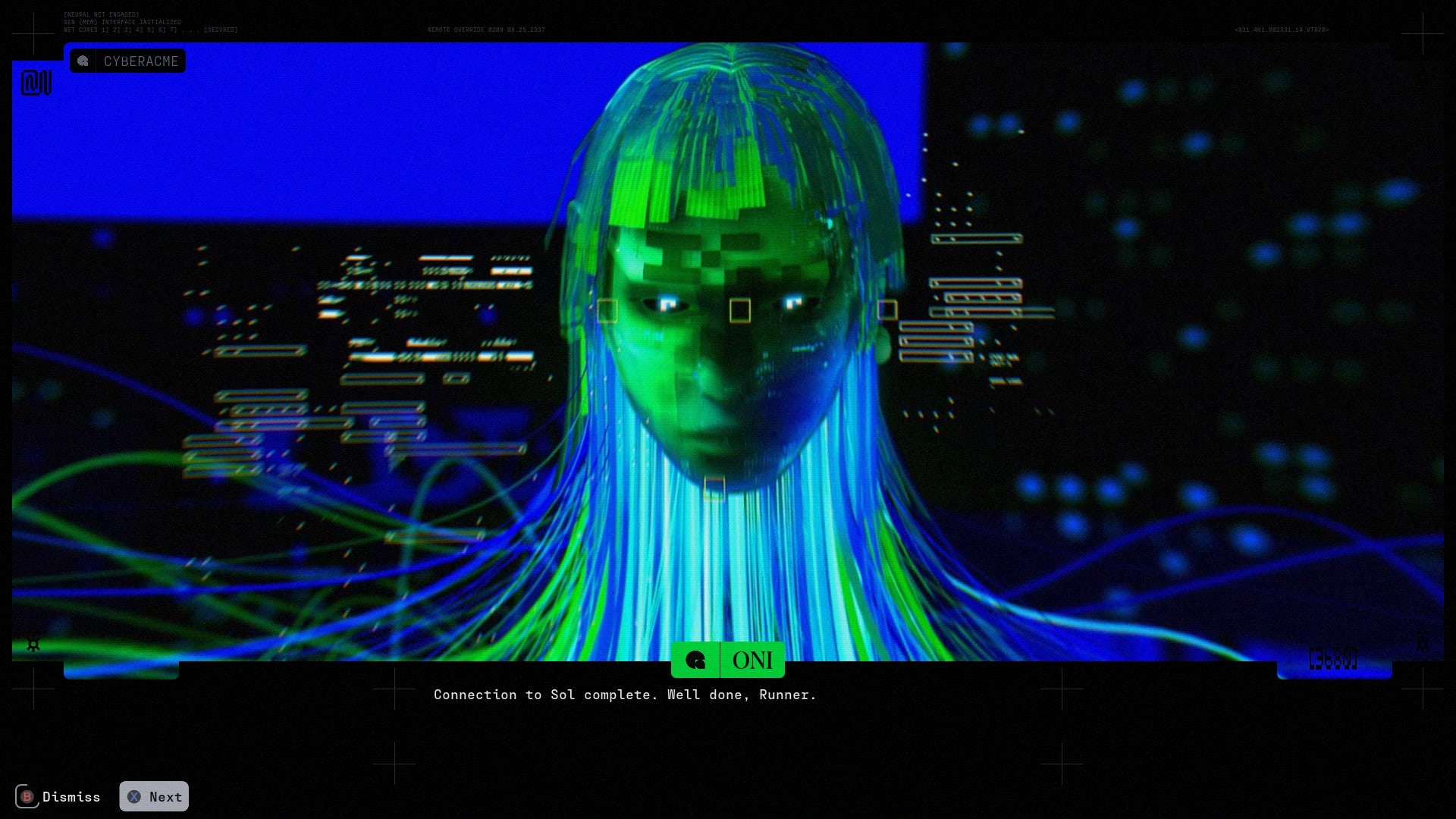
Bungie’s upcoming revival of the Marathon franchise represents a significant departure from the studio’s recent history with the Destiny series, pivoting from a cooperative science-fiction shooter to a competitive extraction-based experience. While the gameplay mechanics aim to challenge the established norms of the genre, it is the title’s avant-garde visual identity that has become a primary focal point for industry analysts and the gaming community alike. By synthesizing elements of brutalist architecture, global logistics, and 1990s graphic design, Marathon establishes a "maximum minimalist" aesthetic that distinguishes it from the gritty realism typically associated with extraction shooters like Escape from Tarkov or Hunt: Showdown.
The Plagiarism Controversy and Professional Resolution
The development of Marathon’s visual language has not been without significant internal and external challenges. In 2023, a controversy emerged when independent artist Fern Hook, known professionally as Antireal, identified specific instances where their artwork had been utilized within the game’s promotional materials and internal assets without prior authorization or compensation. The discovery prompted a swift investigation by Bungie’s leadership and legal teams.
Bungie subsequently issued a formal acknowledgment of the oversight, attributing the incident to a failure in the internal vetting process regarding reference materials and asset sourcing. Following a period of private negotiations, both parties announced that the matter had been resolved to their mutual satisfaction. As part of this resolution, Fern Hook was officially brought on as a "visual design consultant" for the project. This move was viewed by industry observers as a necessary step to legitimize the game’s aesthetic, as Hook’s signature style—characterized by surreal, high-contrast digital abstraction—was deeply woven into the core identity of the new Marathon. Hook now receives a formal credit within the game, ensuring that their contributions to the project’s "mood board" are legally and professionally recognized.
Conceptualizing the "Maximum Minimalist" Aesthetic
The visual framework of Marathon is frequently described using the term "maximum minimalism," a phrase popularized by The Designers Republic, the Sheffield-based design firm responsible for the iconic look of the Wipeout series and various Aphex Twin album covers. This approach emphasizes clean lines, bold typography, and a saturated color palette, which stands in stark contrast to the dark, desaturated environments found in many contemporary shooters.
Analysts have identified a "layered" approach to the game’s world-building. The foundational layer consists of harsh, extraterrestrial landscapes that draw heavy inspiration from Icelandic geography—characterized by black volcanic rock, blasted plains, and stark horizons. This naturalistic base serves as a canvas for the secondary layer: the industrial detritus of human expansion.
The structures and vehicles within Marathon’s maps mirror the global supply chain. Players encounter environments that resemble airport tarmac equipment, automated fulfillment centers, and modular shipping containers. These elements evoke a sense of "fathomless logistics," suggesting a future where human presence is defined by manufacturing complexity and bureaucratic efficiency rather than traditional colonization.
Architectural and Graphic Design Influences
Beyond the industrial influences, Marathon incorporates a surprising array of domestic and commercial design motifs. The architectural silhouettes often feature rounded edges and thick, injection-molded plastics, reminiscent of modern skincare packaging from brands such as Byoma or Drunk Elephant. This "toy-like" quality, utilizing vibrant cyans, pinks, and yellows, creates a jarring juxtaposition with the violent nature of the gameplay.
The graphic design layer is perhaps the most intricate aspect of the game’s presentation. Every surface within the game world is adorned with:
- Fiducial Markers: Cross-shaped symbols historically used in Apollo Mission photography to assist in photogrammetric measurements.
- Print Registration Marks: Symbols typically found on the margins of magazines or cereal boxes to ensure color alignment during the printing process.
- QR Codes and Barcodes: Functional and decorative elements that reinforce the theme of a world governed by data and inventory management.
- Demoscene and Glitch Art: The user interface (UI) incorporates visual artifacts, flickering pixels, and layouts that evoke 1990s web design and early virtual reality simulations.
This synthesis of "visual detritus" creates a world that feels both hyper-modern and nostalgically rooted in late-20th-century visions of the future.

Chronology of Development and Leadership Transitions
The journey of the Marathon reboot has been marked by several high-profile shifts in direction and personnel. To understand the current state of the project, it is necessary to examine the timeline of its development:
- May 2023: Bungie officially announces the Marathon reboot during the PlayStation Showcase with a high-concept CGI trailer. The trailer introduces the "Runner" protagonists and the colorful, high-contrast art style.
- Late 2023: The plagiarism scandal involving Fern Hook occurs, leading to the artist’s eventual recruitment as a consultant.
- Early 2024: Reports emerge regarding a significant leadership change. Christopher Barrett, the game’s original director, is replaced by Joe Ziegler, the former game director of Riot Games’ Valorant. This change signals a shift toward a more competitive, "gameplay-first" focus.
- Mid 2024: Bungie undergoes significant internal restructuring and layoffs under its parent company, Sony Interactive Entertainment. Despite these cuts, Marathon is identified as one of the studio’s two primary pillars alongside the ongoing support for Destiny 2.
- Late 2024: Internal playtesting intensifies. Feedback from these sessions suggests a move toward more traditional extraction mechanics while maintaining the unique visual identity established during the Barrett era.
Strategic Market Implications
The decision to revive Marathon as an extraction shooter is a calculated move by Bungie to enter a growing but highly competitive market. Unlike the original Marathon trilogy (1994–1996), which was a narrative-driven first-person shooter for the Macintosh, the 2025 iteration focuses on "emergent narrative"—stories created by player interactions within a persistent environment.
From a business perspective, the unique art direction serves as a powerful marketing tool. In a saturated market where many shooters utilize similar "military-sim" aesthetics, Marathon’s neon-soaked, graphic-heavy look is instantly recognizable. This visual "hook" is intended to attract a younger demographic and fans of high-concept design, potentially expanding the audience beyond the traditional Bungie fanbase.
Furthermore, the game’s live-service model relies on the "loot and extract" loop. By making the "loot"—the items players find and collect—visually distinct and tied to the game’s complex graphic language, Bungie aims to increase the perceived value of in-game rewards. The aesthetic becomes part of the reward system itself; players aren’t just collecting gear, they are collecting pieces of a sophisticated visual world.
Technical Integration and Community Reception
Marathon is being developed using a modified version of Bungie’s Tiger Engine, the same technology that powers Destiny 2. However, the engine has been heavily updated to support modern rendering techniques required for the game’s unique lighting and material effects. The goal is to achieve a "clean" look that maintains high performance during intense multiplayer engagements, which is critical for a competitive extraction shooter.

Community reception has been polarized but generally intrigued. Long-time fans of the original 1990s trilogy have expressed concerns regarding the shift away from a linear, story-heavy campaign. Conversely, the "extraction" community has praised the bold visual direction, noting that the high visibility provided by the bright color palette could lead to a more skill-based encounter system where players aren’t hidden by shadows or camouflage.
Conclusion
Marathon represents a high-stakes gamble for Bungie. By leaning into a controversial and highly stylized visual identity, the studio is attempting to redefine what a modern sci-fi shooter can look like. The resolution of the plagiarism scandal and the integration of professional design consultants like Fern Hook suggest a commitment to maintaining the integrity of this vision. As the project moves toward its anticipated release, the success of Marathon will likely depend on whether its "maximum minimalist" world-building can provide a sufficiently deep and engaging foundation for the high-pressure gameplay of the extraction genre. Whether through its Icelandic vistas or its QR-coded corridors, Marathon is poised to be one of the most visually distinctive entries in the history of the genre.