Chandra Wibowo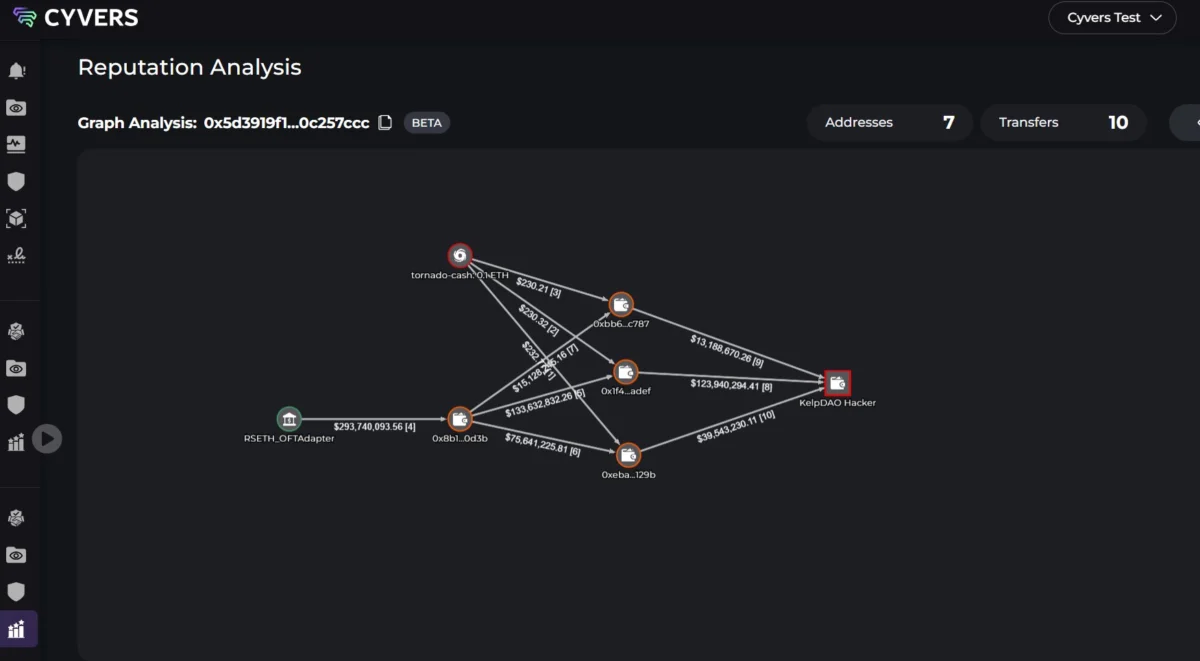
The recent exploitation of the Kelp liquid restaking protocol has sent shockwaves through the decentralized finance (DeFi) landscape, highlighting a critical vulnerability: the interconnectedness of non-isolated lending mechanisms and protocol integrations. Industry executives and blockchain security firms are pointing to this incident as a stark illustration of how a single breach can rapidly propagate, creating a domino effect of financial disruption across multiple platforms. The exploit, which resulted in the loss of approximately $293 million, underscores the urgent need for enhanced security protocols and a more robust understanding of systemic risk within the burgeoning DeFi ecosystem.
The Anatomy of the Kelp Exploit
The incident, which occurred on Saturday, forced Kelp to immediately pause its smart contracts for its restaking token (rsETH) as it launched an intensive investigation into the breach. While the full technical details of the exploit are still under scrutiny, initial analyses suggest that the vulnerability exploited was deeply intertwined with cross-chain bridging architecture. This technology, designed to facilitate the seamless transfer of assets between different blockchain networks, was identified by Michael Egorov, founder of the Curve Finance DeFi protocol, as the "root cause" of the Kelp exploit.
"Cross-chain is hard and potentially risky," Egorov stated in an email. "Only use cross-chain infrastructure when absolutely necessary, and do it really carefully." His warning underscores a fundamental challenge in blockchain interoperability: while cross-chain solutions promise greater efficiency and expanded access, they also introduce complex attack surfaces that can be exploited by malicious actors. The nature of these bridges often involves locking assets on one chain to mint representative tokens on another, creating a complex web of dependencies that can be targeted.
Non-Isolated Lending: A Breeding Ground for Contagion
Beyond the specific mechanics of the cross-chain bridge, the Kelp exploit has brought renewed attention to the risks associated with non-isolated lending protocols within DeFi. Egorov elaborated on this, explaining that platforms employing non-isolated lending models expose users to a broader range of risks. In such systems, collateral deposited by users can be used across various lending pools and integrated protocols. This means that a vulnerability or exploit in one part of the ecosystem can have ripple effects, impacting collateral across multiple, seemingly unrelated, decentralized applications.

"Non-isolated lending on DeFi platforms, including earlier versions of the Aave lending protocol, exposes users to risks from all the various tokens used as collateral on the platforms," Egorov explained. This concept of "liquidity contagion" is particularly concerning for the DeFi sector. Unlike traditional finance, where regulatory frameworks and firewalls can help contain financial shocks, DeFi’s open and interconnected nature means that a failure in one protocol can quickly destabilize others.
A Cascading Crisis: The Ecosystem’s Response
The impact of the Kelp exploit was not confined to the platform itself. Blockchain security firm Cyvers described the event as more than just a protocol exploit, but rather a "cross-protocol contagion event." According to Cyvers, at least nine DeFi protocols and platforms, including prominent names such as Aave, Fluid, Compound Finance, SparkLend, and Euler, were affected. These platforms took swift action, including freezing rsETH markets or implementing other measures to mitigate the fallout.
This rapid propagation highlights a critical shift in the nature of DeFi exploits. "The challenge is no longer just preventing exploits at the contract level, but understanding how fast they can cascade across integrated protocols," Cyvers CEO Deddy Lavid told Cointelegraph. The interconnectedness of DeFi means that a single exploit can trigger a chain reaction, affecting the liquidity and stability of numerous other projects. This interconnectedness, while a strength in fostering innovation and efficiency, becomes a significant vulnerability when compromised.
A Troubling Trend in Crypto Security
The Kelp exploit is the latest in a series of significant security incidents plaguing the cryptocurrency space. This incident follows closely on the heels of the $280 million hack of the Drift Protocol decentralized exchange last week. Furthermore, reports indicate that at least twelve other crypto platforms and DeFi hacks have occurred earlier this month, painting a grim picture of the state of digital asset security.
These escalating losses are not merely isolated incidents; they represent a systemic challenge. In the first quarter of 2026, losses from crypto hacks, code exploits, and scams reportedly reached $482 million, according to data aggregated by Hacken. This trend suggests that while the DeFi ecosystem continues to grow and innovate, its security infrastructure is struggling to keep pace with the evolving tactics of malicious actors.

Lessons Learned and Future Imperatives
For the DeFi sector, the Kelp incident serves as a crucial learning experience. Egorov emphasized the importance of due diligence for DeFi teams, stating, "DeFi teams should also vet prospective digital assets to ensure that tokens do not feature single points of failure or attack surfaces before approving tokens as lending collateral on their platforms." This suggests a need for more rigorous auditing and risk assessment processes for any token integrated into a DeFi protocol, especially those used as collateral.
The incident also prompts a broader discussion about the fundamental design choices within DeFi. The reliance on complex interoperability solutions like cross-chain bridges, while enabling a more unified digital asset landscape, necessitates an equally robust approach to security. As Egorov’s caution suggests, these solutions should only be employed when absolutely essential and with the utmost care and scrutiny.
Broader Implications for Decentralized Finance
The ramifications of the Kelp exploit extend beyond immediate financial losses. It raises fundamental questions about the scalability of current DeFi security models and the inherent risks of a highly interconnected financial ecosystem. The rapid contagion observed in the Kelp incident underscores the need for DeFi protocols to move beyond isolated security measures and embrace a more holistic, system-wide approach to risk management.
This includes:
- Enhanced Due Diligence for Integrations: Protocols must implement stricter vetting processes for any third-party integrations, especially those involving asset bridging or complex smart contract interactions. This should include thorough code audits, risk assessments, and an understanding of the security posture of the integrated protocols.
- Development of Advanced Monitoring and Response Systems: The ability to detect and respond to exploits in real-time is paramount. This requires sophisticated on-chain monitoring tools, alert systems, and pre-defined incident response plans that can be rapidly executed to contain damage.
- Focus on Protocol Isolation and Risk Partitioning: While full isolation may be impractical in a highly interconnected DeFi world, exploring mechanisms for risk partitioning and limiting the blast radius of an exploit is crucial. This could involve more granular collateral management and tiered risk exposure for different assets and protocols.
- Strengthening Cross-Chain Security: As cross-chain functionality becomes more prevalent, the security of bridging solutions must be a top priority. This could involve the development of more secure bridge architectures, decentralized validation mechanisms, and robust insurance solutions for cross-chain assets.
- Education and Awareness: A critical component of improving DeFi security is fostering greater awareness among developers and users about the inherent risks. Educating teams on best practices for secure coding, smart contract development, and risk management is essential.
The Kelp exploit, while a significant setback, offers valuable insights for the maturation of the DeFi sector. By learning from these incidents and proactively addressing the systemic risks they expose, the industry can move towards building a more resilient, secure, and trustworthy decentralized financial future. The path forward requires a commitment to continuous innovation not only in financial products but also in the robust security infrastructure that underpins them. The trend of escalating losses in Q1 2026, highlighted by this incident, serves as a clear signal that the industry must prioritize security as a foundational element of its growth and sustainability. The challenge lies in balancing the rapid pace of innovation with the imperative of safeguarding user assets and maintaining the integrity of the decentralized financial ecosystem.