Chandra Wibowo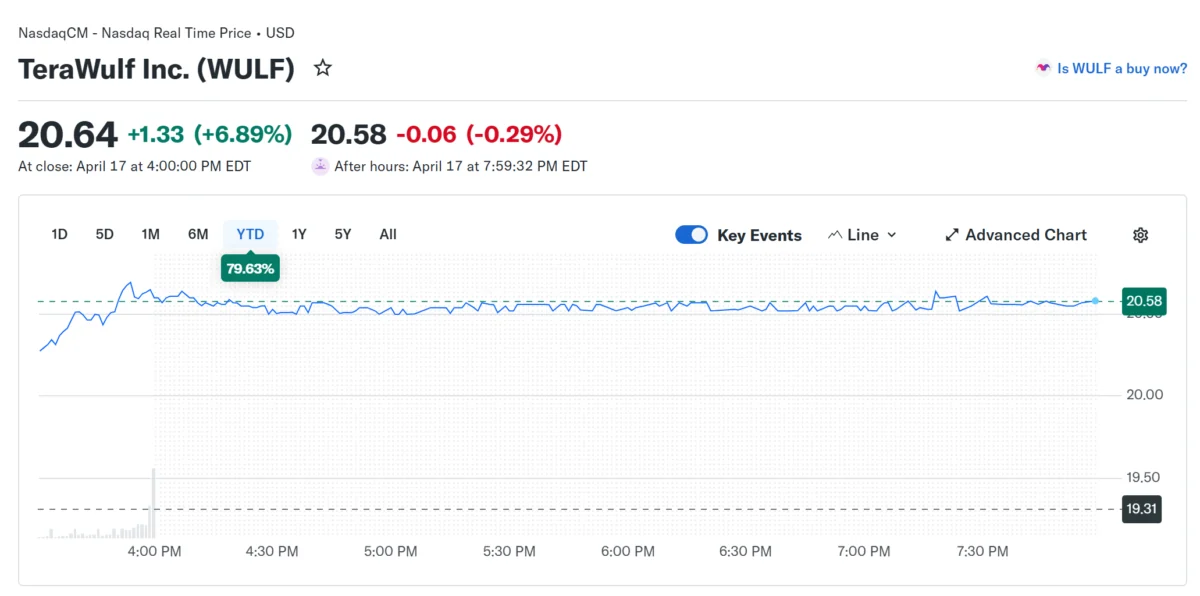
US aluminum giant Alcoa is reportedly on the cusp of finalizing an agreement to divest its long-dormant Massena East smelter in upstate New York to New York Digital Investment Group (NYDIG), a prominent Bitcoin mining firm. Sources close to the matter indicate that the transaction is in its advanced stages, with CEO Bill Oplinger signaling an expected closure in the middle of the current year. This potential acquisition underscores a significant trend in the industrial sector: the repurposing of legacy infrastructure for the burgeoning digital economy, particularly for energy-intensive cryptocurrency mining and artificial intelligence (AI) data centers.
The Massena East smelter, strategically situated along the St. Lawrence River, has been inactive since 2014. Its closure by Alcoa at that time was attributed to a confluence of factors, including escalating energy costs and intense global competition within the aluminum market. However, the very characteristics that made the site economically challenging for traditional heavy industry are now proving highly attractive to digital infrastructure operators. Aluminum smelters, by their nature, are designed for continuous, high-demand operations and typically possess pre-existing substations, robust transmission lines, and high-capacity grid connections. These essential components, often requiring years to develop from scratch and secure regulatory approval, represent a substantial head start for companies like NYDIG seeking to establish large-scale data processing facilities.
A particularly compelling aspect of the Massena East site is its access to hydropower supplied by the New York Power Authority. This reliable and relatively low-cost, lower-carbon energy source is a critical draw for energy-intensive computing firms. The demand for electricity in Bitcoin mining and AI computations is immense, making the cost and environmental footprint of power a paramount consideration. The availability of hydropower aligns perfectly with the operational needs and sustainability goals of entities like NYDIG.
The Resurgence of US Smelters: From Aluminum to Digital Assets
The reported sale of the Massena East smelter is not an isolated incident but rather a reflection of a broader industrial transformation occurring across the United States. Numerous former industrial sites, once hubs of manufacturing, are being re-evaluated and repurposed to accommodate the infrastructure demands of the digital age. This shift highlights the adaptability of heavy industrial facilities and their inherent value beyond their original intended use.
Earlier this year, a similar transaction saw Century Aluminum sell its Hawesville smelter in Kentucky to TeraWulf for $200 million. The stated intention for the Hawesville site is its conversion into a high-performance computing and AI facility, signaling a clear departure from its historical role in aluminum production. This move by TeraWulf, a company already involved in Bitcoin mining, further emphasizes the synergy between legacy industrial assets and the energy requirements of digital technologies. TeraWulf’s stock performance has been notable, with shares reportedly up 80% year-to-date, underscoring investor confidence in this sector.
NYDIG, owned by Stone Ridge, has been strategically expanding its presence in the Bitcoin mining infrastructure landscape. The firm already holds a stake in Coinmint, which operates mining hardware at a shared campus through a long-term lease agreement. This existing operational footprint suggests a strategic approach to leveraging established infrastructure and expertise. Furthermore, last year, NYDIG agreed to acquire the Bitcoin mining business of Crusoe Energy, including its digital flare mitigation operations. This acquisition broadened NYDIG’s scope and demonstrated its commitment to scaling its Bitcoin mining operations.
The Pivot Towards AI and Diversification in the Mining Sector
The renewed focus on Bitcoin mining infrastructure by NYDIG occurs against a backdrop of evolving dynamics within the cryptocurrency mining industry. As profit margins in traditional Bitcoin mining face pressure from increasing difficulty levels and volatile market conditions, many mining companies are actively seeking to diversify their revenue streams. A significant pivot towards AI and cloud computing services is emerging as a key strategy for long-term viability and growth.
MARA Holdings, for instance, acquired a 64% stake in the French infrastructure company Exaion earlier this year. This strategic move provided MARA with a substantial foothold in the rapidly expanding AI services market, complementing its existing Bitcoin mining operations. This demonstrates a clear recognition of the potential for AI to drive future revenue.
Several other prominent mining entities are also actively repurposing their facilities for AI and cloud computing. Hive, Hut 8, TeraWulf, and Iren are among those transitioning their mining operations into data centers equipped to handle the computational demands of AI workloads. Some companies, such as CoreWeave, have made a complete transition, fully shifting their focus from cryptocurrency mining to AI-centric infrastructure development. This trend highlights a broader industry-wide adaptation, where the specialized infrastructure and energy management expertise developed for Bitcoin mining are being strategically redeployed to capture opportunities in the burgeoning AI sector.

The Strategic Advantages of Repurposed Industrial Sites
The appeal of former industrial sites like the Massena East smelter for Bitcoin miners and AI data center operators is multifaceted:
- Existing Infrastructure: The presence of substations, high-voltage transmission lines, and robust grid connections significantly reduces the capital expenditure and lead time required to establish operations. These are critical assets for power-intensive digital infrastructure.
- Abundant and Low-Cost Power: Industrial smelters were often located near reliable and affordable power sources. In the case of Massena East, the proximity to hydropower from the New York Power Authority is a major advantage, providing a stable and environmentally friendlier energy supply. This is crucial for managing the high operational costs associated with constant computation.
- Large Footprint: Industrial sites typically encompass vast areas, providing ample space for the deployment of extensive computing hardware, cooling systems, and ancillary facilities required for large-scale data centers.
- Established Permits and Zoning: Such sites often come with pre-existing permits and zoning regulations suitable for industrial use, streamlining the regulatory approval process for new ventures.
Background and Chronology of the Massena East Site
The Massena East smelter’s history is intrinsically linked to the industrial development of upstate New York. Alcoa, a pioneer in aluminum production, established significant operations in Massena due to the region’s access to hydroelectric power generated by the St. Lawrence River. The Massena East facility, like other smelters of its era, was a monument to heavy industrial engineering, built for round-the-clock, high-output production.
- Early 20th Century: Development of hydropower on the St. Lawrence River fuels industrial growth in Massena, attracting companies like Alcoa.
- Mid-20th Century: Alcoa’s Massena operations become a cornerstone of the local economy, employing a significant portion of the workforce. The Massena East smelter likely represents a key phase of expansion or modernization during this period.
- Late 20th/Early 21st Century: Global economic shifts, including increased international competition and fluctuating energy prices, begin to put pressure on the profitability of energy-intensive industries like aluminum smelting in the US.
- 2014: Alcoa announces the closure of the Massena East smelter, citing rising energy costs and global market dynamics. The facility ceases primary aluminum production, leaving behind a significant industrial footprint and skilled workforce.
- 2014-Present: The Massena East site remains idle, with Alcoa likely maintaining ownership while exploring potential future uses or divestment. The infrastructure, though aged, remains largely intact, representing a dormant asset.
- Early 2020s: The rise of Bitcoin mining and the increasing demand for computational power for AI applications create new economic opportunities for underutilized industrial infrastructure. Companies like NYDIG begin to actively scout for suitable locations.
- Late 2025/Early 2026: Reports emerge of advanced discussions between Alcoa and NYDIG regarding the sale of the Massena East smelter.
- Mid-2026 (Projected): The transaction is anticipated to close, marking a new chapter for the Massena East facility as a hub for digital infrastructure.
Analysis of Implications and Broader Market Trends
The potential acquisition of the Massena East smelter by NYDIG has several significant implications. Firstly, it represents a substantial capital investment in upstate New York, potentially creating new jobs in the technology and operations sectors, albeit likely fewer than during its peak industrial era. It also signifies a geographical diversification of digital infrastructure, moving beyond traditional tech hubs.
For Alcoa, the sale allows them to divest a non-core, non-productive asset, freeing up capital and resources that can be reinvested in their primary aluminum operations or other strategic initiatives. It also addresses potential environmental liabilities associated with a dormant industrial site.
For NYDIG and the broader cryptocurrency and AI industries, this acquisition is a strategic move to secure access to critical infrastructure and energy resources at a potentially competitive cost. It underscores the growing maturity of the Bitcoin mining sector, with companies like NYDIG demonstrating a long-term vision that extends beyond simple mining to encompass broader digital asset and computing infrastructure development.
The trend of repurposing industrial sites also highlights the cyclical nature of economic activity and the resilience of certain types of infrastructure. What was once an anchor of heavy industry can, with adaptation and innovation, become a foundation for the digital economy of the future. This adaptability is crucial for economic diversification and for maximizing the value of existing industrial assets. The success of such conversions could spur further investment in similar projects across regions with available industrial real estate and access to affordable, reliable energy.
Furthermore, the increasing overlap between Bitcoin mining and AI infrastructure development suggests a convergence of technological demands. Both require immense computational power and significant energy consumption. As margins in pure Bitcoin mining become tighter, the strategic integration of AI workloads and cloud computing services offers a pathway to enhanced profitability and operational efficiency for these energy-intensive businesses. The ability to leverage existing infrastructure for multiple high-demand digital applications presents a compelling business model for companies like NYDIG.
The involvement of the New York Power Authority in supplying hydropower also brings an element of environmental consideration into the discussion. As the digital economy’s energy footprint grows, the demand for renewable and low-carbon energy sources intensifies. Sites with access to such power are likely to be highly sought after, positioning them for sustained growth and innovation in the coming years. This focus on sustainable energy sources is becoming increasingly important for corporate social responsibility and for attracting environmentally conscious investors and customers.
The news comes at a time when regulatory scrutiny of cryptocurrency mining operations is also evolving. However, the focus on utilizing existing, less environmentally impactful infrastructure and integrating with regional power grids suggests a more sustainable and potentially more palatable approach for regulators and the public. The successful transition of sites like Massena East could serve as a model for responsible industrial repurposing within the digital age.
In conclusion, the impending sale of Alcoa’s Massena East smelter to NYDIG represents a significant development at the intersection of traditional industry and the digital frontier. It is a testament to the enduring value of robust industrial infrastructure and the innovative spirit driving the growth of cryptocurrency mining and artificial intelligence. As the transaction moves toward completion, the industry will be watching closely to see how this historic industrial site is transformed into a vital component of the digital economy.