Vera Intan Clara
A recent incident involving a renter’s confusion over a $39 "convenience fee" added to their monthly rent payment has ignited a widespread discussion across digital platforms, spotlighting the often-opaque nature of hidden costs associated with online bill payments. The situation, initially a personal grievance shared on Reddit, quickly escalated into a broader exposé on the financial burdens placed upon consumers in an increasingly digitized economy, particularly within the housing sector.
The Catalyst: A Reddit Post and a "System Update"
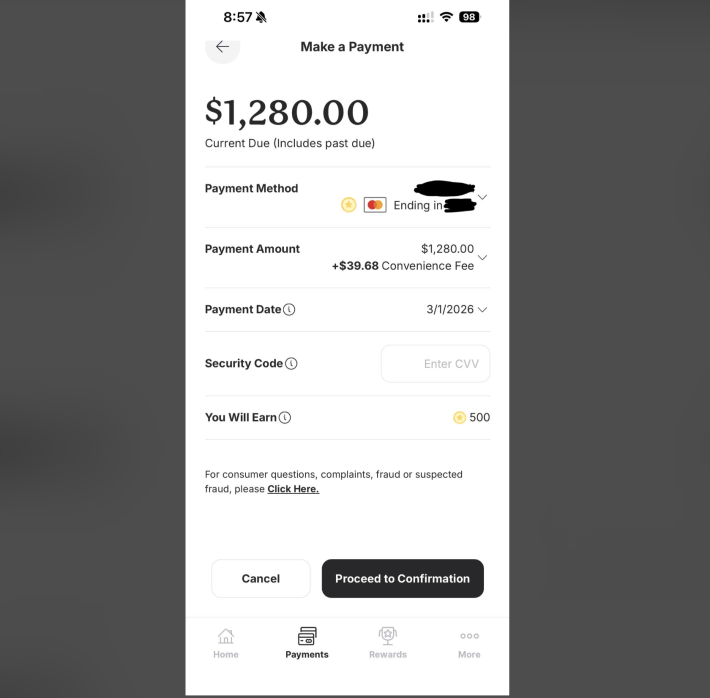
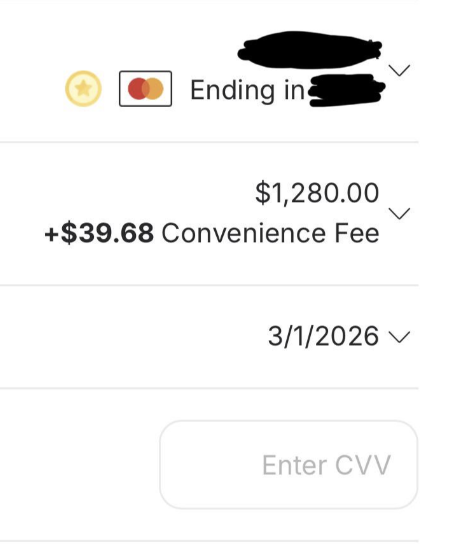
The controversy began on March 1, 2026, when Reddit user @mangum95 posted to the popular r/mildlyinfuriating subreddit, detailing an unexpected charge appended to their $1,280 monthly rent. The post, which quickly amassed over 5,500 comments, revealed a $39.68 "convenience fee" – an additional 3.1% charge – applied when attempting to pay rent electronically. The user explained, "They just updated the system. The previous system allowed ACH payment but the new system does not. So infuriating. I think I can pay by check but now I have to get a checkbook or get cashiers checks which also have a fee." This seemingly minor inconvenience, arising from a landlord’s transition to a new electronic payment portal, struck a nerve with thousands of renters grappling with similar issues.
The immediate resolution for @mangum95 came from fellow Reddit users who clarified that the fee was typically associated with credit card payments. They advised that opting for an eCheck or direct bank transfer (ACH – Automated Clearing House) often bypasses these percentage-based charges. While this provided a temporary fix for the original poster, the ensuing discussion transcended individual problem-solving, evolving into a collective outcry against what many perceive as "money for nothing" – charges incurred simply for utilizing the mandated electronic payment methods.
Understanding the Mechanics: Credit Card vs. eCheck/ACH
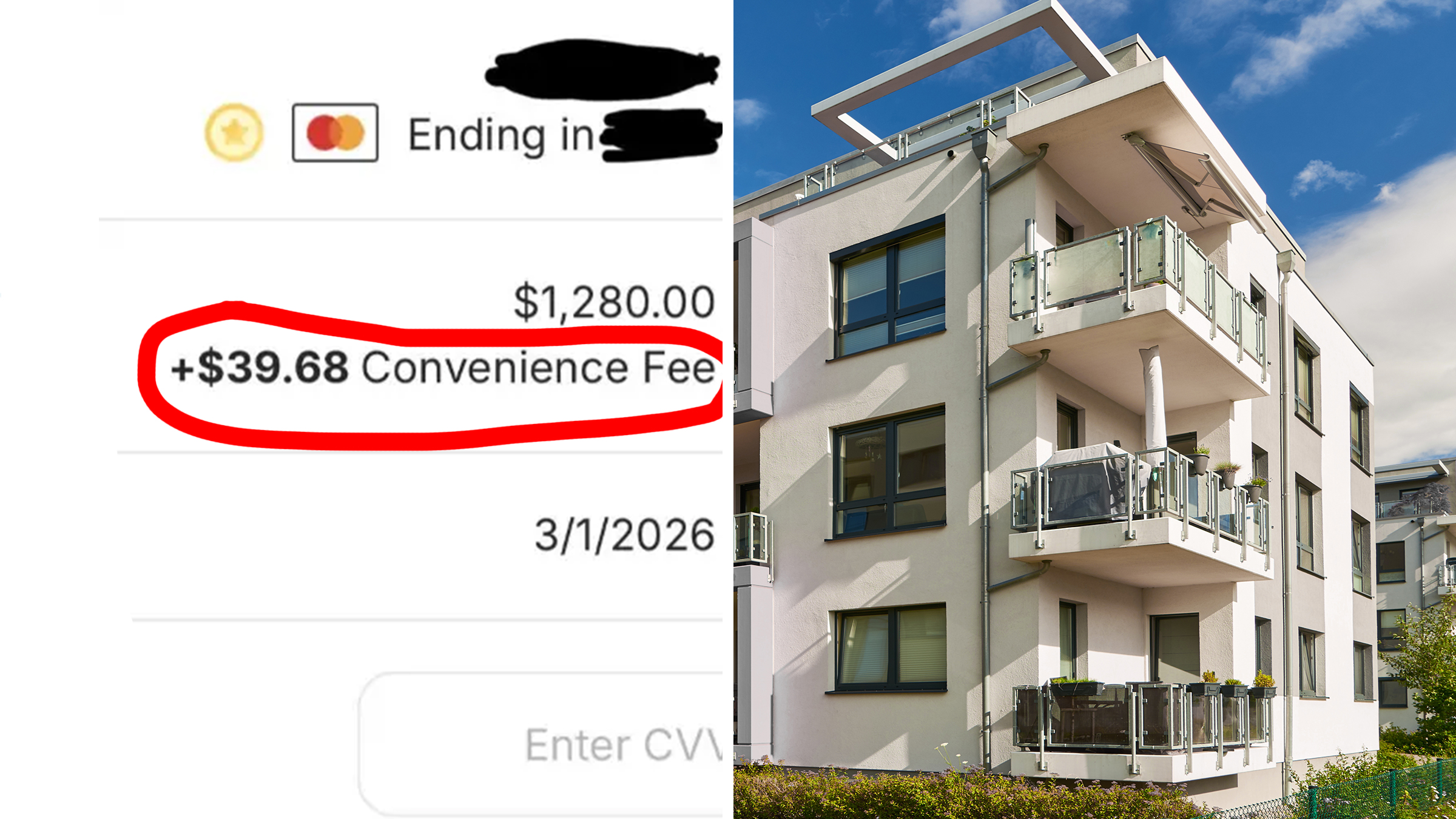
To fully grasp the dynamics of these fees, it’s essential to understand the underlying payment mechanisms. Credit card companies, such as Visa, Mastercard, American Express, and Discover, charge merchants an "interchange fee" for processing transactions. This fee, typically ranging from 1.5% to 3.5% of the transaction value, covers the costs associated with fraud protection, transaction authorization, and network maintenance. When a consumer uses a credit card to pay a large sum like rent, even a small percentage translates into a significant charge. For a $1,280 rent payment, a 3.1% fee amounts to nearly $40, which property management companies often pass directly to the tenant as a "convenience fee" or "processing fee" to avoid absorbing the cost themselves.
Conversely, eCheck or ACH payments operate differently. These are direct bank-to-bank transfers that typically involve lower processing costs, often a flat fee per transaction rather than a percentage. Many payment processors offer ACH services at a minimal or no cost to the consumer, making it a more economical option. The confusion for @mangum95 stemmed from the new system’s apparent lack of a clear, fee-free ACH option, leading them to believe all electronic payments were subject to the credit card surcharge. This highlights a critical transparency issue in many online payment portals, where the default or most prominent payment method might carry a hidden cost.
The Broader Context: The Digital Shift in Rent Payments
The widespread adoption of electronic payment systems by landlords and property management companies has been a significant trend over the past decade. Driven by the desire for increased efficiency, reduced administrative burden, and enhanced security, many landlords have phased out traditional methods like physical checks and cash payments. According to industry reports, over 70% of renters now pay their rent online, a substantial increase from just a few years prior. This digital transformation offers clear benefits for property managers: automated tracking, reduced risk of lost or bounced checks, faster reconciliation, and improved cash flow.
However, this shift has also created a new battleground for consumer rights. While the convenience of paying rent from a smartphone or computer is undeniable, the cost associated with this convenience often falls squarely on the tenant. As one Reddit user, u/havens1515, commented, "My apartment complex started doing this even for auto debit, or payment by debit card. Those usually do not include a fee for the other party. They’re forcing me to send a check to inconvenience themselves." This sentiment underscores a growing frustration among renters who feel coerced into paying extra for a system designed primarily for the landlord’s benefit.
The Economic Implications for Renters
For many renters, particularly those in lower-income brackets or living in high-cost-of-living areas, an additional $30-$50 per month, or potentially hundreds of dollars annually, is not a trivial sum. Data from the U.S. Census Bureau indicates that housing costs represent a significant portion of household budgets, often exceeding 30% of income. Adding an unavoidable fee on top of already rising rents exacerbates financial strain, potentially pushing some households closer to financial precarity.
Consumer advocates argue that these "convenience fees" are often disguised surcharges that erode trust and disproportionately affect vulnerable populations. They highlight that while merchants have the right to pass on credit card processing fees, the manner in which these fees are presented and the availability of fee-free alternatives are crucial for consumer fairness. The lack of clear options or the misleading presentation of payment choices can lead to tenants inadvertently incurring charges they could otherwise avoid.
Inferred Reactions and Expert Perspectives
While no direct statements from property management groups or financial experts were provided in the original context, their likely positions can be inferred:
- Property Management Companies: Would likely argue that the fees are necessary to cover the operational costs of sophisticated online payment platforms and the interchange fees imposed by credit card networks. They might emphasize the security, efficiency, and auditability benefits these systems provide, reducing the risk of payment errors and streamlining financial management for both parties. They might also highlight that offering multiple payment options, including credit cards, is a convenience for tenants who prefer that method, perhaps for earning rewards points or managing cash flow.
- Financial Experts/Consumer Advocates: Would typically advocate for greater transparency and consumer choice. They might call for regulations that mandate clear disclosure of all fees upfront, distinguishing between different payment methods and their associated costs. They would likely advise consumers to always seek out fee-free payment options, such as ACH transfers or physical checks, and to understand their rights regarding surcharges. Some jurisdictions have specific rules about whether merchants can surcharge credit card transactions, and consumer advocates often push for stronger protections.
- Credit Card Companies/Payment Processors: Would defend their interchange fees as essential for maintaining a secure and efficient global payment network, investing in fraud prevention technology, and supporting the infrastructure that enables electronic commerce. They would highlight the value they provide to merchants, including guaranteed payment, reduced risk, and access to a broad customer base.
Tenant Strategies and Regulatory Landscape
The Reddit discussion offered practical advice for renters encountering these fees. The most common recommendation was to revert to traditional payment methods if fee-free electronic options are unavailable. As one user, u/weareallmadherealice, succinctly put it, "Convenience to them not to us. Malicious compliance."
- Physical Checks: If a landlord insists on electronic payments with fees, writing a physical check remains a viable, often free, alternative. While this might inconvenience the landlord by requiring manual processing, it could serve as a collective action to pressure property managers to reconsider their fee structures. Many banks still offer free checkbooks or will mail a physical check on a payer’s behalf free of charge.
- Bank-Issued Checks: For those without checkbooks or who prefer not to handle physical mail, most banks offer a bill-pay service that can issue and mail a physical check to the payee on the customer’s behalf, typically free of charge. This method combines the convenience of online initiation with the cost-saving benefit of a physical check, bypassing electronic processing fees.
- Negotiation: In some cases, tenants might attempt to negotiate with their landlords, especially if a large number of tenants are facing similar issues. Highlighting the collective inconvenience and additional cost might encourage landlords to explore more tenant-friendly payment platforms or absorb the minimal processing fees for ACH transactions.
The regulatory landscape concerning convenience fees is complex and varies by jurisdiction. While some states have laws restricting or prohibiting credit card surcharges, these often apply specifically to credit card transactions and may not cover all forms of "convenience fees" charged by third-party payment processors. The lack of uniform national regulations leaves consumers susceptible to disparate practices, further complicating the issue.
Future Implications and the Digital Divide
The debate sparked by @mangum95’s post underscores a growing tension in the digital economy: the balance between technological convenience and consumer cost. As more services migrate online, the expectation of seamless, instantaneous transactions is met with an increasing array of fees that chip away at consumer budgets. This phenomenon is not limited to rent payments but extends to utility bills, event tickets, and various online services.
Beyond the immediate financial impact, there are broader implications concerning digital inclusion. While electronic payments are touted for their efficiency, they can inadvertently create a "digital divide," potentially excluding individuals who lack reliable internet access, bank accounts, or the technological literacy required to navigate complex online payment portals. Forcing all tenants into electronic payment systems without robust, fee-free alternatives risks marginalizing vulnerable populations.
The incident serves as a powerful reminder for consumers to meticulously scrutinize payment options and associated fees before completing any online transaction. It also calls for greater transparency from service providers and potentially for more robust consumer protection regulations to ensure that the "convenience" of digital payments does not become an undue financial burden. The conversation initiated by a single Reddit post has illuminated a systemic issue, challenging the pervasive assumption that all digital advancements inherently benefit the consumer and prompting a critical re-evaluation of the true cost of convenience in the modern economy.