Galang Taruna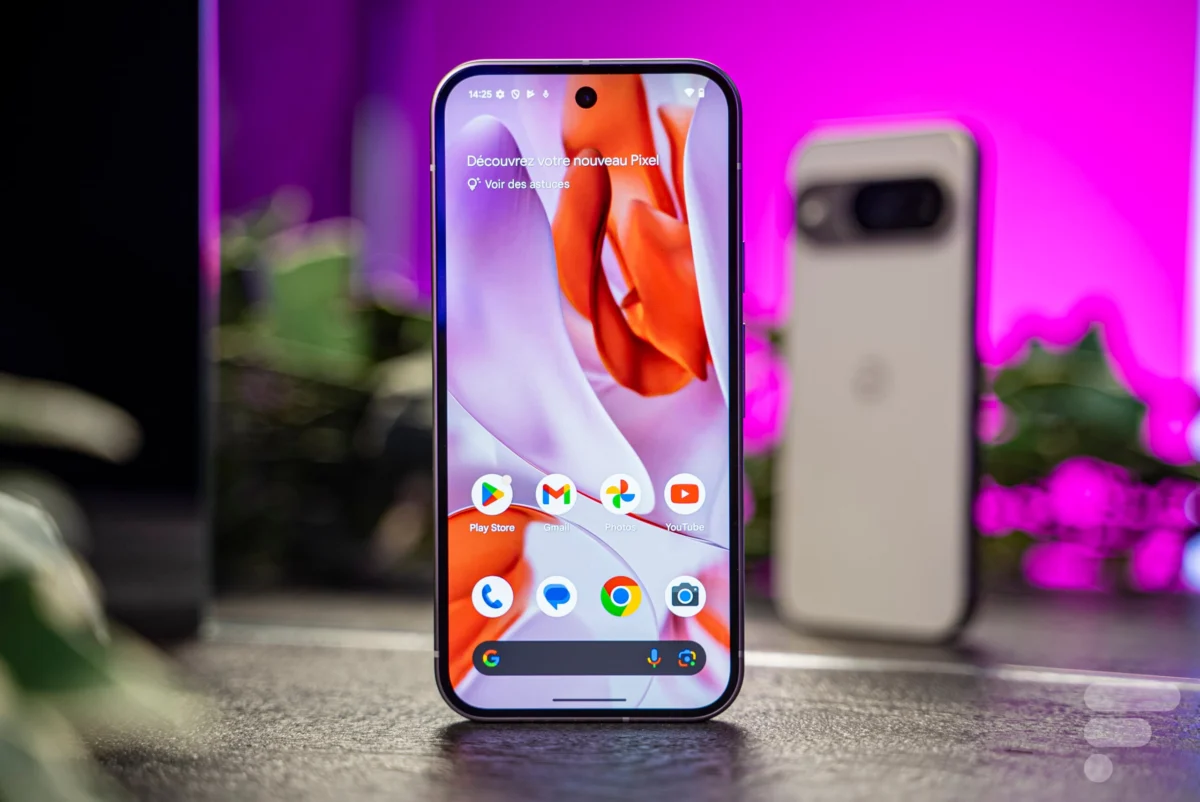
The Google Pixel 9, while succeeded by the excellent Pixel 10 and with the highly anticipated Pixel 11 slated for 2026, has re-emerged as an exceptionally attractive option in the competitive smartphone landscape. This is largely due to an unprecedented price drop, making the device available for just €449 on Amazon, a significant reduction from its initial launch price of €899. This substantial markdown represents the lowest price ever recorded for the Pixel 9 on the e-commerce platform, presenting a strategic opportunity for consumers seeking premium Google experiences and cutting-edge computational photography without the customary flagship cost.
Contextualizing the Historic Price Drop
The smartphone market operates on a rapid cycle of innovation and release, with new flagships typically arriving annually. Google’s Pixel series adheres to this rhythm, with each iteration introducing advancements in hardware, software, and artificial intelligence capabilities. The Pixel 9, launched prior to the Pixel 10, now finds itself in a transitional phase where its successor has established itself and the next-generation Pixel 11 is already generating buzz for its projected 2026 release and expected Tensor G6 chip.
This cyclical pattern often leads to significant price adjustments for previous-generation models, a strategy employed by manufacturers to clear inventory and maintain market velocity. However, the Pixel 9’s current €449 price point is particularly noteworthy. It signifies more than just a routine discount; it positions the device aggressively against new mid-range offerings, while still retaining the core functionalities and premium build quality of a flagship-tier smartphone. Industry observers suggest that such aggressive pricing from Google, facilitated by major retailers like Amazon, is a deliberate move to expand the Pixel ecosystem’s reach, making its unique blend of software-hardware integration accessible to a broader demographic. This strategy allows Google to solidify its presence in various market segments, leveraging the enduring appeal of its previous flagships.
Design Evolution and Immersive Display Technology
The Google Pixel 9 marked a notable departure in design philosophy for the series, introducing a refreshed aesthetic that has since influenced subsequent models. It was the first in the line to feature the distinctive pill-shaped camera module, a stylistic shift from the horizontal camera bar seen on its predecessor, the Pixel 8. This design choice not only gave the Pixel 9 a unique visual identity but also contributed to its ergonomic appeal. The device boasts flat edges paired with subtly rounded corners, a combination that provides a remarkably comfortable and secure grip, enhancing the user experience during prolonged use.
Durability is another cornerstone of the Pixel 9’s design. It carries an IP68 certification, signifying robust resistance to dust and water immersion for several minutes, a standard feature for premium smartphones that offers peace of mind against accidental spills or exposure to the elements. The screen itself is protected by Gorilla Glass Victus 2, a highly resilient material engineered to withstand drops and scratches, further enhancing the device’s longevity.
In terms of visual experience, Google equipped the Pixel 9 with a 6.3-inch OLED Full HD+ display, boasting a resolution of 2,424 x 1,080 pixels. This panel, remarkably, is the same specification as that found in the Pixel 10, underscoring its continued relevance. The display benefits from an adaptive refresh rate of 120 Hz, ensuring silky-smooth scrolling, fluid animations, and a highly responsive touch interface. While it does not incorporate LTPO technology—a feature reserved for the Pixel 9 Pro to dynamically adjust refresh rates down to 1 Hz for greater power efficiency—its standard adaptive refresh still offers a superior visual experience compared to fixed-rate panels.
A standout characteristic of the Pixel 9’s display is its exceptional peak brightness, reaching an impressive 2,654 cd/m² in HDR content. This level of luminosity ensures excellent readability even under direct sunlight and delivers vibrant, impactful HDR visuals. For comparison, the Pixel 10 improves upon this, achieving up to 3,000 nits, indicating the incremental advancements between generations. Despite a minor observation regarding the ambient light sensor’s responsiveness, the Pixel 9’s screen delivers commendable color accuracy, rendering content with lifelike hues and appropriate contrast, making it ideal for media consumption, gaming, and general daily use.
Performance and Unparalleled Software Longevity
At the heart of the Google Pixel 9 lies the Tensor G4 system-on-a-chip (SoC). While the upcoming Pixel 11 is anticipated to feature the more advanced Tensor G6, the G4 remains a highly capable processor, meticulously optimized for Google’s ecosystem. The Tensor G4, with its custom-designed architecture, is engineered to provide seamless fluidity for everyday tasks, from navigating the user interface and browsing the web to running multiple applications concurrently. Its integrated Neural Processing Unit (NPU) is particularly adept at handling on-device AI workloads, which are central to the Pixel experience. This includes tasks such as real-time language translation, advanced voice recognition for Google Assistant, intelligent call screening, and sophisticated image processing algorithms that enhance photography.
While the Tensor G4 may not outperform the absolute fastest chips on the market from competitors like Qualcomm or Apple in raw benchmark scores, its strength lies in its deep integration with Google’s software. This allows for highly efficient performance in areas critical to the Pixel’s identity, especially its AI-driven features. However, it is worth noting that intensive gaming sessions or demanding tasks like 4K video editing can push the chip to its limits, potentially leading to a slight increase in device temperature. For the vast majority of users, however, the Tensor G4 provides more than ample power for a consistently smooth and responsive experience.
The software experience on the Pixel 9 is quintessential Google: the Pixel Experience UI. Renowned for its clean, intuitive design and minimal bloatware, it offers a pure Android interface that prioritizes usability and efficiency. AI functionalities are deeply embedded throughout the system, from intelligent battery management to personalized suggestions and smart replies.
One of the most compelling arguments for considering the Pixel 9, especially at its current price, is Google’s industry-leading software support policy. Initially shipped with Android 14, the device is now capable of running Android 16, which introduces significant enhancements including the Material 3 Expressive design language—a major evolution in the Android interface aimed at greater personalization and visual appeal. Crucially, Google has committed to providing seven years of comprehensive updates for the Pixel 9. This extends not only to major Android version upgrades but also to essential security patches and quarterly "Pixel Drops" that deliver new AI features and system improvements. This unprecedented commitment ensures that the Pixel 9 will remain secure, feature-rich, and relevant until 2031, a longevity promise that few other manufacturers can match. This extended support significantly enhances the device’s long-term value, offering users a secure and continuously evolving smartphone experience for nearly a decade from its launch.
Google’s Photographic Prowess: A Deep Dive into the Camera System
Photography has always been a cornerstone of the Google Pixel brand, and the Pixel 9 continues this legacy with a highly capable camera system, leveraging Google’s renowned computational photography expertise. The device features a dual-camera setup on the rear, comprising a 50-megapixel main sensor and a 48-megapixel ultra-wide-angle lens.
The 50-megapixel primary sensor is the workhorse of the system. It is designed to capture highly detailed images with excellent dynamic range and balanced, true-to-life colors. This sensor benefits from optical image stabilization (OIS) to reduce blur from handshakes and a laser autofocus system for quick and accurate focusing. Google’s advanced image processing, powered by the Tensor G4 chip, automatically applies techniques like pixel binning to produce bright, sharp 12.5-megapixel photos by default, though users can opt for full 50-megapixel shots for maximum detail in ideal conditions. The results are consistently impressive, producing photographs that stand out for their natural look and exceptional clarity.
Complementing the main sensor is a 48-megapixel ultra-wide-angle lens. This sensor excels at capturing expansive landscapes, group photos, and architectural shots with a wider field of view. While ultra-wide lenses often struggle in low-light conditions, the Pixel 9’s implementation manages to perform quite well, retaining detail and managing noise effectively, a testament to Google’s software optimization.
However, a key distinction between the Pixel 9 and its successor, the Pixel 10, lies in the absence of a dedicated telephoto lens on the Pixel 9. While the Pixel 10 offers greater versatility with its optical zoom capabilities, the Pixel 9 relies on a 2x digital zoom. While Google’s "Super Res Zoom" software aims to mitigate the quality loss associated with digital zoom, it cannot fully replicate the clarity and detail offered by a true optical telephoto lens. Despite this, the Pixel 9 remains an excellent camera phone for most scenarios, particularly excelling in point-and-shoot simplicity and consistent results.
The true magic of Pixel photography lies in its computational capabilities. Features like Magic Eraser allow users to seamlessly remove unwanted objects or people from photos, while Photo Unblur can sharpen blurry images. Real Tone ensures accurate and inclusive representation of diverse skin tones, and Night Sight continues to be a benchmark for low-light photography, capturing bright and detailed images even in near darkness. These AI-driven features, seamlessly integrated into the camera app, significantly enhance the user’s ability to capture and refine stunning photographs, making the Pixel 9 a formidable tool for mobile photographers.
Battery Endurance and Charging Solutions
Powering the Google Pixel 9 is a 4,700 mAh battery, a respectable capacity that is designed to provide a full day of usage for most users under typical conditions. This includes a mix of browsing, social media, communication, and moderate media consumption. While it can reliably get through a standard workday, heavy users who engage in prolonged gaming, extensive video streaming, or intensive app usage may find themselves needing to recharge before the day is over.
In terms of charging, the Pixel 9 supports wired charging at up to 45W, allowing for relatively quick top-ups. Although not the fastest charging speed available in the market compared to some competitors that offer 80W or even 120W, 45W is still efficient enough to significantly replenish the battery in a short period. For instance, a half-hour charge can often provide enough power to last several hours.
The device also supports wireless charging through the conventional Qi standard, with speeds up to 15W. This offers a convenient cable-free charging option, ideal for overnight charging or topping up at a desk. However, it does not feature Google’s proprietary PixelSnap technology, which is based on the newer Qi2 standard and offers enhanced magnetic alignment and potentially faster wireless charging. Despite this, users can still achieve a similar magnetic attachment experience by opting for a MagSafe-compatible case, which allows for secure attachment to various magnetic accessories and chargers, expanding the device’s versatility. The combination of decent battery life and flexible charging options ensures that the Pixel 9 remains a practical device for daily use, keeping users connected and productive.
Market Dynamics and the Enduring Value Proposition
The current pricing of the Google Pixel 9 places it in a unique and highly competitive position within the smartphone market. At €449, it directly challenges newly released mid-range devices while simultaneously offering a performance and feature set that was, just a year prior, considered flagship-tier. This creates a compelling value proposition for consumers who prioritize a premium experience without paying top-dollar for the absolute latest hardware.
Market analysts frequently highlight the strategic advantage of purchasing a "previous-generation" flagship. These devices often retain much of their core performance, camera capabilities, and build quality, with the primary differences lying in incremental processor upgrades or minor feature additions. In the case of the Pixel 9, its strong foundation in computational photography, coupled with Google’s commitment to extended software support, means it ages exceptionally well. The seven-year update policy is particularly significant, as it ensures that the device will continue to receive security patches and new AI functionalities for a prolonged period, far exceeding the support offered by many other manufacturers, even for their current flagships. This commitment to longevity directly translates into a higher return on investment for the consumer.
Moreover, at its reduced price, the Pixel 9 often surpasses new phones in the €400-€500 segment in critical areas such as camera performance, software optimization, and overall user experience. While some newer mid-range phones might offer faster charging or slightly more modern designs, few can match the Pixel 9’s integrated AI capabilities, its clean and intuitive Pixel Experience UI, or the assurance of long-term software updates. This makes the Pixel 9 an ideal choice for savvy buyers who understand that cutting-edge features from a year ago often outperform the current mid-tier offerings. The strategic pricing also helps Google maintain market presence, ensuring that even as attention shifts to newer models, a robust segment of users can still access and experience the core tenets of the Pixel ecosystem.
Google’s Long-Term Vision and the Pixel Ecosystem
The Google Pixel 9, even at a reduced price point, plays a vital role in Google’s broader strategy for its hardware and AI ecosystem. Google’s approach with the Pixel line has always been distinct: rather than solely competing on raw specifications, it emphasizes the seamless integration of hardware, software, and artificial intelligence to deliver a uniquely intelligent and user-friendly experience. The Tensor chips, developed in-house, are central to this vision, enabling on-device AI processing that powers everything from advanced photography features to intelligent personal assistance.
By making the Pixel 9 accessible at €449, Google is not just clearing inventory; it is also expanding the footprint of its AI-centric platform. Each Pixel device in circulation contributes to the growth and refinement of Google’s AI models through user interaction and data, ultimately benefiting the entire ecosystem. The commitment to seven years of software updates reinforces this long-term vision, ensuring that Pixel users remain engaged with Google’s latest software innovations and security advancements, even if they are not on the absolute newest hardware. This strategy fosters brand loyalty and positions Google as a reliable provider of enduring technology.
The anticipation surrounding the Pixel 11 and its expected Tensor G6 chip underscores Google’s continuous innovation. However, the Pixel 9 demonstrates that even previous generations, when supported adequately and priced strategically, can offer immense value. It highlights Google’s understanding that not every consumer needs the very latest and greatest, but many desire a high-quality, secure, and intelligent smartphone experience that remains relevant for years. The Pixel 9, at its current price, perfectly embodies this philosophy, serving as a testament to Google’s integrated hardware-software ecosystem and its commitment to delivering sophisticated technology to a wider audience.
For those eager to delve deeper into the capabilities and nuances of the device, a comprehensive evaluation is available through our full review of the Google Pixel 9. Additionally, should this particular offer become unavailable, prospective buyers are encouraged to consult updated listings for the Google Pixel 9, as market prices can fluctuate. For individuals considering other models within Google’s smartphone portfolio, a dedicated guide outlining the best Google Pixel smartphones currently available can provide further insights and facilitate informed decision-making.