Metty Iskandar
The Consumer Electronics Show (CES) in Las Vegas, a global stage for technological innovation, has once again showcased a spectrum of groundbreaking devices. While the spotlight often falls on smartphones like the anticipated Samsung Galaxy S26 series and the Google Pixel 10a, and on the usual cadence of new tablets and high-end audio accessories, a more nuanced shift in the wearable technology landscape is becoming increasingly apparent. This year, amidst the fanfare of incremental smartphone upgrades and iterative improvements in established product categories, Garmin’s rumored foray into the screenless smart band market with the forthcoming Garmin Cirqa has generated significant excitement among a segment of the tech-savvy public, signaling a potential evolution in how consumers engage with their personal health data.
The Shifting Landscape of Wearable Technology
For years, the dominant trend in wearable technology has been the smartwatch – a device that aims to be a jack-of-all-trades, offering fitness tracking, notifications, app integration, and communication capabilities, all accessible through a vibrant display. However, as the market matures, a growing segment of users, including seasoned tech enthusiasts and dedicated athletes, are finding these feature-rich devices to be more of a distraction than an enhancement. The constant barrage of notifications, the need for daily charging, and the often-bulky design can detract from the core purpose of health and fitness monitoring.
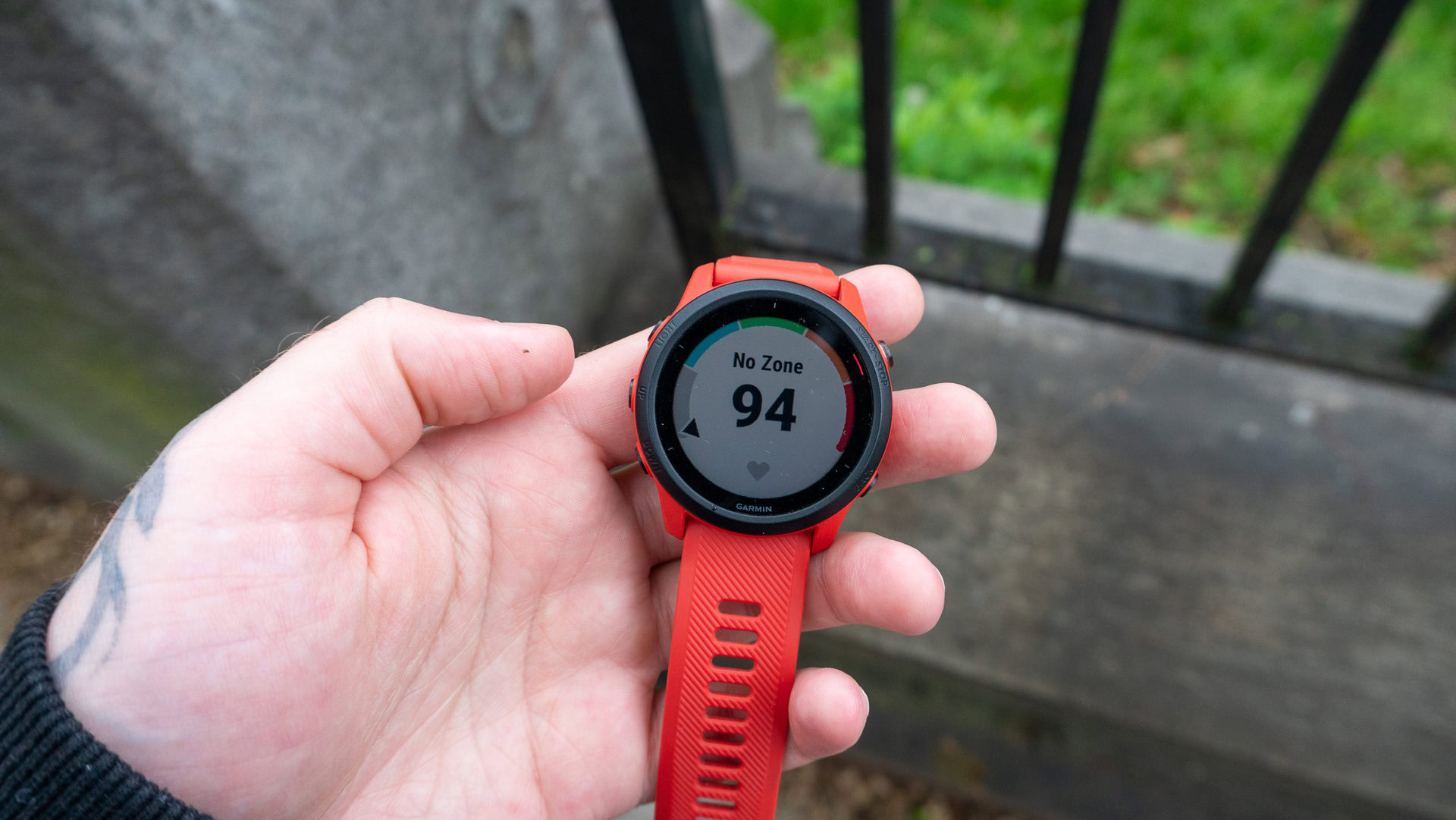
This sentiment is echoed by many who, like the author of the initial report, have transitioned from viewing their current smartwatches as communication hubs to primarily relying on them as sophisticated data-gathering instruments. The Garmin Forerunner 745, a device lauded for its robust tracking capabilities, including steps, runs, sleep patterns, heart rate, and stress levels, exemplifies this trend. Features like Garmin’s proprietary Body Battery, which estimates energy reserves based on sleep, recovery, and activity, are becoming increasingly central to users’ health optimization strategies. Yet, the necessity of wearing a relatively substantial sports watch 24/7, even for sleep tracking, presents its own set of challenges. The bulkiness can be uncomfortable during sleep, it may clash with formal attire, and the persistent presence of a screen can contribute to digital fatigue.
The Rise of the Screenless Smart Band: A Whoop-Inspired Revolution?
This evolving user preference has created a fertile ground for devices that emulate the success of specialized health trackers, most notably the Whoop strap. Whoop has carved a significant niche by offering a screenless, minimalist band focused exclusively on providing in-depth physiological data. This approach prioritizes a discreet, comfortable wear experience, emphasizing recovery, strain, and sleep quality without the constant interruptions of a traditional smartwatch. However, Whoop’s subscription-based model has been a point of contention for many consumers, creating an opportunity for competitors to offer a similar experience without the ongoing financial commitment.
Garmin’s Strategic Pivot: The Cirqa Emerges
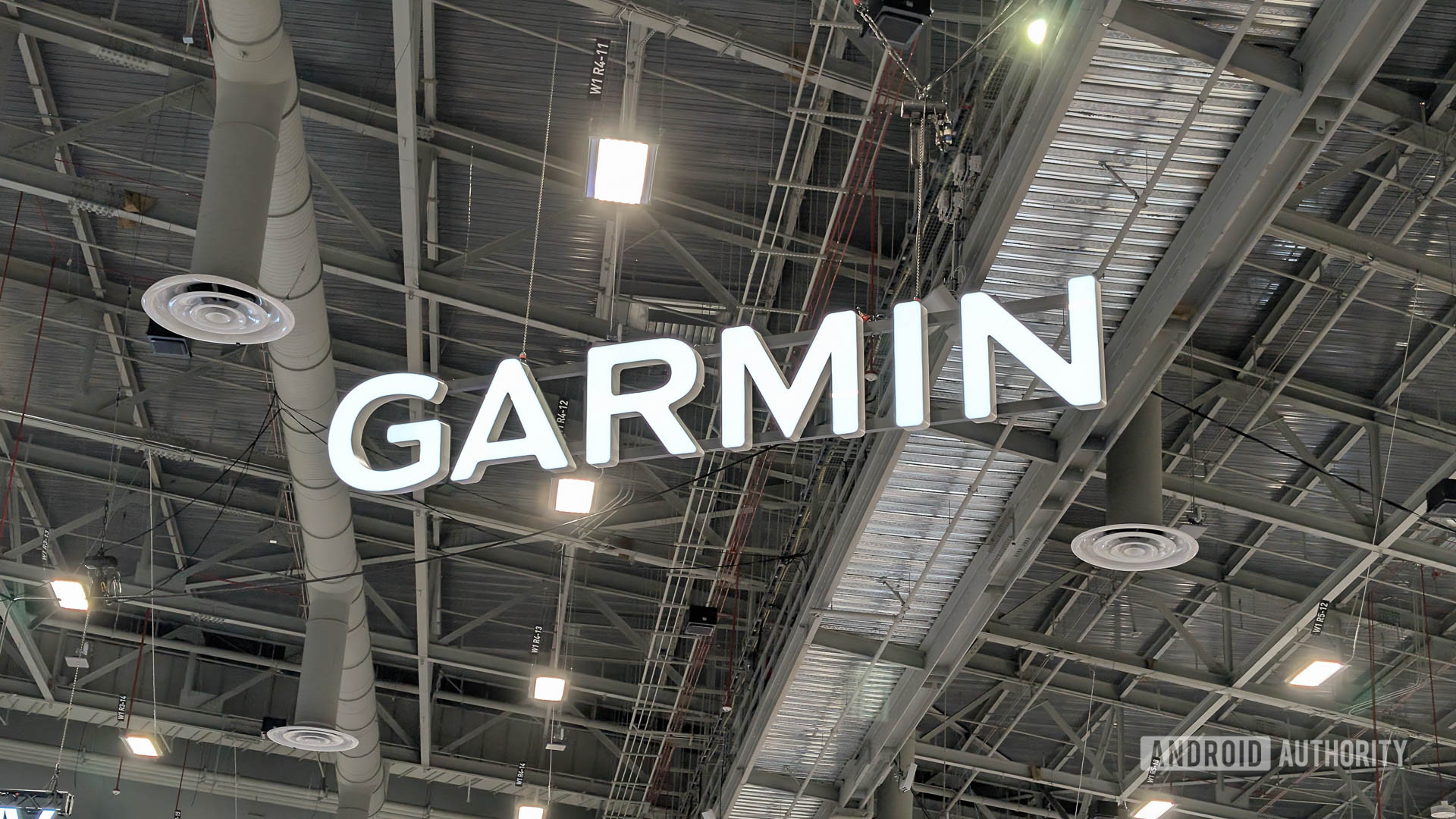
It is within this dynamic market context that the Garmin Cirqa is poised to make its debut. Leaks from Garmin’s own regional websites in late January 2024 have provided substantial details, suggesting a product that directly addresses the perceived shortcomings of current wearables and competes head-on with the screenless smart band segment. The Cirqa is not envisioned as a smartwatch but as a dedicated smart band, a designation that strongly implies a screenless design, aligning with the user preference for unobtrusive data collection.
The reported availability of the Cirqa in two sizes (S/M and L/XL) and two sophisticated colorways – black and French Gray – indicates a focus on comfort, style, and broad accessibility. This thoughtful design approach suggests Garmin’s intent to capture a market segment that values both advanced health analytics and a seamless integration into their daily lives, whether during intense athletic pursuits or formal social engagements.
Key Features and Anticipated Advantages of the Garmin Cirqa
Based on industry analysis and the leaked information, the Garmin Cirqa is expected to leverage Garmin’s established expertise in sensor technology and data analysis to deliver a compelling user experience. The core appeal of the Cirqa lies in its potential to combine the minimalist, distraction-free nature of the Whoop band with Garmin’s renowned accuracy and comprehensive ecosystem.
One of the most significant anticipated advantages of the Cirqa is the elimination of a subscription fee, a stark contrast to the Whoop model. This "buy-it-once" approach is likely to resonate strongly with consumers seeking long-term value and avoiding recurring costs. Furthermore, Garmin’s existing ecosystem of apps and services, including Garmin Connect, offers a robust platform for data visualization, trend analysis, and personalized insights. Users can expect to benefit from Garmin’s advanced algorithms for sleep tracking, recovery scores, and potentially new metrics tailored to the Cirqa’s specific focus.
The rumored inclusion of Garmin’s proprietary technologies, such as advanced heart rate monitoring and potentially blood oxygen saturation (SpO2) tracking, would further enhance the Cirqa’s appeal as a serious health and fitness tool. The ability to provide reliable, actionable data without the constant need to interact with a screen is precisely what a growing demographic of consumers is seeking. This focus on passive data collection allows users to concentrate on their physical activities and recovery without the cognitive overhead of managing a complex device.
Competitive Analysis: The Cirqa Versus Existing Offerings
The smart band market, while less crowded than the smartwatch segment, is not without its contenders. The Amazfit Helio Strap, for instance, has emerged as a popular, more budget-friendly alternative to Whoop. Priced at $100, it offers a compelling value proposition. However, reviews have highlighted certain limitations, including a battery life that, while decent at around 10 days, falls short of the industry-leading endurance of some competitors. Furthermore, past user experiences with Amazfit smartwatches have led some consumers, like the author of the original report, to express reservations about the brand’s reliability and long-term support.
Other brands, such as Polar with its Loop series, have also explored the smart band concept. However, these offerings have not always captured the same level of consumer interest or market penetration as the more specialized players. The Garmin Cirqa enters this competitive arena with the significant advantage of Garmin’s established reputation for durability, accuracy, and a loyal customer base. Garmin’s brand equity in the sports and fitness technology space is considerable, built over decades of delivering high-performance devices to athletes and outdoor enthusiasts.
Timeline and Market Implications
While Garmin has not officially announced the Cirqa, the appearance of leaks on its regional websites in late January suggests a product that is well into its development cycle. Industry observers anticipate a potential launch in May or June of 2024, positioning it strategically for the summer fitness season.
The successful launch of the Garmin Cirqa could have several significant implications for the wearable technology market:
- Diversification of Garmin’s Portfolio: The Cirqa represents a strategic diversification for Garmin, moving beyond its traditional stronghold of GPS watches and expanding its reach into the growing screenless health tracker segment. This could attract new customer demographics who may have previously found Garmin’s offerings too complex or feature-rich.
- Challenging the Subscription Model: By offering a premium, screenless smart band without a subscription, Garmin has the potential to significantly disrupt the business model employed by companies like Whoop. This could force other players in the market to re-evaluate their pricing strategies and subscription offerings.
- Redefining User Expectations: The Cirqa’s emphasis on unobtrusive data collection and long-term value could further shift consumer expectations away from feature overload and towards a more focused, data-driven approach to personal health management. This could accelerate the trend of prioritizing core functionality and user experience over superficial additions.
- Increased Competition and Innovation: The entry of a major player like Garmin into the screenless smart band market is likely to spur further innovation from existing competitors and potentially attract new entrants, leading to a more dynamic and competitive landscape.
Conclusion: A Glimpse into the Future of Wearables
The anticipation surrounding the Garmin Cirqa at CES 2025 underscores a broader trend in the wearable technology industry: a move towards more specialized, user-centric devices that prioritize core functionality and seamless integration into daily life. While the allure of the latest smartphone or smartwatch may continue to dominate headlines, the quiet revolution in how we track and understand our health is gaining momentum. The Cirqa, with its promise of a distraction-free experience, advanced Garmin analytics, and a compelling pricing model, stands as a testament to this evolving paradigm. For consumers seeking to optimize their well-being without the constant digital noise, the Garmin Cirqa may very well represent the next significant step forward in wearable health technology.