admin
admin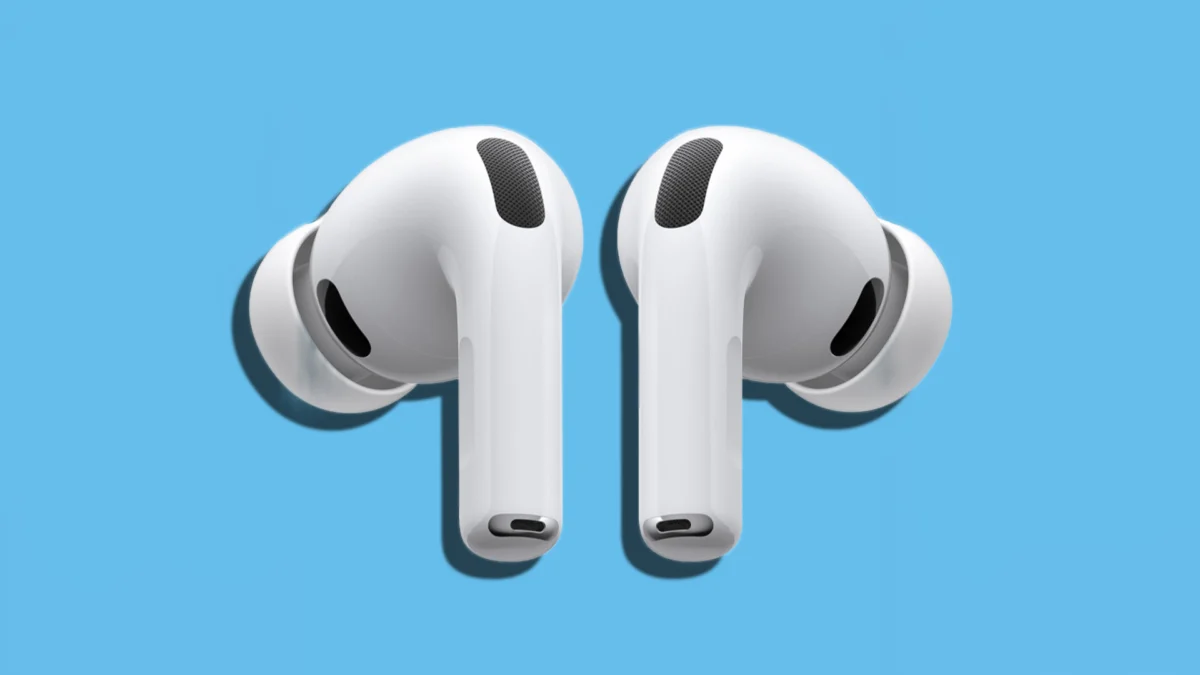
Amazon has officially reduced the retail price of Apple’s latest flagship wireless earbuds, the AirPods Pro 3, to a record-low figure of $199.99, representing a significant 20 percent discount from the original launch price of $249. This price adjustment follows a brief period where the device was positioned at $209.99, marking an aggressive move by the online retail giant to capture market share during a highly competitive season for consumer electronics. While the AirPods Pro 3 have maintained a premium price point since their debut, this latest reduction brings them into direct competition with mid-range offerings from other manufacturers, despite the advanced hardware and health-tracking sensors integrated into Apple’s latest iteration.
The current discount is viewed by industry analysts as a strategic maneuver to clear inventory and maintain sales momentum as the premium audio market becomes increasingly saturated. The AirPods Pro 3 represent a unique evolution in Apple’s audio lineup, balancing the retention of proven internal architecture with significant external and sensor-based upgrades. Although the price cut is substantial, historical data from Amazon suggests that such deep discounts are often volatile and subject to immediate expiration, prompting consumers to act swiftly to secure the hardware at sub-$200 levels.
Technical Architecture and the Evolution of Active Noise Cancellation
One of the most notable aspects of the AirPods Pro 3 is Apple’s decision to continue utilizing the H2 silicon chip, the same processor that powered the previous-generation AirPods Pro 2. However, the retention of the H2 chip does not imply stagnant performance. Instead, Apple has focused on mechanical engineering and software optimization to enhance the user experience. The primary driver of improved Active Noise Cancellation (ANC) in the third-generation model is the introduction of re-engineered, foam-infused eartips.
These eartips are designed to provide a superior acoustic seal compared to the standard silicone tips found on earlier models. By utilizing a hybrid material structure, the tips conform more effectively to the unique geometry of the user’s ear canal, providing enhanced passive noise isolation. This physical barrier works in tandem with the H2 chip’s computational audio algorithms to neutralize external frequencies more efficiently. According to technical specifications, this combination allows the AirPods Pro 3 to block out a wider spectrum of ambient sound, particularly in the mid-to-high frequency ranges where traditional ANC often struggles.
Furthermore, the physical redesign serves a dual purpose by improving the "fit security" of the earbuds. One of the most common complaints regarding previous iterations was the tendency for the earbuds to loosen during vigorous physical activity. The foam infusion provides a higher coefficient of friction against the skin, ensuring the devices remain seated during workouts or commutes.
The Integration of Biometric Health Monitoring
The AirPods Pro 3 mark a pivotal shift in Apple’s wearable strategy by transitioning the AirPods from a purely audio-focused accessory to a health-monitoring device. The most significant hardware addition is the integrated heart-rate monitor, which utilizes infrared (IR) light sensors located within the earbud housing. This sensor pulses IR light 256 times per second into the ear canal, a location that offers high vascularity and allows for more consistent readings than some wrist-based monitors during certain types of movement.
This data is processed in real-time and synced directly with the Health app on a paired iPhone, allowing users to monitor their cardiovascular performance during exercise or throughout the day without requiring an Apple Watch. This integration of biometric sensors into the ear canal reflects a broader trend in the "hearables" market, where manufacturers are seeking to consolidate multiple functions into a single device. By leveraging the ear’s proximity to the core, Apple is able to provide high-fidelity health data that complements its existing ecosystem of health-tracking hardware.
Battery Life Dynamics and Power Management Trade-offs
The transition to the AirPods Pro 3 has introduced a complex shift in power management and battery life. On an individual earbud level, the efficiency of the H2 chip and optimized power delivery systems have resulted in an improvement in runtime. Users can expect up to 8 hours of continuous playback with Active Noise Cancellation enabled, and up to 10 hours when utilizing Transparency Mode. This represents a tangible increase in longevity for single-session use, catering to long-haul travelers and office workers.
However, this increase in earbud stamina has come at the cost of the MagSafe Charging Case’s total capacity. The new charging case provides a total of 24 hours of listening time, a 6-hour reduction from the 30-hour total offered by the AirPods Pro 2. Industry experts suggest this reduction may be the result of internal space constraints caused by the inclusion of the new U2 ultra-wideband chip and the sensors required for advanced health tracking. While the total "away-from-wall" time has decreased, the increased per-charge life of the earbuds themselves may mitigate the impact for most users who charge their cases on a daily or semi-daily basis.
Enhanced Connectivity and Environmental Durability
The AirPods Pro 3 also feature the next-generation U2 ultra-wideband (UWB) chip within the MagSafe Charging Case. This upgrade significantly enhances the "Find My" capabilities of the device. The U2 chip allows for "Precision Finding," enabling users to locate a misplaced case with centimeter-level accuracy at distances of up to 200 feet (approximately 60 meters). This is a substantial improvement over the previous generation, offering greater peace of mind for users prone to misplacing their accessories in cluttered environments.
In terms of durability, the AirPods Pro 3 have received an IP57 rating. This certification indicates that the earbuds are protected against dust ingress and can withstand immersion in water up to one meter deep for 30 minutes. This is an upgrade over the IPX4 rating of previous models, which only offered protection against splashes. The inclusion of dust resistance makes the AirPods Pro 3 more suitable for outdoor environments, such as hiking trails or beaches, where particulate matter could previously damage the sensitive internal microphones and acoustic drivers.
Comparative Chronology of the AirPods Pro Lineup
To understand the value proposition of the $199.99 price point, it is necessary to examine the timeline of the AirPods Pro series:
- AirPods Pro (1st Gen) – October 2019: Introduced ANC, Transparency Mode, and the H1 chip. It set the standard for the "Pro" tier of Apple’s audio products with a launch price of $249.
- AirPods Pro (2nd Gen) – September 2022: Featured the H2 chip, 2x better ANC, and a volume-control touch interface. It also introduced the speaker in the charging case for Find My alerts.
- AirPods Pro (3rd Gen) – Launch: Maintained the $249 MSRP but pivoted toward health integration and improved mechanical isolation through foam-infused tips.
- Current Market Status: The reduction to $199.99 on Amazon represents the first time the third-generation flagship has hit a 20% discount threshold, traditionally a signal of high-volume retail push.
This chronology illustrates Apple’s strategy of iterative hardware improvements. While the jump from Gen 2 to Gen 3 did not include a new processor (H3), the addition of the U2 chip, IP57 rating, and heart-rate sensors constitutes a significant feature expansion that justifies the "Pro" moniker.
Market Implications and Competitive Landscape
The decision by Amazon to slash prices to $199.99 places the AirPods Pro 3 in a highly aggressive position against its primary rivals. The premium wireless earbud market is currently dominated by three major players: Apple, Sony, and Bose. Sony’s WF-1000XM5 and the Bose QuietComfort Ultra Earbuds are frequently cited as the primary competitors to the AirPods Pro 3, often retailing between $249 and $299.
By offering the AirPods Pro 3 at $199, Amazon is targeting the "value-conscious premium" consumer. This price point is particularly disruptive because it nears the territory of the standard AirPods 4 with ANC, which lacks the advanced health sensors and superior seal of the Pro model. For consumers within the Apple ecosystem, the $199 price point effectively removes the financial barrier to choosing the flagship model over the mid-range alternatives.
Analyst reactions to the price drop suggest that Apple and its retail partners are keenly aware of the shortening life cycles of consumer electronics. With competitors frequently updating their ANC algorithms via firmware, hardware-based advantages like the foam-infused tips and IR heart-rate sensors become the primary differentiators. The $199 price point is expected to trigger a surge in sales volume, potentially leading to stock shortages if the discount is maintained for an extended period.
Environmental and Sustainability Considerations
In line with Apple’s broader environmental goals, the AirPods Pro 3 and their charging case incorporate recycled materials in their construction. The use of recycled rare earth elements in the magnets and recycled gold in the plating of various circuit boards reflects the company’s "Apple 2030" initiative to become carbon neutral across its entire footprint. While the shift to foam-infused eartips introduces a different material profile, Apple has maintained its focus on reducing the use of harmful plastics and ensuring that the packaging is nearly 100% fiber-based.
The increased durability provided by the IP57 rating also contributes to the longevity of the device, potentially reducing electronic waste by preventing premature failure due to environmental exposure. As the industry moves toward more sustainable manufacturing, the AirPods Pro 3 represent a balance between high-tech sensor integration and responsible material sourcing.
Conclusion and Consumer Outlook
The AirPods Pro 3 at $199.99 represent one of the most compelling values in the current personal audio market. While the reduction in case battery life may be a point of contention for some, the improvements in active noise cancellation, the addition of heart-rate monitoring, and the enhanced "Find My" capabilities provide a robust feature set that outweighs the minor trade-offs.
As Amazon continues to fluctuate its pricing based on real-time demand and inventory levels, this $50 discount serves as a significant opportunity for users looking to upgrade from aging first-generation models or those transitioning into the Apple ecosystem. Given the historical patterns of such discounts, it is unlikely that the $199.99 price will remain a permanent fixture, making the current window a critical time for prospective buyers to finalize their purchase. The AirPods Pro 3 stand as a testament to the fact that even without a new generation of silicon, thoughtful engineering and sensor integration can significantly elevate the user experience in the wireless audio category.