Evan Lee Salim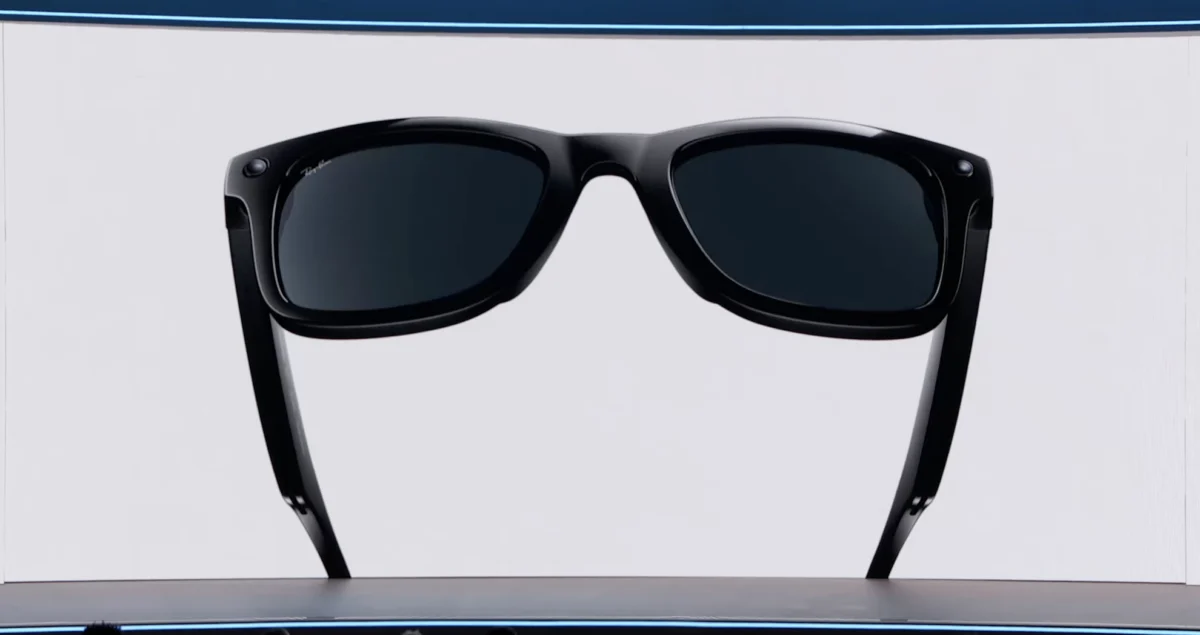
Confirming earlier industry speculation and leaked reports, Meta officially announced its foray into camera-free smart eyewear with the introduction of the Ray-Ban Meta Audio glasses at its annual Connect 2026 conference on Wednesday. This strategic launch marks a significant pivot for the tech giant, aiming to address the persistent privacy concerns that have plagued previous generations of camera-equipped AI glasses. Dubbed somewhat clunkily, the new audio-only devices are designed to combat the "pervert glasses" moniker that critics and the public alike had unfortunately bestowed upon their predecessors due due to perceived misuse.
Developed in collaboration with Meta’s long-standing hardware partner, EssilorLuxottica, the Ray-Ban Meta Audio glasses will initially retail at $349. These devices are meticulously engineered to offer a suite of audio-centric functionalities, including seamless music and podcast playback, crystal-clear call capabilities, real-time speech translation, and direct interaction with Meta’s proprietary AI assistant, Muse. The absence of an integrated camera is the defining feature, setting these glasses apart in a rapidly evolving wearable technology landscape.
A Strategic Retreat from the Visual Frontier
The decision to launch an audio-only variant is a direct response to the considerable reputational damage Meta has incurred since the introduction of its initial camera-equipped smart glasses. Reports extensively documented instances where individuals, predominantly men, were alleged to be using AI glasses to covertly record videos without explicit consent from subjects, sparking widespread outrage and fueling debates about digital privacy in public spaces. Despite Meta’s attempts to mitigate these concerns – including software updates designed to disable the camera if the recording indicator LED light was tampered with – the pervasive "creepiness factor" lingered, significantly hampering public acceptance and adoption.
This latest device represents a calculated effort to regain consumer trust and carve out a less controversial niche in the smart eyewear market. By eliminating the camera, Meta seeks to remove the primary source of public apprehension, allowing users to engage with AI technology in a more discreet and socially acceptable manner. The move also positions the Ray-Ban Meta Audio glasses as a direct competitor to popular audio wearables such as Apple’s Siri-powered AirPods, offering an integrated, hands-free smart audio experience within a stylish eyewear form factor.
The Evolution of Smart Glasses: A Tumultuous History
The journey of smart glasses from futuristic concept to consumer product has been fraught with challenges, particularly concerning privacy. The precedent was arguably set by Google Glass, launched in 2013, which initially generated immense hype but quickly became synonymous with privacy invasion. Early adopters, dubbed "Glassholes," faced social ostracism and even outright bans in various establishments due to the perceived threat of constant, inconspicuous recording. This early backlash highlighted the profound societal discomfort with always-on cameras on personal devices, particularly when integrated into an item as ubiquitous as eyewear.
Following Google Glass’s commercial struggles and eventual pivot away from the consumer market, other players attempted to re-enter the space with varying degrees of success. Snap Inc.’s Spectacles, introduced in 2016, aimed for a more casual, fun-focused approach to recording, featuring a distinct design and a prominent recording indicator. While less controversial than Google Glass, Spectacles also saw limited mainstream adoption, further underscoring the delicate balance between utility and privacy in smart glasses.
Meta’s own entry into this arena began in 2021 with the original Ray-Ban Stories, developed in partnership with EssilorLuxottica. These glasses featured dual 5MP cameras capable of capturing photos and short videos, alongside integrated speakers and microphones for audio playback and calls. Despite the collaboration with an iconic fashion brand, the privacy concerns resurfaced almost immediately. Critics pointed to the small, often unnoticeable LED indicator light as insufficient warning for those being recorded, leading to public distrust and the aforementioned "pervert glasses" moniker gaining traction in popular discourse. Meta’s subsequent efforts, such as the software update to disable recording if the LED was obscured, proved largely insufficient to assuage public anxiety.
Zuckerberg’s Vision: Embracing the Audio Frontier
During his keynote address at Connect 2026, Meta CEO Mark Zuckerberg articulated the strategic rationale behind the new audio-only offering. "Once you get used to high quality audio, it’s just a thing that you want all the time, right?" Zuckerberg remarked, emphasizing the inherent desire for a seamless, ever-present audio experience. He further elaborated that the company, through extensive research and development, recognized the potential to cultivate an entirely new category of smart glasses centered exclusively around audio capabilities. This perspective suggests a strategic recognition of consumer behavior and a pragmatic adjustment to market demands, moving away from features that have proven to be social deterrents.
The development of the Ray-Ban Meta Audio glasses represents a clear acknowledgment of past missteps and a concerted effort to recalibrate Meta’s approach to wearable technology. By focusing on audio, Meta can leverage its strengths in AI and integrated experiences without the baggage of pervasive privacy concerns, potentially opening up a broader market segment of users who value convenience and discreet functionality over visual capture.
Design, Features, and Availability

Beyond their camera-free distinction, the Ray-Ban Meta Audio glasses boast impressive design and technical specifications. Freed from the necessity of housing cameras and their associated components, the glasses are notably slimmer and lighter than Meta’s previous models, weighing in at a mere 43 grams. This reduction in bulk significantly enhances comfort for extended wear, a crucial factor for daily use.
The design emphasizes user comfort and adaptability, featuring adjustable temple tips, swappable nose pads, and overextension hinges to ensure a customized fit. Battery life is a significant selling point, with Meta claiming up to 12 hours of continuous use on a single charge. This extends considerably to an impressive 48 hours with the included charging case, addressing a common pain point in many portable electronic devices.
Aesthetic versatility is also a key component of the launch strategy. The Ray-Ban Meta Audio glasses will be available in a wide array of options, encompassing 23 distinct color and lens combinations. The collection introduces two new styles: a retro-inspired "Clubmaster" Ray-Ban design and "Burbank," described as a more classic, timeless rectangle shape. Consistent with Meta’s broader eyewear offerings, consumers will also have the option to order the glasses with their optical prescriptions, enhancing their practicality and appeal to a wider demographic. Preorders for the Ray-Ban Meta Audio glasses are slated to commence on October 13.
The Dual Strategy: Camera-Equipped Glasses Evolve Alongside
While the spotlight at Connect 2026 shone brightly on the audio-only innovation, Meta simultaneously unveiled its next-generation camera-equipped AI glasses, the Ray-Ban Meta (Gen 3). This simultaneous launch underscores Meta’s dual-pronged strategy: to capture the privacy-conscious audio market while continuing to advance its visual capture capabilities for users who prioritize them.
The Ray-Ban Meta (Gen 3) builds upon the foundational Ray-Ban Meta Wayfarer style, introducing two new fashion-forward frames: the iconic Aviator and "Zena," a modern cat-eye shape designed to appeal to a broader stylistic preference. These third-generation devices feature a significantly upgraded 12 MP camera, capable of recording 3K Ultra HD video, marking a substantial leap in visual fidelity. An advanced six-microphone array promises superior audio capture for video and calls, while battery life is rated at up to nine hours. The continued investment in camera-equipped smart glasses, albeit with enhanced features, suggests that Meta views visual capture as an integral part of its long-term vision for augmented reality, even as it navigates current privacy sensitivities.
Expanding Ecosystem and Future Enhancements
All of Meta’s AI glasses, both audio-only and camera-equipped, will seamlessly integrate with its next-generation personal AI assistant, Muse. This AI is central to Meta’s strategy of delivering highly personalized and context-aware digital experiences, providing users with information, translation, and assistance directly through their eyewear.
Beyond the new hardware, Meta teased a series of significant software updates and features slated for rollout across its AI glasses ecosystem. These include support for Dolby Atmos Capture, promising an immersive audio recording experience; a "best photo" feature that intelligently selects the optimal image from multiple frames; and the flexibility to choose between landscape or portrait recording modes. Accessibility enhancements are also on the horizon, with hearing enhancements tailored for individuals with hearing loss. Further refinements include more detailed AI responses, various audio modes for different environments, customizable controls, and a crucial feature dubbed "private processing." Meta asserts that this technology will prevent the company from accessing or reviewing user data, aiming to further bolster privacy and rebuild trust.
The broader strategy also involves expanding the global reach and market appeal of Meta’s smart glasses. An expanded lineup of styles and colors for the EssilorLuxottica-designed glasses is planned, complemented by new high-profile brand partnerships. Following the successful collaboration with Kylie Jenner, Meta announced a new partnership with global music sensation Lisa, signaling a clear intent to leverage celebrity influence to drive consumer adoption and establish fashion credibility in key international markets. These glasses are also slated for rollout in more countries globally, indicating Meta’s ambition for widespread market penetration.
Implications and the Road Ahead
The introduction of the Ray-Ban Meta Audio glasses represents a crucial strategic move for Meta in the competitive and often controversial wearables market. By consciously stepping back from the camera-centric approach that fueled significant public backlash, Meta is attempting to create a new category of smart eyewear that prioritizes privacy and discreet utility. This pivot could prove instrumental in repairing the brand’s image and fostering broader consumer acceptance for smart glasses as a whole.
The simultaneous launch of the advanced Ray-Ban Meta (Gen 3) demonstrates that Meta is not abandoning its vision for augmented reality and visual capture but is instead segmenting its offerings to cater to diverse consumer needs and comfort levels. This dual strategy acknowledges the nuanced complexities of integrating advanced technology into personal items worn on the face.
The success of the Ray-Ban Meta Audio glasses will largely depend on Meta’s ability to convincingly communicate its commitment to privacy, ensure robust data security measures, and deliver a compelling, reliable user experience. In a world increasingly wary of ubiquitous surveillance, a truly private smart wearable could redefine consumer expectations and pave the way for a more integrated, yet ethically conscious, future of personal technology.