Clarissa Hana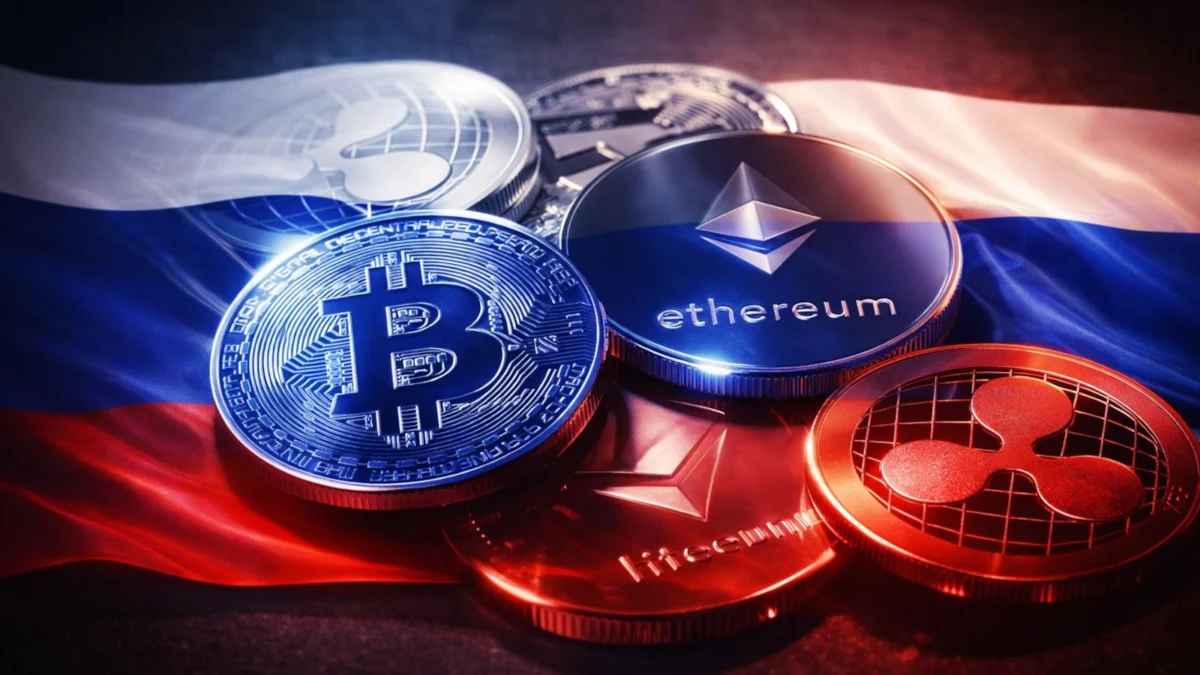
Kyrgyzstan-based cryptocurrency exchange Grinex has abruptly suspended its operations following a significant security breach that resulted in the loss of approximately $13.7 million in digital assets. In a public statement, the exchange pointed fingers at "Western intelligence" agencies, alleging that the sophisticated attack was orchestrated with the explicit aim of undermining Russia’s financial sovereignty. The stolen funds were reportedly held in cryptocurrency wallets belonging to Russian users, highlighting Grinex’s role as a crucial facilitator for crypto-ruble exchanges between Russian businesses and individuals.
Background: Grinex’s Origins and Sanctions
Grinex, which commenced operations early last year, has deep-seated Russian connections. It is widely believed to be a rebranded iteration of Garantex, a Russian cryptocurrency exchange that faced severe repercussions. Garantex’s administrator was arrested, and its domains were seized amidst allegations of processing over $100 million in illicit transactions and actively facilitating money laundering activities.
The U.S. Department of the Treasury officially sanctioned Grinex in August 2025. This action was based on substantial evidence indicating that Grinex was a direct continuation of Garantex’s operations. The Treasury’s assessment highlighted that Grinex was accepting the same actors, their illicitly obtained funds, and was fulfilling an identical role in enabling illegal financial activities. This move by the U.S. Treasury underscored international efforts to curtail the use of cryptocurrency exchanges for evading sanctions and engaging in financial crime.
Despite these sanctions, Grinex continued to operate, providing a crucial avenue for Russia to maintain a degree of financial autonomy and circumvent international banking restrictions. A key element of its operational strategy was the continued utilization of a Russian ruble-backed stablecoin, known as A7A5. This stablecoin was directly inherited from Garantex, further solidifying the perceived link between the two entities and their shared objective of facilitating sanctioned financial flows.
The Attack: A Sophisticated Operation and Grinex’s Accusations
The security breach, which Grinex claims occurred on Wednesday at approximately 12:00 UTC, has been described by the exchange as a highly sophisticated operation. Grinex’s statement asserts that the nature of the attack, coupled with its digital footprint, strongly indicates a threat actor associated with "foreign intelligence agencies." The exchange further elaborated that such an attack would require "an unprecedented level of resources and technology, accessible only to entities of hostile states."
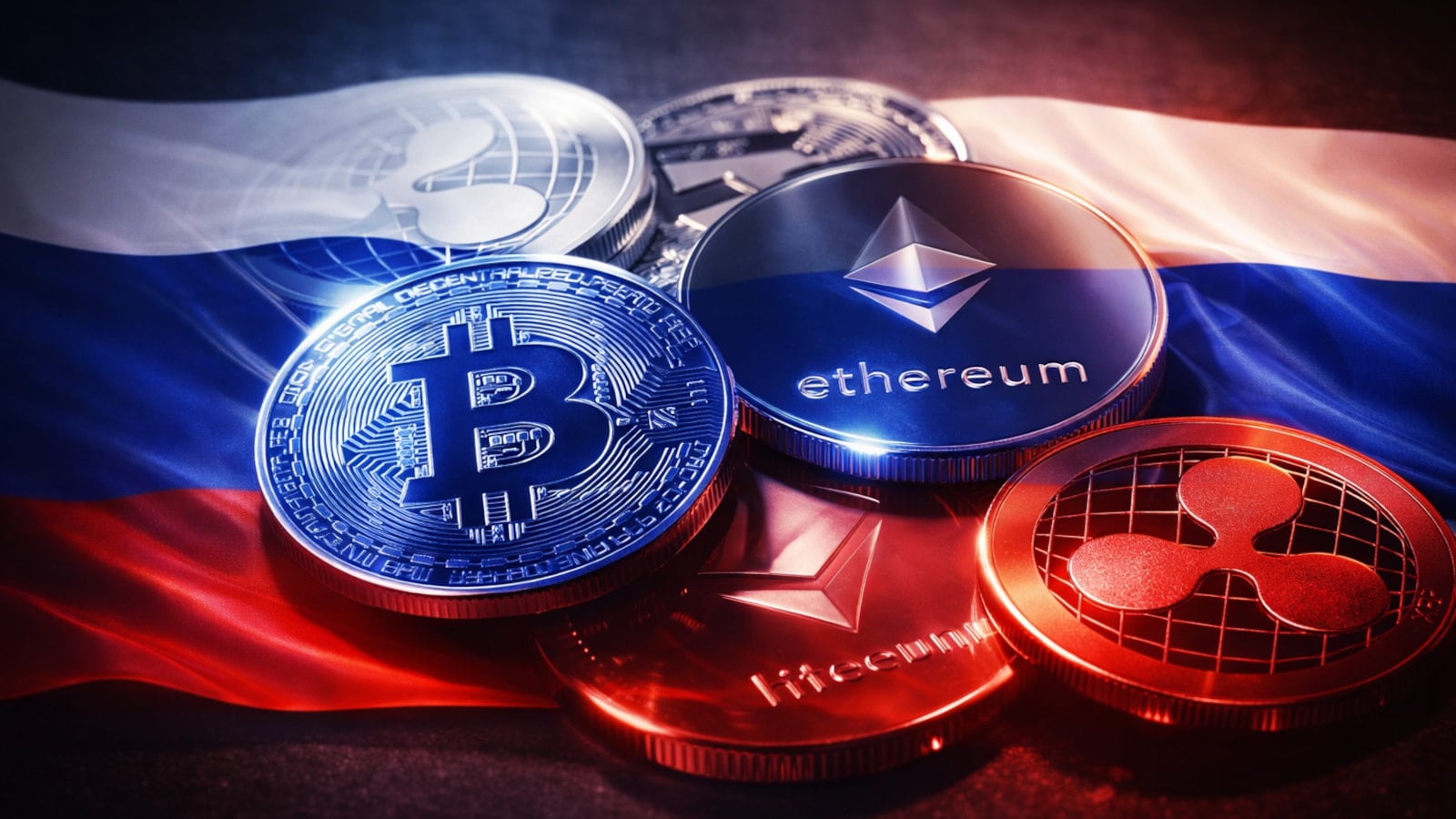
Grinex explicitly stated, "According to preliminary data, the attack was coordinated with the aim of directly harming Russia’s financial sovereignty." This accusation directly attributes the hack to state-sponsored actors with geopolitical motivations, aiming to disrupt Russia’s ability to engage in international financial transactions, particularly in the face of existing sanctions.
Blockchain Analysis and Unraveling the Funds’ Trail
Independent blockchain analysis firms have provided crucial insights into the mechanics of the theft and the subsequent movement of the stolen funds. Elliptic, a prominent blockchain analytics firm, reported that the stolen assets were transferred to TRON and Ethereum addresses. From these addresses, the funds were subsequently converted into TRX (TRON) and ETH (Ethereum) through the SunSwap decentralized trading protocol. This method of obfuscation, involving decentralized exchanges, is a common tactic employed by cybercriminals to obscure the origin and destination of stolen cryptocurrency.
Adding another layer to the unfolding events, TRM Labs, a blockchain intelligence firm, identified a staggering 70 distinct attacker addresses involved in the Grinex hack. Furthermore, TRM Labs reported a concurrent and related hack at TokenSpot, another cryptocurrency exchange based in Kyrgyzstan that shares ties with Grinex. This suggests a potential coordinated effort or a shared vulnerability exploited across multiple platforms.
TRM Labs’ investigation also revealed significant connections between TokenSpot and activities that align with broader geopolitical concerns. The firm linked TokenSpot to Houthi-linked laundering operations, efforts related to weapons procurement, and the InfoLider influence operation in Moldova. These connections, particularly the association with Houthi activities and potential weapons procurement, further fuel speculation about the state-sponsored nature of these cybercriminal enterprises, as these groups have often been linked to state actors.
Lack of Concrete Evidence and Unanswered Questions
Despite Grinex’s strong accusations, it is crucial to note that neither the exchange’s public statement nor the reports from Elliptic and TRM Labs have provided any concrete evidence or specific indicators that definitively point to a particular perpetrator or group of perpetrators. The attribution to "Western intelligence services" remains an assertion by Grinex, without the presentation of technical evidence to substantiate this claim.
BleepingComputer, a cybersecurity news outlet, reached out to Grinex for further clarification and evidence regarding their attribution of the attack. However, as of the time of publication, no response had been received. This lack of transparency regarding the evidence supporting their claims leaves a significant gap in the public understanding of the incident.

Broader Implications and Geopolitical Tensions
The Grinex hack and the subsequent accusations have far-reaching implications that extend beyond a mere financial loss for the exchange and its users. The incident highlights the ongoing struggle to maintain financial sovereignty in an increasingly interconnected and sanctioned global economy. For Russia, the ability to bypass international financial restrictions through alternative channels like cryptocurrency exchanges remains a strategic imperative. The alleged attack, if proven to be state-sponsored, would represent a significant escalation in the cyber warfare landscape, targeting not just financial infrastructure but also the perceived stability and autonomy of a nation’s economy.
The involvement of entities like TokenSpot, with reported links to Houthi operations, also raises concerns about the broader ecosystem of cryptocurrency exchanges operating in regions with complex geopolitical affiliations. These exchanges can become conduits for illicit finance, supporting various state-sponsored or state-aligned activities, including terrorism financing and influence operations.
The lack of verifiable evidence presented by Grinex, while understandable from a strategic communication perspective, underscores the challenges in attributing sophisticated cyberattacks. The digital realm offers anonymity and deniability, making it difficult to definitively assign responsibility, especially when state actors are involved. This ambiguity can be exploited to sow discord, spread misinformation, and achieve strategic objectives without direct accountability.
The incident also serves as a stark reminder of the inherent risks associated with cryptocurrency exchanges, particularly those operating in jurisdictions with less stringent regulatory oversight or those catering to users in sanctioned economies. The decentralized nature of cryptocurrencies, while offering benefits, also presents opportunities for illicit actors to exploit vulnerabilities and engage in cross-border financial crimes with a degree of impunity.
Moving forward, the Grinex incident is likely to fuel further scrutiny of cryptocurrency exchanges with ties to sanctioned nations and may prompt increased efforts by international bodies to enhance regulatory frameworks and intelligence sharing to combat illicit financial flows in the digital asset space. The narrative presented by Grinex, while unsubstantiated, reflects a broader geopolitical tension where financial warfare is increasingly waged through sophisticated cyber operations, leaving a trail of stolen funds and unanswered questions in its wake. The ongoing investigation by blockchain analysis firms will be critical in piecing together a more complete picture of the attack and its potential perpetrators, regardless of the geopolitical narratives that may emerge.