Metty Iskandar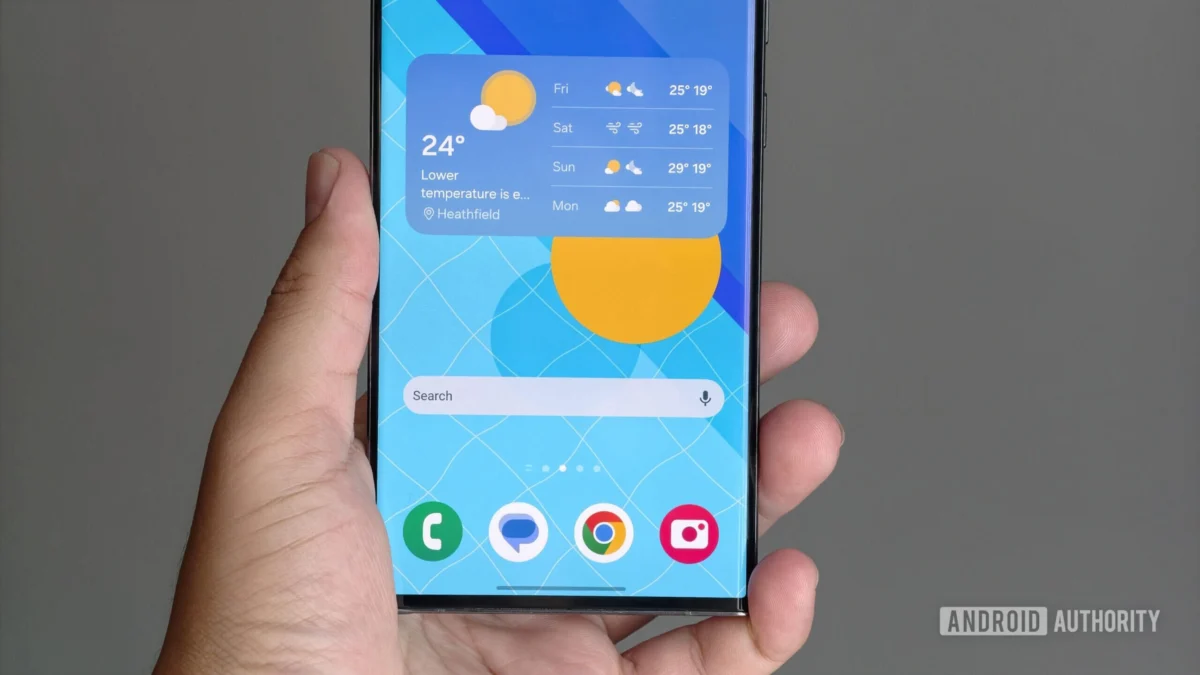
The theft of a Google Pixel 7 Pro in January prompted a significant shift in primary device usage for Android Authority contributor Hadlee Simons, leading to an extended period with the Samsung Galaxy S23 Ultra. This transition, from a device deeply rooted in Google’s software ecosystem to Samsung’s mature One UI, offers a unique perspective on the strengths and weaknesses of both flagship Android experiences. While the author has reviewed various Samsung devices previously, including the Galaxy S25 FE and Galaxy Z Flip 7 FE, this marks a return to using a Galaxy phone as a dedicated daily driver, encompassing all aspects of personal and professional use. The following analysis details the experience of this switch, highlighting key features, performance aspects, and areas where each platform excels or falls short.
The Allure of the Familiar: Leveraging Samsung’s Feature Set
One of the most immediate advantages of moving from a Pixel to a Samsung device is the surprising overlap in certain advanced software features. Samsung’s One UI, in its current iteration, has incorporated functionalities that were previously exclusive to or strongly associated with Google’s Pixel line. This includes robust call transcription services and a dedicated recorder app that offers on-device transcription capabilities. Furthermore, the broader availability of call recording on Samsung flagship devices, a feature that Google has been slower to roll out globally, is a significant practical benefit for users in regions where it is permitted.
Beyond call management, Samsung’s integration of AI-driven features, often collectively branded as Galaxy AI, provides a familiar landscape for former Pixel users. This encompasses functionalities such as webpage summaries, concise call summaries, intelligent writing assistance, real-time call translation, and generative photo editing tools. While the author expresses a personal disinterest in many AI applications, the existence of these widely equivalent options reassures potential switchers that they will not be sacrificing core intelligent functionalities.
The S23 Ultra also distinguishes itself with a suite of everyday quality-of-life enhancements that go beyond basic smartphone operations. Features like "Modes and Routines" allow for extensive automation based on context, the "Now Brief/Now Bar" provides at-a-glance information, "Dual Messenger" enables the use of separate accounts for messaging apps, and stacked widgets offer greater on-screen organization. Even seemingly minor additions, such as one-time password generation for hotspots, temporary mute functionalities, and enhanced power-off verification, contribute to a more refined and user-centric experience compared to the more minimalist approach often found on Pixel devices.
A significant differentiator for Samsung is its "Good Lock" application suite. This collection of modular customization tools empowers users to tailor their device’s interface and functionality to an unprecedented degree. While the author admits to not utilizing every module, specific features like per-app volume controls through "Sound Assistant" and the "Quick Tap Shutter" in "Camera Assistant" are highlighted as particularly valuable. The lack of a comparable, readily available customization platform from other manufacturers, including Google, is noted as a missed opportunity for the broader Android ecosystem. However, it is also acknowledged that Samsung faces challenges in ensuring the widespread availability of all Good Lock modules across all global markets.
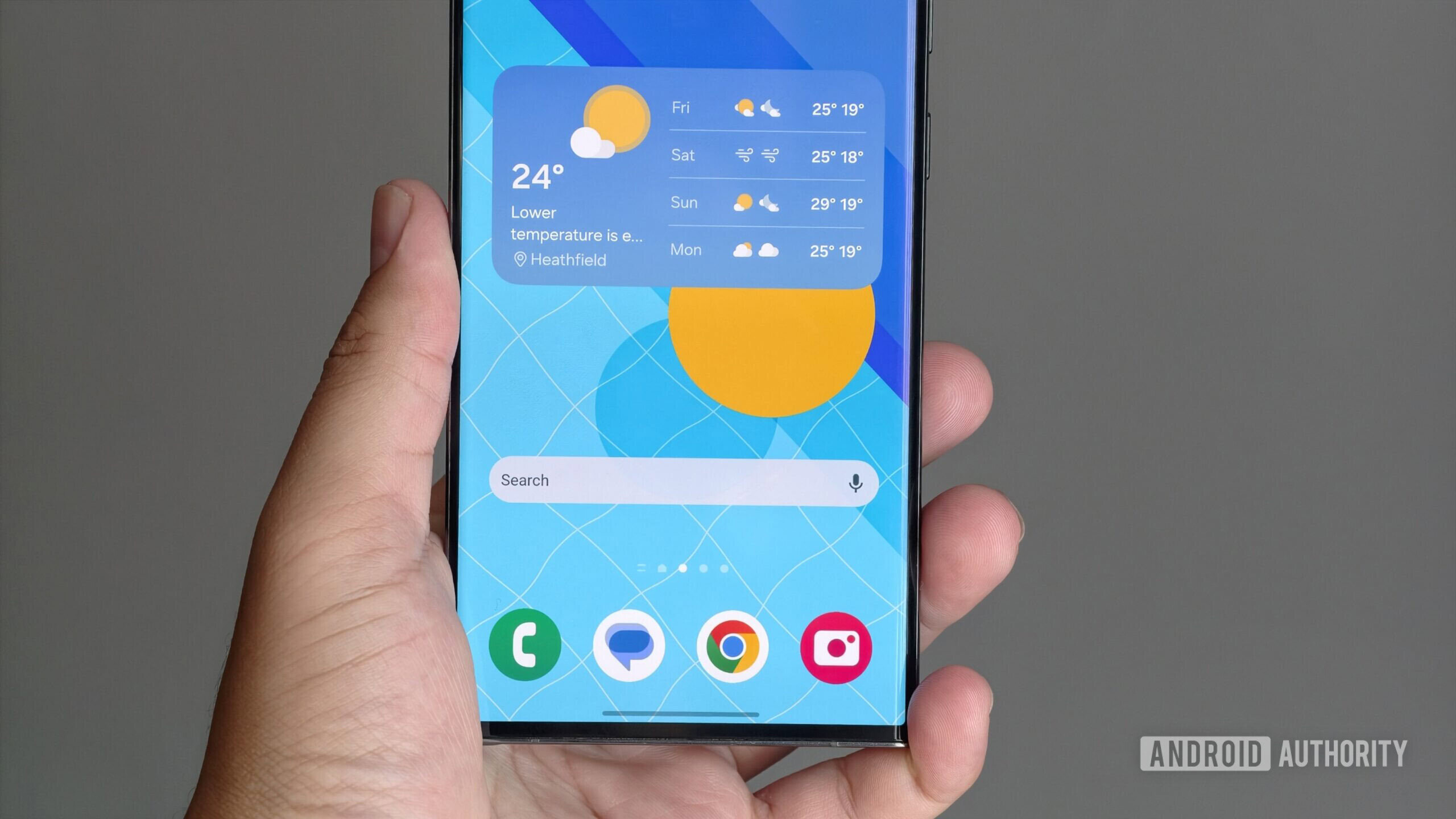
Samsung DeX, the company’s desktop environment, remains a compelling feature, even if its practical application is not frequent for every user. The author recounts a positive experience utilizing the S23 Ultra as a desktop emulation station, and references ongoing discussions about the shortcomings of Pixel’s desktop mode, underscoring DeX’s more mature and capable implementation. This functionality positions Samsung devices as more versatile tools, capable of bridging the gap between mobile and desktop computing.
Under the Hood: Performance, Battery, and Camera Capabilities
The Samsung Galaxy S23 Ultra, powered by the Snapdragon 8 Gen 2 for Galaxy chipset, continues to deliver robust performance even into 2026. System navigation is fluid, and demanding mobile games are handled with ease. The chipset’s capabilities are expected to surpass even future Pixel generations in advanced emulation scenarios, indicating its sustained power and efficiency.
Battery life on the S23 Ultra is reported as a strong suit, consistently providing approximately 1.5 days of use on a single charge. This endurance is further bolstered by the device’s battery longevity rating, which supports up to 2,000 charging cycles before capacity drops below 80%. This stands in stark contrast to the 1,000 charging cycles certified for Pixel phones, suggesting a longer effective lifespan for the S23 Ultra’s battery before degradation necessitates replacement.
The camera system on the S23 Ultra presents a mixed but ultimately positive experience. While the author expresses a slight reservation regarding the overall image quality from the lower-resolution 3x and 10x telephoto lenses, the reintroduction of a dedicated 10x optical zoom lens is highly appreciated. This provides a significant advantage for capturing distant subjects and for video recording at extended focal lengths, even if more recent flagships may offer higher-resolution 10x imagery. The ability to shoot 8K video locally, without reliance on cloud processing like Google’s Video Boost, is also a notable advantage for users who prefer on-device capabilities. Features like "Single Take" and high-quality daytime video capture further enhance the S23 Ultra’s camera versatility.
The integrated Gallery app on Samsung devices is also a point of praise. While Google Photos is a capable platform, Samsung Gallery offers a suite of built-in editing tools, including reflection, shadow, and object erasure, as well as moiré removal. These readily accessible tools streamline common photo editing tasks without requiring third-party applications.
Lingering Attachments: The Pixel Features Still Missed
Despite the compelling advantages of the Samsung experience, certain Pixel-specific features remain noticeable absences on the S23 Ultra. The presence of pre-installed bloatware, comprising both Samsung’s proprietary applications and select Microsoft offerings, is a persistent issue. While not as intrusive as the ad-laden system apps found on some other manufacturers’ devices, the sheer volume of pre-installed software is a point of contention. The author also expresses a preference for Google’s Material 3 "Expressive" visual design language, finding it more aesthetically pleasing than One UI and other Android skins.
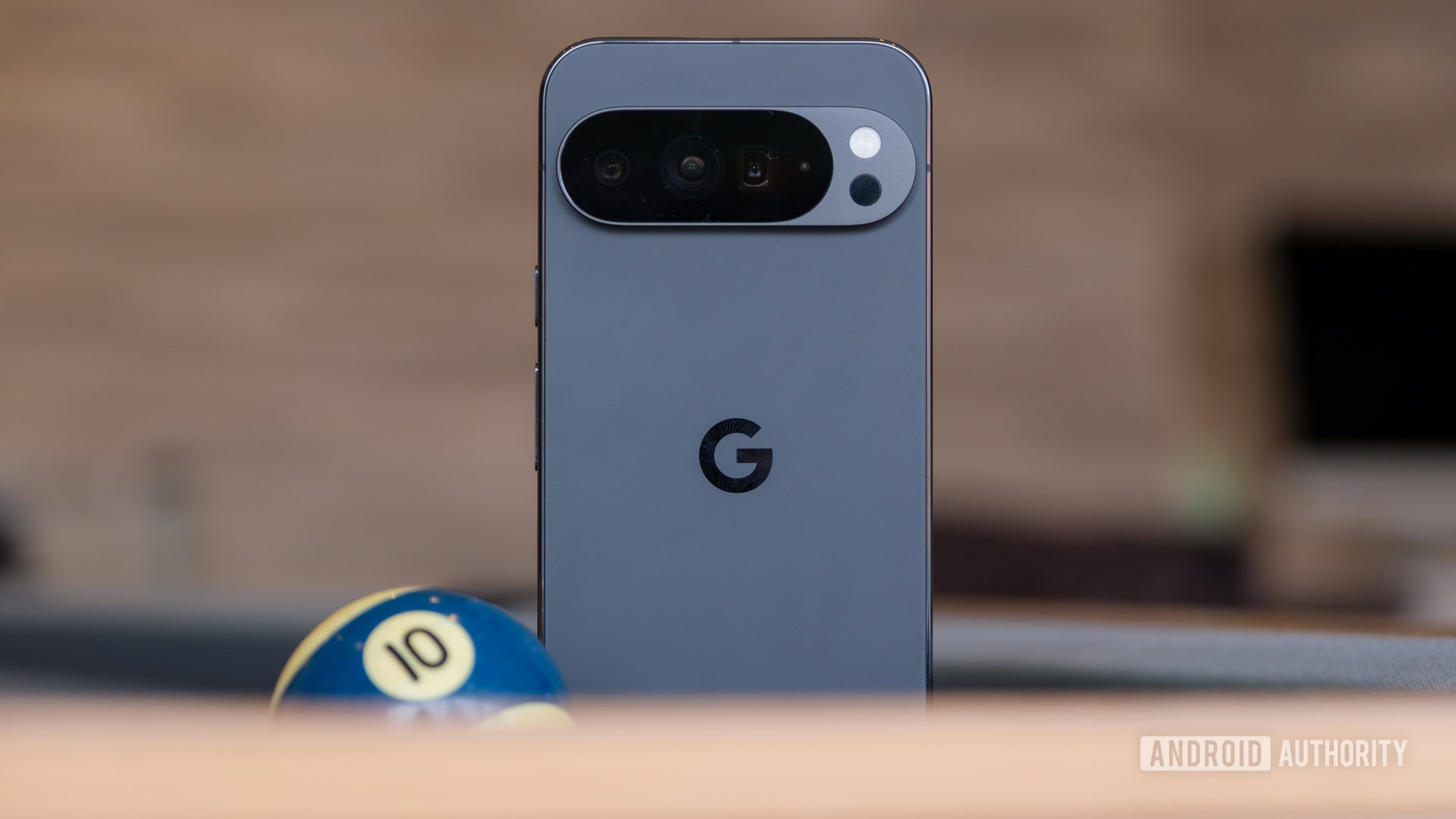
The "Now Playing" feature on Pixel phones, which passively identifies music playing in the environment using on-device AI and displays track information on the lock screen without an internet connection, is a significant omission. While it’s possible to implement similar functionality on other devices, its seamless integration and offline operation on Pixels are highly valued.
Another missed utility is the Pixel’s recents menu, which facilitates the copying of text and images directly from the multitasking interface. This feature proves particularly useful when dealing with applications or file formats that restrict standard copy-paste operations.
The author also notes a significant regression in Samsung DeX with the transition to One UI 8 and Android 16’s desktop mode. The recent architectural changes have resulted in a "ton of downgrades" compared to previous DeX versions, prompting a recommendation for heavy DeX users to consider sticking with One UI 7 if possible, a choice not available on newer devices shipping with the latest software.
The Samsung Keyboard application is another area of criticism. The author aligns with recent observations that it fails to meet the standards set by Google’s Gboard, even expressing a preference for the legacy BlackBerry software keyboard. This sentiment underscores the importance of a familiar and highly functional typing experience for daily smartphone use.
While Samsung now matches Google’s commitment to seven years of OS and security updates, the author expresses a desire for Samsung to accelerate its update deployment. The swift and consistent updates experienced on Pixel devices are perceived as a significant advantage, offering users access to the latest features and security patches more promptly.
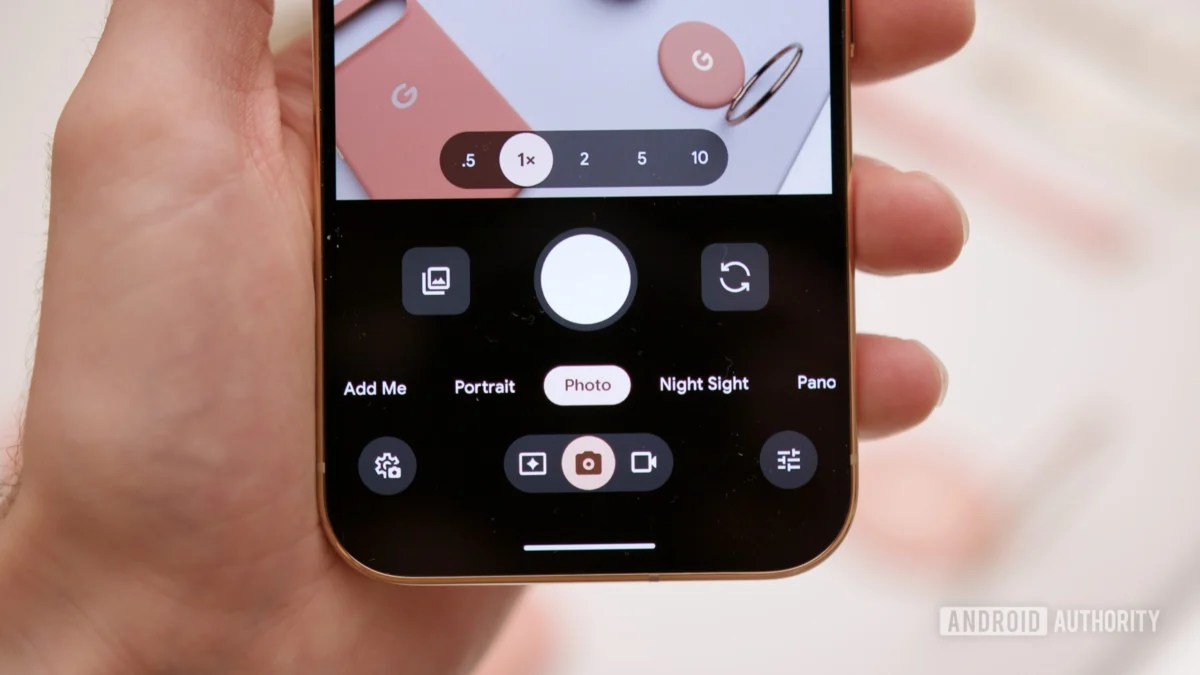
In terms of camera performance, a direct comparison reveals a continued preference for Google’s approach to overall image quality and consistency. Features such as "Add Me," "Action Pan," "Best Take," and the dedicated astrophotography mode on Pixel phones are highlighted as valuable additions, though it’s acknowledged that Samsung offers comparable functionalities through its Expert Raw app and its own version of "Best Take."
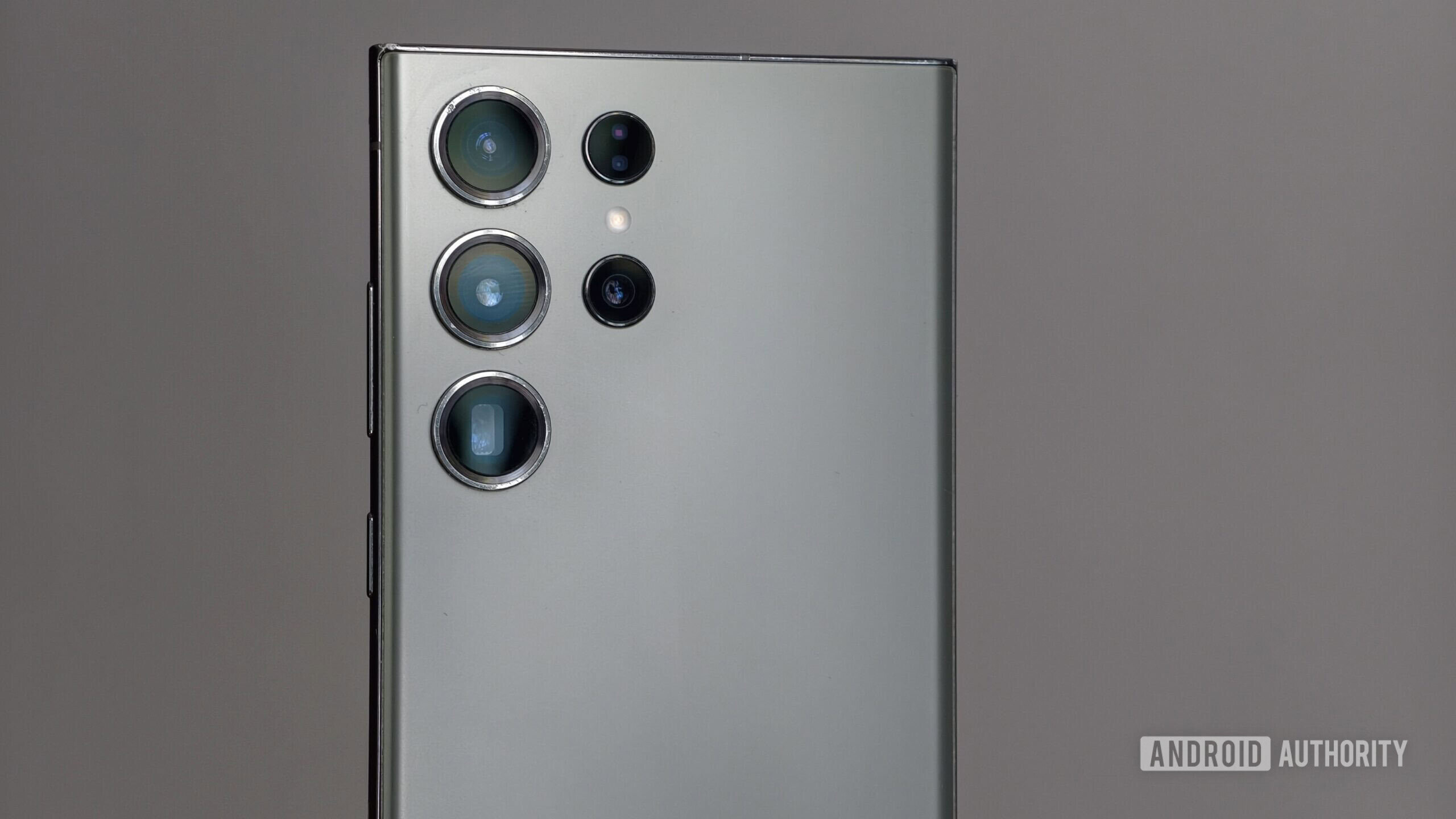
The physical design of the S23 Ultra, specifically its squared-off corners, is also a point of mild concern. While newer Ultra models have adopted a more rounded aesthetic, the author anticipates potential wear and tear on pockets due to the sharp edges. Furthermore, the loudspeaker quality on the S23 Ultra is found to be noticeably tinnier at higher volumes compared to the Pixel 7 Pro, indicating a potential area for improvement in future iterations.
Navigating the Future: A Tentative Commitment to Samsung
The initial motivation for switching to the Samsung Galaxy S23 Ultra was to reacquaint oneself with the One UI ecosystem. This transition has confirmed that Samsung’s flagship offerings continue to present a compelling alternative to Google’s Pixel devices, often exceeding them in certain feature sets. However, the experience has also underscored the enduring appeal of the Pixel camera system and the promptness of its software updates.
Looking ahead to 2026 and beyond, the author expresses a nuanced perspective on the flagship smartphone market. If purchasing a device with personal funds in the current year, neither Google nor Samsung would be the immediate choice. Disappointing experiences with Pixel phones in unsupported regions, coupled with a perception that Samsung lags behind Chinese competitors in key hardware areas like battery capacity and camera prowess, influence this decision. The author notes a reliance on vivo phones for product photography and acknowledges the advanced software experiences offered by Android skins like ColorOS and OriginOS.
Despite these reservations, the Samsung Galaxy S23 Ultra is likely to remain the primary device throughout 2026. Its ability to perform most tasks adequately, coupled with the principle of not fixing what isn’t broken, suggests a continued period of use. This pragmatic approach highlights that while no device is perfect, the S23 Ultra offers a balanced and capable experience that satisfies the core needs of a daily driver. The experience serves as a testament to the evolving landscape of the Android market, where manufacturers are increasingly borrowing from and innovating upon each other’s strengths to deliver sophisticated and feature-rich devices.