Metty Iskandar
Recent whispers from the tech community suggest that reMarkable, a company known for its minimalist e-ink writing tablets, is gearing up to launch a new device, reportedly named the "Paper Pure." While details remain scarce, a single leaked image and a brief description hint at a strategic shift for the brand: an attempt to broaden its appeal to a more mainstream audience. This purported "mass-market" device is anticipated to arrive in the second quarter of the year, prompting a closer look at what such a move would entail and what improvements users hope to see.
Background: reMarkable’s Niche and the Evolving E-Ink Landscape
reMarkable has carved out a distinct niche in the digital device market by focusing on a distraction-free, paper-like writing experience. Their devices, characterized by monochrome E Ink displays and stylus input, aim to replicate the tactile sensation of pen on paper, appealing to professionals, students, and creatives who seek to reduce screen fatigue and digital distractions. The flagship reMarkable 2, launched in 2020, garnered significant attention for its sleek design and impressive latency, offering a compelling alternative to traditional note-taking methods. However, its premium pricing, often exceeding $500 with essential accessories like the Marker Plus stylus and a folio, has positioned it as a high-end, specialist device rather than a mass-market commodity.
The e-ink tablet market itself has seen gradual evolution. Competitors like Amazon’s Kindle Scribe and Kobo’s Elipsa have also entered the note-taking space, often incorporating color displays and a wider range of software features. This competitive landscape, coupled with reMarkable’s established user base that frequently expresses desires for more accessible pricing and enhanced functionality, makes the potential launch of the Paper Pure a significant development.
The Leak and Early Speculation
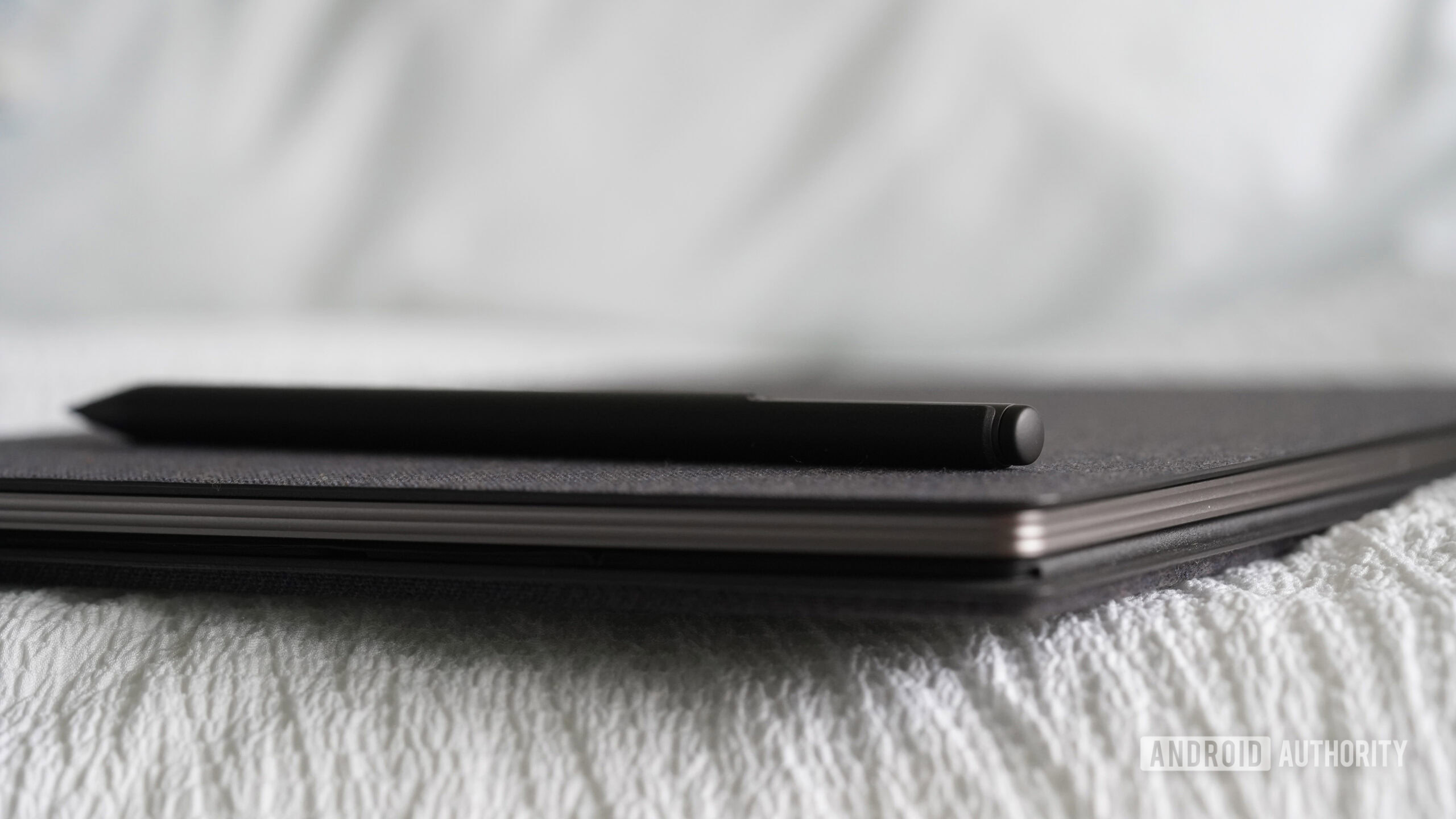
The initial leak, which surfaced earlier this week, provided a tantalizing glimpse into reMarkable’s future plans. The accompanying image, upon closer inspection and cross-referencing with existing product galleries, appears to be a placeholder, possibly utilizing existing reMarkable hardware imagery. This has led to speculation that the "Paper Pure" might represent a more streamlined version of current offerings, potentially a "stripped-down Paper Pro," rather than an entirely new form factor. If this is the case, the emphasis for reMarkable will likely be on optimizing the user experience and making the core functionalities more robust and affordable. The timing of a Q2 launch, if accurate, places the Paper Pure squarely in a period where consumer spending on technology often sees a boost, potentially setting the stage for a successful market entry.
Key Hopes and Expectations for the reMarkable Paper Pure
As the tech world anticipates further details, several key areas have emerged where users and industry observers hope reMarkable will focus its efforts for the Paper Pure, aiming to truly achieve "mass appeal."
1. Strategic Pricing for Broad Accessibility
The most critical factor in reMarkable’s ambition to reach a wider audience hinges on its pricing strategy. The current entry price for the reMarkable 2 hovers around $399, a significant investment before factoring in essential accessories like the Marker Plus stylus (priced at $129) and a protective folio (starting around $79). This quickly escalates the total cost of ownership to well over $500, placing it beyond the reach of many potential users. The higher-end Paper Pro models further push this boundary, often commanding prices between $600 and $700, depending on configuration.
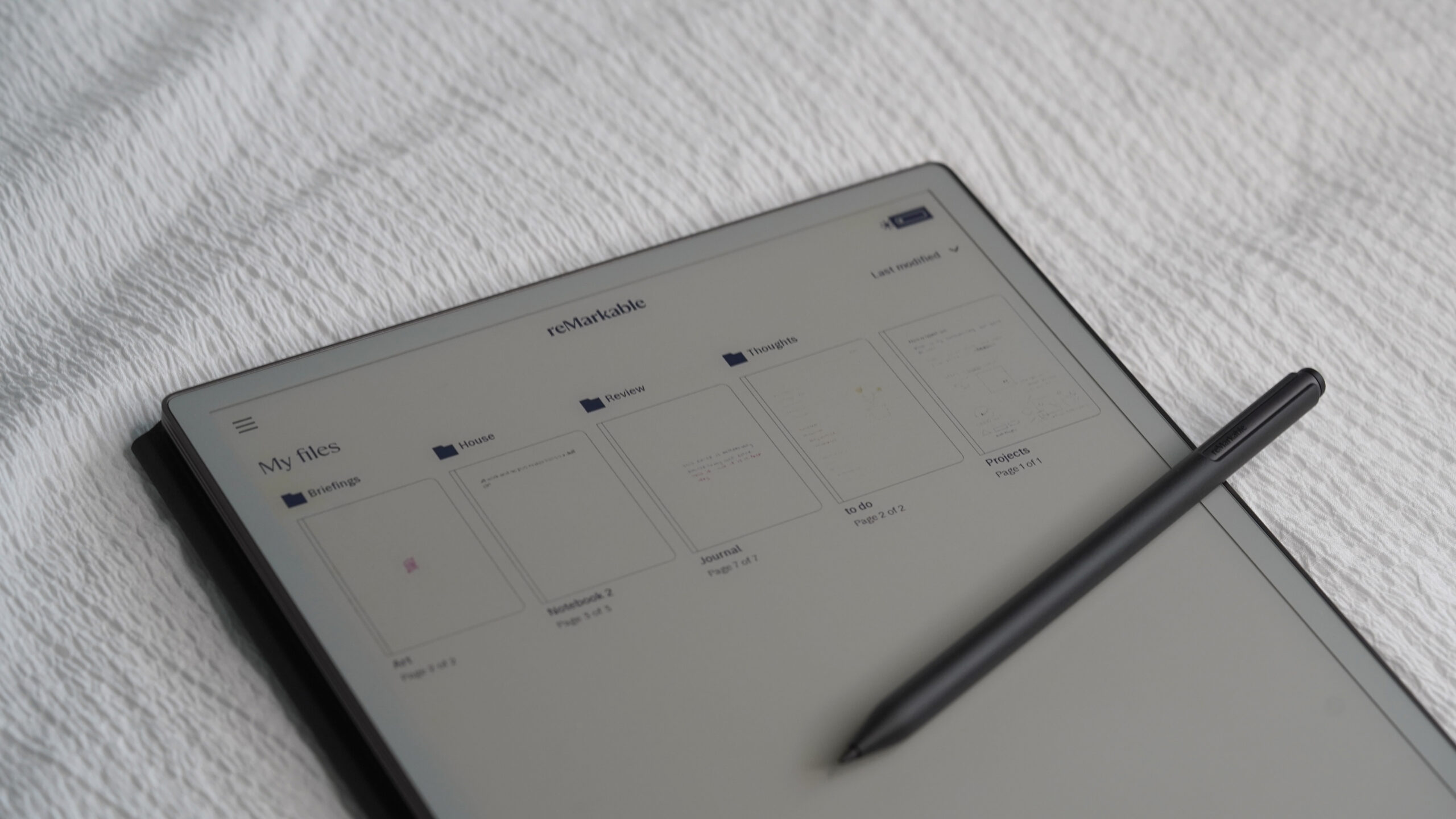
For the Paper Pure to be genuinely "mass-market," it needs a price point that resonates with a broader consumer base. This not only implies a lower initial hardware cost but also consideration for bundled packages. An "all-in-one" offering, where a stylus and perhaps a basic folio are included in the base price, would significantly enhance its attractiveness. This approach mirrors pricing strategies seen with other consumer electronics, where perceived value is increased through comprehensive packages. If reMarkable can achieve a price point closer to $300-$400 for a complete usable setup, it would represent a substantial step towards democratizing its unique digital paper experience.
2. Enhanced Performance and Responsiveness
While the visual aesthetic of the leaked image may suggest a familiar hardware design, the potential for internal upgrades is a crucial point of discussion. If the Paper Pure is indeed built upon existing chassis, then performance improvements become paramount to justify its existence and appeal to a wider market. Users have frequently noted instances of lag in the current reMarkable interface, particularly when navigating between notebooks, scrolling through large PDFs, or during complex drawing tasks.
A more responsive user experience, driven by an upgraded processor and optimized software, would be a significant differentiator. This could manifest as faster boot times, smoother UI transitions, and a more immediate pen-to-screen response. The "paper-like" feel is central to reMarkable’s identity, but this feel is diminished when the digital interface struggles to keep pace with the user’s input. A faster, more fluid experience would not only enhance user satisfaction but also position the Paper Pure as a more capable and efficient tool for everyday use, moving beyond its current perception as a niche device for dedicated enthusiasts. The integration of a more powerful chipset, potentially drawing from advancements in mobile processing or specialized e-ink controllers, could address these performance bottlenecks effectively.
3. Commitment to Grayscale for Clarity and Affordability
The e-ink market has seen a noticeable trend towards color displays, with devices from various manufacturers now offering a spectrum of hues. While the allure of color is undeniable, it often comes with compromises. Color e-ink panels typically exhibit lower contrast ratios and reduced clarity compared to their monochrome counterparts. Furthermore, the inclusion of color technology often translates to a higher manufacturing cost, which inevitably impacts the final retail price.
Given that reMarkable’s core value proposition is its exceptional writing and reading experience that mimics paper, a sharp, high-contrast grayscale display remains a priority. For a device positioned as a "pure" writing tool, color is arguably a secondary feature that could detract from the primary goal. By sticking with a sophisticated grayscale display, reMarkable can maintain its signature clarity and potentially keep the Paper Pure’s price point more accessible. This focus on monochrome excellence would also allow for more investment in display technology that enhances sharpness and reduces ghosting, further solidifying its "paper-like" feel. The trade-off is clear: prioritize the essential writing experience over a feature that might add cost and compromise core functionality for a mass-market audience that may not necessarily demand color.
4. Comprehensive Software Refinements
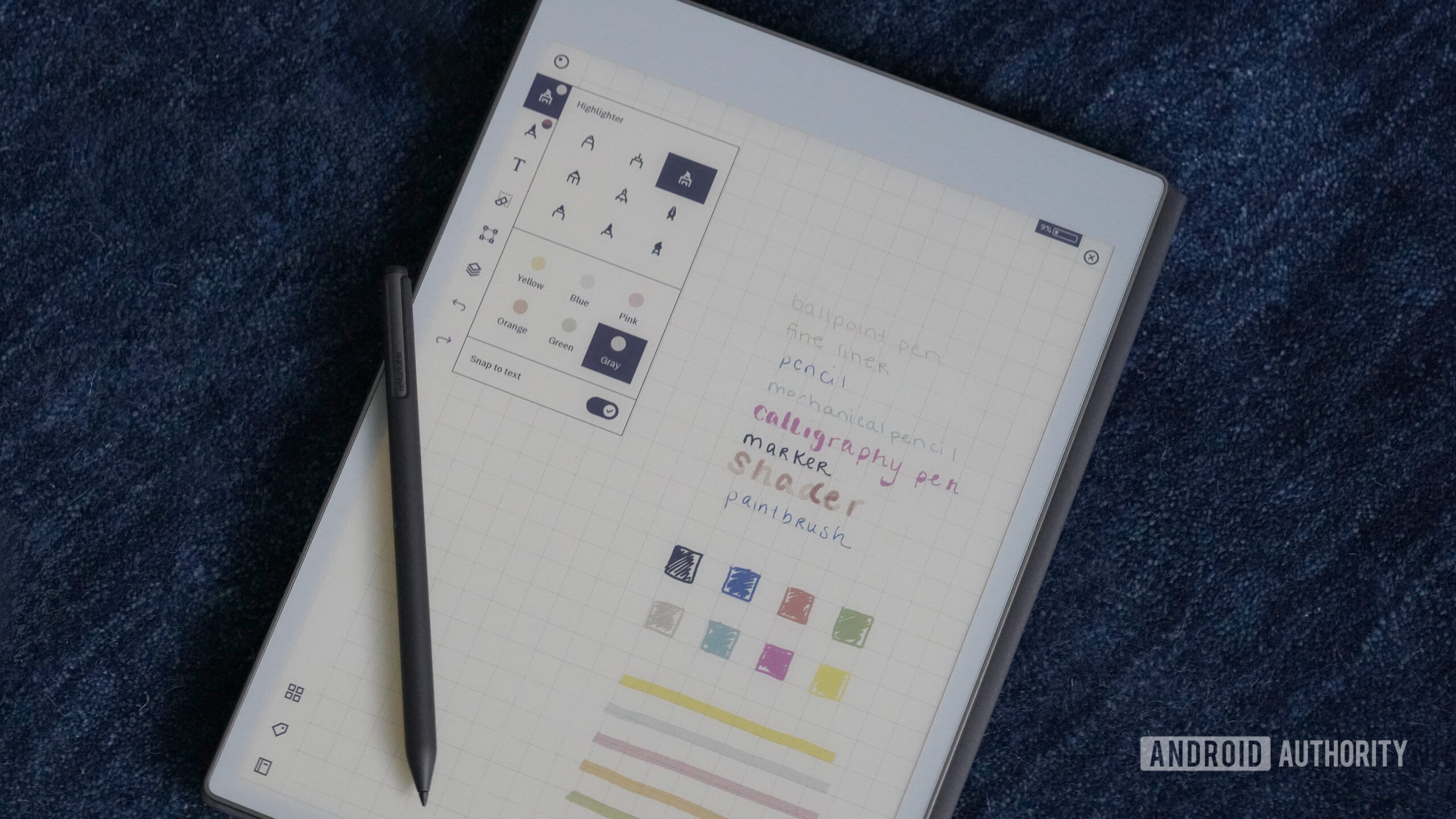
Beyond hardware, the software experience on reMarkable devices has been a consistent topic of discussion among users, with many expressing a desire for more robust features and a more polished interface. While reMarkable has steadily rolled out updates, certain functionalities that users have repeatedly requested, such as enhanced document management, more flexible note-taking tools, and improved organizational capabilities, are still missing or underdeveloped.
If the Paper Pure is indeed intended to attract a broader user base, its software must evolve to meet the demands of diverse workflows. This could include improved PDF annotation capabilities, more sophisticated text editing features, better integration with cloud storage services beyond their proprietary offering, and enhanced syncing mechanisms that are seamless and reliable. Features like direct cloud syncing to popular platforms such as Google Drive, Dropbox, or OneDrive, without requiring a subscription, would be a significant draw. Additionally, refining existing tools, such as handwriting recognition accuracy, bookmarking functionality, and the ability to organize notes and documents with greater flexibility, would greatly enhance the device’s utility for a wider range of users. The "Pure" in its name could signify a focus on core functionalities, but these core functionalities need to be as refined and comprehensive as possible to compete effectively.
5. Re-evaluation of the Subscription Model
The subscription model employed by reMarkable for certain cloud services has been a point of contention for some users. While the core writing experience is not paywalled, features like unlimited cloud sync and access to their Connect service, which offers additional functionality, require a recurring fee. For a device that already represents a significant upfront investment, the addition of a subscription can be a deterrent for consumers seeking a straightforward, one-time purchase.
If reMarkable is serious about making the Paper Pure a mainstream success, a re-evaluation of this subscription model is in order. Offering a more inclusive package, where essential cloud sync functionalities are included in the hardware price, would significantly boost its appeal. This would align the device with the expectations of a broader consumer market that is increasingly wary of recurring charges for hardware they have already purchased. An all-in pricing strategy, where the user knows the total cost of ownership upfront, would undoubtedly make the Paper Pure a more compelling proposition for a wider audience.
6. The Unlikely but Desired Addition: A Frontlight
While reMarkable has consistently emphasized its commitment to replicating the "real-paper feel" through its display technology, the absence of a frontlight has been a recurring wish among its user base. The current E Ink displays, while excellent in natural light, necessitate an external light source for use in dimly lit environments. This limitation can hinder the device’s usability in various scenarios, from late-night study sessions to presentations in conference rooms.
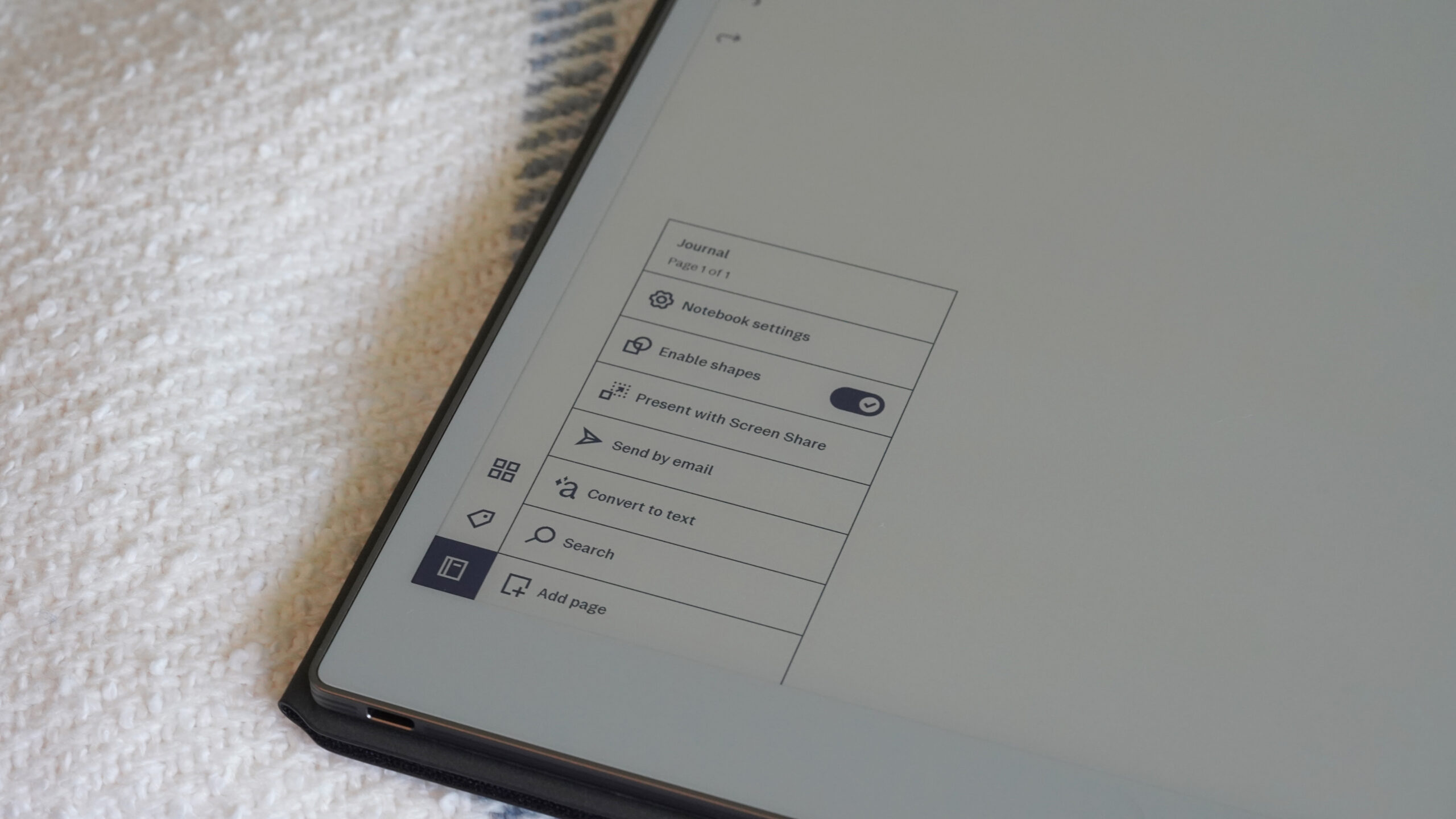
The inclusion of a subtle, warm frontlight would dramatically increase the Paper Pure’s versatility without necessarily compromising its paper-like aesthetic. Many competing e-readers and note-taking devices, such as those from Kindle and Kobo, have successfully integrated frontlights, allowing for comfortable reading and writing in any lighting condition. While reMarkable’s dedication to its specific display philosophy is understandable, a frontlight would be a pragmatic addition that aligns the Paper Pure with broader consumer expectations for digital reading and writing devices. It would transform the device from one that requires specific lighting conditions to one that is adaptable to virtually any environment, significantly enhancing its practicality for a mass audience.
Broader Impact and Implications
The potential launch of the reMarkable Paper Pure represents more than just a new product; it signals a strategic pivot for the company. If successful, it could see reMarkable transition from a niche player to a more mainstream contender in the digital productivity space. This shift would likely involve increased competition for other e-ink device manufacturers and potentially push the boundaries of what consumers expect from their digital note-taking and reading tools.
The success of the Paper Pure will hinge on reMarkable’s ability to strike a delicate balance: maintaining its core brand identity of a distraction-free, paper-like experience while simultaneously addressing the practical considerations of price, performance, and functionality that appeal to a wider demographic. The coming months will be crucial as more concrete details emerge, providing a clearer picture of whether the Paper Pure will indeed democratize the reMarkable experience or remain a specialized tool for a select few. The anticipation is palpable, with many hoping that reMarkable is indeed ready to open its unique digital canvas to a broader, more diverse audience.