Galang Taruna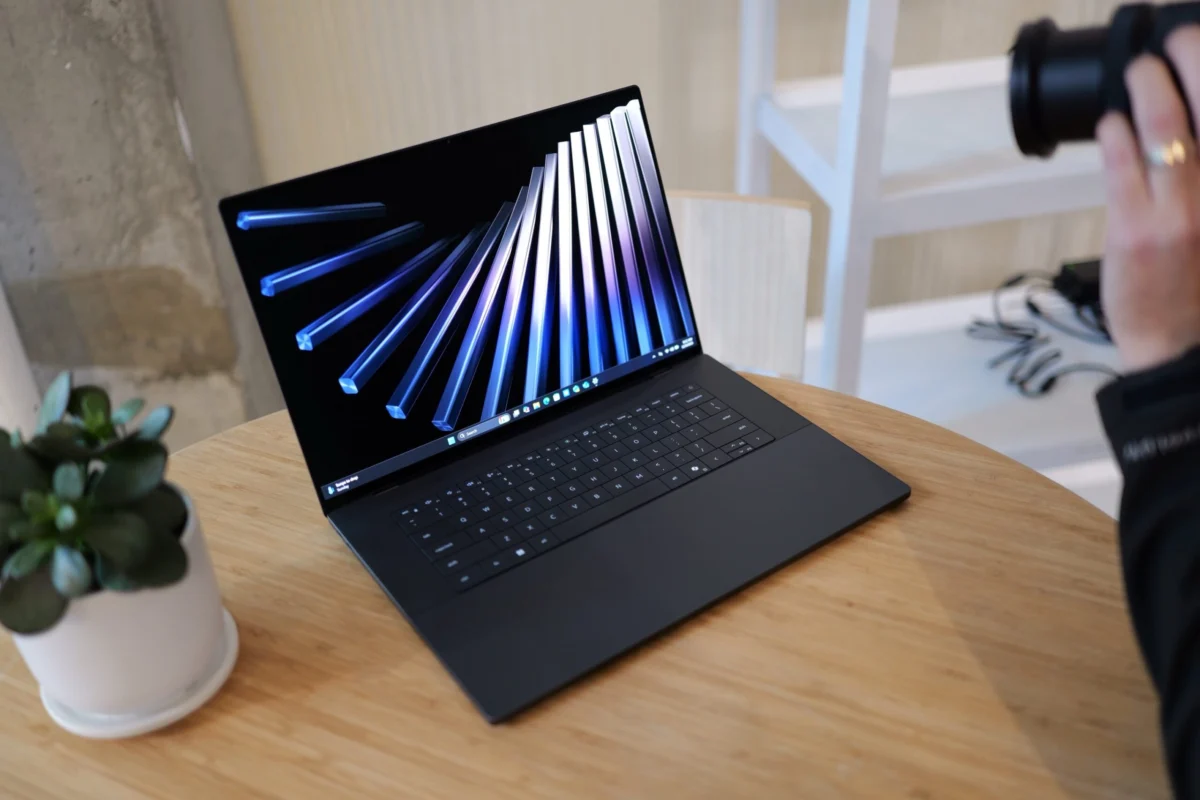
LG Display, a global leader in display technology, has announced a significant breakthrough in laptop display technology, initiating the mass production of the industry’s first LCD panels capable of dynamically adjusting their refresh rate from an ultra-low 1Hz to a high-performance 120Hz. This innovation marks a pivotal moment for portable computing, promising substantial enhancements in energy efficiency and user experience, mirroring the adaptive refresh rate advancements previously seen predominantly in high-end smartphones. The announcement, made via a press release this week, positions LG Display at the forefront of power-saving display solutions for the burgeoning laptop market.
This technological leap is already making its way into consumer devices, with the newly launched Dell XPS 16 (2026 model) being among the first laptops to incorporate these advanced panels. Early reports on the Dell XPS 16 have highlighted its exceptional battery life, a testament to the combined efficiency of Intel’s next-generation Panther Lake processor and LG Display’s new low-power screen. While the powerful and frugal Panther Lake CPU contributes significantly to the device’s robust endurance, achieving an impressive 1.3W in idle state is also directly attributable to the novel display technology. This confluence of CPU and display innovation underscores a concerted industry effort towards maximizing the unplugged potential of modern laptops.
The Genesis of Adaptive Refresh Rates: A Smartphone Precedent
The concept of variable refresh rate (VRR) technology, which allows a display to synchronize its refresh rate with the frame rate of the content being displayed, is not entirely new. It has been a cornerstone of premium smartphone experiences for several years, most notably popularized by Apple’s ProMotion technology, first introduced with the iPhone 13 Pro in 2021. Android flagships, utilizing LTPO (Low-Temperature Polycrystalline Oxide) backplane technology, have also embraced dynamic refresh rates, allowing their screens to scale down to 10Hz or even 1Hz in static content scenarios. This capability has been instrumental in extending smartphone battery life without compromising the smooth scrolling and responsiveness users expect from high refresh rates.
Prior to LG Display’s latest announcement, the laptop market offered limited forms of adaptive refresh rates. High-end machines often featured OLED panels capable of oscillating between 20Hz and 120Hz, or Mini-LED displays that could range from 24Hz to 120Hz. While these technologies provided significant power savings compared to fixed refresh rate panels, they were typically reserved for premium, often considerably more expensive, laptop models. Furthermore, their lower refresh rate floor (20Hz or 24Hz) meant they couldn’t achieve the extreme power efficiency offered by a 1Hz refresh rate, particularly during periods of static content display, such as viewing a document or a desktop. LG Display’s breakthrough democratizes this critical power-saving feature, bringing it to more accessible LCD IPS Full HD+ panels.
LG Display’s Technological Breakthrough: Oxide 1Hz
At the heart of LG Display’s innovation lies its proprietary "Oxide 1Hz" technology. This advancement represents a significant engineering feat, particularly for LCD panels, which traditionally have faced greater challenges in achieving ultra-low refresh rates compared to OLED counterparts. The technical complexities involved in dynamically varying the refresh rate down to 1Hz on an LCD panel are considerable. It requires precise control over the display’s transistors and materials to minimize current leakage, a critical factor in power consumption at very low refresh rates.
LG Display has addressed these challenges through a multi-faceted approach. According to their press release, the company has "developed its own circuit algorithms and panel design, thanks to the discovery of new materials." This implies a holistic development effort encompassing both the hardware architecture and the underlying material science. A key component of this success is the utilization of "oxide with the lowest current leakage," which is essential for maintaining image stability and power efficiency when the screen refreshes only once per second. In a 1Hz state, the display essentially holds the last rendered frame, requiring minimal power to sustain the image, resulting in substantial energy savings, especially when the laptop is idle or displaying static content like text documents or web pages.
To put this into perspective, a typical laptop screen refreshing at a fixed 60Hz or 120Hz continuously draws power, regardless of whether the content is changing. By dropping to 1Hz, the display panel can significantly reduce its power draw, contributing directly to the laptop’s overall battery life. While LG Display did not provide specific power consumption figures for the display itself, the reported 1.3W idle power consumption of the Dell XPS 16, which integrates this panel, suggests a highly efficient display subsystem. Considering that the display can account for a substantial portion of a laptop’s power budget, especially during light use, a 1Hz refresh rate capability can translate into hours of additional battery life.
Impact on Laptop Autonomy and User Experience
The implications of LG Display’s 1-120Hz LCD panels are profound, particularly for laptop autonomy and the overall user experience. For many users, battery life is a critical factor when choosing a laptop, and this technology directly addresses that demand. Imagine a laptop that can last significantly longer on a single charge during typical work scenarios involving document editing, web browsing, or email, where much of the screen content remains static for extended periods. This capability moves beyond the traditional trade-off between high performance and long battery life.
The dynamic nature of the refresh rate ensures that users do not compromise on visual fluidity when it matters. When scrolling through a document, playing a video, or engaging in a demanding application or game, the screen seamlessly ramps up to 120Hz, providing a smooth, responsive, and immersive experience. Conversely, when the activity ceases, the display intelligently scales down, conserving power. This "sweet spot" optimization is crucial for a balanced user experience, offering the best of both worlds: exceptional responsiveness when needed and unparalleled energy efficiency during idle times.
Furthermore, the introduction of this technology on IPS Full HD+ LCD panels signifies a democratization of premium features. Historically, advanced display technologies like VRR were confined to top-tier, often prohibitively expensive, OLED or Mini-LED equipped laptops. By making 1-120Hz available on more accessible LCD panels, LG Display is enabling a wider range of mid-range laptops to offer significantly improved battery life and a more refined visual experience. This shift could redefine consumer expectations for mainstream laptops, pushing manufacturers to integrate similar power-saving features across their product lines.
Beyond individual user benefits, there’s also an environmental angle. Reduced energy consumption in millions of laptops translates into lower overall power demand and, consequently, a smaller carbon footprint. As the tech industry increasingly focuses on sustainability, innovations that enhance energy efficiency without sacrificing performance become critically important.
Market Dynamics and Competitive Landscape
LG Display’s announcement places it in a strong competitive position within the global display market. As a subsidiary of LG Electronics, LG Display has a long history of innovation in display technologies, ranging from large-format OLED TVs to flexible displays. This latest achievement in laptop LCDs reinforces its reputation as a technology leader. The move is likely to intensify competition among other major display manufacturers such such as Samsung Display, BOE Technology, and AU Optronics, all of whom are vying for market share in the lucrative laptop panel segment. These competitors will undoubtedly be pressured to develop similar low-power, wide-range VRR solutions for their LCD offerings to remain competitive.
The synergy between display technology and processor advancements is also a key factor. Intel’s Panther Lake processor, with its emphasis on energy frugality, perfectly complements LG Display’s new panels. This integrated approach, where both the CPU and the display are optimized for ultra-low power consumption, is crucial for achieving the "XXL autonomy" touted by devices like the Dell XPS 16. It signals a future where hardware components are designed in concert to maximize efficiency, rather than in isolation. This collaborative innovation between display manufacturers and chipmakers will likely drive the next generation of portable computing devices.
Early Adoption: The Dell XPS 16 Case Study
The Dell XPS 16 serves as a compelling case study for the immediate impact of LG Display’s new panels. As a flagship device from a major PC manufacturer, its adoption of this technology lends significant credibility and visibility to the innovation. The article notes that this new 1-120Hz panel is specifically utilized in the "more affordable" configurations of the XPS 16, indicating Dell’s strategic intent to bring premium power-saving features to a broader audience within its high-end lineup. This decision suggests a strong belief in the value proposition of extended battery life for a wider segment of the market, beyond just the absolute top-tier models.
Dell’s marketing of the XPS 16 will undoubtedly highlight the exceptional battery life, directly linking it to the advanced display and processor. This early adoption could set a precedent for other PC manufacturers, who will likely follow suit to offer similar competitive advantages in their forthcoming laptop lineups. Consumers, increasingly aware of the importance of battery longevity, are expected to gravitate towards devices that offer such substantial improvements.
Challenges and Future Prospects
While LG Display’s 1-120Hz LCD panels represent a significant step forward, challenges remain for widespread adoption. Cost-effectiveness at scale, ensuring consistent supply, and integrating these panels seamlessly with various laptop designs and operating systems will be crucial. Software optimization will also play a vital role, as operating systems and applications need to intelligently utilize the dynamic refresh rate capabilities to maximize power savings and user experience.
Looking ahead, LG Display is not resting on its laurels. The company has also indicated that it is actively working towards the mass production of 1Hz OLED panels for laptops, with an anticipated market arrival in 2027. This future development promises to combine the ultra-low power consumption of 1Hz refresh rates with the inherent advantages of OLED technology, such as perfect blacks, infinite contrast, and vibrant colors. Such OLED panels would represent the ultimate display solution for laptops, offering both stunning visual fidelity and unprecedented battery life. The trajectory of display technology in laptops points towards a future where energy efficiency, performance, and visual excellence converge, creating a new standard for portable computing. LG Display’s current breakthrough is a critical milestone on this exciting path.