George Chandra Eka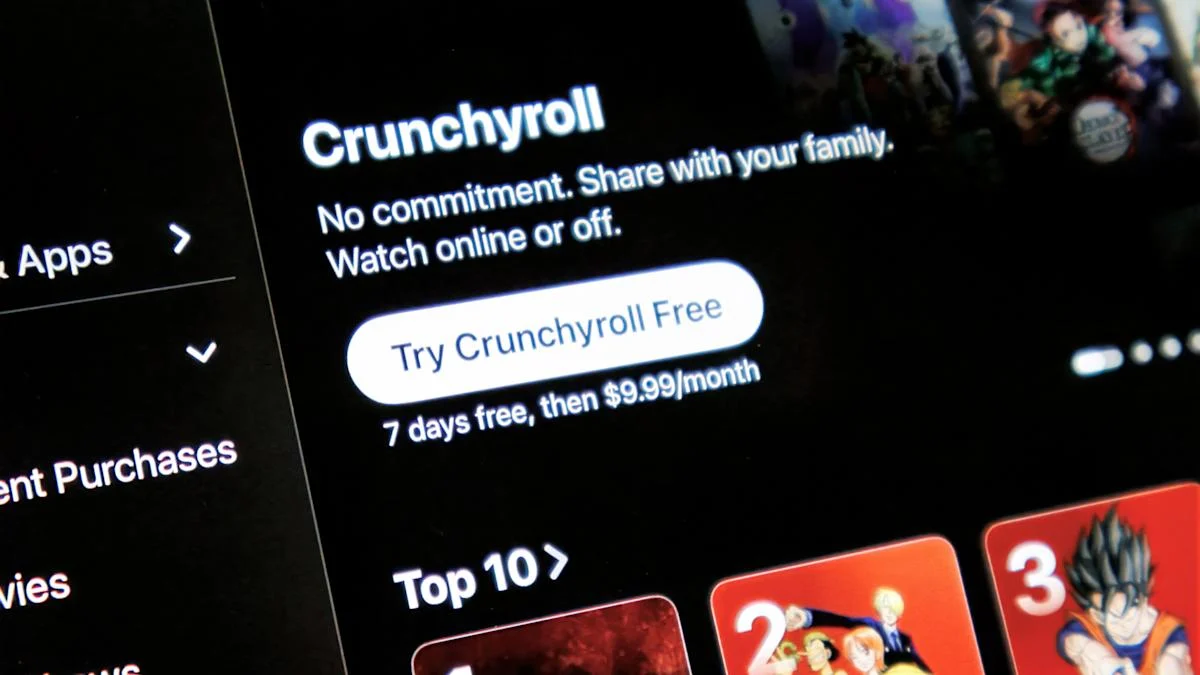
The popular anime streaming service Crunchyroll has officially launched as a new channel within the Apple TV app, offering subscribers a streamlined method to access its extensive library of anime titles directly through Apple’s integrated video platform. This integration allows users to subscribe and stream their favorite series without the need for a separate Crunchyroll application or login credentials, leveraging their existing Apple account for subscription management. The move represents a notable development for Apple’s content aggregation strategy, as 9to5Mac reports it to be the first significant new channel added to the Apple TV app in some time, signaling a potential revitalization of the platform’s channel offerings.
This new accessibility comes at a critical juncture for Crunchyroll, which has recently navigated a period of heightened scrutiny and fan dissatisfaction. The service faced considerable backlash last year following a widely publicized incident involving AI-generated subtitles and, more recently, implemented a comprehensive price increase across all its subscription tiers. Now starting at $10 per month, Crunchyroll’s new pricing structure has further fueled frustration among a dedicated fanbase already sensitive to shifts in platform direction and content quality. The introduction of Crunchyroll as an Apple TV Channel, therefore, can be viewed through a dual lens: a strategic expansion for both companies and a potential effort by Crunchyroll to enhance user convenience amidst recent controversies.
The Evolution of Apple TV Channels and Strategic Positioning
Introduced by Apple in March 2019, Apple TV Channels were designed to simplify the streaming experience by allowing users to subscribe to various third-party video services directly within the Apple TV app. The original vision was to create a unified hub for premium content, enabling users to browse, subscribe, and watch shows and movies from different providers—such as HBO, Showtime, Starz, and others—all within a single interface, complete with unified billing managed by Apple. This approach aimed to mitigate "subscription fatigue" and streamline content discovery, presenting a compelling alternative to juggling multiple apps and separate billing cycles. However, the growth of Apple TV Channels has been somewhat tempered by the broader industry trend of major content providers opting to launch and heavily promote their standalone streaming applications, often prioritizing direct customer relationships and full control over their user experience and data.
The addition of Crunchyroll, a leading global brand in the rapidly expanding anime market, injects fresh momentum into Apple’s channel strategy. Anime has transitioned from a niche interest to a global cultural phenomenon, with its audience expanding significantly beyond traditional demographics. Crunchyroll, which boasts one of the largest and most comprehensive libraries of anime, manga, and Asian dramas, has been at the forefront of this growth, offering simulcasts directly from Japan just hours after their initial broadcast. Its integration into the Apple TV app positions Apple to capture a segment of this highly engaged audience, providing them with the convenience of an aggregated platform while potentially introducing Crunchyroll’s vast catalog to a broader Apple ecosystem user base. This strategic move by Apple underscores a recognition of anime’s increasing mainstream appeal and the value of offering diverse, high-demand content within its consolidated entertainment ecosystem.
Crunchyroll’s Market Dominance and Recent Challenges
Crunchyroll’s journey to becoming a dominant force in anime streaming began in 2006, initially as a user-uploaded video site before transitioning to a legitimate, licensed distributor. Over the years, it cultivated a strong relationship with the anime community, prioritizing timely simulcasts and extensive content acquisition. In 2021, Sony’s Funimation Global Group acquired Crunchyroll from AT&T, consolidating two of the largest anime distributors under one umbrella. This acquisition solidified Crunchyroll’s position as the uncontested leader in dedicated anime streaming, giving it unparalleled licensing power and a global reach spanning over 200 countries and territories. Its business model revolves around a freemium offering, providing some content for free with ads, and premium subscription tiers for ad-free viewing, simulcasts, and exclusive access to a deeper library. Competitors include general streaming giants like Netflix, Hulu, and Amazon Prime Video, which have increasingly invested in anime content, but none possess Crunchyroll’s singular focus or breadth of dedicated anime offerings.
Despite its market dominance, Crunchyroll has faced significant challenges to its brand reputation and customer loyalty in the past year, primarily stemming from two key areas: pricing adjustments and a highly publicized AI subtitle incident.
Chronology of Recent Controversies
The Price Increases:
Earlier this year, Crunchyroll announced a significant increase in the monthly subscription prices across all its premium tiers, sparking widespread discontent among its subscriber base. The Fan tier, previously priced at $7.99 per month, rose to $9.99 per month. The Mega Fan tier, which includes offline viewing and four simultaneous streams, saw an increase from $9.99 to $11.99 per month. The Ultimate Fan tier, offering additional benefits like an annual swag bag and 16% off store purchases, also experienced a proportionate hike from $14.99 to $15.99 per month. This marked the first major price adjustment since Crunchyroll’s acquisition by Sony and the subsequent merger with Funimation’s content library.
In its communication to subscribers, Crunchyroll justified these increases as necessary investments in content, platform enhancements, and overall service quality. The company stated that the additional revenue would enable it to continue acquiring exclusive new titles, expand its simulcast offerings, and improve the user experience. However, many fans expressed frustration, citing that while content library growth was appreciated, the price increase felt steep, especially coming after a period where some users felt the service had not consistently delivered on promised improvements or maintained consistent quality in all areas. Social media platforms and fan forums were replete with discussions from subscribers debating the value proposition and considering alternative services, reflecting a broader consumer sensitivity to rising streaming costs amidst economic uncertainties.
The AI Subtitle Incident:
Preceding the price increases, Crunchyroll found itself embroiled in a separate controversy that ignited passionate debate among its community and the broader localization industry: the use of artificial intelligence in subtitle creation. The incident gained significant traction last year, months after the Crunchyroll company president had publicly expressed enthusiasm about the potential for AI technologies to enhance various aspects of the platform, including content localization. While the official stance often emphasized AI as a tool to assist human translators and speed up processes, the practical implementation, in one instance, caused a major stir.
Fans watching the German-language subtitles for the anime series Necronomico and the Cosmic Horror Show began to notice anomalies. One particular subtitle line prominently displayed "ChatGPT said…" at its beginning, unequivocally revealing the direct involvement of an AI large language model in its generation. This discovery quickly went viral across anime fan communities, Reddit, Twitter (now X), and other social media platforms, drawing widespread criticism and mockery. The core of the frustration stemmed from several points:
- Quality Concerns: The presence of a blatant AI attribution immediately raised questions about the overall quality, accuracy, and nuance of the translation. Anime, in particular, is rich in cultural context, specific linguistic quirks, and emotional depth that many argued only skilled human translators could faithfully convey. The potential for AI to miss subtle jokes, cultural references, or character-specific speech patterns was a major point of contention.
- Transparency: The accidental reveal highlighted a perceived lack of transparency from Crunchyroll regarding its AI integration processes. Fans felt misled if AI was being used more extensively than implied, especially without clear communication about its role or the quality control measures in place. This eroded trust in the platform’s commitment to delivering authentic viewing experiences.
- Impact on Human Translators: The incident fueled anxieties within the professional translation community about job displacement and the devaluing of human expertise. Many localization specialists voiced their concerns about the ethical implications of using AI in creative works, particularly when the output was demonstrably flawed or unprofessional. This also raised questions about fair compensation and the future of human talent in the localization industry.
In response to the widespread outrage, Crunchyroll issued a statement acknowledging the error. The company swiftly pinned the blame on a "third-party vendor" responsible for the subtitles, asserting that the inclusion of the AI attribution was an isolated incident that did not reflect Crunchyroll’s standards or overall translation methodology. The statement promised that Crunchyroll would work diligently to "rectify the error" and ensure that such occurrences would not be repeated, reaffirming its commitment to delivering high-quality, human-reviewed translations. While the immediate issue was addressed, the incident left a lingering impression on a segment of the fanbase regarding Crunchyroll’s quality control and its approach to integrating new technologies. The event underscored the high expectations of the anime community for localization accuracy and the potential pitfalls of perceived shortcuts in content production.
Supporting Data and Broader Market Trends
The anime industry continues its impressive global expansion, with market research firms consistently reporting year-over-year growth. The global anime market size was valued at approximately $28.6 billion in 2022 and is projected to reach over $50 billion by 2030, driven by increasing demand for diverse content, the proliferation of streaming platforms, and successful international marketing. Crunchyroll, as the leading dedicated service, plays a pivotal role in this growth, securing exclusive licensing deals that bring new series to Western audiences rapidly. The genre’s appeal transcends traditional boundaries, with hits like Demon Slayer, Jujutsu Kaisen, and Attack on Titan achieving mainstream recognition and critical acclaim worldwide. This robust market performance makes anime content a highly desirable asset for any major streaming platform or aggregator.
The broader streaming landscape, however, presents a complex picture. While subscription video-on-demand (SVOD) services have become ubiquitous, consumer behavior is shifting. "Subscription fatigue," where consumers feel overwhelmed by the number of services and rising costs, is a growing concern. A recent Deloitte study indicated that a significant percentage of consumers are considering reducing their streaming subscriptions due to cost. This trend makes aggregated platforms like Apple TV Channels increasingly appealing, as they offer a centralized solution to manage subscriptions and discover content without the burden of multiple apps and billing cycles. Bundling strategies, exemplified by services like the Disney Bundle (Disney+, Hulu, ESPN+), also indicate a market move towards offering more value through combined packages. Apple’s renewed focus on its Channels, exemplified by the Crunchyroll integration, aligns with this industry trajectory, attempting to provide convenience and choice in a crowded and costly market, thereby positioning itself as a solution to consumer pain points.
Official and Inferred Responses from Stakeholders
While no direct, new statements from Crunchyroll or Apple specifically addressing the integration alongside past controversies were immediately released, their general corporate stances and the nature of the partnership allow for inferred positions regarding this strategic move.
From Crunchyroll’s Perspective:
The move into Apple TV Channels is a strategic play to broaden its reach and enhance user acquisition, particularly in the wake of recent challenges. It can be inferred that Crunchyroll leadership sees this as an opportunity to:
- Expand Subscriber Base: Tap into Apple’s vast ecosystem of hundreds of millions of active users who may not currently have a Crunchyroll subscription but are already accustomed to purchasing content through Apple. This provides a new, potentially less friction-filled acquisition funnel.
- Improve User Experience and Retention: Offer a seamless viewing experience for Apple users, potentially reducing friction for new sign-ups and improving retention by integrating into a familiar and trusted platform with unified billing. This convenience could be a significant draw for users experiencing subscription fatigue.
- Counter Negative Sentiment: By increasing accessibility and convenience, Crunchyroll can subtly shift the narrative, offering a tangible benefit to its user base, especially those already within the Apple ecosystem, even as it navigates past criticisms regarding pricing and quality. It positions Crunchyroll as forward-thinking in its distribution strategy and responsive to evolving consumer preferences for streamlined access.
From Apple’s Perspective:
The addition of Crunchyroll aligns with Apple’s long-term strategy for the Apple TV app and its broader services ecosystem. It can be inferred that Apple aims to:
- Strengthen Aggregation Capabilities: Reinforce the Apple TV app as a comprehensive hub for premium content, making it more attractive to users seeking to consolidate their streaming subscriptions. This bolsters Apple’s position as a gateway to digital entertainment.
- Diversify Content Offerings: Bring a leading service from a highly popular and rapidly growing genre (anime) into its fold, appealing to a dedicated demographic that might not otherwise heavily engage with Apple TV’s other offerings. This expands the app’s overall content appeal and market reach.
- Boost Service Revenue: Each channel subscription managed through Apple represents a revenue share for the company, contributing to its rapidly growing services segment, which has become a crucial driver of Apple’s financial performance.
- Enhance Ecosystem Value: Further embed its services into the daily lives of its device users, making the Apple ecosystem more sticky and valuable. Providing a seamless and integrated experience across Apple devices reinforces customer loyalty and drives further hardware sales.
Broader Impact and Implications
For Crunchyroll:
The integration with Apple TV Channels presents a significant opportunity for Crunchyroll to expand its market penetration and potentially offset subscriber churn. By leveraging Apple’s massive user base and seamless billing infrastructure, Crunchyroll can attract new subscribers who value the convenience of a unified streaming experience. This could be particularly impactful for casual anime viewers or those who might have been hesitant to download another standalone app. However, this also implies a revenue share with Apple, meaning Crunchyroll will not retain 100% of the subscription fees from users who subscribe through the Apple TV app. Furthermore, subscribing through Apple means a degree of separation from Crunchyroll’s direct customer relationship, potentially limiting direct engagement with subscribers for marketing or community-building efforts specific to the Crunchyroll platform. Strategically, this move helps Crunchyroll mitigate the negative press from its price increases and AI subtitle incident by offering an enhanced user experience as a counterpoint, aiming to restore confidence and attract new users.
For the Apple TV App:
Crunchyroll’s inclusion is a substantial win for Apple’s streaming aggregation strategy. It signifies a renewed effort to populate its Channels offering with high-value content providers, especially after a period of slower growth. The anime genre commands a passionate and loyal audience, and securing the leading service in this category bolsters the Apple TV app’s credibility as a comprehensive entertainment destination. This could attract a demographic of users primarily interested in anime, thereby increasing engagement with the Apple TV app itself and potentially exposing them to other Apple services or content. It reinforces Apple’s ambition to be a central player in the crowded streaming ecosystem, not just as a content creator but as a powerful content curator and aggregator, offering solutions to consumer pain points like subscription management and content discovery.
For Anime Fans:
For existing and prospective anime fans within the Apple ecosystem, the primary benefit is undeniable convenience. The ability to manage a Crunchyroll subscription alongside other services, view content within a familiar interface, and utilize Apple’s robust billing system simplifies the streaming experience considerably. It eliminates the need for separate app downloads and logins, potentially making anime more accessible to a wider audience. However, it’s crucial to note that this integration does not directly address the underlying concerns that have recently plagued Crunchyroll, such as the quality of localization or the justification for price increases. For fans outside the Apple ecosystem, or those deeply entrenched in the Crunchyroll app for its specific features like comment sections or community forums, this change has no direct impact on their viewing experience or their outstanding grievances.