Chandra Wibowo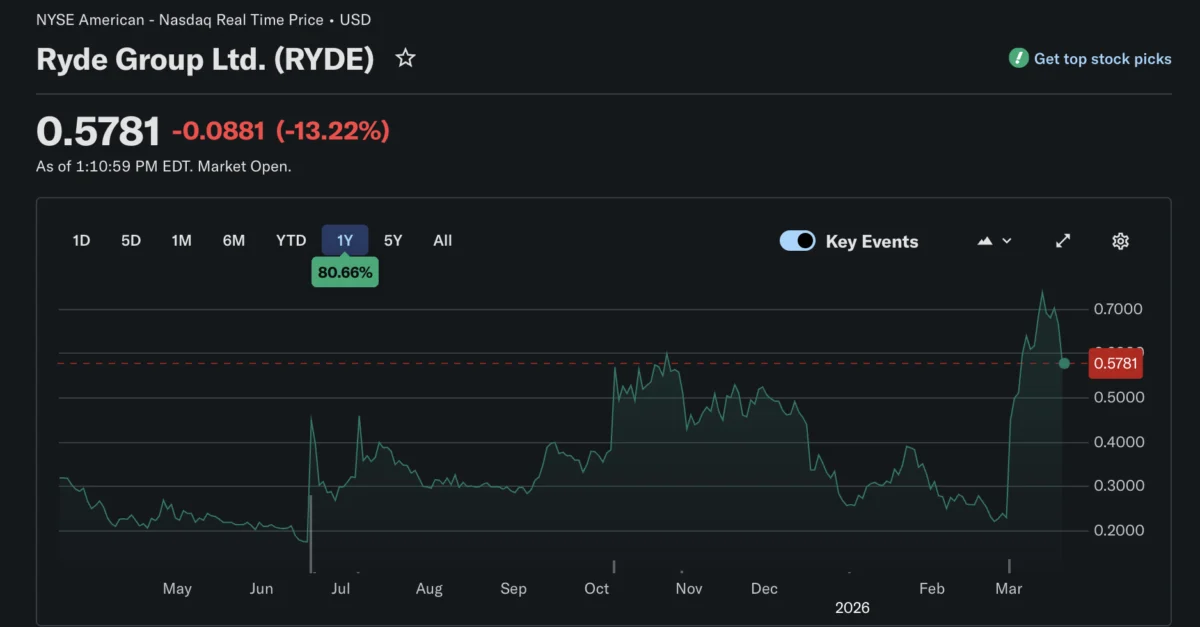
Singapore-based ride-sharing and carpooling platform Ryde Group announced on Wednesday its strategic decision to incorporate a cryptocurrency treasury strategy for its corporate reserves. This move signifies a significant pivot for the company, as it plans to allocate a portion of its corporate funds into Bitcoin (BTC), Ether (ETH), and Solana (SOL). The specifics of the allocation percentages and the timing of these investments will be determined by an internal governance team at Ryde, according to a formal announcement released by the company.
The company explicitly cited the "evolving macroeconomic environment" as the primary driver behind this strategic shift. Ryde believes that integrating digital assets into its treasury operations offers enhanced flexibility and a novel approach to managing its financial reserves in an increasingly dynamic global economic climate. This decision positions Ryde alongside a growing, albeit volatile, cohort of companies that are exploring the potential of digital assets as a store of value and a strategic financial tool.
Background and Context: The Rise and Challenges of Corporate Crypto Treasuries
The concept of corporations holding significant reserves in cryptocurrencies gained traction in the early 2020s, with MicroStrategy and Tesla being prominent early adopters. These companies initially viewed Bitcoin, in particular, as a hedge against inflation and a potential long-term appreciating asset. The rationale often centered on the decentralized nature of these digital assets, their limited supply (in the case of Bitcoin), and their potential to offer diversification benefits beyond traditional asset classes like equities and bonds.
However, the journey into corporate crypto treasuries has not been without its turbulence. The digital asset market is known for its extreme volatility. Companies that have allocated substantial portions of their reserves to cryptocurrencies have experienced significant paper gains during bull markets but have also faced considerable paper losses during market downturns. This inherent price fluctuation necessitates robust risk management frameworks and a long-term strategic outlook, rather than short-term speculation.
Ryde’s decision comes at a time when the broader digital asset treasury sector is navigating a complex period. Data from sources like CoinGecko indicate a slowdown in inflows into corporate digital asset treasuries, with February 2026 marking one of the lowest monthly inflow levels since October 2024, reaching approximately $555 million. Furthermore, the sector has experienced challenges such as the multiple net asset value (mNAV) collapse in September 2025, where many crypto treasury companies began trading below the intrinsic value of their crypto holdings. This environment underscores the heightened scrutiny and risk associated with such strategies.
Ryde’s Crypto Treasury Framework: Governance and Security

To manage its new digital asset holdings, Ryde has established a clear governance structure. The company has confirmed that its crypto assets will be securely held with a third-party custodian. This outsourcing of custody is a common practice among institutions seeking to mitigate the risks associated with self-custody of digital assets, which can be complex and require specialized security expertise.
Furthermore, Ryde has instituted an investment committee responsible for the active management of its digital asset portfolio. This committee will be tasked with making strategic decisions regarding asset allocation, entry and exit points for investments, and overall portfolio performance. Complementing this is a separate risk management committee, which will focus on ensuring the safety of investments and maintaining compliance with relevant regulatory frameworks. This dual-committee approach highlights Ryde’s commitment to a structured and risk-aware implementation of its crypto treasury strategy.
Historical Engagement with Digital Currencies
Ryde’s foray into the digital asset space is not entirely new. The company first began accepting Bitcoin as an in-app payment method for its users in 2020. This early adoption allowed users to convert BTC to Ryde tokens via the RydePay wallet to facilitate payments for services on the platform. The company later expanded its payment options to include certain altcoins, demonstrating a progressive approach to integrating digital currencies into its user experience. While it remains unclear if Ryde continues to accept cryptocurrencies as a direct in-app payment method, its past experience suggests a foundational understanding and willingness to explore the utility of digital assets.
Market Reaction and Broader Implications
The announcement of Ryde’s crypto treasury strategy has coincided with a notable reaction in its stock market performance. Ryde Group’s shares, traded on the NYSE American, experienced a decline of over 13% in early trading on Thursday. This dip significantly trimmed the stock’s year-to-date gains, which had previously exceeded 122%, according to data from Yahoo Finance. This market reaction suggests investor caution, possibly reflecting broader concerns about the volatility associated with digital asset holdings and the current challenging macroeconomic conditions.
The decision by Ryde to enter the digital asset treasury space, while the industry faces headwinds, is a bold one. Many companies have been forced to divest or reduce their crypto holdings due to market pressures. For instance, GD Culture Group (GDC), a publicly listed holding company, authorized the sale of portions of its Bitcoin reserve in February 2026 to fund a share repurchase program. Simultaneously, Ether treasury companies like BitMine Immersion Technologies have reported substantial paper losses as the price of Ether has fallen below their average acquisition costs.
Ryde’s strategic move, therefore, appears to be a contrarian one, betting on the long-term potential of specific cryptocurrencies despite the prevailing market sentiment and the challenges faced by other digital asset treasury firms. The company’s rationale, rooted in seeking greater flexibility and navigating an evolving macroeconomic environment, suggests a forward-looking perspective.

Analysis of Potential Implications
Ryde’s adoption of a crypto treasury strategy could have several implications:
- Diversification and Inflation Hedge: By allocating funds to Bitcoin and Ether, Ryde is seeking to diversify its corporate reserves beyond traditional fiat currencies and financial instruments. Proponents of Bitcoin, in particular, often highlight its potential as a hedge against inflation due to its fixed supply.
- Enhanced Financial Flexibility: The company’s statement emphasizes increased flexibility. This could translate into more agile capital deployment, the ability to capitalize on market opportunities, or a more resilient financial position in the face of economic uncertainty.
- Signal to the Market: Ryde’s move could serve as a signal to other companies, particularly within the technology and transportation sectors, that digital assets are becoming a more viable component of corporate treasury management. However, the market’s immediate reaction suggests that such signals are being met with caution.
- Operational and Regulatory Navigation: The establishment of dedicated investment and risk management committees indicates Ryde’s intent to approach this strategy with a structured and compliant methodology. Successfully navigating the regulatory landscape surrounding digital assets will be crucial for its long-term success.
- Impact on User Adoption: While this decision focuses on corporate reserves, Ryde’s prior experience with accepting crypto payments could potentially influence future decisions regarding user-facing digital asset integrations.
Looking Ahead
The success of Ryde’s crypto treasury strategy will depend on several factors, including the company’s ability to effectively manage the inherent volatility of digital assets, adapt to evolving market conditions, and maintain strong governance and compliance. The company’s commitment to holding assets with a third-party custodian and establishing specialized committees suggests a deliberate and measured approach.
As the macroeconomic landscape continues to shift, Ryde’s decision to embrace digital assets for its corporate reserves places it at the forefront of a developing trend. The company’s journey will be closely watched as a case study in how traditional businesses can integrate emerging digital asset classes into their core financial strategies, and whether this bold move will ultimately enhance its financial resilience and long-term value. The volatile market response highlights the inherent risks, but also the potential rewards, of such innovative financial management.
Cointelegraph reached out to Ryde for further comment on its crypto treasury strategy but had not received a response by the time of publication. The company’s commitment to independent journalism, as outlined in its editorial policy, emphasizes the importance of verifying information and encourages readers to conduct their own due diligence.