Galang Taruna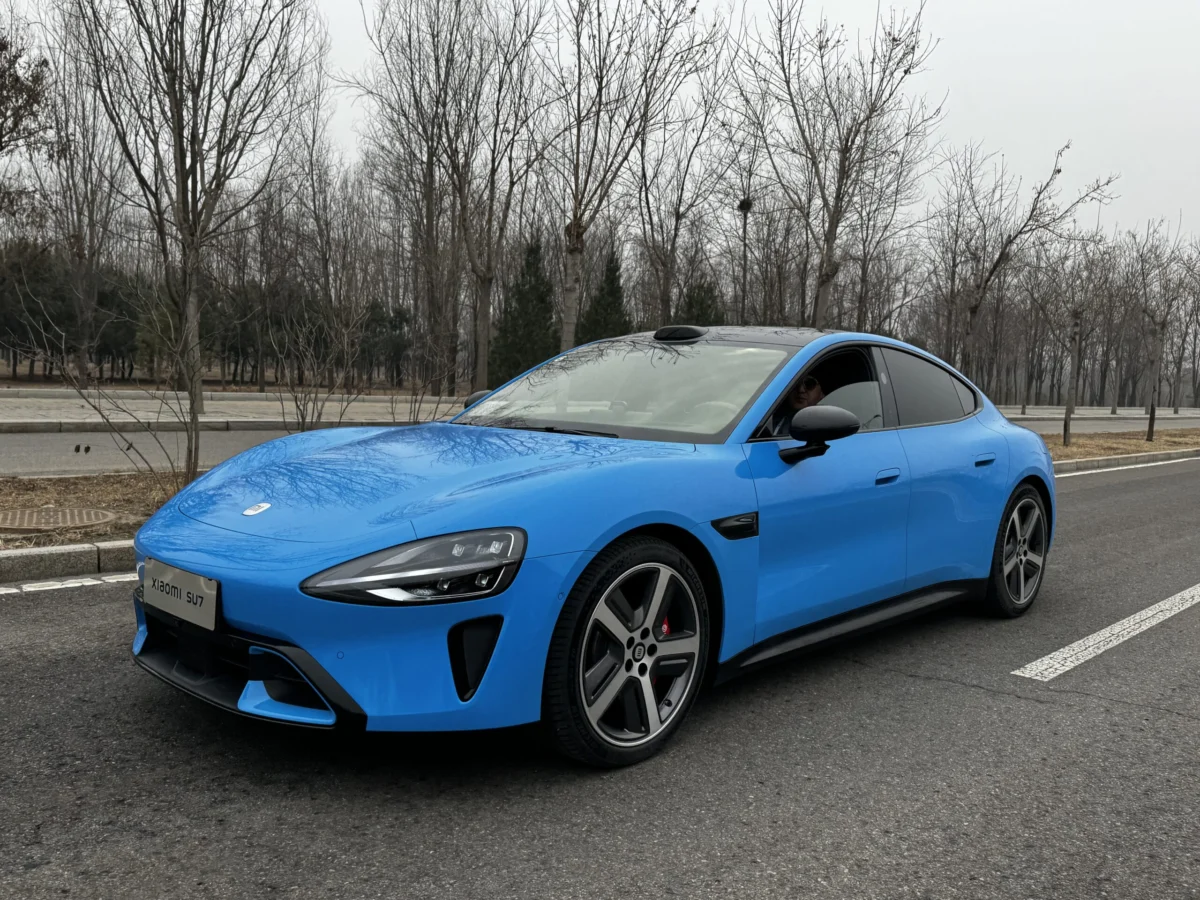
After two years of disrupting the electric sedan market in China, Xiaomi has officially launched the first major update to its highly anticipated SU7. Unveiled at a press conference in Beijing, the restyled 2026 model year of the SU7 is far more than a mere cosmetic refresh; it represents a comprehensive overhaul addressing critical aspects of electric vehicle performance, safety, and technological integration. This strategic update positions the SU7 as an even more potent contender in the fiercely competitive EV landscape, directly challenging established players like the Tesla Model 3. Our initial impressions from an exclusive close-up and onboard experience in Beijing suggest that Xiaomi has meticulously refined its electric flagship, setting new benchmarks in several categories.
The Evolution of Xiaomi’s Automotive Ambition
Xiaomi’s foray into the automotive sector with the original SU7 was met with significant enthusiasm and scrutiny. Known globally for its consumer electronics, Xiaomi’s pivot to electric vehicles underscored a broader trend among tech giants to diversify into smart mobility solutions. The initial SU7, launched in 2024, quickly garnered attention for its sleek design, competitive pricing, and deep integration with Xiaomi’s extensive ecosystem. It immediately established itself as a credible alternative to premium electric sedans, particularly the Tesla Model 3, in the burgeoning Chinese market. This 2026 restyling arrives at a pivotal moment, signaling Xiaomi’s commitment to rapid innovation and its intent to solidify its position as a serious player in the global EV arena. The aggressive update cycle, barely two years after the initial launch, highlights the breakneck pace of development characteristic of the Chinese automotive industry.
Subtle Refinements to an Already Acclaimed Design
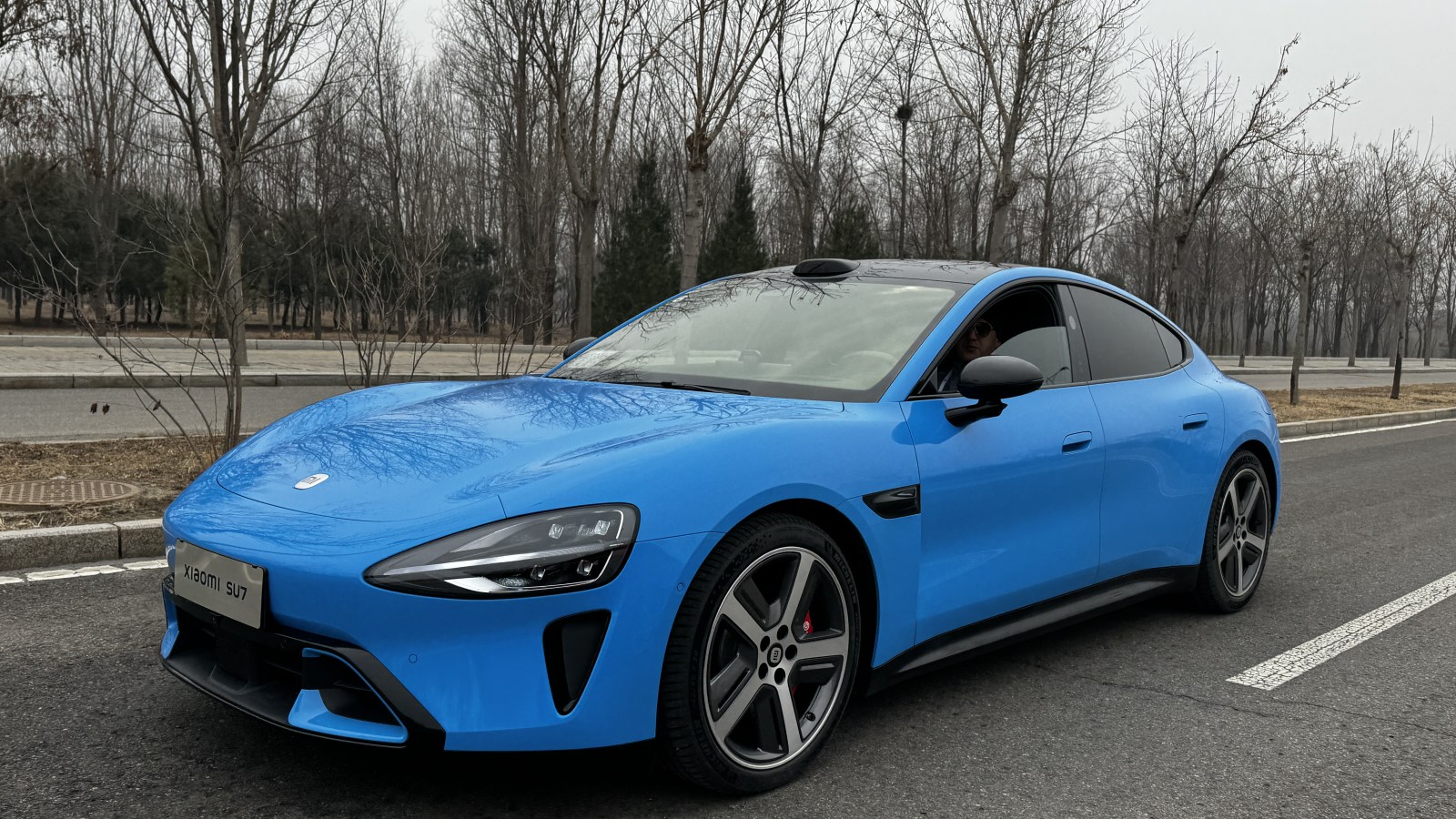
Xiaomi has judiciously chosen not to revolutionize the SU7’s already well-received silhouette. The initial design, celebrated for its aerodynamic profile and elegant lines, required only subtle enhancements to maintain its contemporary appeal. Exterior modifications on the restyled SU7 are therefore nuanced, aligning the sedan with the aesthetic standards established by its SUV sibling, the YU7, while retaining the distinctive optical blocks of the first-generation SU7.
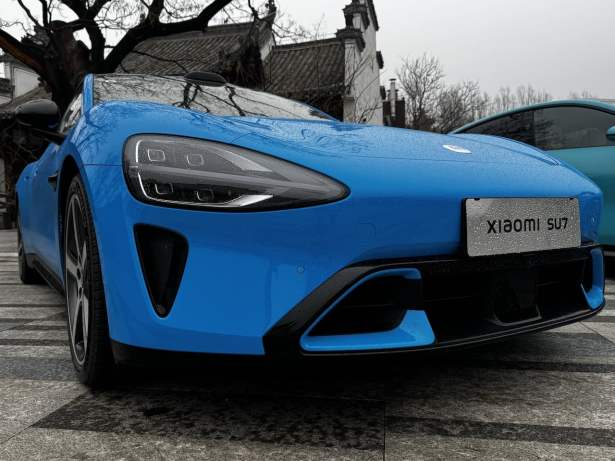
The most noticeable aesthetic change is found at the front, where the grille now features a new U-shaped design. This redesigned element is not purely ornamental; it cleverly integrates a new 4D 40mm millimeter-wave radar, significantly enhancing the vehicle’s advanced driver-assistance systems. A practical innovation accompanying this is a high-pressure jet system designed to automatically clean the front and rear cameras of the 360-degree vision system, eliminating the need for manual cleaning—a small but impactful detail for daily usability.
The exterior color palette has been expanded to nine shades, with three exclusive options introduced for the launch: Coastal Blue, a deeper and more refined blue than the first generation’s Aqua Blue; Blazing Red; and Dawn Pink, the latter shared with the YU7. This expanded selection allows for greater personalization. Side mirrors now come in black or with carbon fiber casings for the Max trim, serving as a clear visual differentiator between the various versions. Comparing the new SU7 in Coastal Blue alongside the previous Aqua Blue model reveals the subtle yet sophisticated evolution of the design language.

Wheel options have also evolved, with six designs available in 19 or 21 inches. The flagship offering is the new "Blossom" double-layer forged wheel, touted as an unprecedented high-end element within its segment, emphasizing both performance and aesthetic appeal. Another discreet yet highly appreciated enhancement is the transition of the front trunk (frunk) to a fully electric operation. In the first generation, the frunk latch was electronically released, but opening and closing remained manual. This update significantly improves convenience, especially when hands are full or when the rear trunk is inaccessible, a common scenario in crowded urban parking environments.
At the rear, the SU7 retains its automatically deploying spoiler, which adjusts based on speed, and now includes a plaque detailing the specifications of the new engine. The blue signaling lights indicating the activation of the autopilot system are also now present. The SU7 Max model, as observed, features decorative carbon fiber inserts for the rear diffusers, adding a touch of sporty elegance.
Powering Forward: The V6s Plus Engine Revolution
One of the most structural and impactful changes in this update is the complete overhaul of the powertrain. The first-generation V6 and V6s engines have been retired across the entire lineup, replaced by the new V6s Plus engine. This advanced motor boasts an increased rotational speed, now capable of reaching 22,000 rpm, up from the previous 21,000 rpm. While not a revolutionary leap in raw numbers, this enhancement translates into a consistent and noticeable gain in power across all SU7 variants.
The Standard and Pro versions now deliver 320 horsepower, an increase from 299 hp. The top-tier Max, featuring a dual-motor setup, sees its output climb from 673 hp to a robust 690 hp (507 kW). Performance metrics remain impressive, with the Max accelerating from 0 to 100 km/h in approximately 3 seconds. The Pro completes the sprint in 5.7 seconds, while the Standard achieves it in 5.28 seconds. Importantly, Xiaomi now communicates these acceleration figures without the "rollout" measurement, which accounts for the mechanical advantage at low speeds. This shift to a more honest and widely accepted industry standard provides a truer representation of the vehicle’s acceleration capabilities compared to the previous generation’s reporting.
The 800V Revolution: Faster Charging and Extended Range
Perhaps the most anticipated and commercially significant upgrade is the comprehensive adoption of an 800-volt electrical architecture across the entire SU7 range. The initial SU7 Standard and Pro models were constrained by a 400-volt system, a conservative choice that put them at a disadvantage against competitors already embracing higher voltage platforms, even though the first-generation Max did feature an 800-volt system. The 2026 version rectifies this entirely.
The Standard and Pro versions now operate on a 752V architecture, while the Max pushes the envelope further with an 897V system. This upgrade dramatically improves charging capabilities. The SU7 Max can now accept a peak charging power of 530 kW, enabling it to recover an astounding 670 km of CLTC range in just 15 minutes. This is a substantial improvement over the 510 km recovered in the same timeframe by the previous generation. A 10% to 80% charge now takes only 12 minutes for the Max, and between 20 and 21 minutes for the Standard and Pro versions. While impressive, Xiaomi acknowledges the ongoing race for charging speed, noting that this is still slightly behind the "flash charge" capabilities showcased by rivals like BYD.

Autonomy has also seen significant improvements across the board. The SU7 Standard gains 20 km, reaching 720 km CLTC (approximately 630 km WLTP). The Pro model exhibits the most remarkable jump, extending its range from 830 km to an impressive 902 km CLTC (from 720 km to 790 km WLTP). The Max, with its dual-motor setup contributing to higher energy consumption, still sees an improvement from 800 km to 835 km CLTC (from 690 km to 730 km WLTP). For context, Xiaomi highlights that these figures offer 15% to 20% more autonomy than direct competitors such as the Xpeng P7 Next, positioning the SU7 as a leader in range within its segment.
To validate these long-term performance claims, Xiaomi subjected an SU7 Max to a rigorous 24-hour endurance test in November 2025. During this test, the sedan covered an astonishing 4,264 km at an average speed of 240 km/h, setting a new homologated record for a production car. This feat surpassed previous records held by its stablemate, the YU7, as well as established performance EVs like the Xpeng P7 and the Porsche Taycan, underscoring the SU7’s engineering prowess and durability.
Advanced Technological Integration and Autonomous Driving
A cornerstone of this update is the democratization of advanced driver-assistance technology. The LiDAR sensor, previously exclusive to the Max trim, now becomes standard across the entire SU7 lineup, including entry-level versions. Coupled with the new 4D 40 GHz radar and cameras featuring anti-reflective coatings, the restyled SU7 boasts a comprehensive sensory suite, bringing it in line with the advanced capabilities previously offered only by the YU7 SUV.

The computational power dedicated to autonomous driving has seen a massive leap, increasing to 700 TOPS across the entire range. This is a significant upgrade from the first generation’s 84 TOPS on the Standard and 508 TOPS on the Pro and Max. This exponential increase in processing power is facilitated by the adoption of the cutting-edge NVIDIA DRIVE AGX Thor-U platform. The new Xiaomi HAD (Hyper Autonomous Driving) system replaces the older Xiaomi Pilot Pro, leveraging this enhanced hardware. While providing substantial computing capability, Xiaomi acknowledges that this still places it below the absolute peak processing power offered by industry leaders in autonomous driving, such as NIO and XPENG, indicating areas for future development.
The multimedia system continues to be powered by the Snapdragon 8 Gen 3 processor, but its integration has been refined, mirroring the YU7’s system to enhance usability for iPhone users. A novel exterior voice control feature allows users to command the car to open the trunk or unlock doors hands-free, without needing to interact with a phone—a practical convenience, especially when carrying items. For rear-seat passengers, new amenities include a refrigerator and the same removable screen introduced on the YU7, significantly enhancing the in-cabin experience.
Unprecedented Safety Enhancements
Xiaomi has undertaken a profound revision of the SU7’s body structure to bolster safety. The use of ultra-high-strength steel has been increased from 2,000 MPa to an impressive 2,200 MPa in critical zones, encompassing the A to C pillars and frontal anti-collision beams. This level of resistance is among the highest in the segment, shared, according to Xiaomi, only by Great Wall in this category. Overall, high-strength steel now accounts for 90.3% of the total structure, providing exceptional occupant protection.

The battery benefits from a dedicated steel anti-snag beam positioned as the primary contact surface on its underside, offering enhanced protection against impact. The number of airbags has been expanded from 7 to 9, with the addition of two inflatable cushions in the rear, providing improved protection for rear-seat passengers.
A particularly sensitive issue in China, following several highly publicized accidents involving electric vehicles, has been the functionality of door handles and emergency egress. The restyled SU7 directly addresses these concerns with a suite of radical solutions. It now integrates a mechanical emergency unlock mechanism, activatable by forceful traction, ensuring occupants can exit even in the event of a power failure. Additionally, independent backup power supplies for the electronic locks (one at the front, one at the rear) have been added. Crucially, a clearly visible red emergency button has been placed inside the cabin, providing an intuitive and reliable means of exit. These vital safety features were conspicuously absent in the first-generation model.
Consistency in Core Strengths
While significant changes have been implemented, some core strengths of the SU7 remain untouched. The overall silhouette retains its signature aerodynamic, distinctive, and undeniably inspired aesthetic. The robust Xiaomi ecosystem, a true competitive advantage of the model, remains intact, offering seamless Apple compatibility and extensive openness to third-party accessories. The three existing trim levels—Standard, Pro, and Max—are preserved, maintaining the established structure of the product range.

First Impressions and Market Implications
The restyled SU7 is far more than a simple facelift; it is a substantial upgrade that systematically addresses the shortcomings of the first generation on fundamental points. The integration of 800V fast charging was a competitive necessity, and it has been delivered. The standardization of LiDAR across the entire range is a strong strategic statement, democratizing advanced safety and autonomous driving features. The reinforced safety measures directly respond to pressing market concerns and consumer expectations. Furthermore, the record-breaking autonomy of the Pro version repositions the SU7 as one of the most enduring sedans on the market, rivaling the likes of the Mercedes CLA and the BMW 3 Series (i3).
In a Chinese market characterized by dizzying speeds of innovation, Xiaomi has responded with remarkable efficiency, barely two years after its automotive debut. Based on the performance enhancements and strategic positioning, this 2026 SU7 model offers distinct advantages over competitors such as the Xpeng P7 Next, Mercedes CLA, and the upcoming Exeed Terra ES. Other formidable contenders like Zeekr and Avatr also remain key players in this dynamic segment.
This initial preview confirms Xiaomi’s serious intent and capability in the electric vehicle space. Our upcoming second article will delve into a comprehensive on-road test between Beijing and the Tangalulu mountains, where we will put the new SU7 Max through its paces in real-world conditions. This follow-up will also explore the vehicle’s interior enhancements and the updated pricing structure, which, as previously indicated in the announcement article, remains highly competitive against Tesla, particularly in terms of value for money. The American competitor, in light of these advancements, faces increased pressure in the critical quality-to-price ratio.