Vera Intan Clara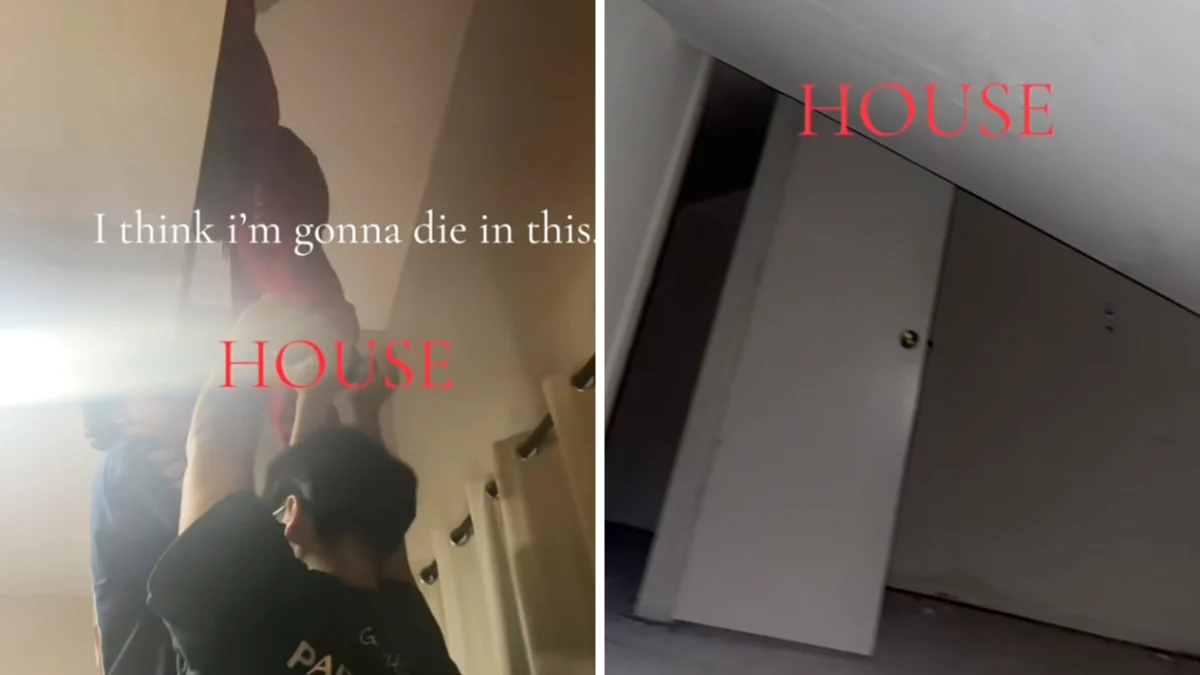
The digital realm recently bore witness to an incident that has amplified long-standing anxieties surrounding the short-term rental market, as a TikTok user, @mich3133.0, unveiled the discovery of a clandestine room within a Texas Airbnb, sparking a viral sensation and reigniting the contentious debate over the safety and transparency of such accommodations compared to traditional hotels. This unsettling find, detailed through a series of viral videos, transcended the typical guest grievances of demanding hosts or cleanliness issues, delving into a realm of genuine unease and raising profound questions about property integrity and guest security in the sharing economy.
The Discovery: An Unsettling Revelation in Dallas
The incident, which rapidly garnered millions of views and widespread commentary, began last month when TikTok user @mich3133.0 and their companions checked into an Airbnb in the Dallas area of Texas. What initially appeared to be a routine vacation rental quickly transformed into a scene from a psychological thriller. Utilizing Charli XCX’s track "House" and its haunting lyric, "I think I’m going to die in this house," as an eerie soundtrack, the TikToker documented their chilling discovery.
The initial footage presented a seemingly innocuous room. However, as the camera panned upwards, it focused on a recess in the ceiling, which, upon closer inspection, clearly led somewhere beyond a mere decorative alcove. Curiosity, mixed with an evident undercurrent of apprehension, prompted the vacationers to investigate further. A subsequent clip showed the group hoisting one of their members upwards, enabling a more direct view into the concealed space. This act confirmed their suspicions: the recess was not merely decorative but rather an entrance to a sloped ceiling, which, in turn, opened into another distinct room. The unsettling detail was compounded by the sight of an open door partially obstructing the view within this newly discovered, undisclosed area. The implications of an unadvertised, hidden room accessible from a guest’s living space immediately conjured images of privacy breaches and potential security risks, striking a chord with a global audience already wary of hidden cameras and other intrusive elements reported in previous short-term rental incidents.
Chronology of a Viral Sensation
- Last Month: @mich3133.0 and friends check into an Airbnb in the Dallas, Texas area.
- Initial Discovery: Guests notice an unusual recess in the ceiling of one of the rooms, prompting investigation.
- Video Documentation: @mich3133.0 records footage of the discovery, overlaying it with Charli XCX’s "House," emphasizing the unsettling nature of the find. The video visually depicts the recess, the act of lifting someone for a closer look, and the revelation of a sloped ceiling leading to another room with a partially open door.
- First TikTok Post: The video is uploaded with the caption "WORST/ creepiest airbnb ever," quickly going viral and accumulating over 14 million views.
- Internet Outcry: Comments flood in, expressing shock, fear, and questioning the safety of Airbnbs. Recurring themes include concerns about someone watching from the hidden room and calls for stricter regulations.
- Guest’s Immediate Reaction: Faced with the unsettling discovery, the group decides against occupying separate rooms, opting instead to consolidate into a single, different room for the night, ensuring the door was locked as a precaution.
- Warning to Others: @mich3133.0 uses the platform to "blast" the Airbnb listing, explicitly warning other potential travelers to the Dallas area to avoid the property.
- Additional Complaints: Beyond the secret room, the TikToker details other discrepancies and issues with the listing, including inaccurate photos, stains on beds, a misrepresented backyard, and a general "old and depressing" atmosphere. While these issues are typical grievances, they underscore a broader theme of misrepresentation for the specific property.
- Continued Debate: The incident fuels an ongoing public discussion across social media platforms regarding the merits and risks of short-term rentals versus traditional hotel accommodations.
The Internet Reacts: Fear, Disbelief, and Calls for Scrutiny
The virality of @mich3133.0’s video was immediate and profound. With over 14 million views, the comments section became a crucible of shared anxieties and widespread agreement regarding the inherent creepiness of the situation. Users expressed a range of emotions, from visceral fear to pointed criticisms of the Airbnb platform itself.
User @andreu.ride articulated a common fear, writing, "Imagine waking up at 3 am and See someone staring at you from there…" This comment encapsulated the deep-seated psychological discomfort of an undisclosed space, particularly one that could potentially house an unseen observer. The notion of a stranger having access to a hidden vantage point within one’s temporary dwelling is a profound violation of privacy and security.
Another user, @nannn.na01, highlighted a critical detail that exacerbated the sense of dread: "The door….open???" The implication of an already open door within the secret room suggested either prior occupation, recent activity, or an intentional design choice that amplified the unsettling atmosphere, leaving many to wonder if the space was regularly used or merely an abandoned architectural anomaly. The question of access was further explored by another viewer who inquired whether there was "a separate entrance to get up there orrr?" This line of questioning pointed to the core issue of accountability and control over such spaces.
Beyond immediate reactions of fear, many commenters channeled their concern into calls for systemic change. User @jayrawhh suggested, "Airbnb houses should be checked by a team of professionals before it’s allowed to be used." This sentiment reflects a growing demand for enhanced regulatory oversight and safety standards within the short-term rental industry, a sector that has largely operated with less stringent oversight than traditional hospitality.
Guest’s Response and Broader Property Discrepancies
The immediate aftermath of the discovery saw the group of friends making practical, albeit unsettling, adjustments to their stay. Rather than continuing to occupy separate rooms as originally planned, they collectively decided to pile into a single, different room for the night, ensuring the door was locked. This defensive measure underscores the profound impact the discovery had on their sense of security and well-being. The decision to forgo individual sleeping spaces in favor of collective safety speaks volumes about the level of unease they experienced.
Beyond the secret room, @mich3133.0 also took the opportunity to detail other significant discrepancies and issues with the Dallas Airbnb listing. "The pics of the house were not the same at all!!" they exclaimed, highlighting a fundamental breach of trust regarding the property’s advertisement. Further complaints included "stains on the beds," a backyard that was "not as the pictures," and a general feeling that the house was "very old and depressing." While these issues—misleading photos, cleanliness concerns, and general disrepair—are common complaints in the short-term rental market, their accumulation, particularly in conjunction with the discovery of a hidden room, painted a picture of a host potentially engaging in misrepresentation on multiple fronts and neglecting property standards. While these additional complaints might seem minor compared to the secret room, they collectively erode guest confidence and contribute to a perception of a poorly managed or deceptive listing.
The Airbnb Phenomenon and its Persistent Challenges
The rise of Airbnb over the past decade has revolutionized the travel industry, offering travelers unique accommodations and often more authentic local experiences than traditional hotels. Founded in 2008, the platform has grown into a global behemoth, boasting millions of listings in over 220 countries and regions. Its success lies in the concept of the "sharing economy," where individuals can monetize their spare rooms or entire homes, fostering a sense of community and providing diverse options for travelers.
However, this rapid expansion has not been without its challenges. The decentralized nature of Airbnb’s operations, relying on individual hosts, inherently introduces variables in quality, safety, and compliance that are far less common in the highly regulated hotel industry. While Airbnb has invested heavily in trust and safety initiatives, incidents dubbed "Airbnb horror stories" have become an almost ritualistic aspect of online discourse surrounding the platform. These range from the mundane—such as hosts leaving exhaustive chore lists or being overly intrusive—to the truly sinister, like the recurring issue of hidden cameras discovered in private spaces.
According to various reports and anecdotal evidence, concerns about privacy and security are consistently among the top grievances for Airbnb users. A 2019 survey, for instance, revealed that a significant percentage of travelers worry about hidden cameras in rental properties. While official statistics on such incidents are difficult to quantify publicly, the constant stream of viral stories, often amplified by social media, keeps these anxieties at the forefront of public consciousness. The psychological impact of feeling vulnerable in a space advertised as a temporary home can be profound, undermining the very trust that the sharing economy relies upon. The discovery of a secret room, as in the Dallas incident, taps into a primal fear of the unknown and the violation of personal space, far exceeding the discomfort of a dirty bathroom or a demanding host. It raises questions not just about cleanliness or amenities, but about the fundamental structural integrity and purpose of the rented space itself.
Airbnb’s Safety Policies and the Regulatory Landscape
In response to a growing number of safety incidents and public scrutiny, Airbnb has continually updated its safety policies. The platform states that it prohibits hidden cameras in private spaces such as bedrooms and bathrooms, and requires hosts to disclose all cameras, even in common areas, before a booking is confirmed. Guests who discover undisclosed cameras are entitled to a full refund and assistance with alternative accommodations. For more serious incidents involving structural integrity or undisclosed spaces, Airbnb typically advises guests to contact local authorities and offers support through its 24/7 customer service. The platform emphasizes its "Host Protection Insurance" and "Guest Refund Policy" designed to address various issues.
However, the enforcement of these policies is often reactive, relying on guest reports rather than proactive inspections. This decentralized enforcement model is a fundamental difference from hotels, which are subject to regular health, safety, and building code inspections by local authorities. The case of the secret room highlights a potential gap in current oversight. While a hidden camera might be a clear violation of privacy, an undisclosed structural alteration like a secret room could fall into a grey area, potentially violating local building codes or safety regulations without being explicitly covered by Airbnb’s specific camera policy.
The regulatory landscape for short-term rentals varies wildly from city to city and country to country. Some major cities have implemented strict regulations, including registration requirements for hosts, limits on rental days, and mandatory safety inspections. Other areas, particularly in less densely populated regions, may have minimal or no specific regulations for short-term rentals, leaving much of the responsibility for safety and compliance to the platforms and individual hosts. In Texas, for instance, regulations vary by municipality, with some cities having more robust frameworks than others. An undisclosed room, particularly one with an open door leading into it, could potentially violate fire safety codes or create an unsafe environment, depending on its structure and purpose. This incident underscores the urgent need for a more standardized and rigorous approach to property vetting across the entire short-term rental industry, extending beyond basic amenity checks to structural and safety compliance.
The Enduring Debate: Airbnb vs. Hotels
The virality of the Texas Airbnb incident inevitably reignited a long-standing debate: "When are people going to stop staying at Airbnbs and go back to hotels?" as user @qobrien96 succinctly put it. This question encapsulates a fundamental tension in the travel market.
Arguments for Hotels:
- Standardized Safety and Regulations: Hotels are heavily regulated, subject to strict building codes, fire safety inspections, and consistent health and safety standards. Guests generally have a higher assurance of structural integrity and emergency preparedness.
- Professional Management: Hotels are run by professional staff, ensuring a consistent level of service, maintenance, and security. There’s usually a front desk or concierge available 24/7 to address issues.
- Predictability and Transparency: What you see is generally what you get with a hotel. Room layouts, amenities, and service levels are standardized across chains, reducing the likelihood of unexpected or unsettling discoveries.
- Privacy: Hotel rooms are designed as private spaces, with robust security measures like keycard access and staff protocols to prevent unauthorized entry. The concept of a hidden room is virtually unthinkable in a professionally managed hotel.
Arguments for Airbnbs:
- Unique Experiences: Airbnbs often offer more character, local immersion, and diverse property types (e.g., treehouses, historic homes) that hotels cannot match.
- Cost-Effectiveness (sometimes): For groups or longer stays, Airbnbs can sometimes be more economical, especially with access to kitchens and laundry facilities.
- Space and Amenities: Many Airbnbs offer more living space, multiple bedrooms, and full kitchens, which can be ideal for families or extended trips.
- Local Connection: The opportunity to stay in a residential neighborhood and interact with local hosts can provide a richer travel experience.
The Texas incident, however, starkly highlights the inherent risks of the Airbnb model when trust is breached. The lack of standardized oversight for individual properties means guests are often relying solely on the host’s integrity and the platform’s reactive reporting mechanisms. For many, the peace of mind and predictable safety of a hotel room now outweigh the allure of a unique Airbnb experience, especially when faced with scenarios that evoke genuine fear and insecurity.
Implications for Consumer Trust and the Sharing Economy
The widespread attention garnered by the Texas Airbnb discovery carries significant implications for consumer trust, not just for Airbnb, but for the broader sharing economy. Trust is the bedrock upon which platforms like Airbnb are built. When guests invite themselves into a stranger’s home, they are extending a profound level of trust, expecting a safe, private, and accurately represented environment. Incidents like the secret room directly undermine this trust.
- Erosion of Trust: Each viral "horror story" erodes consumer confidence, leading potential guests to question the safety and transparency of listings. This can translate into reduced bookings or a shift towards more traditional accommodations.
- Increased Scrutiny: Such incidents inevitably lead to increased scrutiny from media, consumer advocacy groups, and regulatory bodies. This could pressure platforms to implement more stringent vetting processes for hosts and properties, potentially including mandatory safety inspections or more comprehensive disclosure requirements.
- Host Accountability: The incident puts a spotlight on host accountability. Hosts who misrepresent properties, neglect maintenance, or fail to disclose crucial structural details risk not only platform penalties but also legal repercussions and severe damage to their reputation.
- The Role of Social Media: Social media platforms like TikTok have become powerful tools for consumer advocacy and real-time incident reporting. They allow individual experiences to quickly become global cautionary tales, forcing platforms and service providers to address issues publicly and promptly. While this offers a valuable safeguard for consumers, it also presents a constant reputational challenge for companies.
- Future of the Sharing Economy: For the sharing economy to continue thriving, platforms must demonstrate a clear and unwavering commitment to guest safety and transparency. This might involve investing more heavily in AI-driven anomaly detection in listings, partnering with local authorities for safety checks, or developing clearer guidelines for what constitutes a "safe and acceptable" rental property.
Conclusion: A Call for Greater Transparency and Oversight
The chilling discovery of a secret room in a Texas Airbnb, amplified across social media, serves as a potent reminder of the inherent vulnerabilities within the largely unregulated short-term rental market. While Airbnb and similar platforms offer undeniable benefits in terms of diverse travel experiences and economic opportunities, they also present unique challenges related to safety, privacy, and accountability.
The incident underscores the growing demand from consumers for greater transparency, more rigorous safety standards, and proactive oversight. For travelers, it reinforces the importance of due diligence, reading reviews critically, and trusting one’s instincts when something feels amiss. For platforms like Airbnb, it represents a continued call to action: to evolve their safety protocols, enhance their vetting processes, and work more closely with local authorities to ensure that the promise of unique accommodation does not come at the expense of guest security and peace of mind. The debate between the allure of the sharing economy and the predictable safety of traditional hospitality will undoubtedly continue, but incidents like this tip the scales, prompting a necessary re-evaluation of where the true value and security lie for the modern traveler.