Sisilia Frederika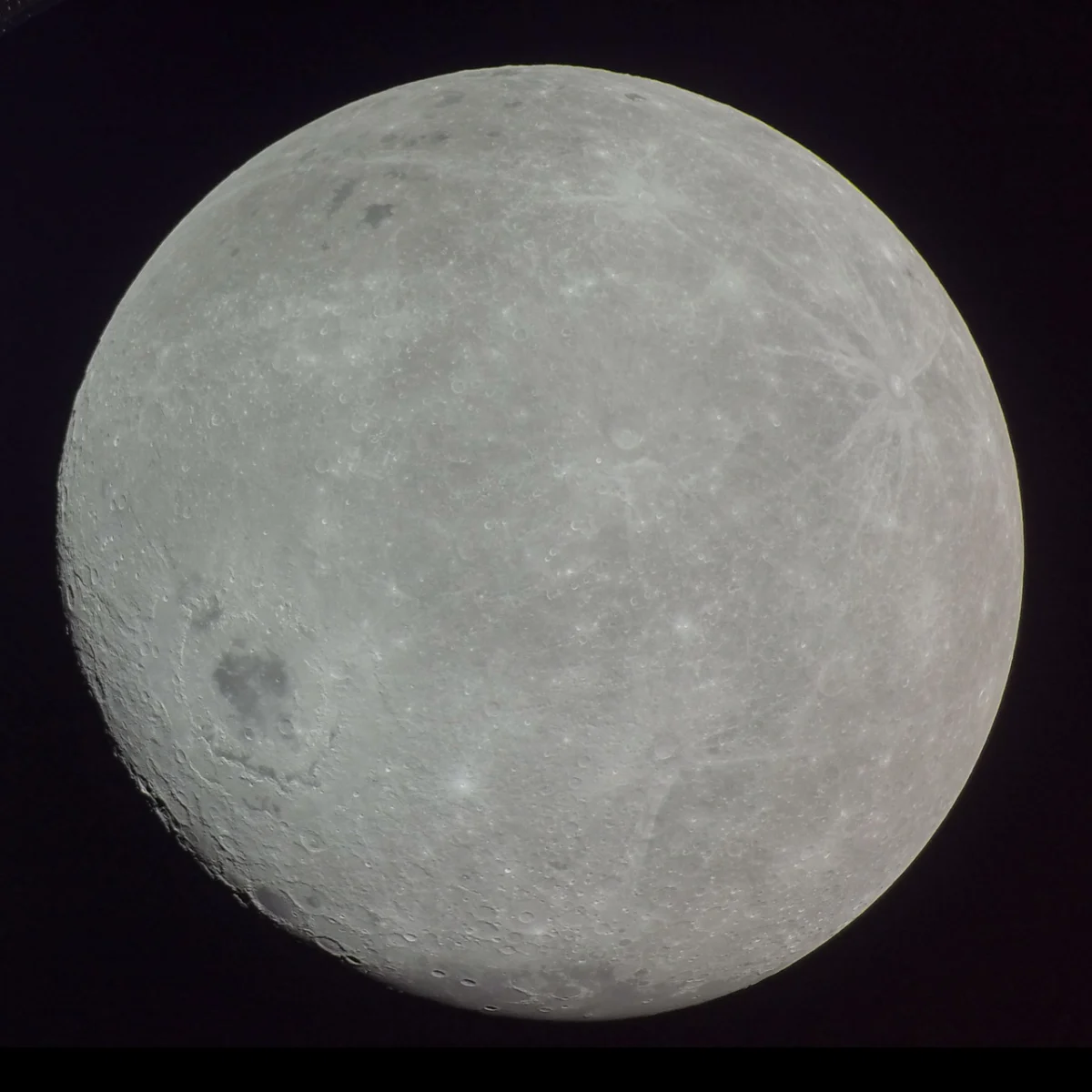
The pursuit of understanding humanity’s place in the universe has reached a significant milestone as researchers conclude the first-ever Search for Extraterrestrial Intelligence (SETI) conducted from the lunar far side. Utilizing the specialized hardware aboard China’s Chang’E-4 lander, scientists have successfully demonstrated that the Moon’s hidden hemisphere offers an unprecedented environment for detecting potential technosignatures—signals that would indicate the presence of advanced alien technology. While the initial search did not yield a confirmed contact, the methodology employed and the quietude of the environment have established a new frontier for radio astronomy, effectively bypassing the cacophony of electromagnetic interference that plagues Earth-based observations.
The Challenge of Earthly Noise and the RFI Problem
For more than six decades, radio astronomers have directed massive dishes toward the stars, hoping to catch a stray transmission or a deliberate beacon from another civilization. This endeavor, popularized by pioneers like Frank Drake and Carl Sagan, has faced an escalating obstacle: the proliferation of human technology. Radio Frequency Interference (RFI) has become the primary antagonist of SETI. Every cellular device, global positioning system (GPS) satellite, television broadcast, and Wi-Fi network contributes to a thick "fog" of radio noise that blankets the planet.
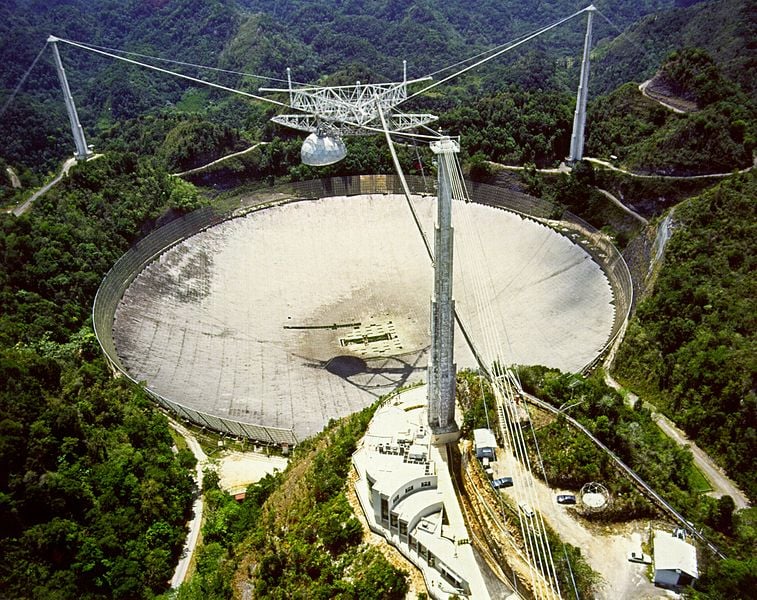
For a sensitive radio telescope, attempting to isolate a faint signal from a star system hundreds of light-years away while surrounded by modern telecommunications is comparable to trying to hear a single whisper in the middle of a sold-out stadium concert. While Earth-based facilities like the Green Bank Observatory in West Virginia or the Five-hundred-meter Aperture Spherical Radio Telescope (FAST) in China utilize "Radio Quiet Zones," these measures only mitigate terrestrial interference. They cannot block the signals raining down from thousands of orbiting satellites or the inherent atmospheric noise that obscures certain low-frequency bands.
The Lunar Far Side: An Electromagnetic Sanctuary
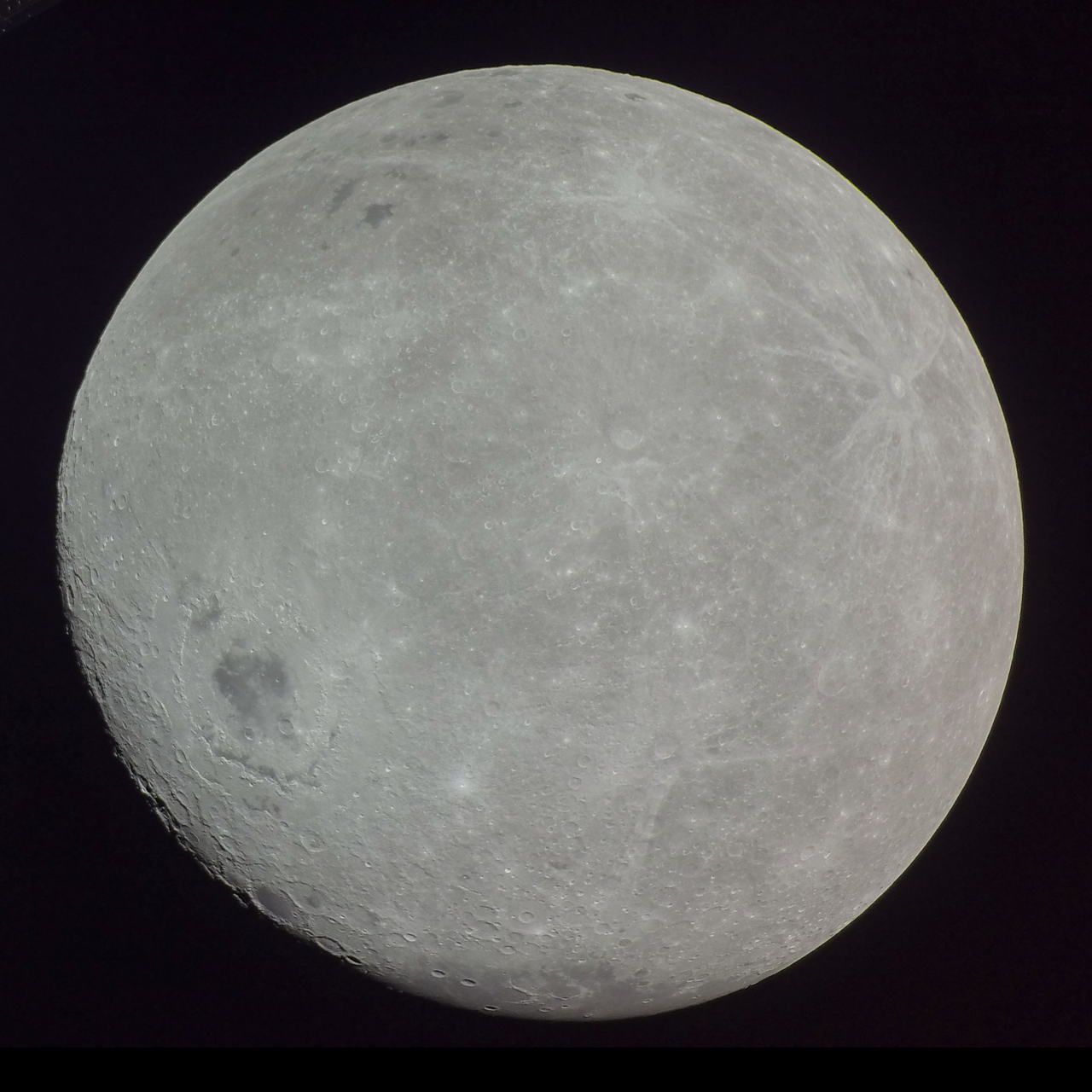
The Moon is tidally locked to Earth, meaning its rotation period matches its orbital period. Consequently, one side of the Moon—the far side—permanently faces away from our planet. This geographic orientation provides a unique physical shield. The bulk of the Moon, comprised of nearly 3,500 kilometers of solid rock and regolith, acts as a natural barrier that blocks virtually all radio transmissions originating from Earth and its satellite constellation.
Scientists have long identified this region as the most "radio-quiet" location in the inner solar system. On the lunar far side, the "noise floor" drops precipitously, allowing instruments to listen to the cosmos at frequencies that are otherwise inaccessible. Specifically, frequencies below 30 megahertz (MHz) are largely blocked by Earth’s ionosphere, making ground-based observation of these low-frequency bands impossible. The far side of the Moon offers a pristine window into these long-wavelength signals, which are considered prime candidates for certain types of interstellar communication and the study of the "Dark Ages" of the early universe.
Chronology of the Chang’E-4 Mission and SETI Integration
The journey to the lunar far side began in earnest with the launch of the Chang’E-4 mission by the China National Space Administration (CNSA).
- May 2018: The Queqiao relay satellite was launched and positioned at the Earth-Moon L2 Lagrangian point. This was a critical precursor, as the far side has no direct line of sight to Earth; Queqiao acts as a data bridge, relaying signals from the lunar surface back to ground stations.
- December 2018: The Chang’E-4 lander and Yutu-2 rover were launched from the Xichang Satellite Launch Center.
- January 3, 2019: Chang’E-4 made history by performing the first-ever soft landing on the lunar far side, touching down in the Von Kármán crater within the South Pole-Aitken Basin.
- 2019–2023: While the primary mission focused on lunar geology and mineralogy, the lander’s Low-Frequency Radio Spectrometer (LFS) began collecting data on the electromagnetic environment.
- 2024: A dedicated research team published their findings in a study titled "First Lunar Farside SETI Observations for Periodic Signals with the Low-frequency Radio Spectrometer of Chang’E-4 Mission," marking the formal transition of the mission’s data into the realm of SETI.
Methodology: Sifting Through the Silence
The SETI search conducted via Chang’E-4 did not rely on a dedicated "alien-hunting" dish but rather repurposed the Low-Frequency Radio Spectrometer (LFS). This instrument consists of three five-meter-long orthogonal antennas designed to detect radio waves in the 0.1 MHz to 40 MHz range.
The research team developed a rigorous analysis model to process the raw data. The primary objective was the detection of "technosignatures"—specifically, periodic signals. In nature, most radio emissions (such as those from stars or nebulae) are stochastic or broad-spectrum. In contrast, a signal that repeats with mathematical precision or occupies a very narrow frequency band is often indicative of an artificial origin.
To isolate these potential signals, the team employed several layers of data processing:
- Statistical Noise Reduction: Removing the inherent "hiss" generated by the instrument’s own electronics and the cosmic microwave background.
- Antenna Alignment: Synchronizing the data from the three orthogonal antennas to determine the directionality and polarization of incoming waves.
- Pattern Recognition: Utilizing algorithms to scan for pulses that repeat at regular intervals, which might suggest a deliberate beacon or a rotating technological source.
Analysis of Results: A Foundational Null Detection
The results of the initial search indicated no credible evidence of extraterrestrial technosignatures. Every signal detected could be attributed to either known natural phenomena—such as solar bursts or planetary radio emissions—or artifacts within the instrument’s own hardware.
In the world of high-stakes science, a "null result" is frequently misunderstood by the public as a failure. However, within the scientific community, this study is viewed as a resounding success of methodology. The researchers proved that the lunar far side is indeed as quiet as hypothesized, and they successfully demonstrated that a lander-based instrument can conduct complex SETI analysis in a deep-space environment.
The sensitivity of the Chang’E-4 spectrometer was limited; it was designed for general radio surveying rather than the high-resolution requirements of a dedicated SETI observatory. Therefore, the lack of a signal does not suggest that "no one is out there," but rather that no signals within the specific frequency range and sensitivity threshold of this specific instrument were present during the observation windows.
Expert Analysis and Global Implications
The implications of this study extend far beyond the search for life. The successful execution of SETI from the Moon marks a shift in how humanity approaches space-based astronomy.
Scientific Impact:
Astronomers now have a baseline for the radio environment of the far side. This data is essential for the planning of future, more sensitive missions. It confirms that the Moon is the ideal site for the next generation of radio telescopes, such as the proposed Lunar Crater Radio Telescope (LCRT), which aims to turn a lunar crater into a massive parabolic dish.
Technological Impact:
The study demonstrated the viability of using relay satellites (like Queqiao) to facilitate complex, high-bandwidth scientific experiments on the lunar surface. It also showcased the robustness of Chinese deep-space hardware, which survived the harsh lunar nights to continue data collection over several years.
Policy and Preservation:
The "radio-quiet" nature of the lunar far side is a finite resource. As more nations and private companies plan lunar landings, there is growing concern that human activity on the Moon will eventually introduce the same RFI that plagues Earth. International bodies, including the International Astronomical Union (IAU) and the Committee on Space Research (COSPAR), are now using data from Chang’E-4 to argue for the legal protection of the lunar far side as a "Scientific Preserve."
The Future of Lunar SETI
The Chang’E-4 observations represent the "First Step" in a much longer journey. NASA and other space agencies are already looking toward the next phase of lunar radio science. The Lunar Surface Electromagnetics Experiment-Night (LuSEE-Night) mission, for example, aims to place a dedicated radio telescope on the far side to study the "Dark Ages" of the universe with even greater sensitivity.
Furthermore, the Artemis program, led by the United States, and the International Lunar Research Station (ILRS), led by China and Russia, both include provisions for scientific payloads that could host more advanced SETI experiments. Future missions may deploy arrays of thousands of small dipole antennas across the lunar regolith, creating a "synthetic aperture" telescope capable of peering deeper into space than anything ever built on Earth.
Conclusion: A New Chapter in the Search
The search for extraterrestrial intelligence is a marathon, not a sprint. The Chang’E-4 mission has provided the first data points in what will likely be a multi-generational effort to listen from the Moon. By moving our "ears" away from the noise of our own civilization, we have finally achieved the clarity necessary to listen for the whispers of others.
As the scientific community digests the data from this historic SETI observation, the focus shifts to the future. The silence of the lunar far side remains unbroken for now, but for the first time, we have confirmed that if a signal is out there, we finally have the right place to listen for it. The legacy of Chang’E-4 will not be the signals it didn’t find, but the path it cleared for the missions that will follow. In the words of the researchers, this was the "proof of concept" that the lunar far side is the ultimate sanctuary for humanity’s most profound quest.