Metty Iskandar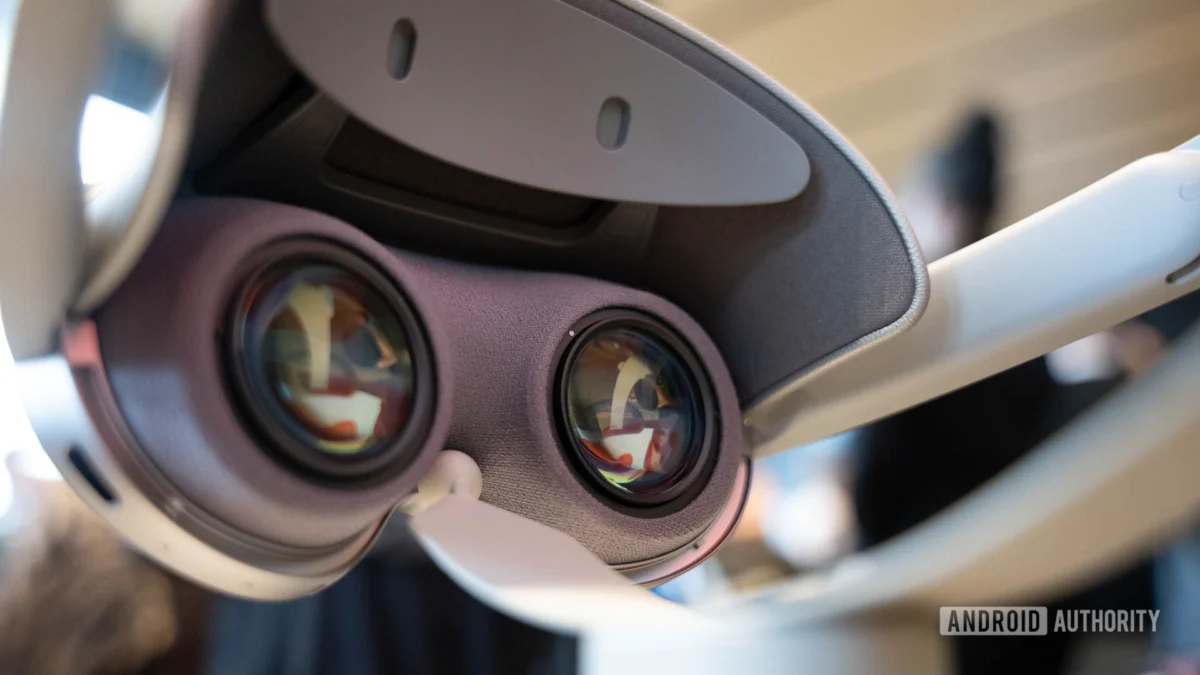
The nascent Android XR platform, still in its early stages of adoption with the first compatible headset arriving late last year, is currently experiencing significant user-reported issues following its April software update. Google, the steward of the Android XR operating system, has acknowledged these growing pains and is actively working towards resolutions for prevalent problems affecting head tracking and VR content resolution.
Unreliable Head Tracking Plagues Android XR Users
A primary concern highlighted by the Android XR community is the degradation of head tracking performance. Users have reported a noticeable decline in the accuracy and responsiveness of their headset’s tracking capabilities since the implementation of the April update. This issue extends beyond the native Android XR interface, impacting the usability of third-party applications as well.
One prominent user, identified as Alexis_Evo on the Android XR subreddit, described the tracking "hitches" as making their headset "almost unusable." This sentiment is echoed by numerous other commenters within the community forums, indicating a widespread and impactful problem. The implications of unreliable head tracking are profound for any immersive technology. In virtual reality and augmented reality experiences, precise and fluid tracking is fundamental to user immersion, comfort, and the overall perception of presence. When tracking falters, it can lead to jarring visual discontinuities, motion sickness, and a significant break in the user’s engagement with the virtual environment. For a platform aiming to compete in a market with established players, such fundamental usability issues can be a substantial barrier to adoption and customer satisfaction.
Resolution Degradation in VR180 Content
Compounding the tracking woes, another critical issue identified by users pertains to the visual fidelity of VR180 content. The April update appears to have negatively impacted the resolution of these immersive video formats, with users reporting that the quality has been "capped at 50% or lower." This reduction in resolution results in visibly pixelated video, detracting significantly from the intended immersive experience.
The VR180 format is designed to offer a wide, immersive field of view, enveloping the user in a semi-spherical visual space. For this format to be effective, high-resolution playback is crucial. When the resolution is compromised, the intended sense of realism and immersion is severely diminished, transforming what should be a captivating experience into a noticeably grainy and unappealing one. This is particularly concerning for content creators and consumers who have invested in VR180 content, as the platform’s ability to deliver this content as intended is now in question.
Google’s Acknowledgment and Path Forward
Grace Yang, a representative from the Android XR team at Google, has officially acknowledged these widespread issues on the Android XR subreddit. In a post addressing user feedback regarding the April update, Yang confirmed that the team is "actively working to fix" both the head tracking and VR content resolution problems.
While Yang did not provide a specific timeline for the release of a fix, her statement indicates that these issues are being treated with priority. The team is "looking into these," a phrase that suggests an ongoing investigation and development process aimed at identifying the root causes and implementing effective solutions. The urgency of these fixes is amplified by the premium pricing of some of the devices running Android XR. For instance, the Samsung Galaxy XR headset, mentioned in the context of these issues, commands a significant price point of $1,800. At such a premium, users rightfully expect a flawless and highly polished user experience. Software bugs that severely degrade core functionalities like tracking and visual quality can lead to substantial user dissatisfaction and damage the reputation of both the hardware manufacturer and the operating system platform.
Background and Chronology of Android XR Development
The journey of Android XR is relatively short but marked by significant ambition. Google’s foray into the mixed-reality operating system space aims to create a unified and robust ecosystem for the burgeoning XR industry, analogous to its success with Android in the mobile space. The first wave of devices running Android XR began appearing on the market in late 2023, signaling the platform’s official launch and the commencement of its real-world testing phase.
The platform’s development has been largely guided by announcements and updates shared through community channels, most notably Google’s own Reddit forums dedicated to Android XR. This approach allows for direct engagement with early adopters and provides valuable real-time feedback on user experience and potential shortcomings.
The April update, which has become the catalyst for the current set of problems, was intended to bring further enhancements and stability to the Android XR operating system. However, as is often the case with software updates, particularly in complex and rapidly evolving fields like XR, unintended consequences can arise. The fact that this update has introduced significant regressions in core functionalities like head tracking and content resolution is a testament to the challenges inherent in developing and deploying sophisticated immersive technologies.
Supporting Data and Industry Context
The mixed reality market, while still in its formative years, is projected to experience substantial growth. Industry analysts predict a significant expansion in the coming decade, driven by advancements in hardware, software, and the increasing adoption of XR for enterprise and consumer applications. For example, reports from market research firms like IDC and Statista indicate a compound annual growth rate (CAGR) for the XR market in the double digits.
However, this growth is contingent on the availability of compelling hardware and a stable, user-friendly software ecosystem. Platforms like Android XR are crucial for fostering this ecosystem by providing developers with a standardized framework and consumers with accessible entry points into immersive experiences. The current software glitches, while being addressed, represent a critical juncture for Android XR. If not resolved promptly and effectively, they could hinder the platform’s ability to gain traction and compete with other XR operating systems and proprietary solutions.
The $1,800 price tag of the Samsung Galaxy XR headset, for instance, places it in the premium segment of the market. Devices at this price point are expected to offer a near-flawless experience, justifying the substantial investment. Failures in core functionalities like tracking can quickly erode consumer confidence and lead to negative word-of-mouth, which can be particularly damaging in the early stages of market development.
Broader Implications for the XR Landscape
The issues plaguing Android XR have wider implications for the entire mixed reality industry. They underscore the inherent complexity and technical challenges associated with creating seamless and immersive XR experiences. The need for robust and reliable head tracking is paramount, as it forms the foundation of user interaction and environmental understanding within virtual and augmented spaces. Similarly, the ability to render high-fidelity visual content is essential for delivering truly engaging experiences.
The situation also highlights the importance of rigorous testing and quality assurance processes before software updates are deployed to consumers, especially for high-value devices. While agile development methodologies are beneficial for rapid iteration, they must be balanced with comprehensive quality control to prevent the introduction of critical bugs.
For developers, the uncertainty surrounding platform stability can create hesitation in investing resources into building applications for Android XR. A consistent and reliable operating system is crucial for developers to ensure their applications perform as intended across a range of devices and user scenarios.
Future Outlook and User Guidance
As Google continues its work on resolving these critical bugs, users of Android XR devices are advised to monitor the official Android XR subreddit and reputable tech news outlets for further updates. The community’s active participation in reporting issues and sharing feedback is invaluable in this process.
The successful resolution of these problems will be a significant test for the Android XR platform. A swift and effective response from Google will not only restore user confidence but also set a positive precedent for the platform’s future development. Conversely, prolonged issues could signal underlying architectural challenges or a lack of adequate resources dedicated to the platform’s stability. The coming weeks and months will be crucial in determining the trajectory of Android XR and its role in shaping the future of mixed reality. The industry, hardware manufacturers, and consumers alike will be watching closely to see how Google navigates these early challenges.