Metty Iskandar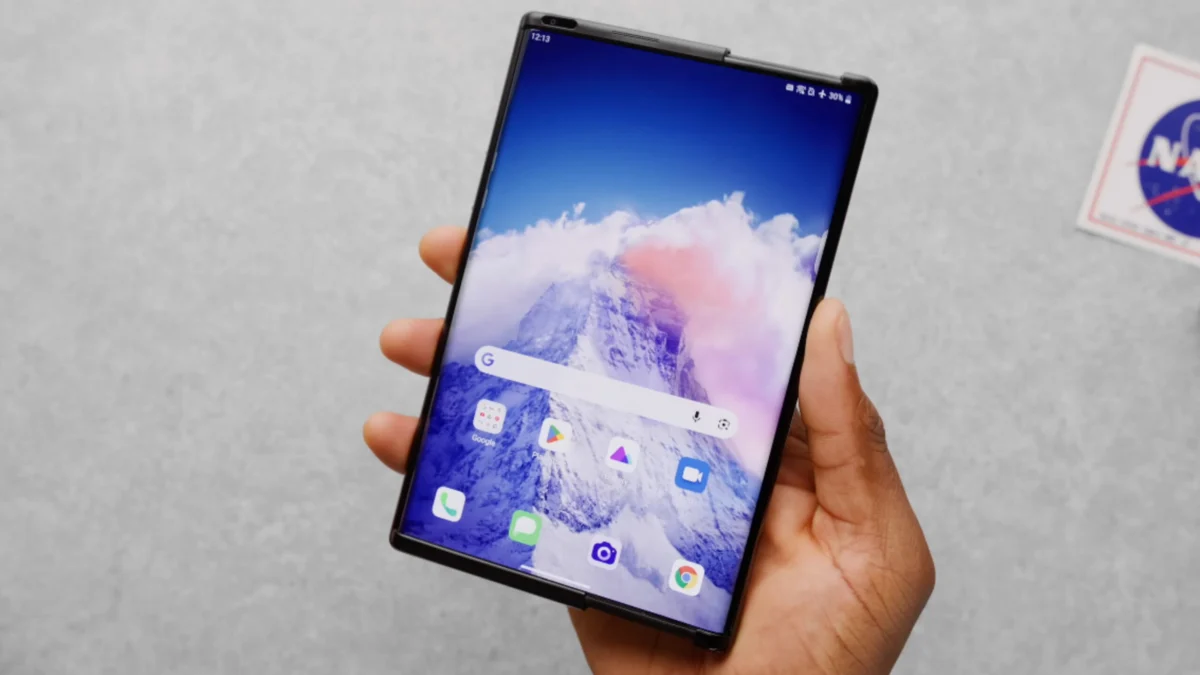
The untimely demise of LG’s mobile division in April 2021 marked the end of an era for smartphone innovation, leaving many enthusiasts to ponder what groundbreaking devices might have emerged from the South Korean giant. While LG had already established a reputation for pushing boundaries with products like the dual-screen LG Velvet and the unique swivel-screen LG Wing, its most ambitious project, the LG Rollable, remained a tantalizing enigma, a device that promised to redefine the smartphone form factor. Now, thanks to the meticulous work of tech YouTubers Marques Brownlee (MKBHD) and Zack Nelson of JerryRigEverything, the world is getting its first detailed look at this lost marvel, offering a poignant glimpse into a future of mobile technology that was tragically cut short.
A Phantom Unveiled: Inside the LG Rollable Prototype
The recent emergence of detailed hands-on videos and teardowns of the LG Rollable prototype has ignited renewed interest and speculation surrounding the device. Zack Nelson’s comprehensive teardown, published earlier this month, not only demonstrated the intricate engineering behind the device but also confirmed its functional complexity. This was followed by Marques Brownlee’s highly anticipated video, which provides an invaluable user experience perspective, allowing the public to virtually interact with a device that was never meant to be.
The LG Rollable eschewed the prevalent folding display technology that was beginning to gain traction, opting instead for a more radical approach: a flexible OLED panel that seamlessly rolls and unrolls from within the device’s chassis. This mechanism, powered by sophisticated internal motors and spring-loaded arms, allows the 6.7-inch standard display to expand to a significantly larger, nearly 7.5-inch screen with a fluid, gesture-controlled motion. The diagonal measurement, a standard in display sizing, undersells the actual visual real estate gained, which feels considerably more expansive in practice. This innovative mechanism, driven by twin-geared motors, offered a glimpse into a design philosophy focused on dynamic screen real estate rather than a static, foldable panel.
Brownlee’s demonstration of the LG Rollable’s capability extended beyond mere screen expansion. In a compelling display of its motor’s strength, he showed the device capable of moving a laptop, a testament to the power and precision engineered into its internal mechanisms. This seemingly trivial demonstration underscored the potential for this technology to integrate seamlessly into daily tasks, offering a level of utility previously unseen in mobile devices.
The User Experience: A Symphony of Animation and Sound
The user interface of the LG Rollable was clearly designed to complement its unique hardware. A simple three-finger swipe gesture initiates the smooth extension or retraction of the rollable screen. To mask the mechanical operations of the internal motors, LG ingeniously incorporated subtle sound effects that play with every screen transition. This auditory cue, coupled with engaging visual animations, suggests a high level of polish and attention to detail, hinting that the LG Rollable may have been closer to mass production than previously believed.
One particularly striking animation observed by Brownlee occurs when the phone is opened from the lock screen. The default wallpaper fluidly transforms, mimicking the unfurling of a flower in an elegant and captivating display. These thoughtful software touches indicate that LG wasn’t just focused on the hardware innovation but also on crafting a delightful and intuitive user experience. The seamless integration of hardware and software, particularly in the context of dynamic screen transitions, speaks volumes about LG’s commitment to user engagement.
Beyond the Primary Display: The Hidden Rear Screen
The ingenious design of the LG Rollable extended to its rear panel, which cleverly incorporated a transparent glass casing. This casing partially conceals the rolled-up display, transforming it into a functional secondary screen. This "rear display" was capable of showcasing essential information such as the camera interface, calendar appointments, timers, and currently playing media.
This feature unlocked a significant usability advantage: the ability to utilize the device’s powerful rear cameras as front-facing selfie shooters. With the rollable screen retracted, users could leverage the 64-megapixel main camera or the 12-megapixel ultrawide camera for high-quality selfies, a capability that was largely limited to lower-resolution front-facing cameras on most contemporary devices. This dual-display functionality offered a versatile photographic experience, blurring the lines between smartphone and dedicated camera.
Design Innovations Born from Necessity
The rollable form factor presented unique design challenges, particularly concerning physical buttons. With both the left and right edges of the LG Rollable featuring curved display elements, there was simply no room for traditional volume rockers or power buttons. LG’s solution was to implement capacitive touch controls for the volume adjustments, integrated directly into the display. The power button, in a somewhat unconventional placement, was located beneath the rear camera array. These design choices, while unconventional, highlight LG’s willingness to rethink established smartphone design paradigms to accommodate its innovative display technology.
The software experience on the LG Rollable was also optimized for its adaptive display. Applications intelligently adjusted their layouts based on the screen’s extension. For instance, the settings app would present a two-column layout when the screen was fully unrolled, offering more information at a glance. Conversely, when the device was closed, the app would automatically switch to a more condensed, single-column view, ensuring optimal usability across different form factors. This dynamic software adaptation suggests a mature and well-integrated system, further fueling speculation about the device’s production readiness.
The Rollable vs. The Foldable: A New Contender?
The central question surrounding the LG Rollable is its viability as an alternative to the emerging foldable smartphone market. Based on the prototype’s functionality and design, the answer appears to be a resounding "yes," with certain caveats. While the LG Rollable offered a smooth, continuous screen expansion without the pronounced crease often found in foldable devices, it was not entirely free of display imperfections. Brownlee noted the presence of subtle creases, albeit less pronounced than those on many current foldables, which might disappoint users seeking a perfectly flat, unblemished display.
For consumers intrigued by novel display technologies, the LG Rollable’s concept might find resonance with other emerging innovations, such as Samsung Display’s slidable phone technology, which was showcased at MWC 2026. These advancements in flexible and expandable displays collectively point towards a future where device form factors are no longer static but fluid and adaptable to user needs.
The potential implications of LG’s rollable technology, had it reached the market, are significant. It could have offered a distinct advantage in the premium smartphone segment, appealing to users who desired a larger screen for media consumption and productivity without the bulk of a foldable device. The unique user experience, characterized by seamless transitions and innovative software integration, could have set LG apart from its competitors.
The Legacy of Innovation: A Missed Opportunity
The LG Rollable, despite its unfulfilled promise, stands as a testament to LG’s unwavering commitment to pushing the boundaries of smartphone technology. The company’s consistent pursuit of innovation, even in the face of market challenges, cemented its reputation as a pioneer. The fall of LG’s smartphone division, while a significant loss for the industry, has inadvertently illuminated the incredible potential that was housed within its R&D departments.
The detailed glimpses provided by JerryRigEverything and MKBHD allow us to not only appreciate the technical prowess of the LG Rollable but also to reflect on the broader impact of LG’s departure from the smartphone arena. It raises questions about the future of innovation in a market increasingly dominated by a few key players. Will other manufacturers pick up the mantle of radical experimentation, or will the industry trend towards incremental updates and safer designs?
The LG Rollable represents a poignant "what if" in the history of mobile technology. It embodies a vision of the future where devices are not static rectangles but dynamic, adaptable tools that seamlessly integrate into our lives. While its journey ended before it could truly begin, the legacy of innovation it represents continues to inspire, reminding us of the boundless possibilities that lie at the intersection of engineering and imagination. The world may never fully experience the LG Rollable in the hands of consumers, but its existence serves as a powerful reminder of the bold leaps that once characterized the smartphone industry and the profound potential that can be lost when such ambitious ventures are curtailed.