Sonny Valindra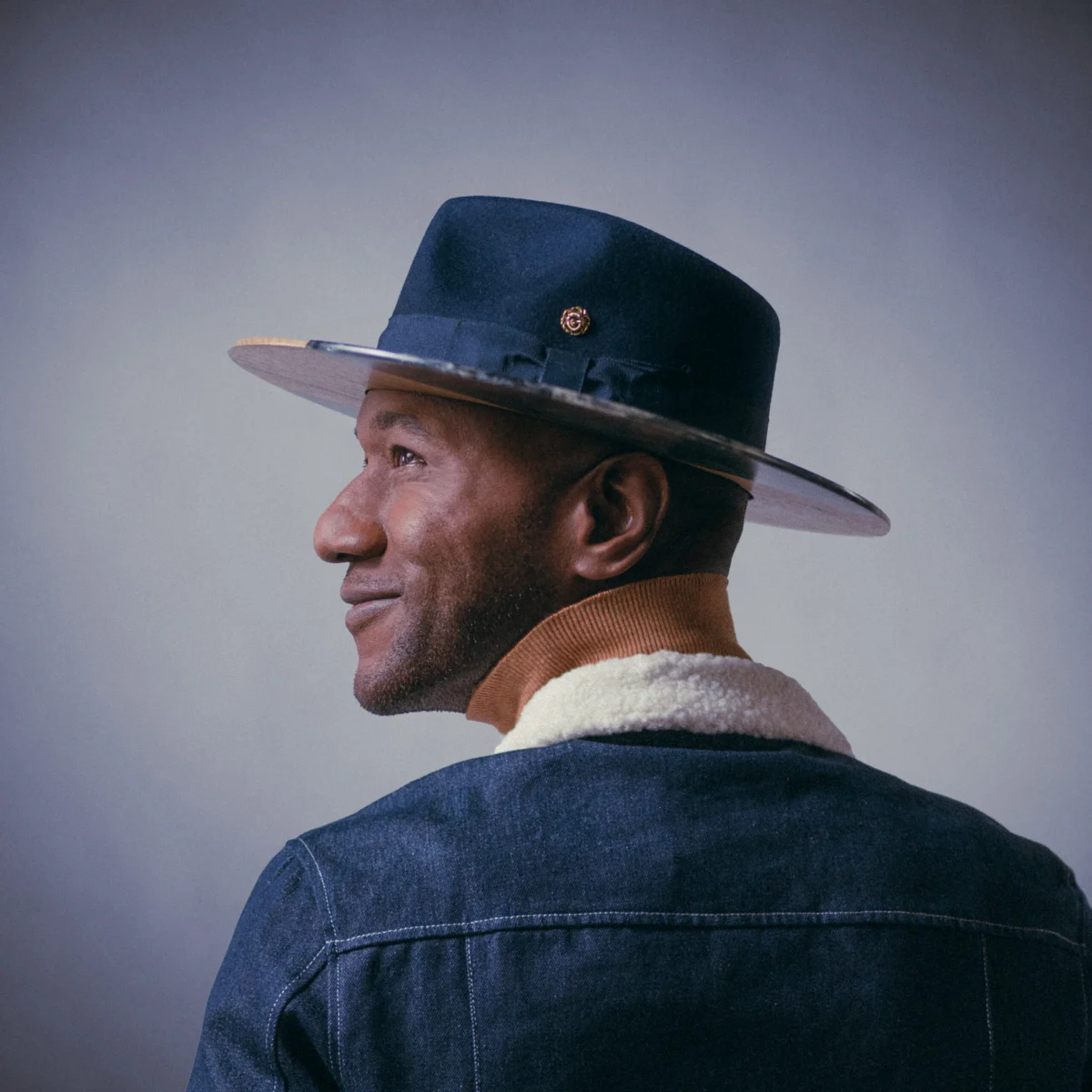
Grammy-nominated singer-songwriter Aloe Blacc, known for his chart-topping hits and smooth vocal stylings, is embarking on a new, more complex journey – one that takes him from the stage to the cutting edge of biotechnology. His pivot from a philanthropic approach to funding medical research to a hands-on entrepreneurial venture is a testament to his evolving understanding of the intricate landscape of scientific innovation, particularly in the realm of drug development. This significant shift in focus, spurred by a personal experience with COVID-19 despite vaccination and a booster, highlights the profound challenges and opportunities within the biotech sector.
The initial impetus for Blacc’s foray into biotech was rooted in a desire to contribute to the development of better solutions for public health crises. Like many, he experienced a breakthrough COVID-19 infection even after adhering to public health recommendations, including vaccination and booster shots. This personal encounter with the virus, coupled with the ongoing global health challenges, ignited a passion to accelerate the creation of more effective medical interventions. However, his early attempts to support research through traditional philanthropic channels revealed a steep learning curve.
"You can’t just write a check in biotech," Blacc remarked in a recent interview on TechCrunch’s Equity podcast. This candid observation underscores a critical reality: the path from scientific discovery to a commercially viable and approved medical treatment is fraught with regulatory hurdles, extensive clinical trials, and complex intellectual property negotiations. Philanthropy, while invaluable for foundational research, often lacks the mechanism to propel scientific advancements through the rigorous and costly stages of clinical development or to secure licensing for university-developed intellectual property.
This realization led Blacc to a more direct and demanding approach. He is now actively building a platform focused on developing a cancer drug, with a particular emphasis on pancreatic cancer. This aggressive and often fatal disease, which currently has a staggering 90% mortality rate, presents one of the most significant challenges in oncology. Blacc’s strategic decision to "bootstrap" this venture, meaning he is funding its initial development through his own resources and potentially early-stage angel investments, signals a commitment to a long-term, hands-on involvement.
Furthermore, Blacc has adopted a deliberate strategy regarding fundraising. He is intentionally delaying broad outreach to his network of investors until his work reaches a stage where it can be substantiated by peer-reviewed scientific publications. This approach prioritizes scientific validation and data-driven evidence over early-stage hype, aiming to build credibility and attract investment based on tangible progress and robust research findings.
The Entrepreneurial Leap: From Artist to Innovator
Aloe Blacc, whose real name is Egbert Nathaniel Dawkins IV, has achieved considerable success as a musician. His distinctive voice and socially conscious lyrics have earned him a Grammy nomination and a global following. Hits like "I’m the Man" and "The Man" have resonated with audiences, showcasing his ability to connect with diverse listeners. His foray into biotech represents a significant departure from his established career, requiring him to navigate entirely new domains of science, regulation, and business development.
The journey into biotech entrepreneurship is not for the faint of heart. It demands a deep understanding of scientific principles, a meticulous approach to research and development, and an adeptness at navigating complex regulatory frameworks such as those overseen by the Food and Drug Administration (FDA) in the United States. The process of bringing a new drug to market typically spans over a decade and can cost billions of dollars. This timeline includes preclinical research, multiple phases of human clinical trials to assess safety and efficacy, and rigorous regulatory review before a drug can be approved for patient use.
Blacc’s experience with COVID-19 served as a potent catalyst. While vaccinated and boosted, contracting the virus provided a personal and visceral understanding of the limitations of current medical interventions and the urgent need for continued innovation. This experience shifted his perspective from that of a potential donor to that of a proactive builder, recognizing that direct involvement could potentially accelerate the pace of scientific progress.
Navigating the Biotech Landscape: Challenges and Strategies
The biotech industry is characterized by its high risk and high reward potential. Many promising drug candidates fail during clinical trials due to efficacy or safety concerns. Securing funding is a constant challenge, especially for early-stage companies. Investors in this sector often seek not only a strong scientific foundation but also a clear path to market, a robust intellectual property strategy, and an experienced management team.
Blacc’s decision to bootstrap and focus on peer-reviewed data before extensive fundraising is a prudent strategy. It allows him to maintain greater control over the company’s direction and scientific integrity in its nascent stages. By prioritizing scientific validation, he aims to build a solid foundation of evidence that will be crucial for attracting institutional investors, venture capital firms, and potentially strategic partners in the pharmaceutical industry.
The specific focus on pancreatic cancer is particularly noteworthy. Pancreatic cancer is notoriously difficult to treat due to its late diagnosis, aggressive nature, and resistance to conventional therapies. The low survival rates underscore the critical unmet need for novel therapeutic approaches. Blacc’s commitment to this challenging area suggests a deep-seated desire to tackle some of medicine’s most formidable diseases.
The Intersection of AI and Industry Transformation
In his discussion on the Equity podcast, Blacc also touches upon the transformative impact of Artificial Intelligence (AI) on both the biotech and music industries. AI is rapidly revolutionizing drug discovery and development by accelerating the identification of potential drug targets, optimizing molecular design, and predicting drug efficacy. In the music industry, AI is impacting everything from music creation and production to distribution and artist discovery.
The application of AI in biotech holds immense promise for expediting the drug development pipeline. Machine learning algorithms can analyze vast datasets of biological and chemical information to identify novel therapeutic candidates far more efficiently than traditional methods. AI can also play a crucial role in designing clinical trials, predicting patient responses, and even personalizing treatments. For Blacc’s venture, integrating AI could be a key factor in accelerating his research and development efforts, particularly in the early discovery phases.
The simultaneous evolution of AI in both his artistic field and his new entrepreneurial venture provides Blacc with a unique vantage point. He can observe firsthand how these technological advancements are reshaping creative processes and scientific endeavors, potentially identifying synergies or innovative applications across both domains.
Investor Expectations and the Role of Data
The traditional model of venture capital investment often involves significant early-stage funding based on promising scientific hypotheses and strong management teams. However, the biotech sector has unique demands. Investors are keenly aware of the long timelines, high failure rates, and stringent regulatory requirements. Therefore, demonstrating scientific progress through rigorous data and peer-reviewed publications is paramount to de-risking investments.
Blacc’s strategy of waiting for peer-reviewed papers to present his case suggests a sophisticated understanding of investor psychology and industry norms. It signals a commitment to scientific rigor and a desire to build a company that is grounded in verifiable evidence. This approach could resonate with investors who are looking for long-term, sustainable growth rather than speculative ventures.
The implications of Blacc’s entrepreneurial pivot extend beyond his personal endeavors. His journey could serve as an inspiration and a case study for other artists and public figures who wish to contribute to scientific advancement. It highlights the potential for individuals with significant resources and influence to engage more directly and strategically in tackling complex societal challenges, moving beyond traditional philanthropic models to become active participants in innovation.
The Future of Biotech Entrepreneurship
Aloe Blacc’s venture into biotech entrepreneurship is a compelling narrative of personal growth, strategic adaptation, and a deep commitment to addressing critical health needs. His experience underscores the complexities of the biotech industry and the critical importance of scientific validation and regulatory navigation. By bootstrapping his company and prioritizing peer-reviewed research, Blacc is charting a course that emphasizes long-term impact and scientific integrity.
The convergence of his artistic vision with the scientific rigor of drug development, amplified by the accelerating power of AI, positions his endeavor as one to watch. The success of his platform could not only lead to the development of life-saving treatments but also redefine the role of prominent figures in driving scientific innovation forward, demonstrating that a creative mind can indeed build the future of medicine.
The full conversation with Aloe Blacc on TechCrunch’s Equity podcast offers deeper insights into his motivations, his challenges, and his vision for the future of biotech and the music industry. Listeners can subscribe to Equity on platforms including YouTube, Apple Podcasts, Overcast, and Spotify, and follow the podcast on X and Threads at @EquityPod for further updates and discussions.