Vera Intan Clara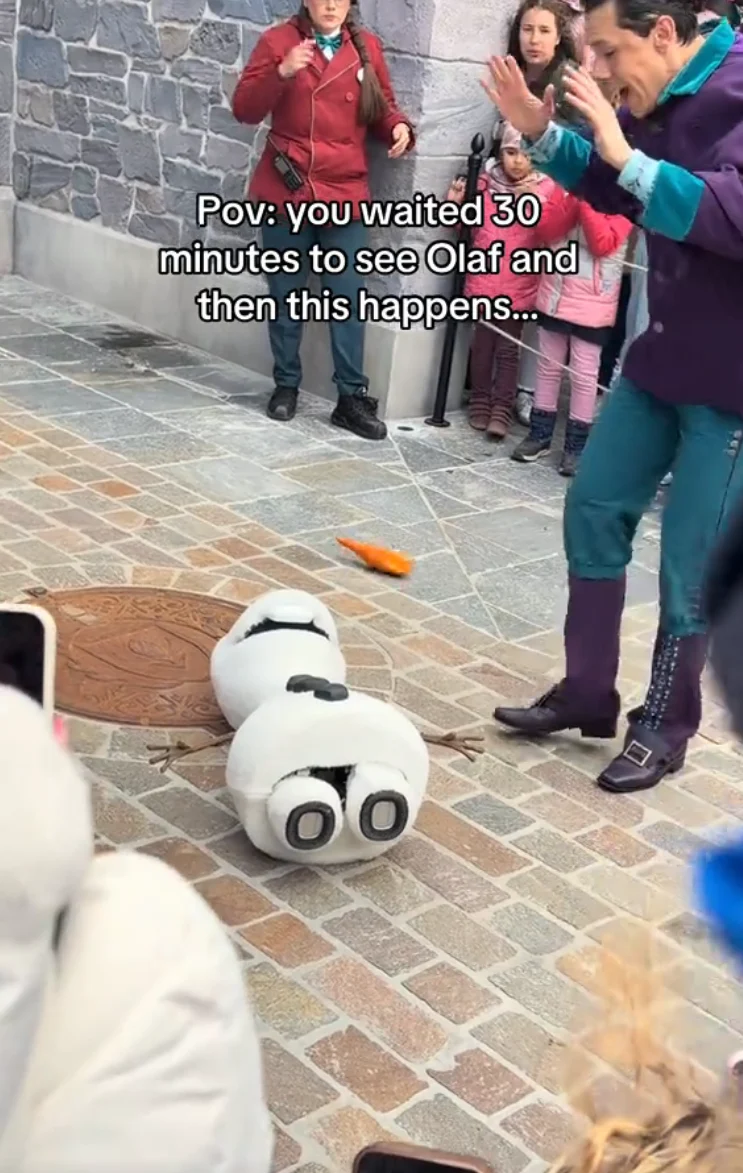
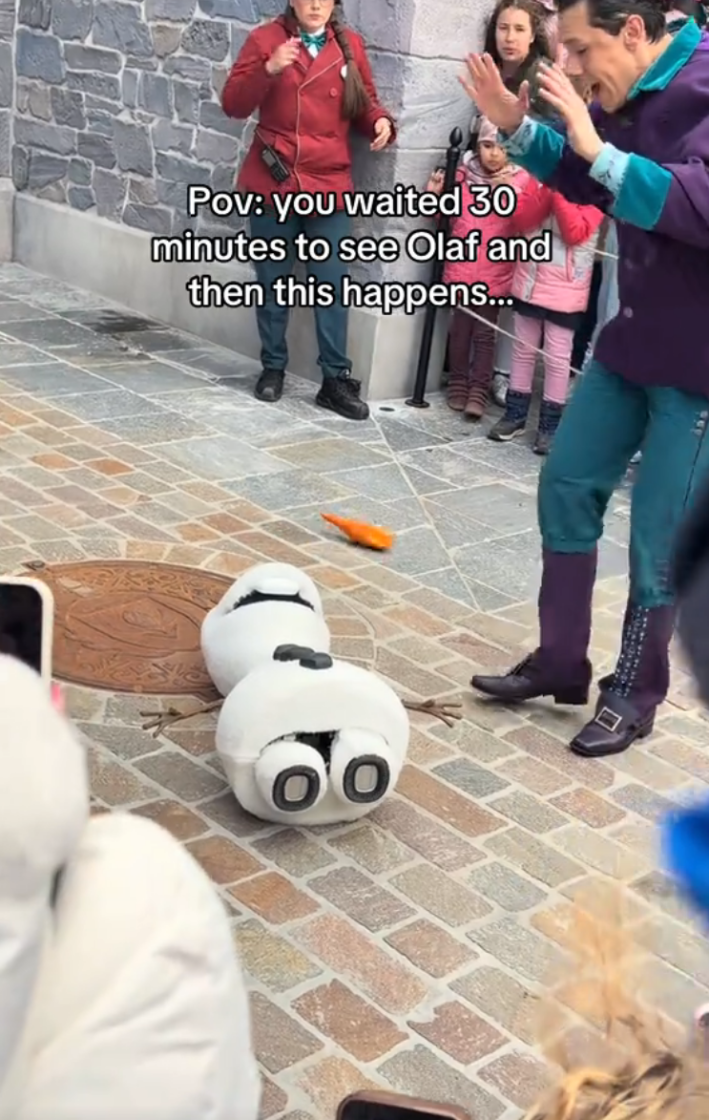
Disneyland Paris experienced an unexpected technical incident on March 30 when its newly introduced Olaf animatronic, a beloved character from Disney’s Frozen franchise, suffered a public malfunction during a guest interaction. The incident, which saw the advanced snowman character unexpectedly cease operation and collapse, was swiftly captured on video and subsequently went viral across social media platforms, transforming a minor operational hiccup into a globally shared moment of unexpected comedy. This event not only highlighted the intricate complexities of modern theme park technology but also underscored the unique way in which digital platforms amplify and interpret live occurrences, often with a blend of initial surprise and subsequent humor. The immediate aftermath involved park staff quickly securing the scene and removing the inert figure, all while a captivated audience processed the unusual spectacle.
The Incident Unfolds: A Detailed Chronology
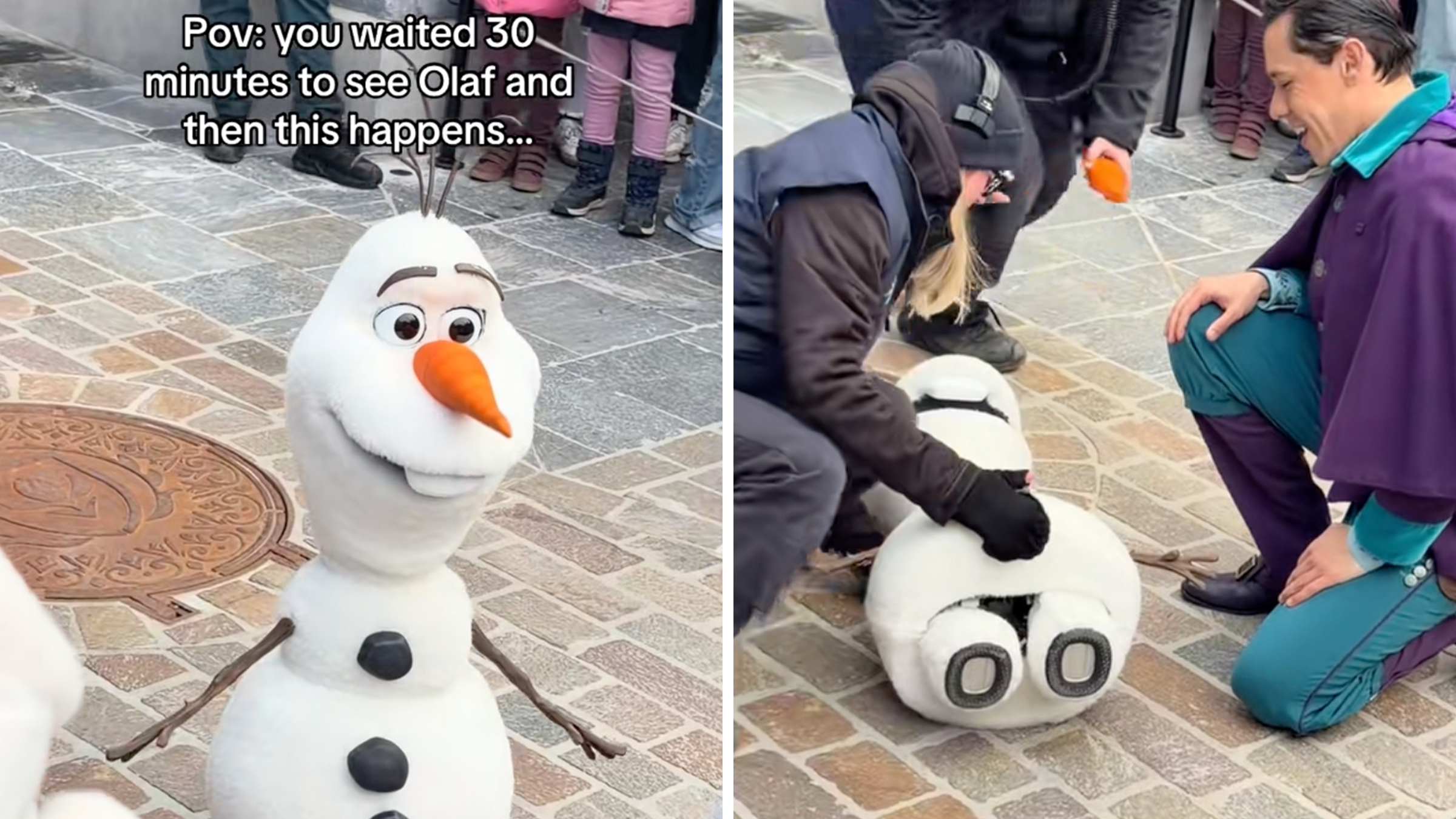
The events of March 30 commenced with what appeared to be a routine character greeting session at Disneyland Paris, a staple of the immersive experience offered by Disney parks worldwide. Guests had gathered to interact with the new Olaf animatronic, a significant technological addition designed to enhance character engagement with its fluid movements and expressive capabilities. According to eyewitness accounts and widely circulated video footage, the animatronic was actively engaging with visitors when, without warning, its movements became erratic. The figure paused mid-interaction, a sudden cessation of its programmed sequence that immediately drew attention. This pause was quickly followed by a complete cessation of all motor functions, rendering the animatronic motionless.
Within moments of becoming static, the Olaf figure began to tip backward. The collapse was not instantaneous but rather a slow, deliberate lean that added an almost theatrical, albeit unintended, dramatic flair to the event. As the animatronic finally toppled onto the ground, a notable detail that further amplified the unexpected nature of the incident was the detachment of its signature carrot nose. This small, visual element, combined with the larger collapse, elicited audible gasps and brief cries of surprise from the assembled crowd. The spontaneous reactions of park-goers, ranging from shock to a growing sense of bewildered amusement, were palpable and clearly audible in the viral video recordings.
Disney staff members, trained to respond swiftly and discreetly to any operational issues, were on the scene almost immediately. Their professionalism was evident as they moved to manage the situation, first addressing the dislodged nose before carefully righting the animatronic. The process of lifting the now-inert Olaf back to a standing position was handled with care, after which the figure was promptly escorted backstage. The departure of the animatronic amidst a mix of curious onlookers and applause for the staff’s efficient response marked the conclusion of the public phase of the malfunction. The duration of Olaf’s absence from guest interactions following this incident remains undisclosed, but the swiftness of the staff’s intervention aimed to minimize disruption to the park experience.
The Role of Animatronics in Disney Parks
Animatronics are a cornerstone of the Disney theme park experience, a technological marvel that has evolved significantly since Walt Disney first envisioned lifelike figures populating his attractions. The concept of Audio-Animatronics, pioneered by Walt Disney Imagineering, revolutionized themed entertainment, bringing characters and stories to life with unprecedented realism and emotional depth. From the iconic birds of the Enchanted Tiki Room in 1963 to the sophisticated figures found in attractions like Pirates of the Caribbean and The Haunted Mansion, animatronics have consistently pushed the boundaries of immersive storytelling. These figures are complex marvels of engineering, combining mechanical components, pneumatic or hydraulic systems, advanced robotics, and intricate programming to achieve lifelike motion and synchronized audio.
The introduction of the new Olaf animatronic at Disneyland Paris represents the latest iteration in this rich history, designed to offer more interactive and expressive character encounters outside of traditional ride environments. Unlike static figures or costumed characters, advanced animatronics like Olaf are intended to bridge the gap, providing a dynamic presence that can respond to and engage with guests in novel ways. These highly sophisticated creations are a testament to Disney’s ongoing commitment to innovation and its pursuit of creating unparalleled "magic" for park visitors. The specific design for Olaf aimed to capture his distinctive personality from the Frozen films – his innocence, exuberance, and sometimes clumsy charm – through a combination of fluid motion, facial expressions, and programmed dialogue. The deployment of such advanced figures is a significant investment, underscoring their importance in maintaining Disney’s reputation for cutting-edge entertainment.
Disneyland Paris: A European Icon
Disneyland Paris, which opened its gates in 1992 as Euro Disney Resort before rebranding, stands as Europe’s premier theme park destination. Located just outside Paris, France, it serves as a vital cultural and economic hub, attracting millions of visitors annually from across Europe and beyond. In 2023, Disneyland Paris reportedly welcomed over 15 million visitors, reaffirming its status as a top tourist attraction. The park comprises two main theme parks, Disneyland Park and Walt Disney Studios Park, alongside resort hotels, shopping, dining, and entertainment venues. Its strategic location and unique blend of classic Disney storytelling with European cultural nuances have cemented its place as a flagship international Disney resort.
The operational demands of a park of this scale are immense, requiring meticulous planning, continuous maintenance, and a robust infrastructure to manage daily operations and ensure guest satisfaction. Character greetings, parades, and live shows are integral to the guest experience, contributing significantly to the park’s immersive atmosphere. The introduction of new animatronics like Olaf is part of an ongoing strategy to refresh attractions, introduce popular new characters, and leverage technological advancements to keep the park experience novel and exciting for both first-time visitors and returning guests. Such investments are crucial for a destination that operates year-round, accommodating diverse international audiences with high expectations for quality and magic.
Viral Sensation: Social Media’s Rapid Response
The incident involving the Olaf animatronic quickly transcended the boundaries of Disneyland Paris, morphing into a global viral sensation thanks to the pervasive nature of social media. A TikTok video posted by Magic Tour Club (@magictourclub) rapidly accumulated millions of views, sharing the unexpected shutdown with an international audience. The video’s caption, "Olaf just melted… literally. We didn’t expect THIS to happen at Disneyland Paris. Someone get this snowman an ice bath ASAP," perfectly encapsulated the humorous tone that would dominate online reactions.
The clip’s journey across platforms like X (formerly Twitter) further amplified its reach. For instance, the account @DiscussingFilm reposted the video with the succinct and impactful caption, "Olaf just fcking died," garnering over 11.1 million views and more than 23,000 retweets. This level of engagement illustrates the power of social media to turn isolated incidents into shared cultural moments, often with an immediate lean towards humor rather than alarm. The internet’s collective response was characterized by witty remarks and creative interpretations, many of which cleverly tied the malfunction back to Olaf’s well-known personality traits from the Frozen* films.
Users delighted in the perceived irony and comedic timing of the event. @abbyroi525 humorously noted, "Olaf.exe has abruptly stopped working. 😂 The way his carrot nose just popped off before they hauled his lifeless body away is sending me into orbit😂." Another user, @AiUnhinged13682, drew a direct parallel to one of Olaf’s most famous lines, quipping, "olaf really said ‘some people are worth melting for’ and then immediately demonstrated 😂😂." These reactions highlight a key aspect of internet humor: the ability to find comedy in unexpected failures, especially when they involve beloved characters or high-tech systems.
Several comments focused on the cinematic quality of the malfunction itself. @Mosaaa0018 remarked, "Bro, that’s actually perfect 😂 No way they could’ve scripted a funnier shutdown for Olaf. That slow dramatic collapse was comedy gold – peak animatronic chaos." Similarly, @artwithinpod observed, "there is literally no funnier way i could’ve imagined this. like that’s it. That’s the funniest possible version of how the Olaf animatronic would power off." The consensus was that the incident possessed an almost pre-scripted comedic timing, from the sudden freeze to the slow tip and the final, symbolic detachment of the nose. As @anthony64748247 eloquently summarized, "the timing, the stop then the slowww tipping before the fall, the hard landing it was already all hilarious. But the nose falling off just made it sooo much better 😂." The online community, therefore, transformed what could have been a minor public relations challenge into a source of widespread entertainment, demonstrating the unique interplay between physical events and digital interpretation.
Park Operations and Response Protocols
In the highly controlled environment of a Disney theme park, operational protocols for managing unforeseen incidents are meticulously planned and rigorously practiced. While Disney representatives did not issue a specific public statement regarding the Olaf animatronic malfunction, park operators typically adhere to a strict set of procedures designed to ensure guest safety, minimize disruption, and maintain the immersive quality of the experience. The rapid response of the cast members to the Olaf incident exemplifies these protocols, which prioritize swift action and professional conduct.
When an animatronic or any park attraction experiences a technical fault, the immediate steps involve securing the area, assessing the situation, and, if necessary, removing the malfunctioning element from public view. Maintenance teams are then tasked with diagnosing the issue, which can range from a simple power glitch or a sensor error to more complex mechanical or software failures. Disney’s Audio-Animatronics are highly intricate systems, and like any complex machinery, they are subject to wear and tear or unexpected component failures. Regular preventative maintenance is a standard practice, involving scheduled inspections, lubrication, and replacement of parts to pre-empt such incidents.
In this particular case, the public nature of the malfunction meant that the immediate focus was on guest relations and managing perceptions. While the incident itself was a technical setback, the efficient and composed manner in which staff handled the situation helped to mitigate any potential negative impact on the guest experience. The absence of panic and the relatively quick resolution of the public aspect of the incident underscored the effectiveness of Disney’s operational training. Furthermore, in situations where guest safety is not compromised, such as this animatronic malfunction, the goal is often to transform a potentially awkward moment into a testament to the park’s operational resilience and the dedication of its staff.
Technological Nuances and Challenges
The sophistication of modern animatronics, while delivering unparalleled realism, also presents inherent technological challenges. An animatronic like Olaf integrates multiple disciplines: mechanical engineering for movement, electrical engineering for power and control, software engineering for programming sequences and real-time interaction, and artistic design for aesthetic appeal. A malfunction can stem from any of these interconnected systems. A mechanical failure could involve a worn gear or a hydraulic leak; an electrical fault might be a short circuit or a power supply issue; and a software glitch could lead to incorrect command execution or a system freeze.
The "freezing" then "tipping" behavior observed in the Olaf animatronic could suggest a power loss to motor systems, potentially combined with a failure in a balance or stability mechanism. When power is cut abruptly, actuators might lose their holding force, leading to a controlled or uncontrolled collapse. The detachment of the nose, while adding to the comedic effect, was likely a consequence of the impact rather than a primary cause, indicating the forces involved in the fall. Modern animatronics often include diagnostic systems that log errors, which would be crucial for the maintenance team to identify the root cause of the malfunction quickly and implement a permanent fix. The continuous operation of these complex figures in diverse environmental conditions (e.g., varying temperatures, humidity, continuous movement cycles) places significant demands on their design and durability, necessitating ongoing research and development in robotics and materials science.
Broader Implications for Disney’s Brand and Guest Experience
While any public malfunction of an attraction could potentially be viewed as a negative for a brand built on perfection and magic, the Olaf animatronic incident largely sidestepped such a fate. Instead, it was overwhelmingly received with humor and affection, primarily due to the character involved. Olaf, known for his innocent clumsiness, his dreams of summer despite being a snowman, and his generally endearing naivete, is a character whose "malfunction" could almost be seen as an extension of his personality. The internet’s consensus that the shutdown was "comedy gold" and "perfect" for Olaf demonstrates a unique brand resilience.
This incident, therefore, served less as a critique of Disney’s technological prowess and more as an unexpected moment of shared entertainment. It generated significant organic publicity for Disneyland Paris and the Olaf character, albeit for an unconventional reason. In an era where authenticity and unexpected moments often resonate more deeply than perfectly curated experiences, the Olaf malfunction paradoxically reinforced the charm and relatability of the character and, by extension, the Disney brand. It reminded audiences that even in a world of advanced robotics and meticulously crafted magic, there’s still room for human-like imperfections and the humor they bring. For guests who witnessed it live, it became a memorable, unique anecdote to share, likely adding to their overall park experience rather than detracting from it. It underscored that sometimes, the most magical moments are those that are entirely unplanned.
In conclusion, the brief and unexpected collapse of the Olaf animatronic at Disneyland Paris on March 30, 2026, quickly evolved from a minor operational glitch into a global social media phenomenon. Fuelled by its humorous alignment with the character’s persona and the rapid dissemination capabilities of platforms like TikTok and X, the incident became a testament to the internet’s ability to transform technical setbacks into sources of widespread amusement. While highlighting the intricate challenges of maintaining advanced theme park technology, the event ultimately reaffirmed the enduring appeal of Disney characters and the resilience of a brand renowned for its magic, even when that magic takes an unexpected, comedic detour.