Chandra Wibowo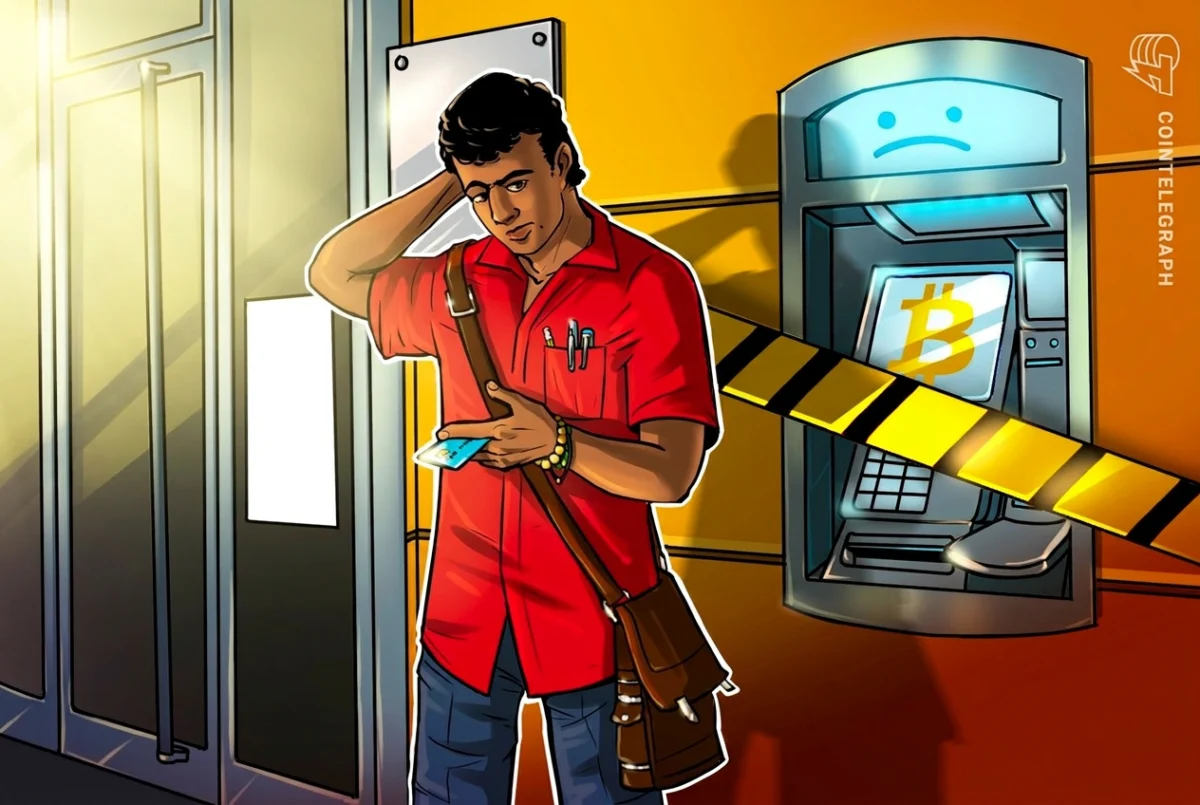
Minnesota has officially enacted a sweeping ban on virtual currency kiosks, a decisive move that took effect on Saturday. This legislation, signed into law by Governor Tim Walz in May, directly addresses a growing concern over financial losses attributed to scams utilizing these cryptocurrency ATMs. The prohibition on the installation, operation, maintenance, and availability of virtual currency kiosks marks a significant shift in the state’s approach to digital asset accessibility and consumer protection. Companies that had previously established a presence with these machines were mandated to deactivate them by Saturday, with a grace period until December 31st to physically remove them from public view.
The impetus behind this stringent measure is starkly illustrated by alarming financial figures. State officials have reported that Minnesota residents, with a particular vulnerability observed among senior citizens, lost approximately $1 million from scams specifically linked to crypto kiosks between 2023 and 2025. This figure, while substantial, represents only a fraction of the broader digital asset-related losses experienced by the state. The FBI’s Internet Crime Complaint Center (IC3) further illuminated the severity of the issue, reporting that Minnesota collectively experienced over $151 million in losses tied to digital assets or crypto wallets in 2025 alone. These illicit schemes, as detailed by officials, disproportionately target seniors, often exploiting urgent situations where victims are pressured into rapidly sending funds under duress of fabricated emergencies.
A Growing Wave of Regulatory Action
Minnesota’s ban on crypto kiosks is not an isolated incident but rather part of a burgeoning trend across the United States as states grapple with the evolving landscape of cryptocurrency and its associated risks. The machines, which facilitate the purchase of Bitcoin (BTC) and other cryptocurrencies using cash, have become a focal point for regulatory scrutiny due to their perceived anonymity and ease of use in facilitating illicit transactions and scams.
The timeline of these regulatory actions highlights a reactive, yet increasingly proactive, approach by state governments:
- May 5, 2024: Governor Tim Walz signs into law Senate File (SF) 3868, initiating the process for Minnesota’s crypto kiosk ban.
- August 1, 2024: The prohibition on virtual currency kiosks in Minnesota officially takes effect. Companies are required to deactivate existing machines by this date.
- July 1, 2024: Tennessee begins enforcing its own total ban on cryptocurrency ATMs.
- July 1, 2024: A Georgia law imposing transaction limits and other restrictions on crypto kiosks comes into effect.
- Ongoing: Lawmakers in Delaware and New Jersey advance bills proposing similar measures to regulate or restrict crypto kiosk operations.
This synchronized regulatory push underscores a shared concern among state authorities regarding the potential for these machines to be exploited for fraudulent purposes, particularly against vulnerable populations.
The Landscape of Crypto Kiosks in Minnesota
Prior to the statewide ban, Minnesota had a notable presence of cryptocurrency ATMs. Data compiled by CoinATMRadar indicated that 201 crypto ATMs and kiosks were actively operating within the state before the ban’s implementation on August 1st. This number underscores the accessibility of these services to Minnesota residents and, consequently, the potential reach of scams that leverage them. The widespread availability of these kiosks created a tangible pathway for individuals, often lured by promises of quick returns or pressured by deceptive tactics, to convert cash into cryptocurrency for illicit purposes.
Scrutiny on Vulnerable Populations: The Senior Citizen Predicament
The statement that these schemes "disproportionately targets seniors" is a critical element in understanding the rationale behind Minnesota’s legislative action. While cryptocurrency scams can affect anyone, older adults are often perceived as more susceptible due to a variety of factors, including:
- Lower Digital Literacy: Some seniors may have less familiarity with the intricacies of digital currencies and online security, making them easier targets for sophisticated phishing or impersonation scams.
- Trust and Authority Figures: Scammers often impersonate trusted entities like government agencies, law enforcement, or even family members, exploiting the natural inclination of seniors to comply with perceived authority.
- Isolation and Loneliness: Seniors who are socially isolated may be more vulnerable to romance scams or other schemes that prey on emotional needs.
- Financial Stability: Scammers may target individuals perceived to have accumulated savings, believing they can afford to lose money or are less likely to report significant losses due to embarrassment.
The modus operandi described—victims being "pressured to quickly send money based on fake emergencies"—is a hallmark of grandparent scams, government impersonation scams, and other emotionally manipulative tactics. In these scenarios, a scammer might call a senior, claiming a grandchild is in jail and needs immediate bail money, or that a government agency is levying a fine that must be paid instantly via cryptocurrency to avoid arrest. The urgency and fear instilled by these fabricated emergencies often override rational decision-making, leading victims to readily comply with the scammer’s demand to use a nearby crypto kiosk.
The Economic Impact and Broader Implications
The estimated $1 million in losses directly tied to crypto kiosk scams in Minnesota over a three-year period is a significant economic drain. However, this figure likely only scratches the surface. The broader $151 million in digital asset losses reported by the FBI for 2025 suggests a much larger ecosystem of cryptocurrency-related fraud that extends beyond kiosk transactions. This encompasses a wide range of scams, including Ponzi schemes, rug pulls in the decentralized finance (DeFi) space, and investment fraud.
The ban on crypto kiosks can be viewed as a targeted intervention to curb one specific, and evidently prevalent, vector for these scams. However, it also raises questions about the broader implications for cryptocurrency adoption and accessibility:
- Reduced Access for Legitimate Users: While the ban aims to protect the public from fraud, it also removes a convenient on-ramp for individuals who use crypto kiosks for legitimate purposes, such as remittances or investments. This could disproportionately affect unbanked or underbanked populations who rely on cash-based transactions.
- Shift to Alternative Methods: Scammers are adaptable. A ban on kiosks might simply lead them to shift their methods to other channels, such as peer-to-peer transactions, social media scams, or other less regulated platforms.
- Balancing Innovation and Protection: The challenge for policymakers is to strike a delicate balance between fostering innovation in the digital asset space and ensuring robust consumer protection. Overly restrictive measures could stifle legitimate technological advancement, while insufficient oversight leaves vulnerable individuals exposed.
- Interstate Coordination: As demonstrated by the actions in Tennessee, Georgia, Delaware, and New Jersey, the regulatory landscape for cryptocurrency is becoming increasingly fragmented. This could create a complex environment for businesses operating in the space and may necessitate greater interstate coordination to address cross-border fraud.
Official Statements and Rationale
While the provided text does not include direct quotes from Governor Walz or specific legislators championing the bill, the rationale behind SF 3868 is clearly articulated through the actions taken and the data presented. The signing of the bill by Governor Walz in May, followed by the effective date of the ban, demonstrates executive and legislative commitment to addressing the identified problem.
The Minnesota Department of Commerce’s report on scam losses, alongside the FBI’s IC3 data, serves as the foundational evidence for the legislative action. These official reports provide the necessary context and justification for imposing restrictions on crypto kiosks. The explicit mention of the disproportionate targeting of seniors further underscores a policy objective rooted in safeguarding vulnerable populations.
The law itself, SF 3868, is designed to create a clear regulatory boundary. By prohibiting the installation, operation, and maintenance of virtual currency kiosks, Minnesota aims to dismantle a readily accessible tool that has been exploited by criminals. The phased removal of existing machines acknowledges the practicalities of business operations while firmly signaling the state’s intention to eliminate this specific avenue for fraud.
The Future of Crypto Regulation
The ban in Minnesota, and similar measures in other states, signals a growing maturity in the regulatory approach to cryptocurrencies. As the digital asset market continues to evolve, so too will the strategies employed by both innovators and fraudsters. Future regulatory efforts may focus on:
- Enhanced Know Your Customer (KYC) and Anti-Money Laundering (AML) regulations: Stricter requirements for crypto businesses to verify customer identities and monitor transactions could help deter illicit activities.
- Consumer education campaigns: Proactive initiatives to educate the public, particularly seniors, about common scams and how to protect themselves are crucial.
- Technological solutions: Exploring how blockchain analytics and other technologies can be used to trace illicit funds and identify fraudulent actors.
- Federal oversight: The fragmented nature of state-level regulation may eventually lead to calls for more comprehensive federal guidelines to create a more unified and effective approach to cryptocurrency regulation.
Minnesota’s decisive action against crypto kiosks reflects a pragmatic response to a clear and present danger to its residents. While the ban addresses a specific method of exploitation, it also highlights the ongoing challenge of regulating a rapidly evolving technological frontier and protecting individuals from increasingly sophisticated financial scams. The long-term impact of this ban, and similar regulatory measures across the nation, will likely shape the future accessibility and perceived safety of digital assets for years to come.