Galang Taruna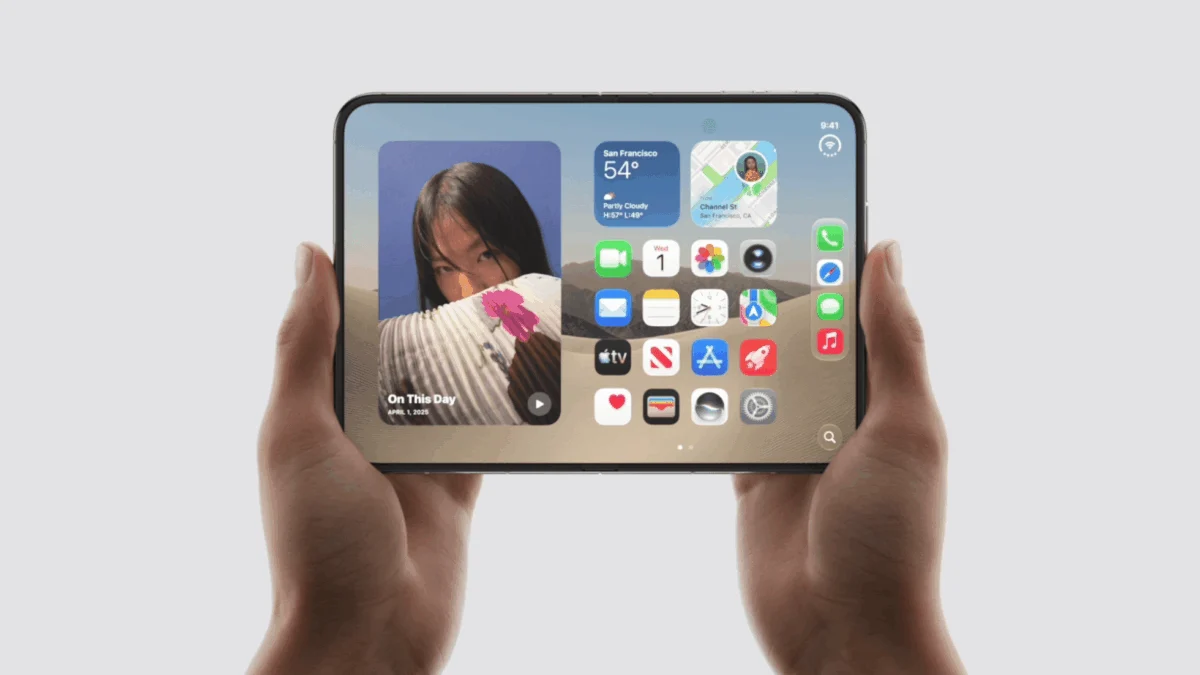
Seven years after the pioneering Samsung Galaxy Fold first graced the market, foldable smartphones continue to occupy a marginal position, accounting for less than 2% of the global smartphone landscape, with sales experiencing a notable decline in the first half of the current year. Against this backdrop, Apple has made its long-anticipated entry with the iPhone Duo, arriving at a pivotal moment when significant segments of the tech industry are questioning the very longevity and relevance of the traditional smartphone itself. This convergence of Apple’s late, high-profile entry into a struggling niche, coupled with the broader debate on the future of mobile computing, presents a complex narrative regarding the foldable form factor’s potential.
The Foldable Market’s Rocky Road to Relevance
Since the unveiling of the first Galaxy Fold in 2019, the foldable smartphone segment has struggled to gain widespread consumer traction. Samsung, the undisputed pioneer, has invested seven years, eight generations of its Fold series, billions in marketing, and aggressive discounts—strategies that would make even an automotive dealership blush. Major Android manufacturers such as Huawei, Honor, Oppo, Xiaomi, and Motorola have followed suit, introducing their own iterations of foldable devices. Despite these concerted efforts, the collective sales of foldable phones in 2025 ranged between 18 and 21 million units, depending on the market analysis firm, a minuscule fraction compared to the 1.2 billion total smartphones sold globally. This translates to a market share consistently below 2%.
The challenges have been compounded by recent market performance. Data from Omdia indicates a significant year-on-year decline of 21.6% in foldable sales during the first half of 2026. Industry analysis firm IDC went further, suggesting that without Apple’s impending entry, the foldable category would have concluded the year with a double-digit percentage decline. Even after seven years of innovation and iteration, the foldable market remains firmly entrenched as a niche, largely driven by the Chinese market where Huawei alone commands approximately half of the segment’s volume.
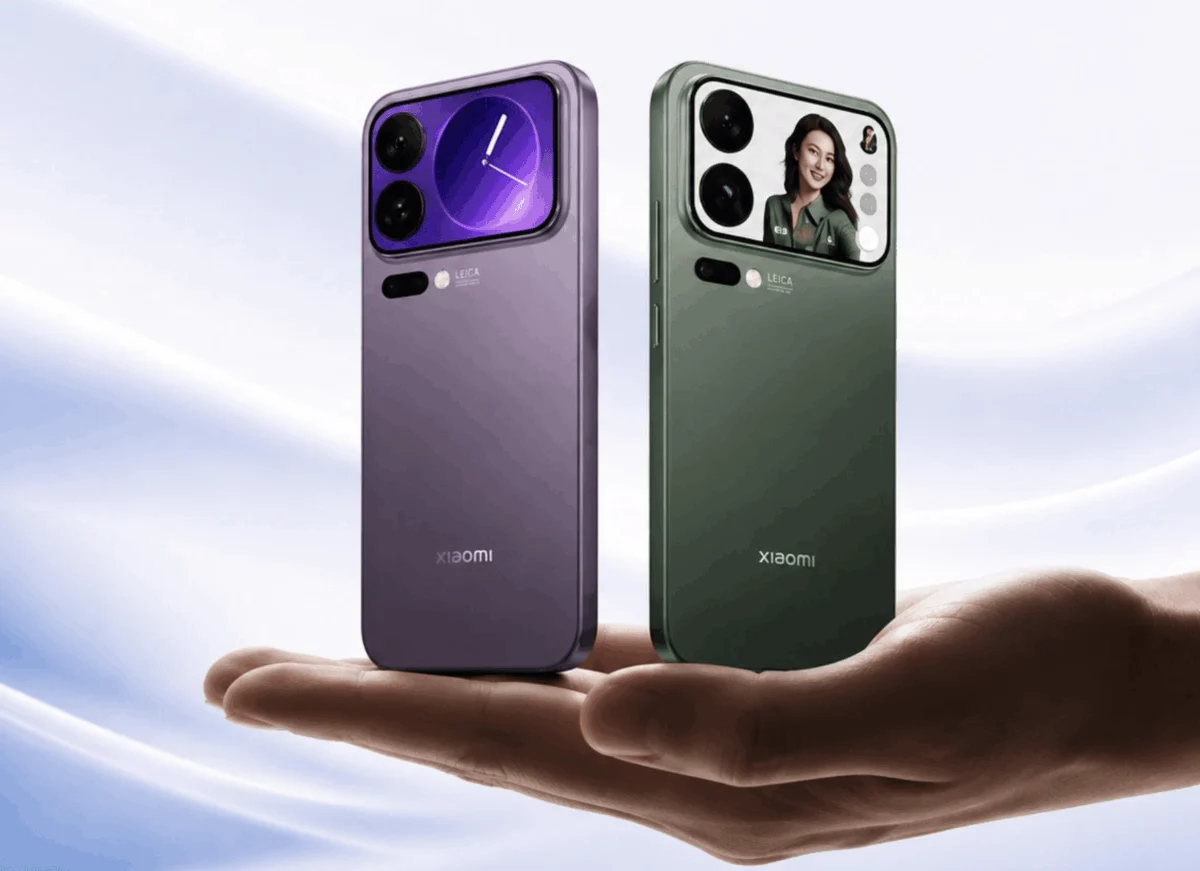
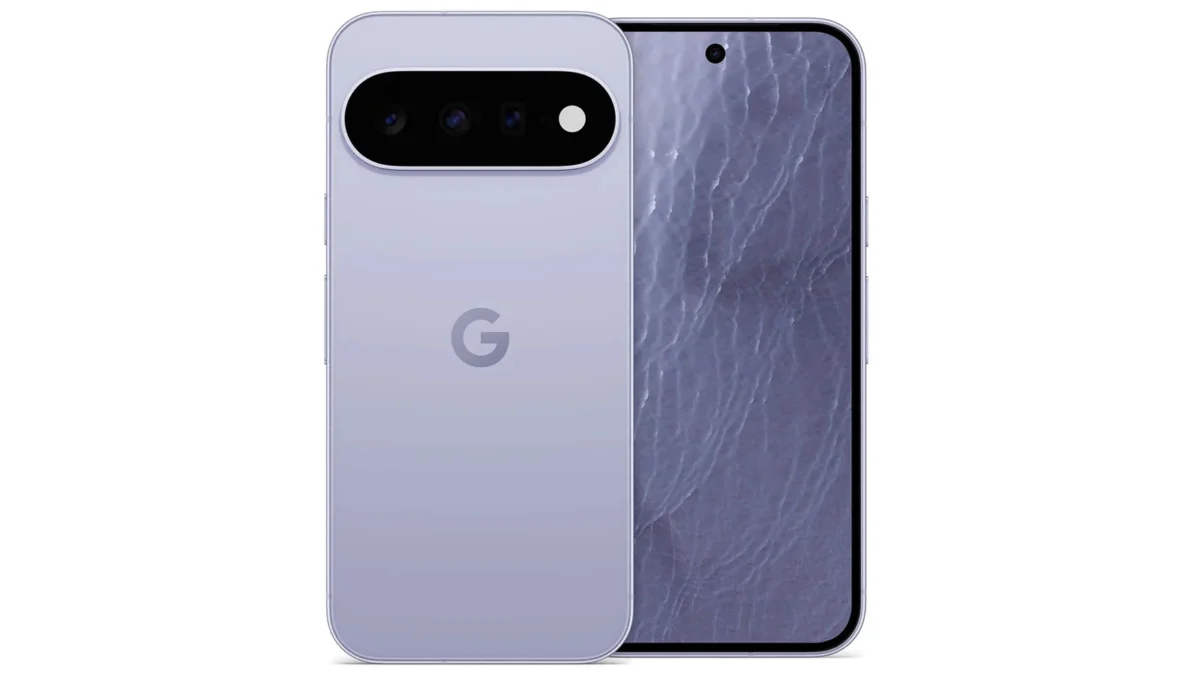
It is crucial to note that this struggle is not primarily a question of quality. Modern foldable devices, such as the Galaxy Z Fold 8, the Xiaomi 18 Fold, and the Oppo Find N6, along with various generations of Google’s Pixel Fold Pro, are lauded for their engineering prowess and often evoke genuine desire among tech enthusiasts. These devices represent significant advancements in materials science, hinge design, and software optimization, offering compelling user experiences. The fundamental issues hindering broader adoption lie elsewhere, rooted in a confluence of economic and conceptual factors.
Inherent Challenges and Consumer Resistance
The primary deterrent for most consumers has been the exorbitant price point. A foldable smartphone typically costs twice as much as a conventional premium smartphone, placing it beyond the reach of the average consumer. Beyond cost, these devices often present practical compromises: they are generally heavier than their rigid counterparts, offer comparatively less durability due to the flexible display and complex hinge mechanisms, and, paradoxically, emphasize a large, expansive screen at a time when much of the tech industry is advocating for a future where screens recede into the background, replaced by ambient AI and spatial computing. It becomes challenging to market a bulkier, more expensive device to consumers who are increasingly being promised a future devoid of physical objects and immersive displays. Early reviews and hands-on impressions of the iPhone Duo subtly underscore this dichotomy: while the expanded screen is frequently cited as its most commendable feature, its weight often emerges as the most significant criticism.
Apple’s Grand Entrance: The iPhone Duo
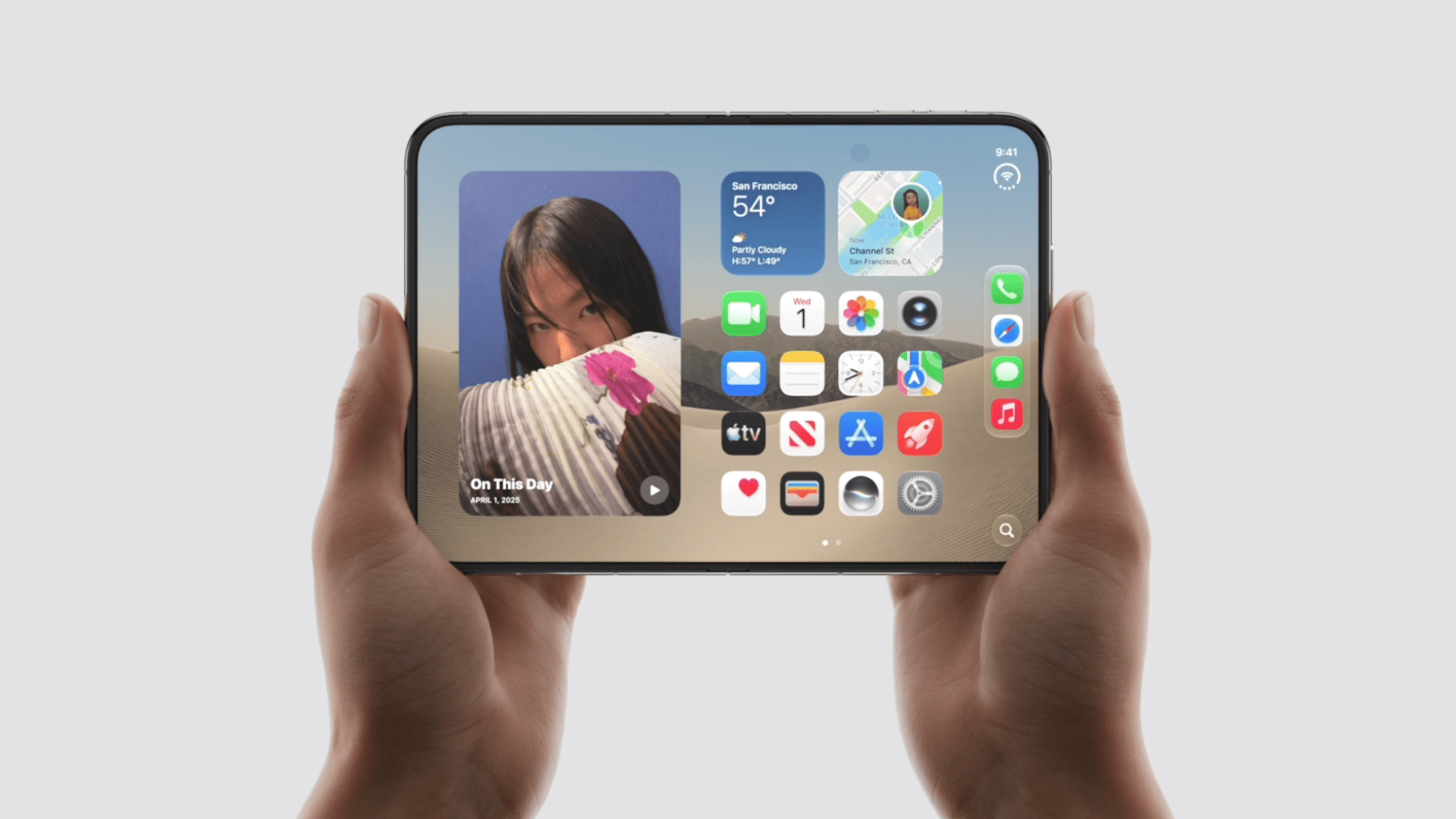
Apple’s arrival with the iPhone Duo, therefore, is not merely another competitor entering the fray; it is a seismic event poised to redefine the segment. Apple brings to the table a formidable ecosystem: over one and a half billion active iPhones worldwide, an App Store that can effectively dictate development timelines and standards to its vast developer community, an operating system (iOS) meticulously redesigned for this specific foldable form factor, and a global network of Apple Stores capable of providing specialized repair services for intricate components, such as the Duo’s sophisticated, 100-piece hinge. While many of the underlying engineering principles and design ideas for this hinge were previously explored and implemented by Samsung and Xiaomi, Apple’s refinement and integration are expected to set a new benchmark.
Market analysts have been quick to quantify the potential impact. IDC forecasts that Apple could sell 17 million Duo units in 2027 alone, capturing approximately 40% of the foldable market. This influx of Apple devices is projected to expand the entire foldable segment from its current 21 million units to 27 million units. Counterpoint Research, while more conservative, still anticipates Apple securing a 25% market share as early as this year. In either scenario, Apple is not merely joining the foldable market; it is poised to become the market, fundamentally altering its dynamics. Samsung, which currently holds around 40% of the foldable market, could see its share decrease to 32%—not because it sells fewer devices, but because Apple’s entry dramatically inflates the total market size.
The Price Barrier: A Familiar Strategy, Yet Different Stakes

Despite Apple’s undeniable market influence, the high price point of the iPhone Duo presents a significant hurdle. Priced at 2,339 euros, the Duo stands in stark contrast to Apple’s previous market-defining product, the original iPad of 2010, which retailed for a relatively accessible 499 euros and democratized the tablet category almost overnight. This accessibility was a critical ingredient in the iPad’s rapid adoption and success. The Duo, by contrast, enters a market where high memory costs are already contributing to the overall contraction of smartphone sales, making its premium price even more exclusive.
Apple’s strategy of entering established categories with premium, often more expensive products is well-documented. However, the success of this strategy has varied. Comparisons are often drawn to other ambitious Apple ventures. The Vision Pro, Apple’s foray into spatial computing, entered a market already occupied by Meta and HTC. Despite its late arrival, premium pricing, and a narrative implying superior execution, the Vision Pro has struggled to move beyond its niche. IDC reported approximately 390,000 units sold in 2024, with only 45,000 in the last quarter of 2025, leading to reports of assembly line halts in early 2025 and even the rumored cancellation of its successor. The iPhone Air experienced a similar fate, with production cuts a month after its launch and its successor, the Air 2, reportedly removed from the development calendar. Both the Vision Pro and the iPhone Air represented significant form-factor bets that ultimately faced consumer indifference. The Vision Pro failed because it offered a solution without an existing problem; it didn’t replace anything, demanding users adopt a new, heavy device for unfamiliar use cases. The iPhone Air failed for the opposite reason: it replaced an iPhone but demanded a near-Pro price for a thinner profile, sacrificing key features like a camera sensor and battery life—a compromise without a compelling counter-benefit.
The iPhone Duo, however, differs in a crucial aspect. While it also demands compromises—particularly in photographic capabilities, which are often a core selling point for high-end smartphones—it offers a tangible, undeniable advantage: a 7.6-inch screen experience neatly folded into a pocketable form factor. Unlike the Air’s emphasis on thinness, which was largely a cosmetic novelty, the Duo’s expanded screen is a clear utility argument. Furthermore, the Duo integrates seamlessly into Apple’s well-oiled product renewal cycle, benefiting from established trade-in programs, 0% financing options, operator partnerships, a robust MagSafe accessory ecosystem from day one, and effortless data migration. Apple has historically not democratized categories by making them cheaper (neither the iPod, iPhone, nor Watch were the cheapest options), but by making them intensely desirable to a broader audience, leading to significant volume sales.
The most apt parallel, if one is to be drawn, might be the original Apple Watch of 2015. It was more expensive than its competitors, initially incomplete, lacked a clear "killer app," and was prematurely declared a failure by many. Yet, through iterative improvements, ecosystem integration, and Apple’s brand power, it eventually outsold the entire Swiss watchmaking industry. The Duo, unlike the initial Watch, possesses a clear, immediate use case from its launch: providing a larger display for enhanced productivity and media consumption. However, it also carries a price tag that excludes a significant portion of the traditional iPhone buying demographic, a barrier that even the Apple Watch, in its early days, did not face to the same extent.
The Foldable: The Screen’s Last Stand Against the Post-Smartphone Era
Beyond market share and pricing, the iPhone Duo’s introduction ignites a more profound debate about the very future of the smartphone. For the past two years, a dominant narrative has emerged suggesting the smartphone’s impending demise, to be replaced by screenless, ambient computing devices: AI-powered glasses, intelligent earbuds, and virtual assistants capable of generating on-the-fly applications. Figures like Sam Altman (OpenAI CEO) and Jony Ive (former Apple design chief) have reportedly been collaborating on such a vision, while Meta has seen millions of sales for its Ray-Ban smart glasses. Every major tech keynote now prominently features a large language model.

Yet, the initial pioneers of this "post-smartphone" era have largely faltered. Humane’s AI Pin, touted as a smartphone killer, was effectively decommissioned within a year of its launch. The Rabbit R1, another highly anticipated AI device, quickly faded into obscurity. While Meta’s Ray-Ban glasses have found a market, they function primarily as smartphone accessories rather than standalone replacements. It is telling that Apple, during its recent September 9th keynote, dedicated only twenty minutes to Siri AI enhancements before spending an entire hour showcasing various screen-centric innovations, culminating in the iPhone Duo.
This is where the Duo’s significance transcends its camera specifications or processing power. The Duo does not fold to become discreet or disappear; it unfolds to offer more surface area, more windows, and more contextual space for the AI experiences Apple is now promoting. Counterpoint Research articulates this perfectly: "Large screens are becoming more important as AI assistants move into multitasking and task execution across multiple apps." In essence, the foldable form factor, particularly as embodied by the Duo, represents the smartphone’s defiant response to those who predict its obsolescence. Rather than vanishing behind a disembodied voice, it doubles its display, offering a tangible canvas where users can visually interact with and observe the actions of their AI agents. This firmly positions the foldable as a "super smartphone," a continuation of the current paradigm, rather than a leap into a post-smartphone era. This first-generation "super smartphone" still involves notable compromises, as detailed in the "seven sacrifices" identified by early analyses, indicating that the journey to its perfected form is far from over.
Implications and the Future of the Screen
So, will Apple save the foldable market or inadvertently kill it? In all likelihood, neither extreme will materialize, which is precisely what makes this moment so compelling. Apple will undoubtedly elevate the foldable from anonymity without fully pulling it out of its niche. It will transform a 2% market segment into one that commands attention and respect, simply by virtue of bearing the iconic Apple logo. This will likely leave Android manufacturers, particularly those in China, to fiercely compete on price points beneath Apple’s premium tier. Samsung, which introduced a similar foldable form factor (the Galaxy Z Fold 8) two months prior and at a price 340 euros lower, is now faced with the peculiar challenge of having been "right too early," its innovation overshadowed by Apple’s market entry.
Ultimately, with two expansive screens and a meticulously engineered hinge, Apple has unequivocally declared its unwavering belief in the enduring power of the screen. Seven years after Samsung’s initial foray, Apple is not merely legitimizing the foldable form factor; it is fundamentally legitimizing the screen itself as the central interface for the evolving digital experience. This is a profound statement in an industry increasingly grappling with the question of what comes after the smartphone, reaffirming the visual interface as indispensable, even as AI capabilities grow exponentially.