Garick Elordi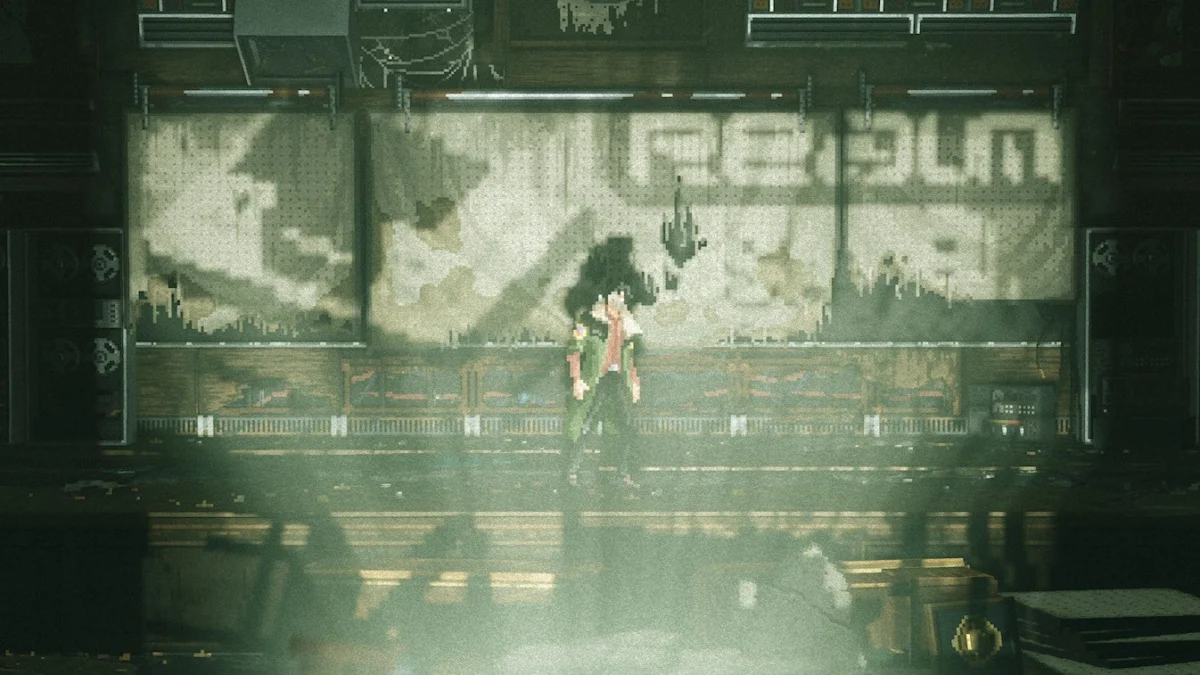
Sad Cat Studios has officially announced the successful launch of its highly anticipated cyberpunk-infused platformer, Replaced, marking what the developer describes as a "strong debut success" for the team. Despite a development cycle characterized by significant external challenges and multiple delays, the game has finally reached the hands of players, garnering positive attention for its distinct visual style and narrative depth. The studio’s celebratory announcement, however, was tempered by a candid acknowledgment of several "rough edges" currently affecting the user experience, alongside a commitment to a rigorous post-launch support schedule intended to refine the title.
Replaced is a 2.5D "retro-futuristic" science fiction cinematic platformer that has occupied a prominent position on global wishlists since its initial reveal. Set in an alternate-history 1980s America, the game depicts a society reeling from the long-term consequences of a devastating nuclear catastrophe. Players assume the role of Reach, an artificial intelligence that has been involuntarily transferred into a human body. This central conceit serves as the foundation for both the game’s narrative arc and its gameplay mechanics, as Reach must navigate the complexities of human physical limitations while surviving in a brutal, dystopian landscape.
A Turbulent Chronology: From Announcement to Release
The journey to the launch of Replaced has been one of the most documented development cycles in the recent indie gaming landscape. Following its striking debut trailer at the Xbox & Bethesda Games Showcase in 2021, the game quickly became one of the top ten most-anticipated titles on the Steam platform. However, the path to release was immediately complicated by geopolitical instability.
In 2022, Sad Cat Studios, which maintains significant ties to Belarus and Ukraine, was forced to announce a major delay. The studio cited the direct impact of Russia’s invasion of Ukraine as the primary cause, noting that the physical safety of their developers and the logistical disruptions caused by the war made it impossible to maintain their original production schedule. This period saw the team prioritizing the relocation and security of its staff, a move that was widely supported by the gaming community and industry peers.
As the studio stabilized, the release window continued to shift. Initially pushed to 2023, the game saw further delays into 2024, then 2025, and eventually 2026, according to internal tracking and public updates. The primary driver for these subsequent delays was the studio’s stated desire to meet the high aesthetic and technical bars set by their early promotional materials. The "cinematic" nature of the platformer required a meticulous approach to pixel art, lighting, and animation that proved more time-consuming than initially projected. The final release this week represents the culmination of over four years of intensive labor and crisis management.
Technical Assessment and the "Rough Edges"
Upon the game’s release on Tuesday, initial player feedback confirmed that while the core experience is compelling, several technical issues persist. Writing to the community via the official Replaced Discord server, Sad Cat Studios expressed gratitude to its supporters while addressing these concerns directly.
"On behalf of everyone at Sad Cat Studios, I want to thank each and every one of you for playing the game," the studio’s statement read. "Replaced has become a strong debut success for us and it wouldn’t have been such without a dedicated community like the one we have right here. You are the real GOATs."
However, the "rough edges" mentioned by the developers have been documented by early adopters on Steam and other forums. Reports indicate that the game’s camera system—a vital component of its cinematic presentation—occasionally glitches, sometimes necessitating a manual restart of the software. Furthermore, players have noted instances of overlapping character animations and logic errors where the sequence of interactions triggers incorrectly. In some cases, these glitches have been known to disrupt cutscenes, breaking the immersion of the carefully crafted narrative.
In response to these reports, Sad Cat Studios has pledged transparency regarding their solution timeline. The developer confirmed that it is currently drafting a "quality of life" (QoL) patch roadmap. This roadmap, expected to be released shortly, will outline the specific technical fixes the team is prioritizing. Additionally, the studio teased the arrival of "much anticipated features," suggesting that the current version of the game may receive content updates or mechanical expansions beyond mere bug fixes.

The Aesthetic and Narrative Vision
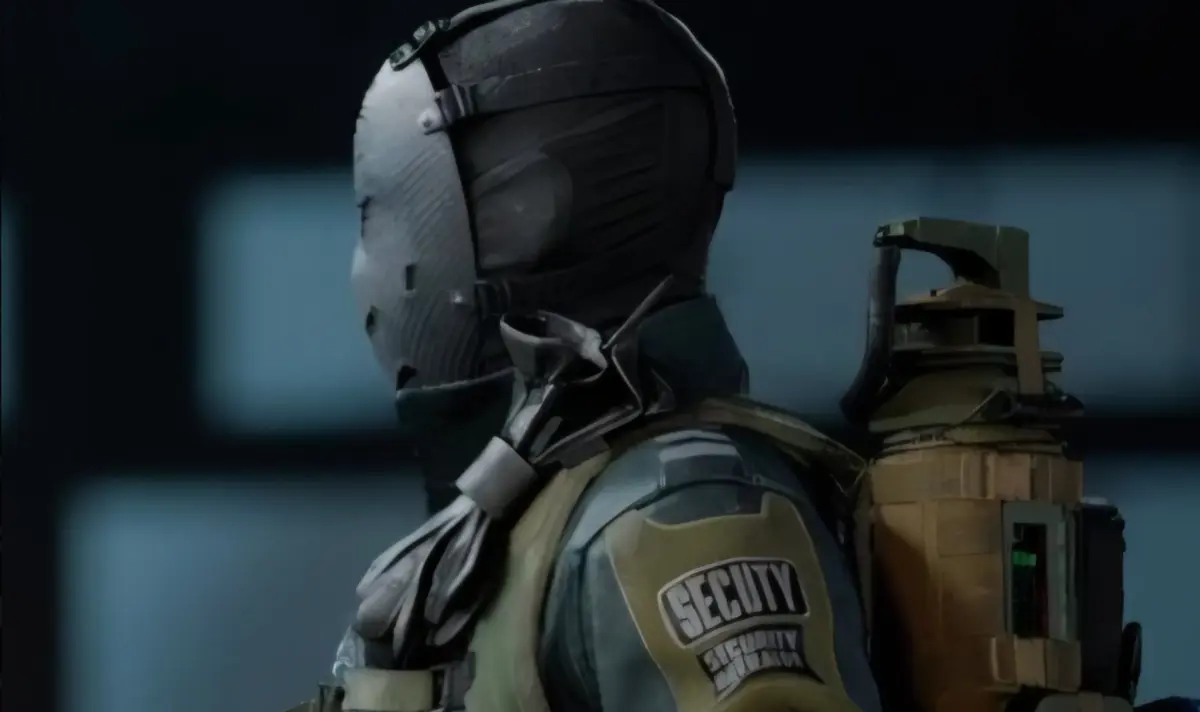
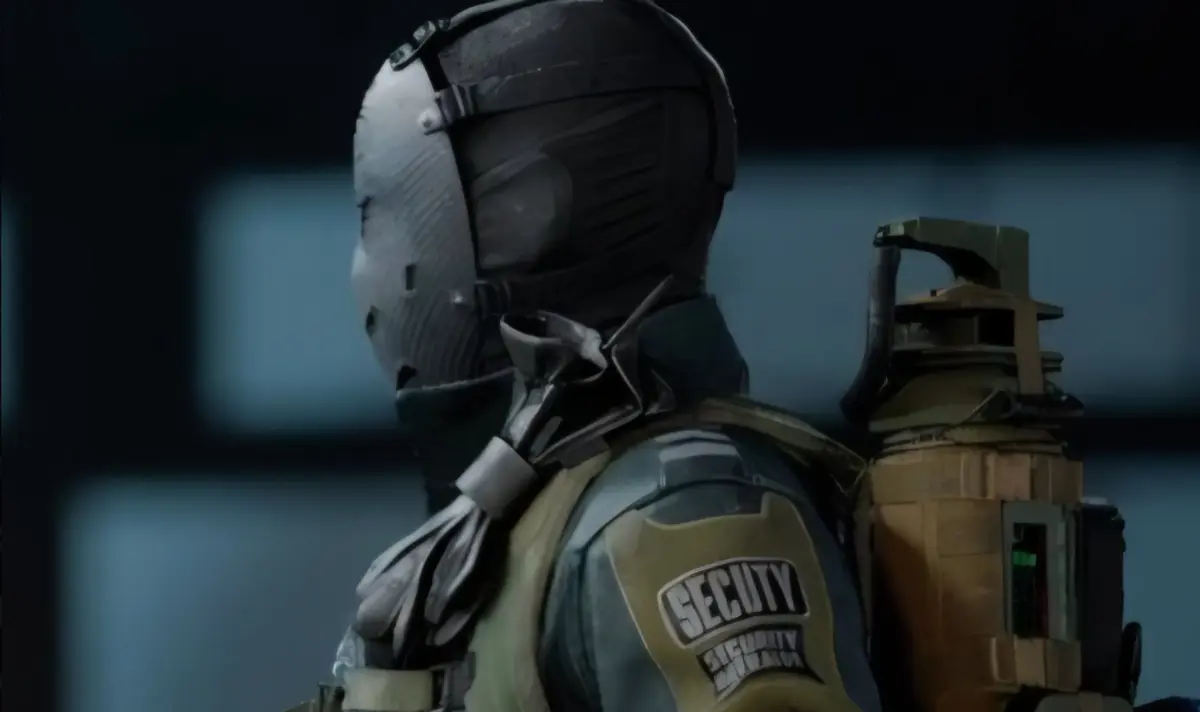
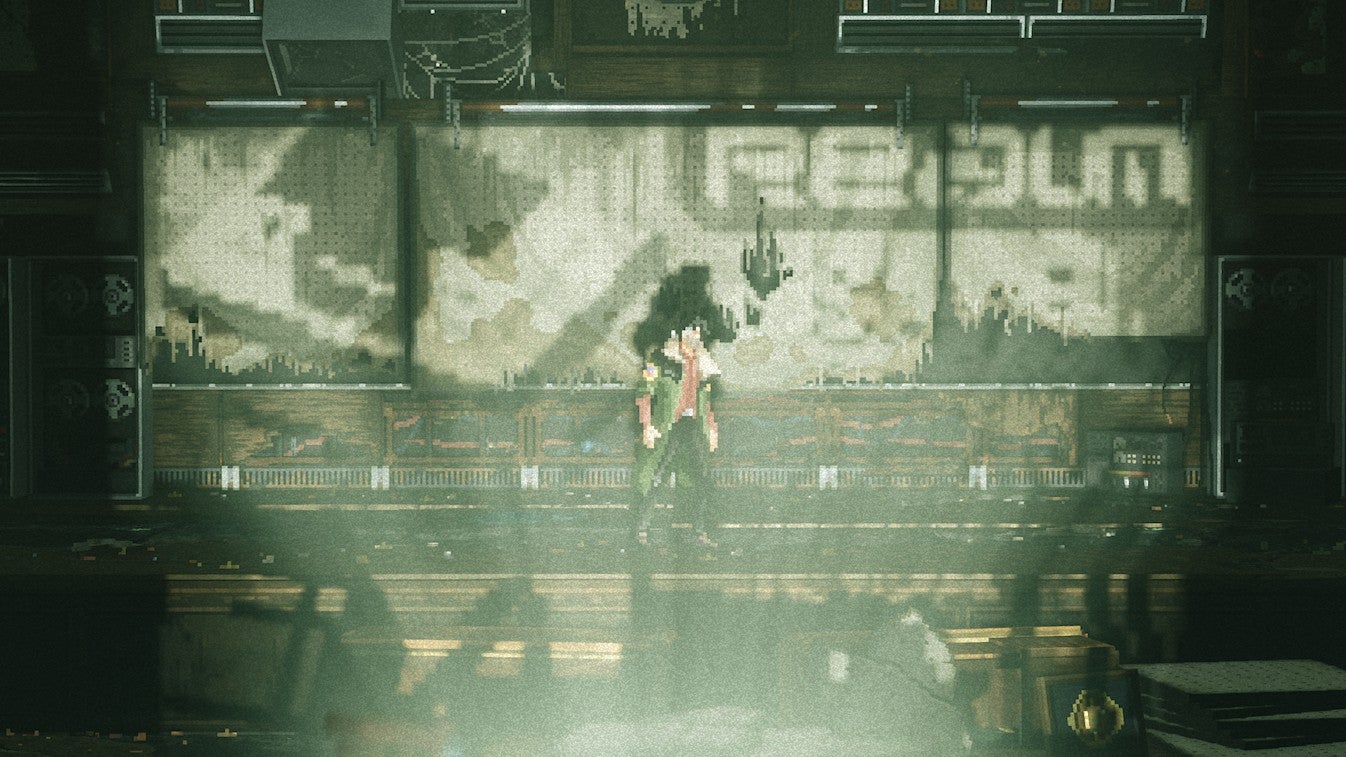
The appeal of Replaced lies largely in its unique visual identity. The game utilizes a sophisticated 2.5D engine that blends traditional pixel art with modern 3D depth-of-field effects and dynamic lighting. This "retro-futuristic" aesthetic aims to evoke the atmosphere of 1980s cinema while leveraging contemporary hardware to create a sense of scale and detail rarely seen in the platformer genre.
The narrative focuses on themes of identity, humanity, and the ethics of artificial intelligence. By placing an AI in a human vessel, Sad Cat Studios explores the dissonance between digital logic and biological frailty. This thematic weight was noted in early previews of the game. Critics highlighted the "brutality and relevance" of the setting, suggesting that the game’s dystopian elements serve as a mirror to contemporary anxieties regarding technology and societal collapse. The protagonist, Reach, must contend not only with the environmental hazards of a post-nuclear America but also with "Termite goons" and other factions vying for control in the lawless Phoenix-City.
Market Performance and Community Impact
While specific sales figures have not yet been disclosed, the studio’s internal metrics point toward a "strong debut." The game’s performance is a significant indicator for the indie publishing sector, particularly for titles that rely heavily on high-fidelity art styles and long-term community engagement.
The success of Replaced also underscores a growing trend in the industry where players are increasingly willing to wait for delayed titles, provided the developers maintain open lines of communication. The "GOAT" (Greatest of All Time) designation given to the community by Sad Cat Studios reflects a modern development philosophy where the relationship between creator and consumer is treated as a partnership.
Broader Implications for the Indie Development Landscape
The successful launch of Replaced carries implications beyond the immediate success of Sad Cat Studios. First, it serves as a testament to the resilience of Eastern European development teams who have faced unprecedented challenges over the last three years. The ability of a studio to navigate a literal war zone and still deliver a high-quality product is a significant milestone in gaming history.

Second, the game’s release highlights the ongoing evolution of the "Cinematic Platformer" sub-genre. Following in the footsteps of titles like Inside or The Last Night (which has faced its own share of development hurdles), Replaced seeks to prove that 2D gameplay can deliver an emotional and visual impact comparable to AAA 3D blockbusters.
Finally, the studio’s commitment to a post-launch roadmap is indicative of the "live-service" mentality currently permeating even single-player indie titles. The expectation is no longer that a game is "finished" upon release, but rather that it is a foundational build that will be polished and expanded based on real-world user data.
Future Outlook
As Sad Cat Studios moves into the next phase of the game’s lifecycle, the focus will remain squarely on stability. The upcoming quality-of-life patches will be critical in determining whether Replaced maintains its momentum or becomes mired in technical criticism. If the studio can successfully iron out the camera and animation issues, Replaced is positioned to be a strong contender for year-end indie accolades.
The narrative potential of the world Sad Cat has built also leaves the door open for future expansions or sequels. Given the deep lore involving the nuclear catastrophe and the "Reach" AI, the 1980s alternate America of Replaced is a setting ripe for further exploration. For now, the studio appears focused on honoring the patience of its community, ensuring that the "rough edges" of their debut are smoothed out to match the high-polish vision they first promised years ago.