Garick Elordi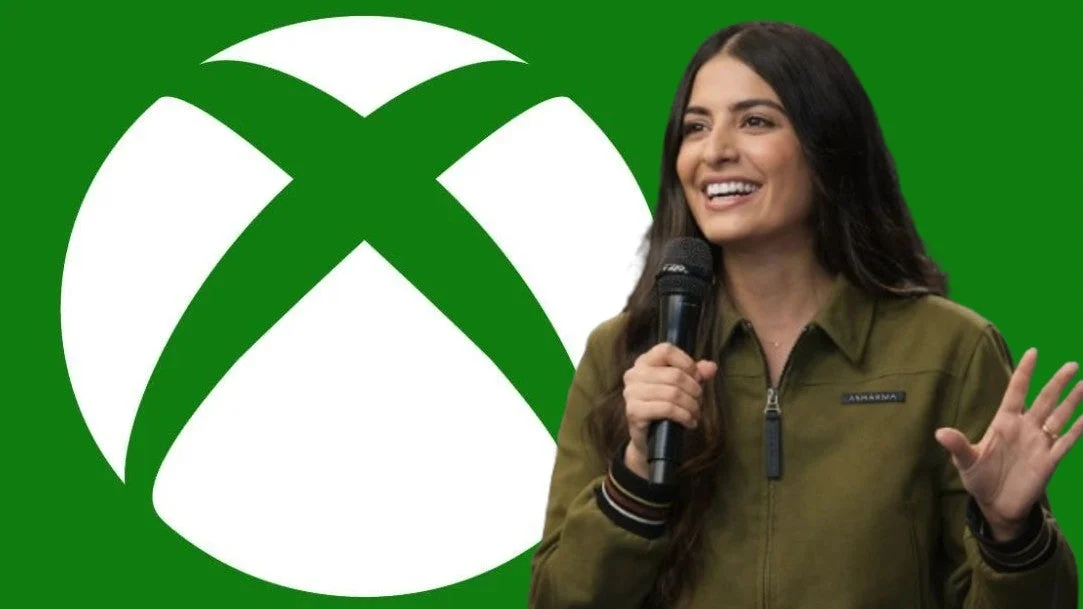
Asha Sharma, the recently appointed CEO of Microsoft’s gaming division, has provided new insights into the future of the Xbox brand, signaling a potential shift in the company’s long-standing multi-platform strategy. In a rare interview following a comprehensive internal memo to staff, Sharma addressed the critical issues of console exclusivity, the evolution of the Game Pass subscription model, and the hardware roadmap for the next generation. Her comments come at a transformative period for Microsoft Gaming, as the company works to integrate its massive acquisitions of Activision Blizzard and ZeniMax Media while navigating a stagnating console market.
The core of Sharma’s message centers on a "data-driven and strategic-driven approach" to decision-making, a philosophy she has cultivated during her first 60 days in the role. Perhaps the most significant takeaway from her recent public statements is the refusal to rule out a return to traditional console exclusivity. This marks a notable departure from the "Xbox is everywhere" marketing campaign that has defined the brand over the last two years, during which titles like Sea of Thieves, Grounded, and Starfield were ported to rival platforms such as the PlayStation 5 and Nintendo Switch.
The Strategic Re-evaluation of Exclusivity
For several years, Microsoft’s strategy appeared to prioritize software reach over hardware gatekeeping. The logic was rooted in the necessity of recouping the $68.7 billion spent on Activision Blizzard King and the $7.5 billion spent on ZeniMax Media. By releasing first-party titles on competing consoles, Microsoft could tap into a larger install base. However, this strategy led to concerns among the core Xbox fanbase regarding the value proposition of owning an Xbox console.
When questioned on whether the company would commit to a permanent multi-platform future or return to exclusivity, Sharma remained non-committal, emphasizing that the company is currently re-evaluating its principles. "We’ll take a data-driven approach and a strategic-driven approach, and then we’ll look at our principles and we’ll make some calls," Sharma stated. She described these choices as "long-swinging decisions that have decade-long impact," suggesting that the company is wary of making hasty commitments that could undermine its long-term health.
This re-evaluation includes a close look at "windowing"—the practice of keeping a game exclusive to one platform for a set period before releasing it elsewhere. By analyzing player retention and hardware sales data, Xbox leadership aims to determine if the revenue gained from third-party sales outweighs the potential loss in hardware ecosystem loyalty.
Chronology of the Leadership Transition and Strategy Shift
To understand the current state of Xbox, it is necessary to look at the timeline of leadership and corporate restructuring that led to Sharma’s appointment.
- September 2023: Microsoft completes the acquisition of Activision Blizzard after a year of intense regulatory scrutiny from the FTC and CMA.
- January 2024: Microsoft announces significant layoffs across its gaming division, affecting approximately 1,900 employees, primarily within Activision Blizzard and Xbox.
- February 2024: Xbox leadership holds a "business update" podcast, confirming that four previously exclusive titles would head to other platforms, while maintaining that Starfield and Indiana Jones were not currently planned for PS5 (a stance that later changed for Indiana Jones).
- Early 2024: Phil Spencer transitions to a broader role within Microsoft, and Asha Sharma, formerly the President of Microsoft’s Core AI division, is named CEO of Microsoft Gaming.
- Late 2024: Sharma issues a company-wide memo outlining a focus on "fortifying Game Pass" and re-evaluating the platform’s identity, followed by the launch of the "This is an Xbox" marketing campaign.
Sharma’s background in AI and data science is increasingly evident in how she discusses the business. Unlike previous leaders who often leaned on "gamer-first" rhetoric, Sharma’s language is rooted in metrics: retention, predictable cadences, and robust roadmaps.
Fortifying the Game Pass Ecosystem
A primary pillar of Sharma’s strategy is the reinforcement of Game Pass, which has seen fluctuating growth rates in recent quarters. While the service remains the industry leader in the subscription space, the high costs of Day One first-party releases—such as Call of Duty: Black Ops 6—require a massive and consistent subscriber base to remain sustainable.
Sharma noted that "fortifying Game Pass" involves three key metrics: growing the total number of players, increasing the length of time they stay subscribed, and ensuring high levels of user satisfaction. Recent changes to the service, including a price restructuring and the rumored introduction of a "Starter Edition," are designed to hit these targets.
The "Starter Edition," which leaked recently, is expected to be a lower-priced tier, potentially ad-supported or limited in its library, aimed at markets where the standard subscription price is a barrier to entry. This aligns with Sharma’s comments on affordability. "I want to continue to make sure, as we build hardware, software, services, we’re spending just as much time on performance and play time as we are on making sure that we can innovate to offer more affordable devices," she explained.
Integration of Content and Quality Control
Joining Sharma in the recent strategic discussions was Matt Booty, the head of Xbox Game Studios. Booty addressed the criticism that Xbox first-party releases have been inconsistent in terms of quality and release frequency. He promised a "predictable cadence" of high-quality releases, suggesting that the era of long droughts between major Xbox titles is coming to an end.
The integration of Activision Blizzard is central to this goal. With franchises like Call of Duty, World of Warcraft, and Overwatch now under the Microsoft umbrella, the company has a constant stream of live-service revenue and content. The challenge lies in balancing the creative independence of these massive studios with the overarching strategic needs of the Xbox ecosystem.
Hardware Innovation and the Next Generation
Despite the focus on software and services, Sharma reaffirmed Microsoft’s commitment to hardware. Speculation regarding a handheld Xbox device and a high-performance next-generation console has been rampant. Sharma noted that the company is "investing in hardware as a first-class experience again," a statement intended to reassure those who feared Microsoft might transition into a third-party publisher like Sega.
The "Project Helix" initiative, which has been discussed in industry circles, reportedly aims to bridge the gap between PC and console gaming further, potentially allowing future Xbox hardware to run PC versions of games natively. This would solve the "generational leap" problem by giving players access to a massive library of titles without relying on developers to create specific console ports.
However, the reality of the hardware market is challenging. With the rising costs of components, maintaining an affordable entry point while pushing the boundaries of performance is a difficult balancing act. Sharma’s refusal to make specific promises regarding price points reflects the volatility of the global supply chain and the high R&D costs associated with modern silicon.
Industry Implications and Market Reaction
The broader gaming industry is watching Microsoft’s pivot closely. Sony’s PlayStation 5 continues to lead in traditional console sales, while Nintendo remains in a category of its own with the aging but still successful Switch. Microsoft’s potential retreat from a pure multi-platform strategy could signal a return to a more traditional "console war" dynamic, or it could be a move to protect the value of Game Pass.
Market analysts suggest that if Microsoft returns to exclusivity for major titles like The Elder Scrolls VI or future Gears of War installments, it would be a clear signal that the company believes the Xbox hardware ecosystem is still its most valuable asset. Conversely, if they continue to release games on PS5, it confirms that Microsoft views itself primarily as a platform-agnostic service provider.
The recent unveiling of a new, simplified Xbox logo—decidedly separate from the traditional Microsoft corporate branding—further suggests an attempt to give the gaming division its own distinct identity. This branding shift, combined with Sharma’s data-driven approach, indicates a brand in the midst of a sophisticated "re-boot."
Conclusion: A Measured Path Forward
Asha Sharma’s first 60 days have been characterized by a refusal to be rushed into definitive statements. By prioritizing "the right decision over the fastest decision," she is signaling to investors and consumers alike that the next decade of Xbox will be governed by strategic stability rather than reactionary pivots.
As Microsoft moves toward the next hardware cycle, the decisions made by Sharma and her team regarding exclusivity, subscription tiers, and hardware affordability will define the company’s legacy in the gaming space. For now, the industry remains in a state of anticipation, waiting for the "calls" that Sharma has promised are coming once the data is fully analyzed. The transition from the Phil Spencer era to the Asha Sharma era is officially underway, and while the "principles" are still being defined, the focus on long-term sustainability and data-backed growth is clear.