Metty Iskandar
The proliferation of generative artificial intelligence continues to reshape various sectors, from its foundational role in new services and application development to its integration as a functional enhancer within existing platforms. As a constant stream of innovative AI-driven products emerges, discerning which ones offer genuine value becomes increasingly important. This report delves into a new series highlighting significant AI applications and services, with a particular focus on how AI is transforming the landscape of sports, specifically football, through predictive analytics and advanced coaching tools.
Predicd Leverages AI for Unprecedented World Cup Forecasting
In the dynamic world of sports analytics, artificial intelligence is emerging as a powerful tool for dissecting complex data and generating predictive insights. One such platform, Predicd, has garnered attention for its ambitious use of AI to forecast outcomes in major sporting events, most notably the FIFA World Cup. This application represents a significant step forward in applying machine learning to the inherently unpredictable nature of athletic competitions, moving beyond traditional statistical analysis to encompass a broader range of influencing factors.
The World Cup, a quadrennial tournament that captivates billions globally, presents a unique data-rich environment. The tournament’s history, spanning decades, provides a vast repository of match results, team performances, player statistics, and tactical evolutions. Modern football, in particular, is characterized by an unprecedented level of data collection, encompassing player positioning, team form, historical head-to-head records, and evolving tactical methodologies. Predicd aims to harness this wealth of information, utilizing AI algorithms to make informed predictions about match outcomes and tournament progression.
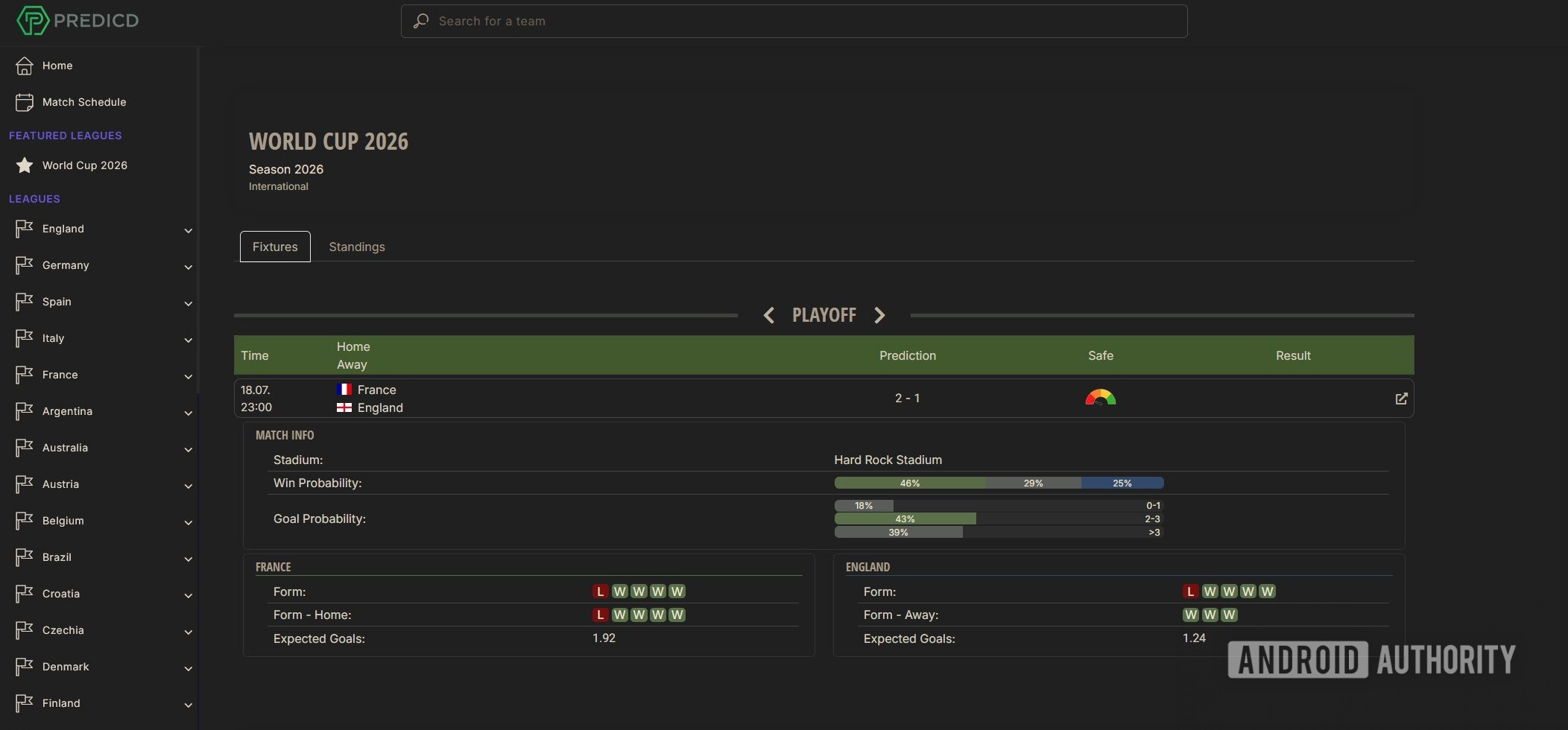
The genesis of Predicd’s approach lies in its ability to process multifaceted datasets. These include historical performance metrics from past and present tournaments, the competitive record between specific teams, and in-game performance indicators such as Expected Goals (xG), which quantifies the likelihood of a shot resulting in a goal based on various factors like shot location, angle, and type. By integrating these diverse data points, Predicd endeavors to build a predictive model that can anticipate the results of individual matches and, by extension, the overall trajectory of the tournament.
Analyzing Predicd’s Predictive Performance
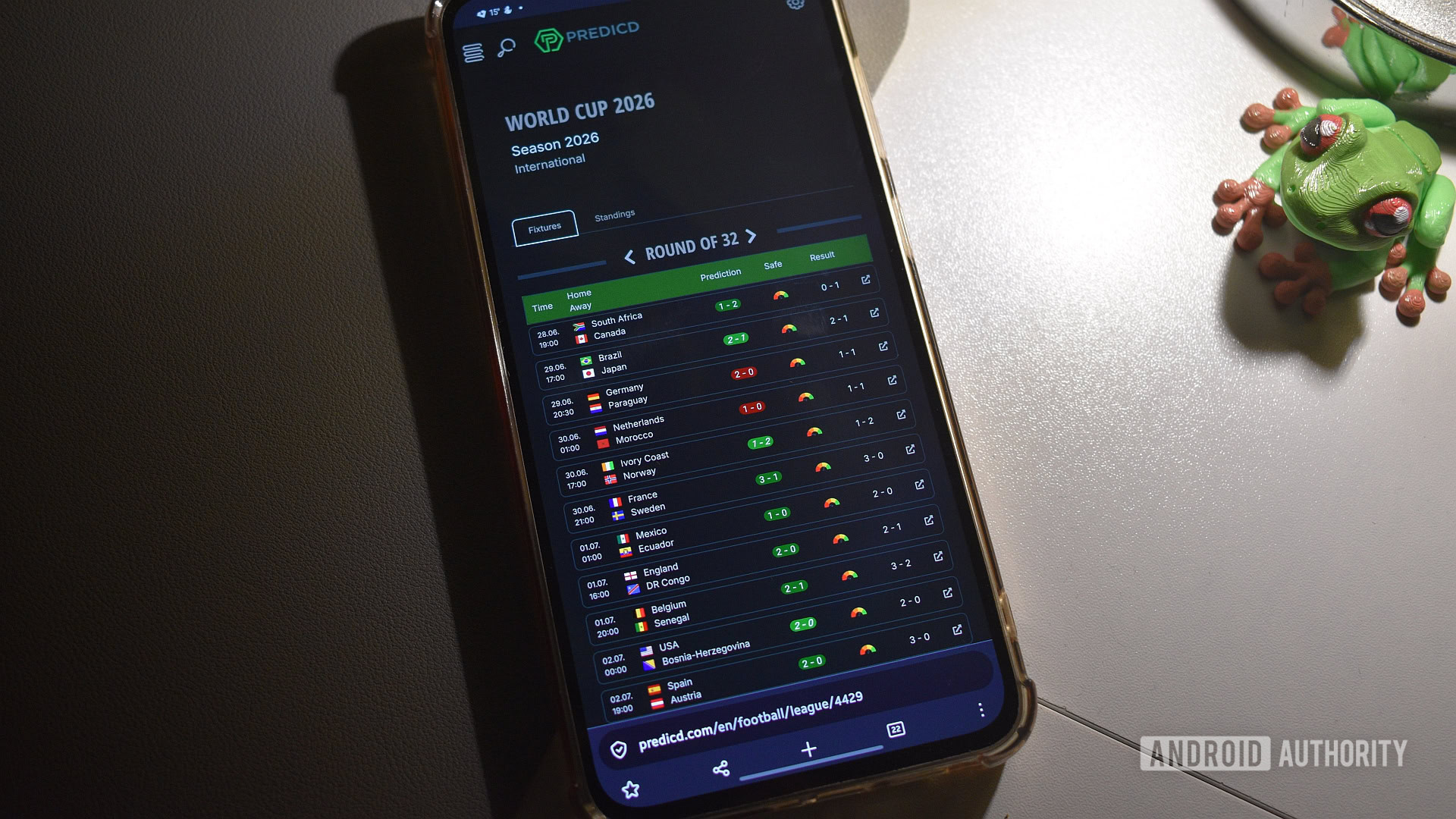
During the recent World Cup, Predicd’s AI model demonstrated a notable, though not infallible, degree of accuracy. While the model did not precisely predict every quarter-final score, it correctly identified all the teams that advanced to the subsequent rounds. This suggests a robust underlying capability in forecasting team progression based on aggregate performance and potential.
However, the AI’s accuracy faced challenges in the earlier stages of the knockout rounds. Predicd missed three results in the Round of 32 and four in the Round of 16, indicating areas where its predictive power was less precise. These discrepancies highlight the inherent complexity of football, where upsets and unexpected performances can occur, challenging even sophisticated analytical models.
The most significant deviations from Predicd’s predictions were observed in the semi-final matches. The AI had forecasted a final showdown between Harry Kane’s England and Kylian Mbappé’s France. The actual outcome saw these formidable teams competing for third place, with Spain and Argentina advancing to the final. This divergence raises questions about the limitations of purely data-driven predictions in capturing the nuances of tactical decisions, team resilience, and the psychological elements that influence high-stakes matches. The fact that the AI missed these crucial semi-final results underscores the argument that while statistics provide a valuable framework, the human element – strategic adaptations, player morale, and on-field execution – remains a pivotal factor in determining football outcomes. This also fuels ongoing debates among football enthusiasts and analysts about the relative importance of tactical prowess versus statistical probability in achieving victory.
Despite these challenges, Predicd’s AI has projected Spain to emerge as the tournament winner, facing off against Argentina in the final. This prediction, based on the model’s ongoing analysis, offers a glimpse into its continued efforts to refine its forecasting capabilities. The platform’s accuracy in predicting team advancement, even when individual match scores were missed, positions it as a significant player in the burgeoning field of sports AI.
Background: The Evolving Landscape of Sports Analytics
The application of advanced analytics in sports is not a new phenomenon. Professional sports organizations have been investing in data analysis for decades, employing statisticians and data scientists to gain a competitive edge. Early forms of sports analytics focused on optimizing player performance, identifying talent, and developing game strategies through the examination of historical statistics. The advent of advanced sensor technology, wearable devices, and sophisticated video analysis tools has exponentially increased the volume and granularity of data available.
The integration of Artificial Intelligence, particularly machine learning and deep learning, represents the next frontier. AI algorithms can identify patterns and correlations within massive datasets that might be imperceptible to human analysts. This enables more sophisticated predictions, deeper insights into player and team dynamics, and more personalized training regimens. The World Cup, with its global audience and intense scrutiny, serves as a high-profile proving ground for these AI technologies. The tournament’s structure, involving numerous matches across different stages, provides a rich environment for testing and validating predictive models.
The Broader Impact of AI in Sports
The implications of AI in sports extend far beyond prediction. Platforms like Predicd and others are not only changing how fans engage with games but also how teams prepare and strategize. For fans, AI-driven insights can deepen their understanding and appreciation of the sport, offering statistical justifications for team performance and highlighting tactical nuances that might otherwise be missed. This can lead to more informed discussions and a more engaging spectating experience.
For coaches and players, AI offers powerful tools for development and strategic planning. The ability to simulate game scenarios, analyze opponent tactics, and identify individual player strengths and weaknesses can lead to more effective training programs and in-game adjustments. This data-driven approach can optimize performance, reduce the risk of injuries through personalized training loads, and ultimately contribute to greater success on the field.
Emerging AI Applications in Football
Beyond predictive analytics, AI is making significant inroads into other crucial aspects of football, notably in coaching and performance analysis.
FootballGPT: Empowering Coaches with AI-Driven Tactical Development
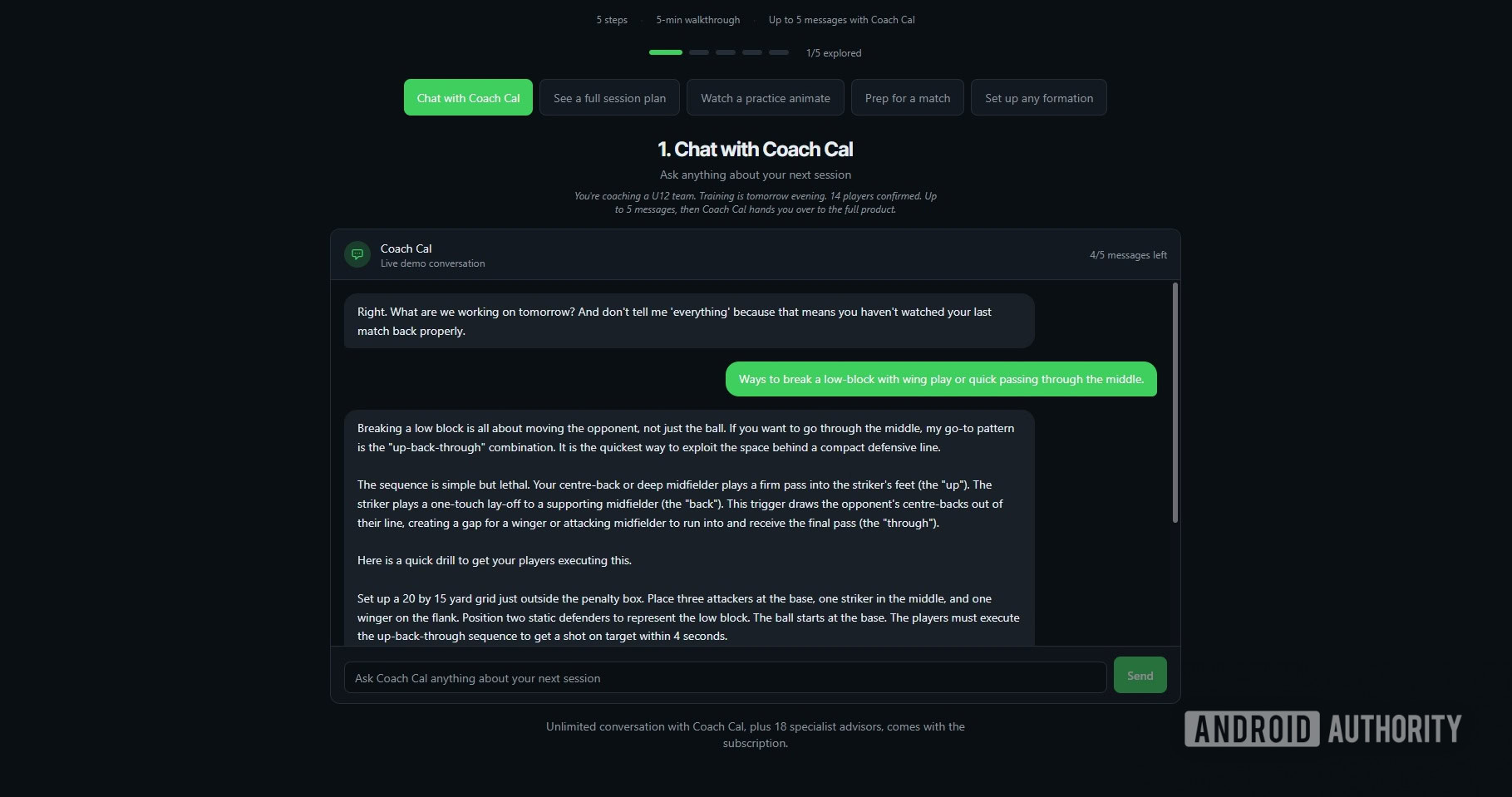
For those inspired by the tactical intricacies of the World Cup or aspiring to coach at any level, FootballGPT emerges as a valuable resource. This AI-powered tool is designed to support coaches by providing a comprehensive knowledge base for developing drills, refining strategies, and implementing them effectively on the pitch.
FootballGPT’s capabilities include generating complete coaching sessions that cover a wide range of tactical elements. It can produce detailed animations illustrating the precise player movements required to execute specific game plans, offering a clear visual guide for players. Furthermore, the platform provides a dedicated dashboard for pre-match preparation, allowing coaches to analyze opponents and formulate effective counter-strategies. This tool democratizes access to sophisticated coaching methodologies, enabling coaches with varying levels of experience to enhance their team’s tactical understanding and execution.
Sofascore: Integrated AI Insights for Enhanced Match Comprehension
Sofascore, a widely used sports statistics application, has integrated AI-driven insights that significantly enhance the understanding of football matches for both seasoned fans and newcomers. While primarily known for its comprehensive score tracking across various sports, Sofascore’s AI features offer a deeper dive into the game’s dynamics.
The app provides pre-game information that includes a probability matrix for match outcomes, derived from analyzing the scoring potential of both participating teams. It also offers detailed contextual information for each matchup, encompassing season-long statistics, probable tactical approaches, and even data on the assigned referees, which can influence game flow. Post-half-time, Sofascore’s AI continues to provide insights based on the first half’s performance, offering explanations for why a particular team might be leading or struggling.
This AI-driven commentary is particularly beneficial for individuals new to football who may not grasp the underlying reasons for a game’s progression. Sofascore’s AI insights clarify the tactics and momentum shifts at play. Additionally, the app includes engaging predictive elements, such as forecasting the next goal scorer and identifying the likely match winner, adding an interactive layer to the fan experience. This comprehensive approach, blending real-time data with AI-powered analysis, makes Sofascore a valuable tool for anyone looking to deepen their engagement with the sport.
The Future of AI in Sports
The examples of Predicd, FootballGPT, and Sofascore illustrate a clear trend: AI is becoming an indispensable component of modern sports. As algorithms become more sophisticated and data collection methods advance, we can expect even more groundbreaking applications. This includes hyper-personalized training programs, advanced injury prevention through predictive modeling, and even AI-assisted refereeing for greater accuracy and consistency.
The integration of AI in sports raises important questions about the balance between human intuition and algorithmic prediction, the ethical considerations of data privacy, and the potential for technological disparities between teams. However, the overarching trajectory points towards a future where AI plays an increasingly integral role in enhancing performance, deepening understanding, and revolutionizing the way we experience and engage with sports. The World Cup, as a global spectacle, serves as a compelling testament to the transformative power of AI in the realm of athletic competition.