
 Lina Irawan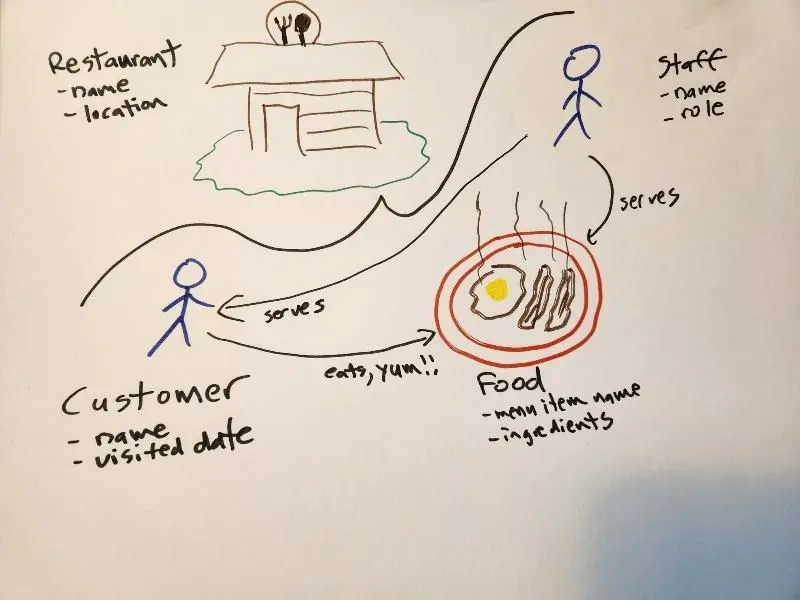
The software engineering landscape is witnessing a renewed interest in Model-Oriented Programming (MOP), a paradigm that prioritizes the use of high-level models to drive system development and maintenance. While Object-Oriented Programming (OOP) has remained the dominant industry standard for decades, proponents of MOP argue that the increasing complexity of enterprise systems and the rapid ascent of Artificial Intelligence (AI) necessitate a shift toward more concise, structural representations of software. This movement finds its roots in early 21st-century developments, specifically the creation of specialized Integrated Development Environments (IDEs) designed to treat model structures as first-class citizens within the programming grammar.
The Genesis of Mo+ and the MOP Paradigm
Thirteen years ago, the development of Mo+ marked a significant milestone in this field as one of the first fully-featured model-oriented programming languages and IDEs. Designed to streamline enterprise-level projects, Mo+ allowed developers to bypass the verbosity of traditional languages by utilizing hierarchical models to generate and manage complex system architectures. Despite successful implementation in various workplace environments, the technology remained a niche solution, leading its creator to pivot from a software engineering career to maritime heritage projects in Scandinavia six years ago.
However, the current technological climate—defined by the demand for rapid application development and AI-assisted coding—has brought the principles of MOP back to the forefront of computer science research. MOP is defined as the process of utilizing a model to create and maintain a software system, while Model-Oriented Development (MOD) encompasses both the modeling process (populating structures with data) and the programming itself.
A Chronology of Model-Oriented Development
The trajectory of model-oriented technologies can be traced through several distinct phases of industrial application:
- 2011–2014: The initial development and release of the Mo+ IDE, culminating in its availability as a Visual Studio add-on. This era focused on "Transitional MOP," where models were used to generate source code in languages like C# or Java.
- 2014–2018: Adoption of "Inline MOD" via frameworks such as Entity Framework (EF) and NHibernate. During this period, Object-Relational Mapping (ORM) became the standard for representing database schemas as code-first models.
- 2018–Present: The rise of Low-Code/No-Code (LCNC) platforms and AI-driven development. While these tools simplify development, they often lack the formal structural rigor proposed by pure MOP languages.
- 2024 and Beyond: A call for renewed academic and industrial research into MOP to provide structured "guardrails" for AI code generators, ensuring that LLM-produced code adheres to strict architectural models.
Core Principles: Structure, Data, and Hierarchy
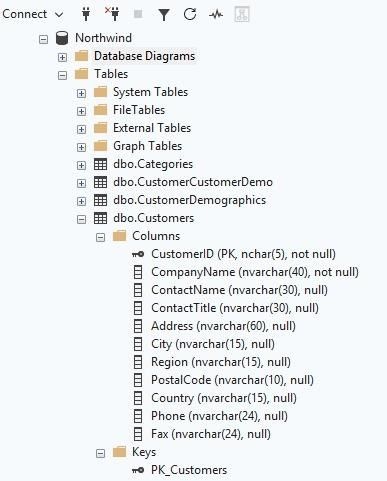
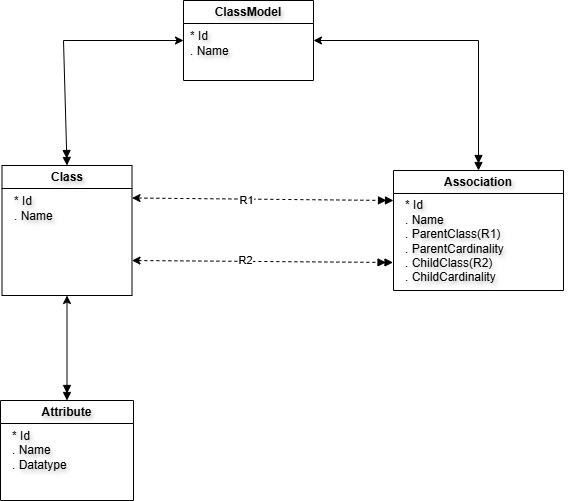
At the center of the MOP philosophy is a specific definition of a "Model." In this context, a model is described through two components: structure and data. The structure defines the hierarchical rules or "schema," while the data populates that structure. Unlike traditional relational databases, which may appear non-hierarchical in flat diagrams, MOP treats the schema itself—nodes, attributes, and relationships—as a tree-based hierarchy.
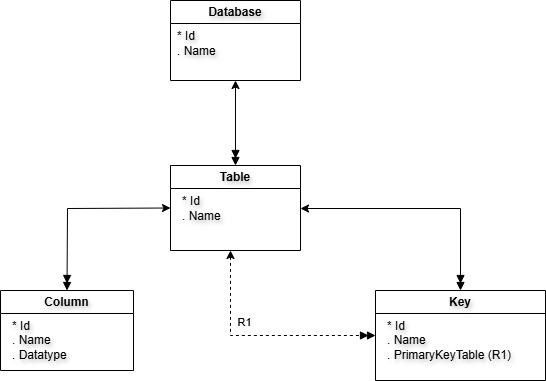
For example, a relational database like the "Northwind" sample database can be viewed as a model where the root node is the database, containing child nodes for tables, which in turn contain columns and keys. Proponents of MOP argue that even complex foreign key relationships can be handled hierarchically by treating the relationship as a child node that references a destination entity. This hierarchical approach allows for more efficient traversal and manipulation of system requirements compared to the flat file structures common in traditional IDEs.
Categorizing the Four Forms of Model Oriented Development
To understand the current state of the industry, analysts categorize MOD into four primary forms, each with varying degrees of formality and impact:
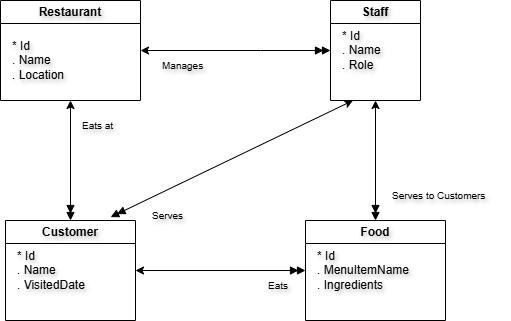
Informal MOD
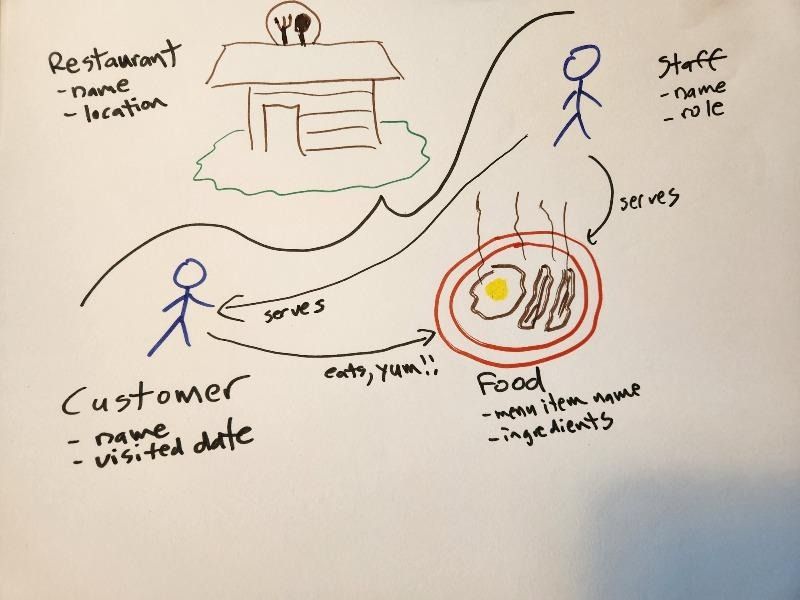
This involves non-standardized models, such as whiteboard sketches or informal diagrams. While useful for conceptualization, informal MOD lacks the electronic definition required for automated system generation.
Inline MOD
Currently the most popular form, Inline MOD utilizes frameworks like Angular, React, or Entity Framework. Here, models are often defined directly within the code. While effective, the scope is frequently limited to the specific framework being utilized.
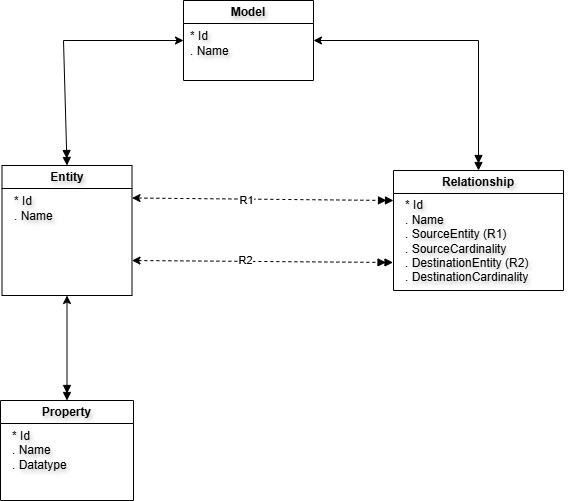
Coupled MOD
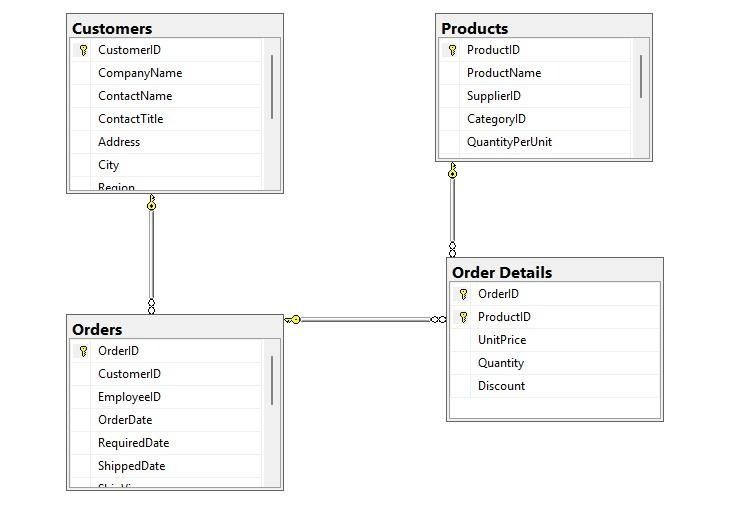
The most common industrial example of this is the Unified Modeling Language (UML). Coupled MOD maintains a direct link between the design model and the source code, often allowing for "round-trip engineering" where changes in the model update the code and vice versa.
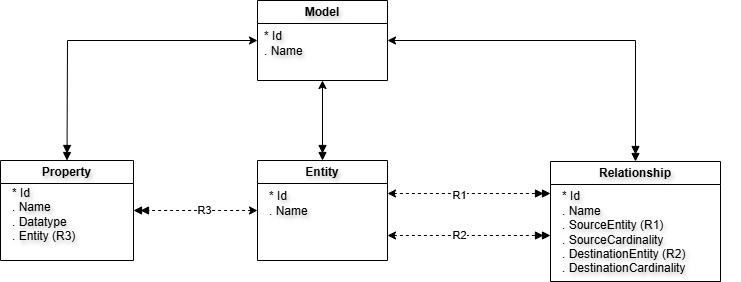
Decoupled MOD
This is considered the most potent form for enterprise architecture. In Decoupled MOD, the model focuses on requirements, data, and workflow rather than specific code components. This separation allows the model to remain stable even as the underlying technical stack (e.g., moving from a monolithic architecture to microservices) evolves.
Technical Innovations in MOP Languages
A fully realized MOP language introduces several features that distinguish it from OOP. One of the most significant is the concept of "Model Structure as Grammar." In a MOP environment, the nodes and attributes of a model are integrated directly into the language’s syntax. This eliminates the need for developers to manually instantiate classes for every entity in a schema.
Furthermore, MOP utilizes a "Model Context Stack." Unlike the variable-heavy nature of OOP, a MOP language allows developers to navigate the model tree using context. Statements like foreach (Property) automatically push the current property onto a stack, allowing the code to reference attributes like Name or DataType without explicit variable declarations. This approach significantly reduces code verbosity; historical data from Mo+ projects suggests that transitional MOP can reduce the need for local variables by up to 99%.
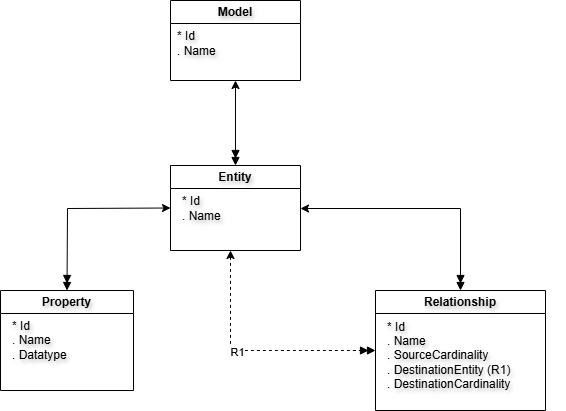
Another breakthrough is the "Dynamic Grammar." A MOP interpreter can read a model structure at the start of a programming session and augment its own grammar in real-time. If a developer adds a "MaxLength" attribute to a "Property" node in the model, the language immediately recognizes "MaxLength" as a valid keyword.
The Role of MOP in the Age of Artificial Intelligence
The integration of AI into software development has created a new urgency for MOP research. Large Language Models (LLMs) are proficient at generating code snippets but often struggle with maintaining architectural consistency across large-scale enterprise systems. MOP provides a structured framework that can serve as a blueprint for AI.
Industry analysts suggest that by providing an AI with a formal model structure and a MOP language, the AI can generate high-quality, "best-practice" code that is anchored to the system’s requirements. This reduces the "hallucination" rate of AI and ensures that generated components—such as UI forms, API endpoints, and database scripts—remain perfectly synchronized with the underlying data model.
Market Implications and Research Directions
The global market for Model-Driven Engineering (MDE) is projected to grow as organizations seek to reduce technical debt and improve development speed. However, the lack of a standardized, modern MOP language remains a barrier. The creator of Mo+ has indicated that the technology is currently open for research contributions, particularly for university-led studies or business-driven R&D.
Current research is focused on three primary areas:
- Transitional MOP: Using models to maintain target environments, including source code and documentation.
- Modeling MOP: Developing languages that can programmatically update the models themselves based on external data sources.
- Target MOP: The most ambitious goal, where the MOP language serves as the primary runtime language for the application, potentially replacing OOP for specific business logic layers.
Conclusion: A Path Toward Best-Practice Codification
Model Oriented Programming represents more than just a tool for code generation; it is a method for codifying best practices. By treating architectural patterns as "Model Oriented Properties," developers can create reusable blocks of logic that transcend individual projects. As the software industry grapples with the complexities of modern cloud environments and the integration of autonomous AI agents, the structural rigor of MOP offers a compelling path forward.
The legacy of Mo+ and the ongoing evolution of MOD suggest that the industry may be moving toward a future where "programming" is less about writing lines of code and more about defining and refining the models that represent the heart of the business logic. For researchers and enterprise architects, the challenge remains to bridge the gap between theoretical model structures and the practical, messy realities of system development. The potential for massive parallelism, reduced variable overhead, and AI-alignment makes MOP a field ripe for renewed investment and exploration.









