Lina Irawan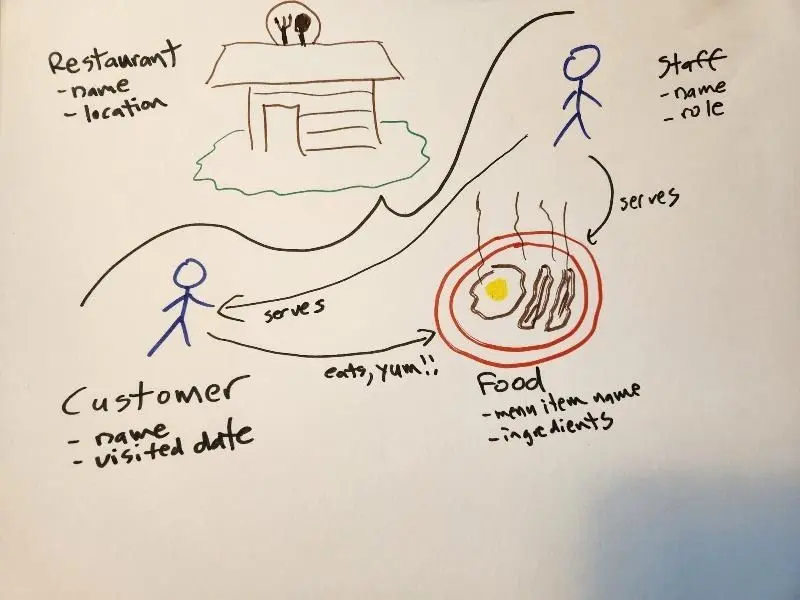
The landscape of software engineering is currently witnessing a renewed interest in high-level abstraction, driven by the complexities of enterprise systems and the rapid advancement of artificial intelligence. Central to this discussion is the concept of Model Oriented Programming (MOP), a paradigm that prioritizes the use of formal models to dictate the structure and behavior of software. While the technology has existed in various forms for decades, the journey of its development and its potential to revolutionize the current industry remains a subject of intense academic and professional scrutiny. This exploration is exemplified by the work of independent researchers and engineers who, over the past thirteen years, have sought to bridge the gap between abstract design and executable code through specialized Integrated Development Environments (IDEs) and languages like Mo+.
A Chronology of Model Oriented Development
The development of model-oriented technologies has followed a non-linear path, often intersecting with the rise of Object-Oriented Programming (OOP) and the subsequent demand for automated code generation. The timeline of Mo+, a fully featured model-oriented programming language and IDE, serves as a primary case study for this evolution.
In 2011, the initial framework for Mo+ was established, marking what is believed to be the first fully realized MOP language and environment designed for enterprise-scale projects. For several years, the technology was utilized successfully within private enterprise environments to streamline the development of complex systems. However, despite its internal success, the paradigm struggled to gain widespread commercial traction.
By 2014, Mo+ was integrated as a Visual Studio add-on, reflecting a period where the industry was heavily invested in Unified Modeling Language (UML) and Model-Driven Architecture (MDA). Following this peak of technical refinement, the lead developer made a significant career pivot in 2018, transitioning from software engineering to the traditional craftsmanship of building Viking and Anglo-Saxon ships in Northern Europe. This transition from digital modeling to physical maritime engineering highlights a fundamental human connection to structural design—a theme that continues to influence the theoretical development of MOP today.
Defining the Model: Structure versus Data
At the heart of Model Oriented Programming is a precise definition of what constitutes a "model." In a professional architectural context, a model is not merely a visual aid but a concise electronic representation of a complex system. It is defined by two primary components: structure and data.
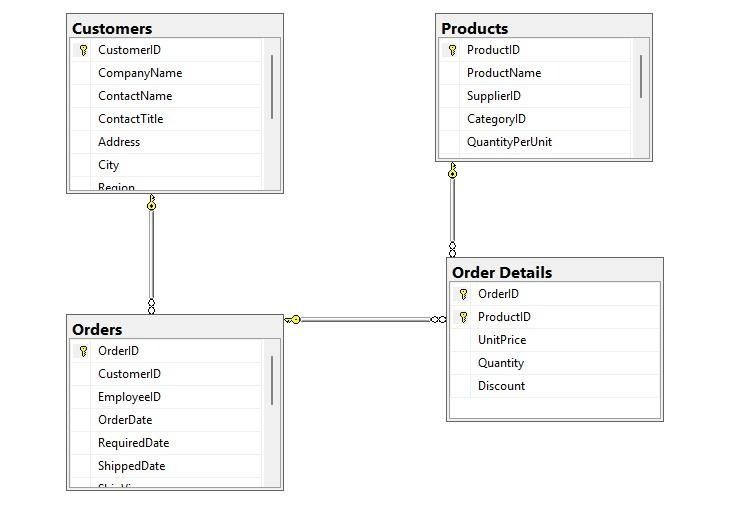
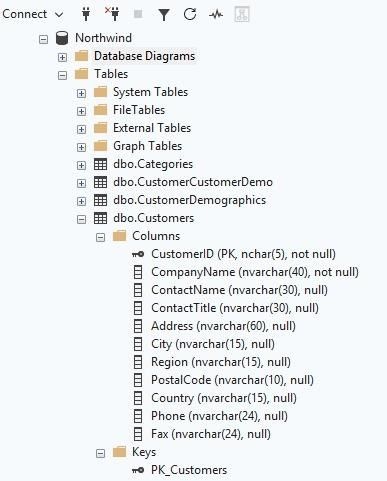
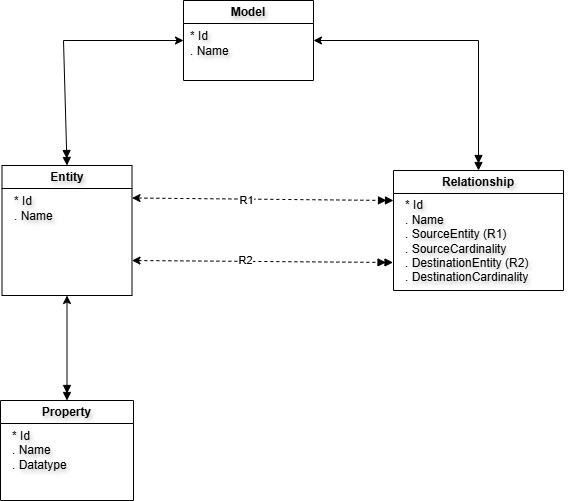
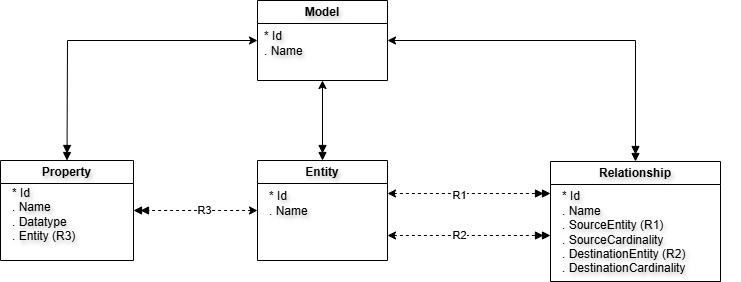
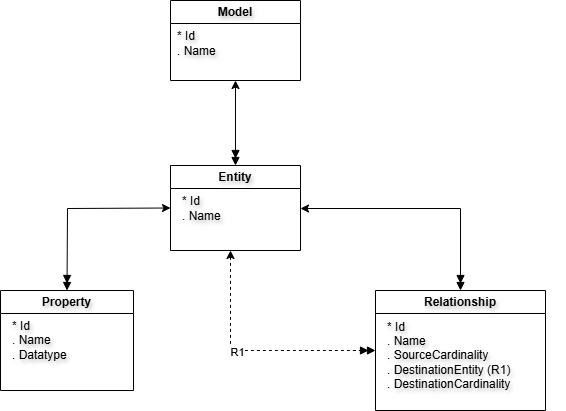
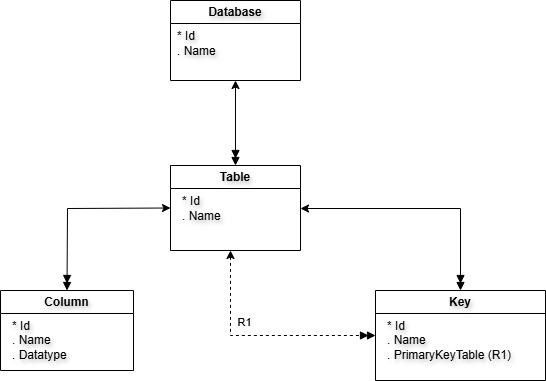
The structure of a model establishes the rules, or "schema," which are inherently hierarchical. This structure is composed of nodes and attributes. While critics often argue that relational databases are not hierarchical, MOP theorists point out that the schema itself—comprising databases, tables, columns, and keys—falls into a neat tree view when viewed through the lens of a model structure.
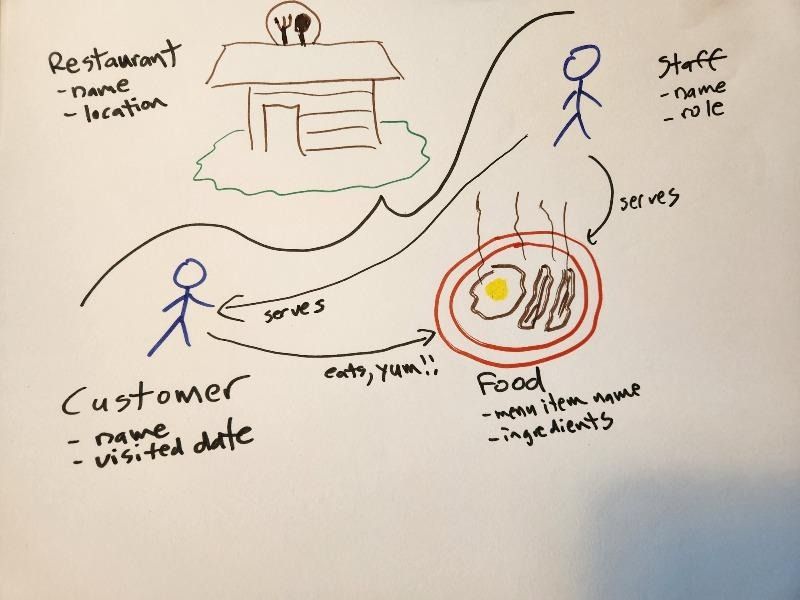
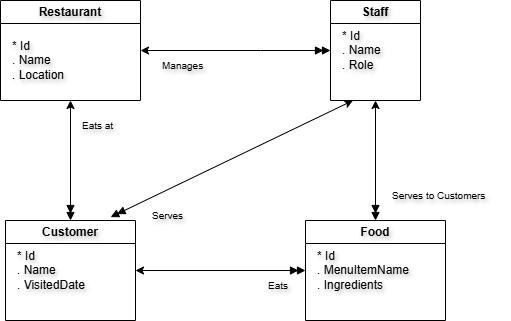
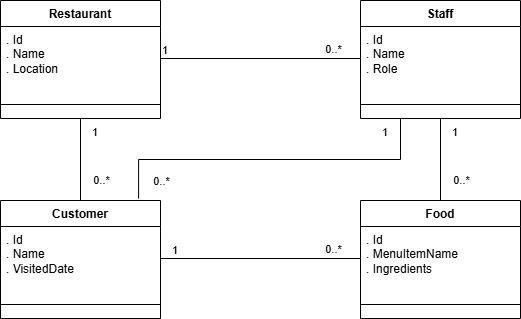
In this paradigm, model data is the information that populates the structure. For instance, in a restaurant management scenario, the "Entity" node (part of the structure) would be populated by data such as "Staff," "Customer," and "Food." This distinction is critical because it allows the programming language to interact with the architectural intent of the system rather than just the raw implementation details.
Taxonomy of Model Oriented Development (MOD)
To understand the broader impact of MOP, it is necessary to categorize the various forms of Model Oriented Development currently utilized in the industry.
Informal MOD
This represents the most basic level of modeling, often involving non-standardized sketches, whiteboard diagrams, or mental frameworks. While informal MOD is ubiquitous in brainstorming sessions, it lacks the electronic definition required for automated processing.
Inline MOD
Currently the most popular form of modeling, Inline MOD is integrated directly into software frameworks. Examples include Object-Relational Mappers (ORMs) like Entity Framework or NHibernate, and UI frameworks such as Angular and React. In these cases, the model is often defined within the code itself, allowing the framework to manage the underlying complexities of data persistence or interface rendering.
Coupled MOD
Coupled MOD involves the use of standardized modeling languages, most notably UML. In this approach, modeling tools and source code are tightly linked. Changes in the visual model are reflected in the code, and vice versa. While powerful, this method has often been criticized for the overhead required to maintain synchronization between the design and the implementation.
Decoupled MOD
In Decoupled MOD, the model serves primarily to clarify requirements and workflows, independent of specific software components. It utilizes methods like the Shlaer-Mellor method to outline data and workflow requirements. This form of MOD is highly abstract, where a single model element might correspond to multiple tables, classes, and services in the final system.
Key Features of a Model Oriented Programming Language
For a MOP language to be effective, it must possess features that distinguish it from traditional imperative or object-oriented languages. Research into Mo+ has identified several key innovations that enhance the developer’s ability to manipulate models.
The Programming Session and Sealed Data
A fundamental concept in MOP is the "Programming Session," a period where the model structure is known and the model data is "sealed" or read-only. This creates a stable snapshot of the system, allowing the interpreter to perform complex traversals and optimizations without the risk of state-related side effects.
Model Structure as Grammar
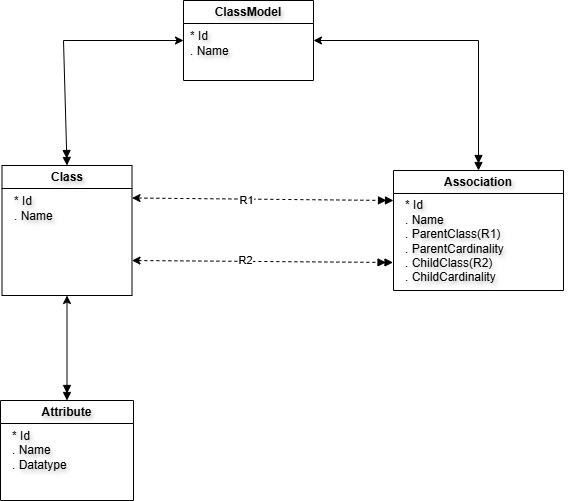
One of the most radical departures from traditional programming is the inclusion of the model structure directly into the language grammar. In a MOP language, nodes like "Entity" or "Property" are not just variables; they are keywords. This allows the programmer to write code that natively understands the hierarchy of the system, drastically reducing the boilerplate code required to navigate complex data structures.
The Model Context Stack
MOP utilizes a "Model Context" to access data from specific points in the hierarchy. By implementing this as a stack, the language allows for intuitive navigation (using notation similar to file system paths, e.g., ../Name) and powerful search capabilities. This enables "Model Oriented Properties"—independent bits of code that can be evaluated against different instances of a node, facilitating massive reusability.
Dynamic Grammar and Filters
A MOP language interpreter can implement a "Grammar Builder" that modifies the language’s syntax at runtime based on the model structure. This allows the language to adapt to non-standard or industry-specific models. Furthermore, "Grammar Filters" can be applied to prevent unintended consequences, such as restricting a "Transitional MOP" (used for code generation) from modifying the source model.
Implications for the AI-Driven Era
The rise of Artificial Intelligence and Large Language Models (LLMs) presents a significant opportunity for the resurgence of MOP. Current AI coding assistants often struggle with the "hallucination" of APIs or the misunderstanding of complex architectural intent. By providing a formal, model-oriented framework, developers can give AI a structured "ground truth" to work from.
Data suggests that the Low-Code Development Platform (LCDP) market, which relies heavily on model-driven principles, is projected to grow significantly, with some estimates placing the market value at over $180 billion by 2030. MOP offers a more professional, code-centric alternative to these "no-code" solutions, providing the abstraction benefits of low-code environments while maintaining the power and flexibility of traditional programming.
Industry Reactions and Future Outlook
While the industry has leaned toward Agile methodologies that prioritize working software over comprehensive documentation, the resulting "architectural drift" in large systems has led some senior architects to call for a return to more structured design.
"The challenge has always been the ‘mismatch’ between the model and the reality of the code," notes one hypothetical industry analyst. "Model Oriented Programming addresses this by making the model the primary vehicle for development, rather than a secondary artifact."
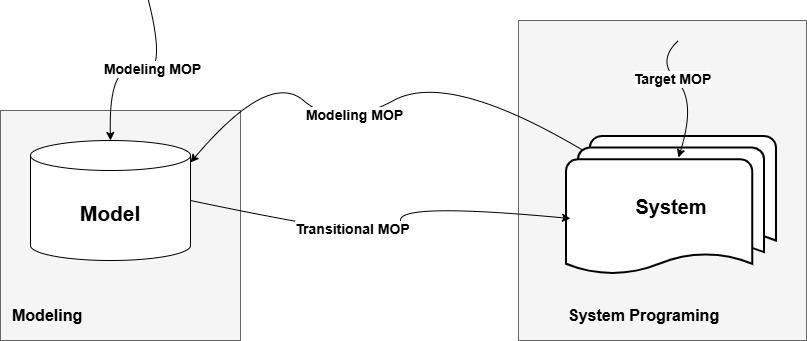
The potential for MOP to support "Transitional MOP" (creating target environments from models), "Modeling MOP" (programmatically managing models), and "Target MOP" (direct execution of models) remains a fertile ground for research. As software systems grow in scale and complexity, the ability to program at the level of the model—rather than the level of the individual line of code—may become not just an advantage, but a necessity.
The legacy of Mo+, now available as an open-source project on GitHub, stands as a testament to the viability of these ideas. As the developer continues to apply structural principles to the construction of historic ships, the software community is left to consider how these same principles of hierarchy, structure, and formal modeling might be used to navigate the increasingly turbulent seas of modern enterprise development.