Vera Intan Clara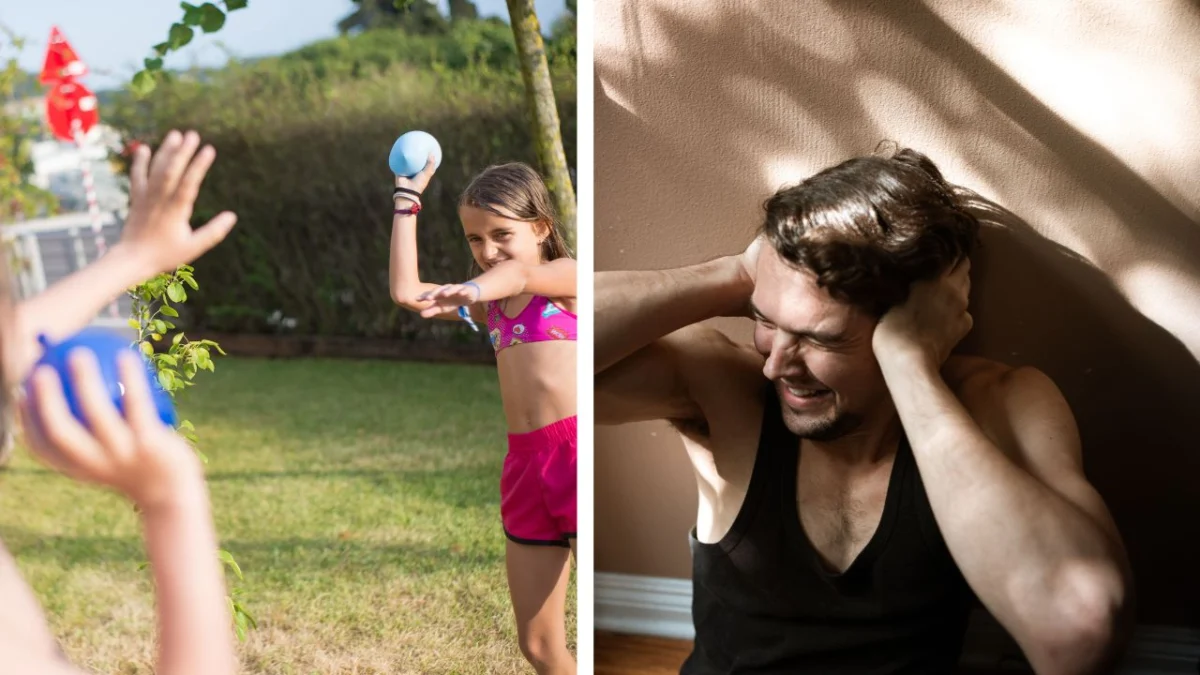
A Reddit user, operating under the pseudonym CalMaple, recently ignited a significant discussion on the r/BoyDinnerDiaries subreddit by sharing a deeply personal account of acquiring permanent, moderate hearing loss in one ear following an unprovoked water balloon incident. The post, which quickly gained traction, details a harrowing experience that began months ago during a festival in a foreign country, culminating in a medical diagnosis that has left the user grappling with profound grief, numbness, and dissociation. The narrative has resonated with thousands online, sparking a broader conversation about unexpected trauma, emotional processing, and the elusive nature of accountability in such unfortunate circumstances.
The Unforeseen Incident: A Festival Day Turned Traumatic
The genesis of CalMaple’s ordeal traces back several months to a lively festival atmosphere that took a sudden, dark turn. While attending the event in an undisclosed foreign nation, CalMaple became the target of a child wielding a water balloon. What might typically be dismissed as a playful, if mischievous, act quickly escalated into a damaging encounter. The user recounted that a child, described as "spoiled," launched a water balloon directly at their ear. The immediate impact was intensely painful, causing the user to double over.
What followed, according to CalMaple, compounded the initial injury with a sense of deliberate malice. "It was pretty clear that he was being a brat, since he kept pelting me even after I’d doubled over in pain clutching my ear," the Reddit user wrote in the original post. This detail underscores a crucial aspect of the incident: the child’s continued assault despite clear signs of distress, transforming a prank into an act with severe consequences. The lack of remorse or intervention at the scene left CalMaple not only physically hurt but also deeply bewildered by the child’s actions.
The Medical Odyssey: From Initial Pain to Permanent Diagnosis
Following the incident, CalMaple experienced persistent pain and discomfort in the affected ear. Recognizing the severity, the user sought medical attention. The initial doctor’s visit, however, did not immediately reveal a visible injury, a common occurrence with internal ear trauma. The physician diagnosed the condition as "barotrauma," a term describing physical damage to body tissues caused by a difference in pressure between a gas space inside, or adjacent to, the body and the surrounding fluid or gas. In this case, the force of the water balloon’s impact against the ear drum likely created a sudden pressure wave, injuring the delicate structures of the mid-ear.
Over the subsequent weeks, CalMaple’s hearing gradually deteriorated. What began as discomfort progressed to a noticeable and significant impairment. "Over several weeks, my hearing gradually declined. It got to the point where it felt like there was something preventing me from being able to hear by about fifty percent," CalMaple detailed. This progressive decline prompted further medical investigation, leading to a comprehensive hearing test. The results confirmed a "moderate" hearing impairment in the injured ear, a clinical classification indicating significant difficulty in hearing soft sounds and understanding speech, particularly in noisy environments.
Initially, medical professionals offered a glimmer of hope. They advised CalMaple that the ear might require up to six months to heal, suggesting that hearing could eventually improve. This prognosis provided a temporary emotional reprieve, fostering an expectation of recovery. However, a recent follow-up appointment shattered this hope. "I just went back in earlier today, and the doctor said I shouldn’t expect it to get better. He said that I’m past the recovery window, so the damage isn’t going to repair itself. I guess I just need to accept that I now have moderate hearing loss in one ear," CalMaple wrote, detailing the crushing blow of a permanent diagnosis. This definitive assessment marked a critical turning point, shifting the user’s perception from temporary affliction to lifelong impairment.
Understanding Barotrauma and Hearing Loss: Medical Context
Barotrauma, derived from "baro" (pressure) and "trauma" (injury), is a condition typically associated with rapid changes in atmospheric pressure, such as during diving, flying, or even forceful nose blowing. However, a direct, high-force impact, like that from a water balloon delivered with significant velocity and pressure against the ear, can similarly induce a sudden pressure differential capable of damaging the fragile structures of the middle and inner ear.
The human ear is a complex organ comprising the outer, middle, and inner ear. The eardrum (tympanic membrane) separates the outer and middle ear. Behind it, three tiny bones—the malleus, incus, and stapes—transmit sound vibrations to the cochlea in the inner ear, which then converts them into electrical signals for the brain. A sudden, intense pressure wave can cause:
- Eardrum perforation: A hole in the eardrum.
- Ossicular chain disruption: Damage or dislocation of the middle ear bones.
- Inner ear damage: Less commonly, but possible, damage to the cochlea or vestibular system, leading to sensorineural hearing loss or balance issues.
While CalMaple’s doctor initially found no visible injury, the subsequent decline in hearing and the "barotrauma" diagnosis strongly suggest internal damage, possibly to the ossicular chain or the inner ear, which is not always immediately apparent on otoscopic examination. Moderate hearing loss typically means a hearing threshold between 41 and 55 decibels (dB) HL. Individuals with moderate hearing loss often struggle with conversations, especially in background noise, and miss significant portions of speech. The "recovery window" mentioned by the doctor is crucial; for many forms of acute ear trauma, early intervention and the body’s natural healing processes offer the best chance of recovery. Once this window closes, particularly for nerve or structural damage, the changes can become irreversible.
According to the World Health Organization (WHO), over 5% of the world’s population – 430 million people – require rehabilitation for disabling hearing loss. While CalMaple’s case is unilateral and moderate, it contributes to the broader global challenge of hearing impairment, underscoring how even seemingly minor incidents can lead to significant, life-altering conditions.
The Emotional Aftermath: A Complex Void
Beyond the physiological diagnosis, the hearing loss has triggered a complex and agonizing emotional struggle for CalMaple. The user described feeling a profound "numbness," an inability to process the gravity of the situation fully. This emotional suppression manifests in two key ways: a refusal to acknowledge anger towards the child responsible and a forced sense of gratitude that the loss was not absolute.
"The hardest part is that I’m not sure how to feel about everything. I never even let myself get mad at the kid who threw the balloon, since it felt irrational to be upset at a child," CalMaple confessed. This sentiment reflects a common psychological defense mechanism, where individuals minimize their emotional response to avoid overwhelming feelings, especially when the perpetrator is perceived as not fully accountable due to age. However, suppressing anger can be detrimental, preventing healthy processing of trauma and loss.
Furthermore, CalMaple found solace, albeit a bittersweet one, in the fact that the hearing loss was "moderate" rather than "severe." "I kept telling myself that I should be happy that it’s only ‘moderate’ impairment as opposed to being ‘severe.’ I just feel kind of numb. It’s like I know I should let myself feel whatever I need to feel, but I’m not sure what that is," the user expressed. This phenomenon, often termed "toxic positivity" or "gratitude bypassing," can hinder authentic emotional processing. While gratitude for what isn’t lost can be healthy, using it to avoid confronting painful emotions like grief, anger, or sadness can lead to prolonged emotional stagnation.
Psychologists often refer to the emotional journey after acquiring a permanent disability or chronic condition as a grieving process, akin to grieving a death. Individuals may experience stages such as denial, anger, bargaining, depression, and eventually, acceptance. CalMaple’s description of numbness and dissociation aligns with early stages of this process, where the mind attempts to shield itself from overwhelming reality. Without fully engaging with these emotions, the path to true acceptance and adjustment can be prolonged and complicated.
Legal and Logistical Challenges in a Foreign Setting
The incident’s occurrence in a foreign country added a layer of complexity to CalMaple’s ordeal. In a reply to a comment, the user revealed that no legal action was pursued against the child’s parents. The immediate priority was to return home to seek proper medical attention, overshadowing any considerations of legal redress.
Navigating legal systems in a foreign country can be notoriously difficult, even for seemingly straightforward civil disputes. Differences in legal frameworks, language barriers, and the financial burden of international litigation often deter victims from pursuing justice. Furthermore, determining legal culpability when a minor is involved can be intricate. While parents are often held responsible for the actions of their minor children, the specific laws vary widely by jurisdiction. The absence of immediate witnesses or official reports at the time of the incident further complicates any potential legal claim. CalMaple’s decision to prioritize health over litigation, while understandable, highlights the practical barriers that can prevent victims of such incidents from achieving formal accountability.
The Internet Weighs In: Empathy, Advice, and Shared Experiences
CalMaple’s post, initially intended as a personal outlet for venting, transformed into a powerful catalyst for community engagement. Thousands of Reddit users responded with an outpouring of sympathy, shared personal experiences, and practical advice, underscoring the platform’s capacity for fostering connection and support.
Many commenters resonated deeply with CalMaple’s struggle, particularly the emotional void and the difficulty of processing anger. One user shared a strikingly similar experience: "I similarly lost partial hearing to a prank about a decade ago when a former friend locked me outside during a blizzard and I got severe frostbite in my ears and did a bunch of nerve damage. Most days I mildly dislike the guy, other days I hate him. Doesn’t change anything. Life still goes on. I feel for you man!" This comment not only validated CalMaple’s feelings but also offered a glimpse into the long-term psychological burden of such an injury.
Another user offered a philosophical perspective on coping with grudges: "Life sucks sometimes, but I’ve learnt it will always suck for at least as long as you hold a grudge. It’s just baggage. Serves no beneficial purpose. I’m sorry man. May boring people always sit on your half deaf side." This advice, while perhaps blunt, pointed towards the importance of releasing resentment for personal well-being, a common theme in discussions of trauma recovery.
Beyond empathy, some Redditors provided actionable advice, suggesting ways CalMaple could channel the experience into advocacy. A particularly thoughtful comment urged the user to consider broader public awareness: "Please reach out to the event coordinator, mayor, any social health authority, a celebrity, politician, local library or church, anybody! and send a letter in a bottle letting them know this happened. You may not get any justice but you can implore them to release a PSA to warn about water balloons and damage to hearing. You can save another person from experiencing this, and maybe that could give some kind of meaning to this loss. This kid never knew, none of the kids may never know, but with enough info-communication, we can fix this danger, the same as laser pointers to eyes and lawn darts." This suggestion highlights the potential for transforming personal tragedy into a constructive force for public safety, drawing parallels to past campaigns against seemingly innocuous but dangerous items.
Broader Implications: Public Safety and Parental Responsibility
CalMaple’s experience serves as a stark reminder that seemingly harmless activities can carry significant risks. Water balloon fights, particularly when uncontrolled or when involving aggressive behavior, are not without potential for serious injury. While often viewed as benign summer fun, the force of a water balloon, especially if filled densely or thrown at close range, can be considerable enough to cause eye injuries, concussions, or, as in this case, ear trauma.
This incident raises broader questions about public safety at festivals and events, as well as parental responsibility. Event organizers typically have a duty of care to ensure the safety of attendees. This might include rules against certain activities or adequate supervision. The lack of intervention when the child continued to pelt CalMaple suggests a potential lapse in either parental supervision or general event management. While it is challenging to police every interaction, particularly in a crowded festival environment, the incident underscores the need for greater awareness of potential hazards, even from seemingly innocent play.
The Reddit discussion also implicitly touches upon the concept of teaching children empathy and consequences. The description of the child as "spoiled" and unremorseful suggests a lack of understanding of the impact of their actions. Educators and child development experts emphasize the importance of guiding children to recognize and take responsibility for their behavior, especially when it causes harm to others.
The Path Forward: Acceptance and Potential for Advocacy
For CalMaple, the immediate future involves navigating life with a permanent moderate hearing impairment. This will necessitate adjustments, possibly including hearing aids, learning new communication strategies, and continuing to process the emotional ramifications of the injury. The journey from numbness to acceptance is often long and nonlinear, requiring self-compassion and, for many, professional psychological support.
The suggestion from the Reddit community to advocate for greater awareness offers a potential avenue for CalMaple to find meaning in this difficult experience. By sharing the story and highlighting the risks associated with water balloon incidents, particularly concerning delicate sensory organs, CalMaple could contribute to preventing similar injuries in the future. Such advocacy could involve collaborating with festival organizers, public health campaigns, or even educational initiatives aimed at children and parents about responsible play.
Ultimately, CalMaple’s story, shared through the informal yet powerful medium of Reddit, transcends a mere personal anecdote. It stands as a compelling case study on the unforeseen consequences of seemingly minor acts, the complexities of medical recovery, the profound impact of emotional trauma, and the vital role of community support and advocacy in navigating life-altering challenges.
The Daily Dot was unable to independently verify the events described in this post. The details above reflect the account shared in r/BoyDinnerDiaries by user CalMaple.