Vera Intan Clara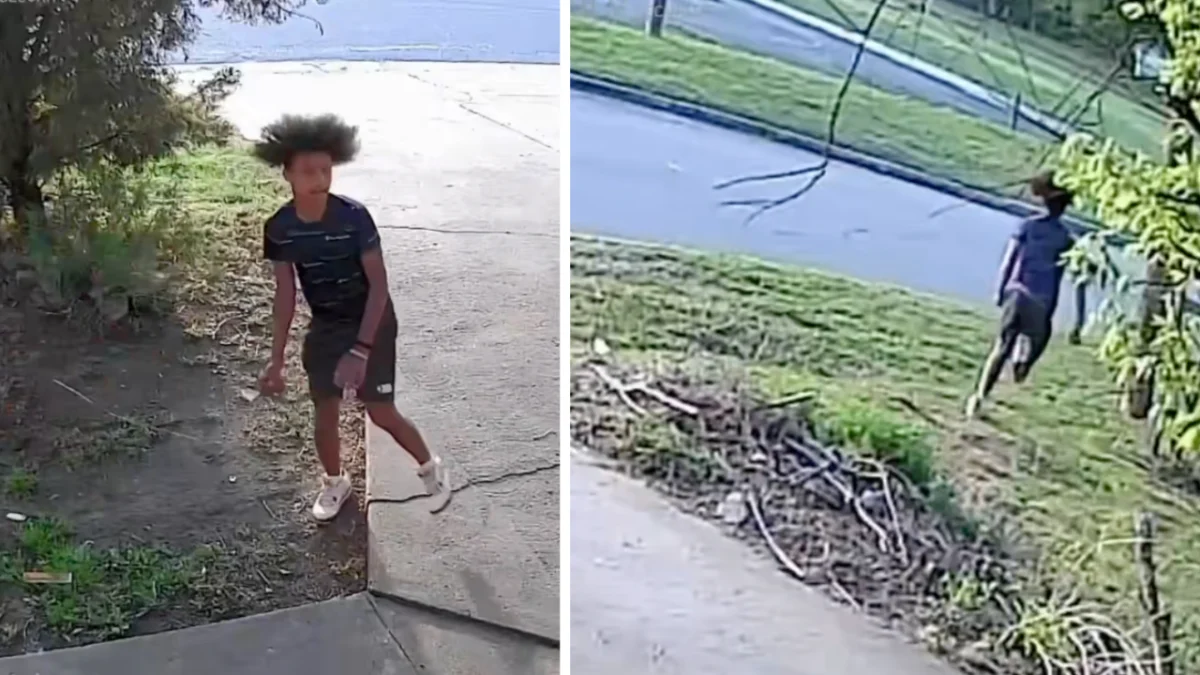
A recent move into a new neighborhood for a homeowner was marred by an act of vandalism, an incident captured in stark detail by newly installed security cameras. The footage, depicting a young individual throwing a rock through a window, quickly became a focal point of discussion across social media platforms, igniting a passionate debate about youth behavior, parental accountability, and the complexities of community dynamics. The incident serves as a modern parable for the intersection of personal security, digital surveillance, and public discourse.
Incident Unfolds: A Stressful Welcome
The homeowner, having recently relocated, took proactive measures to ensure her property’s safety by installing a comprehensive security camera system. This foresight proved critical when she discovered a broken window, a jarring and unwelcome surprise in her new surroundings. The damage prompted an immediate review of her surveillance footage, which unequivocally revealed the perpetrator: a young boy, whose deliberate act of throwing a rock through her window provided a stressful and disruptive introduction to her new community. The unsettling nature of the event, particularly for someone establishing roots in an unfamiliar area, underscored the vulnerability many feel when moving into new environments. This initial act of property damage not only caused financial inconvenience but also potentially fostered a sense of insecurity and unease in what should have been a period of settling in.
Chronology of the Vandalism and Discovery
The timeline of the incident begins with the homeowner’s recent relocation and her prudent decision to equip her new residence with modern security cameras. This step, increasingly common among homeowners, reflects a growing societal reliance on technology for personal and property protection. The cameras were in place and operational, silently recording the perimeter of the home.
The act of vandalism itself, as captured by the surveillance system, transpired swiftly. The video shows a young individual, identified as a teenage boy, approaching the property. He traverses the front yard, moving towards a tree situated on the property. From this vantage point, he selects a rock, a seemingly deliberate choice of projectile. With the object in hand, he then positions himself slightly closer to the house before executing a quick, forceful throw directed at one of the windows. Immediately after the impact, the boy is seen fleeing the scene, running back through the neighborhood with evident haste, presumably hoping to evade detection. The entire sequence, from approach to escape, suggests a calculated, albeit reckless, act.
The discovery of the broken window by the homeowner, presumably upon returning home, would have been the immediate trigger for reviewing the security footage. The initial shock of the damage would have quickly shifted to a clearer understanding of the event once the digital evidence was accessed. The clarity of the video, showing the boy’s actions in detail, left little room for doubt regarding the cause of the damage and the identity of the culprit. While the homeowners were not present to witness the event in real-time, the recorded evidence provided an irrefutable account, bringing a modern twist to traditional neighborhood mischief.
The Video Goes Viral: X (Twitter) Becomes a Forum for Debate
The decision to share the video on X (formerly Twitter) transformed a private incident of vandalism into a public spectacle and a catalyst for widespread discussion. The post, which included the caption, "A White woman moved into a new neighborhood and came home to her windows being smashed. She checked her security camera and saw this," quickly garnered significant attention. The mention of the homeowner’s race in the caption, while potentially intended as contextual information by the original poster, implicitly added another layer to the public’s interpretation and reaction, though the primary focus of the debate remained on the act of vandalism itself and the perpetrator’s age.
The platform’s inherent design for rapid dissemination and comment facilitation meant the video reached a diverse global audience, each member bringing their own perspectives and experiences to the debate. This digital amplification mechanism is characteristic of contemporary social issues, where local incidents can quickly transcend geographical boundaries and become subjects of broader societal commentary.
Commenters Divided: Accountability vs. Adolescent Indiscretion
The comment section beneath the video post quickly became a battleground of opinions, reflecting a deeply divided public sentiment. One faction vehemently condemned the boy’s actions, demanding strict accountability and emphasizing the severity of property crime. These users often pointed to parental responsibility, arguing that the child’s behavior was a direct reflection of a failure in upbringing. Comments such as, "His parents will surely pay for it since they’ve failed to raise him," and "That sucks and that’s really bad. Why would he do that? His parents need to put him in check cos with what he just did if he ain’t reprimanded he’s definitely going to do worse later. He needs to own up to his action and stop all that shenanigans he’s doing," encapsulated this sentiment.
Calls for legal consequences were also prominent among this group, with some advocating for the boy to face charges regardless of his juvenile status. "Arrest him and charge him. I don’t care if he’s a juvenile. He committed an adult crime. This type of vandalism can not be tolerated," one user asserted. Another commenter expressed frustration with perceived societal leniency towards such acts, stating, "Kid’s out here treating someone’s house like a free-to-play mobile game and the mayor’s over here acting like the white family’s the cheat code that broke the neighborhood. Bold strategy!" These reactions highlight a segment of the public that prioritizes law and order, advocating for firm punitive measures to deter future offenses and uphold community standards.
Conversely, another significant portion of commenters adopted a more lenient and understanding stance, attributing the boy’s actions to typical youthful exuberance, boredom, or a momentary lapse in judgment. This group often drew upon their own childhood experiences, suggesting that most individuals, at some point, engaged in similar forms of mischief. "Kids are going to be kids. You probably did worse when you were his age," one user remarked, while another offered, "That’s just a kid having fun; you can tell that he is bored." This perspective emphasizes the developmental stage of adolescence, where impulse control may be underdeveloped and the consequences of actions not fully grasped. They advocate for a more empathetic approach, perhaps focusing on corrective guidance rather than severe punishment, and highlight the potential for hypocrisy in adults condemning behavior they themselves might have exhibited in their youth.
Despite the divergence in opinions, a general consensus emerged that the boy’s actions were inappropriate and warranted some form of consequence, even if the nature and severity of those consequences remained a subject of contention. The debate underscored the complex challenge of balancing youthful indiscretion with the need for accountability and respect for private property.
Broader Context: Juvenile Delinquency and Property Crime
This incident, while seemingly isolated, taps into broader societal discussions surrounding juvenile delinquency and property crime. According to various national crime statistics, property vandalism by juveniles remains a persistent issue, often driven by factors such as boredom, peer pressure, a desire for attention, or a lack of understanding regarding the impact of their actions. Studies by organizations like the Office of Juvenile Justice and Delinquency Prevention (OJJDP) indicate that while serious violent crime by juveniles has generally declined in recent decades, offenses like vandalism, shoplifting, and minor assaults continue to represent a significant portion of juvenile arrests.
Psychological research suggests that adolescent brains are still developing, particularly in areas related to impulse control, risk assessment, and understanding long-term consequences. This developmental stage can contribute to impulsive behaviors that adults might find inexplicable. Furthermore, environmental factors, including the availability of recreational activities, parental supervision, and community engagement opportunities, play a crucial role in shaping youth behavior. Neighborhoods lacking in youth programs or safe spaces for recreation may inadvertently contribute to incidents of mischief born out of boredom or a search for excitement.
The rise of home security technologies, such as doorbell cameras and comprehensive surveillance systems, has significantly altered the landscape of crime detection and reporting. These devices provide undeniable evidence, reducing ambiguity in investigations and often leading to swifter identification of perpetrators. While highly effective for security, they also raise questions about privacy and the potential for public shaming when footage is shared widely online. The immediate and public nature of the X post illustrates this dual impact, providing clear evidence but also subjecting the minor to widespread public scrutiny.
Inferred Responses and Potential Implications
While the original article does not detail official responses, the public nature of the incident on social media invites consideration of potential next steps and broader implications.
- Homeowner’s Action: The homeowner, beyond posting the video, would likely face decisions regarding reporting the incident to law enforcement and pursuing restitution for the broken window. Filing a police report is a standard procedure for property damage, initiating a formal investigation.
- Law Enforcement Involvement: If reported, local police departments would typically investigate such vandalism. For juvenile offenders, the approach often involves a balance between accountability and rehabilitation. This might include a formal warning, mandatory participation in a diversion program (e.g., counseling, community service), or, in more severe or repeat cases, referral to the juvenile justice system, which could lead to court hearings, probation, or an order for restitution to the victim. The severity of the damage and the boy’s prior record (if any) would influence the outcome.
- Parental Accountability: The online debate heavily emphasized parental responsibility. Legally, parents can be held financially responsible for damages caused by their minor children, particularly in cases of vandalism. Beyond financial liability, the incident presents a critical opportunity for parents to address their child’s behavior, discuss consequences, and reinforce community values.
- Community Impact: Such incidents can either fracture or strengthen a neighborhood. A negative outcome might see increased distrust and vigilance, potentially leading to a more insular community. Conversely, a positive response could involve community leaders or neighborhood watch groups initiating discussions on youth engagement, fostering dialogue between residents, and implementing programs to prevent future occurrences, thereby strengthening community bonds through collective problem-solving.
- Legal Implications for the Minor: Depending on jurisdiction and the specific circumstances, the boy could face charges such as malicious mischief or property damage. While the juvenile justice system aims for rehabilitation over punitive measures, a record could still impact future opportunities. Restitution, requiring the boy or his family to pay for the damages, is a common outcome designed to teach accountability.
- Ethical Considerations of Online Shaming: The widespread sharing of the video on X raises ethical questions about public identification and potential shaming of minors. While the footage provides irrefutable evidence, the long-term impact of being publicly labeled as a vandal, even as a minor, can be significant. This highlights the tension between the desire for justice and the protection of a juvenile’s future.
Moving Forward: Fostering Responsible Citizenship
The incident serves as a stark reminder of the challenges inherent in fostering responsible citizenship among youth while simultaneously ensuring community safety and upholding the rule of law. The diverse reactions on X underscore the complex societal views on how to address juvenile transgressions—whether through strict punishment, empathetic understanding, or a blend of both.
Ultimately, incidents like this necessitate a multi-faceted approach. For homeowners, the value of security systems in deterring crime and providing evidence is clear. For communities, it highlights the importance of fostering environments where youth feel engaged, supervised, and understand the consequences of their actions. This might involve strengthening neighborhood watch programs, investing in local youth initiatives, and facilitating open communication between residents and local authorities. For parents, it reinforces the critical role they play in guiding their children, instilling values of respect for property and community, and ensuring accountability for their actions.
The digital age, with its instantaneous dissemination of information, ensures that such events no longer remain confined to local gossip but become subjects of global discussion, compelling societies to continually re-evaluate their approaches to justice, youth development, and community well-being. The homeowner’s broken window, therefore, represents more than just property damage; it embodies a complex social dilemma unfolding in real-time on the digital stage.