Chandra Wibowo
OKX Europe has proactively launched a crucial one-way conversion feature, empowering its customers to seamlessly transition their holdings of Tether’s USDt (USDT) into USD Coin (USDC). This strategic move offers a regulated and compliant migration path for European users as the European Union’s comprehensive Markets in Crypto-Assets (MiCA) regulations increasingly limit support for the world’s largest stablecoin. The initiative underscores OKX Europe’s commitment to navigating the evolving regulatory landscape and ensuring continued operational continuity for its clientele within the EU and European Economic Area (EEA).
The newly introduced feature allows customers to deposit Tether’s USDt into their OKX Europe accounts and then convert these tokens directly into USDC. This provides a direct and accessible route to a stablecoin that is well-positioned to comply with the stringent requirements of the MiCA framework. The development comes as Tether has not secured the necessary authorization to issue USDT under MiCA, prompting a wave of adjustments from various European crypto platforms. These adjustments have ranged from restricting USDT deposits and delisting trading pairs to automatically converting customer balances into MiCA-compliant alternatives. The full rollout of the EU’s MiCA framework on July 1 marked a significant turning point, accelerating these industry-wide adaptations.
OKX Europe articulated that the feature is specifically designed to assist customers whose existing platforms have ceased accepting USDT or are planning to migrate their balances to compliant assets. Notably, the exchange emphasized that these conversions can be executed at the discretion of the customer, thereby avoiding the imposition of platform-dictated deadlines, which can often lead to market volatility and user uncertainty. This customer-centric approach aims to alleviate potential anxieties associated with regulatory transitions.
The Shifting Sands of Stablecoin Regulation in Europe
The European Union’s MiCA regulation, which came into full effect in late 2024 and saw its final implementation phases complete by July 1, represents a landmark effort to establish a harmonized regulatory framework for crypto-assets across its member states. MiCA aims to foster innovation while simultaneously protecting investors, ensuring market integrity, and preventing illicit activities within the burgeoning digital asset sector. A core component of this regulation involves specific requirements for stablecoin issuers, including mandates regarding reserve composition, governance, and authorization procedures.
Under MiCA, stablecoins are categorized into "asset-referenced tokens" (ARTs) and "e-money tokens" (EMTs), with varying regulatory obligations depending on their underlying mechanism and intended use. Issuers of ARTs, which are pegged to a basket of assets or other cryptocurrencies, and EMTs, which are pegged to a single fiat currency, must obtain authorization from a competent supervisory authority within the EU. This authorization process typically involves rigorous assessments of business models, risk management frameworks, and the quality and transparency of reserves backing the stablecoin.
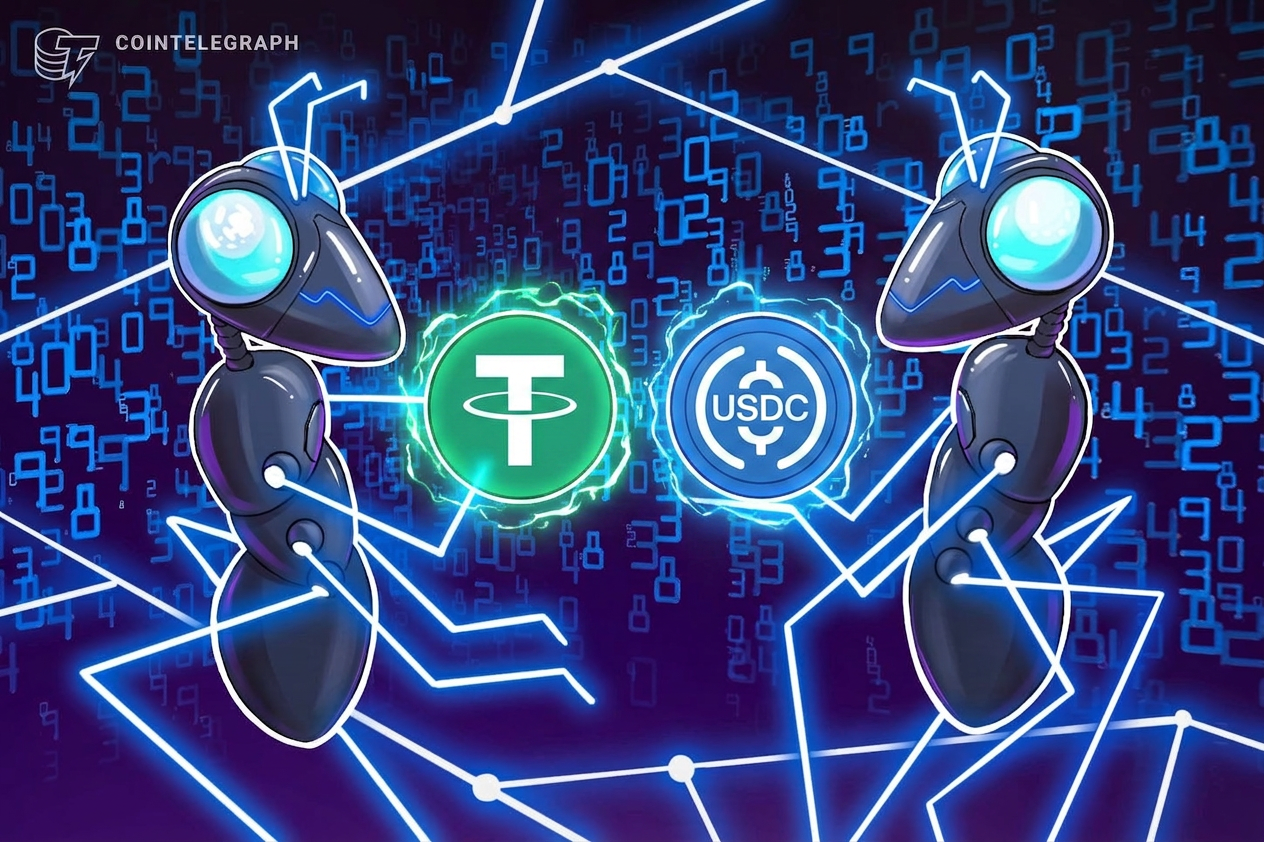
Tether’s decision not to pursue MiCA authorization for USDT has placed it in a precarious position within the European market. While USDT remains the dominant stablecoin globally by a significant margin, its non-compliance with MiCA has triggered a cascade of responses from exchanges and financial institutions operating within the EU. This regulatory divergence creates a complex environment for users who hold USDT and wish to continue engaging with the European crypto ecosystem.
Tether’s Stance on MiCA and its Implications
Tether’s refusal to seek MiCA authorization stems from its leadership’s critique of the regulation’s specific requirements. Paolo Ardoino, Tether’s CEO, has publicly voiced concerns that certain aspects of MiCA, particularly those mandating a portion of reserves to be held with European credit institutions, could introduce "unnecessary risks" for stablecoin issuers. In a previous interview with Cointelegraph in May 2025, Ardoino described the framework as potentially "very dangerous when it comes to stablecoins," indicating that Tether had opted against pursuing authorization despite anticipating a decline in support on European exchanges.
This stance reflects a strategic decision by Tether to prioritize its operational model and risk appetite over immediate compliance with European regulations. Ardoino reiterated this position in a post on X in July 2025, stating that Tether would only reconsider seeking MiCA authorization "when MiCA becomes safer for consumers and stablecoin issuers." This suggests a long-term perspective, where Tether awaits potential modifications to the MiCA framework that align better with its own operational philosophy.
The consequence of this decision is a growing number of European platforms implementing measures to distance themselves from USDT. Recent examples include digital banking platform Revolut, which announced it would cease supporting USDT for customers in the European Economic Area and Switzerland. Revolut provided users with a deadline of August 31 to sell or withdraw their holdings, after which any remaining balances would be automatically converted into their base currency. Such actions by prominent financial institutions highlight the tangible impact of MiCA compliance on the accessibility of USDT within Europe.
USDT’s Dominance vs. USDC’s Regulatory Advantage
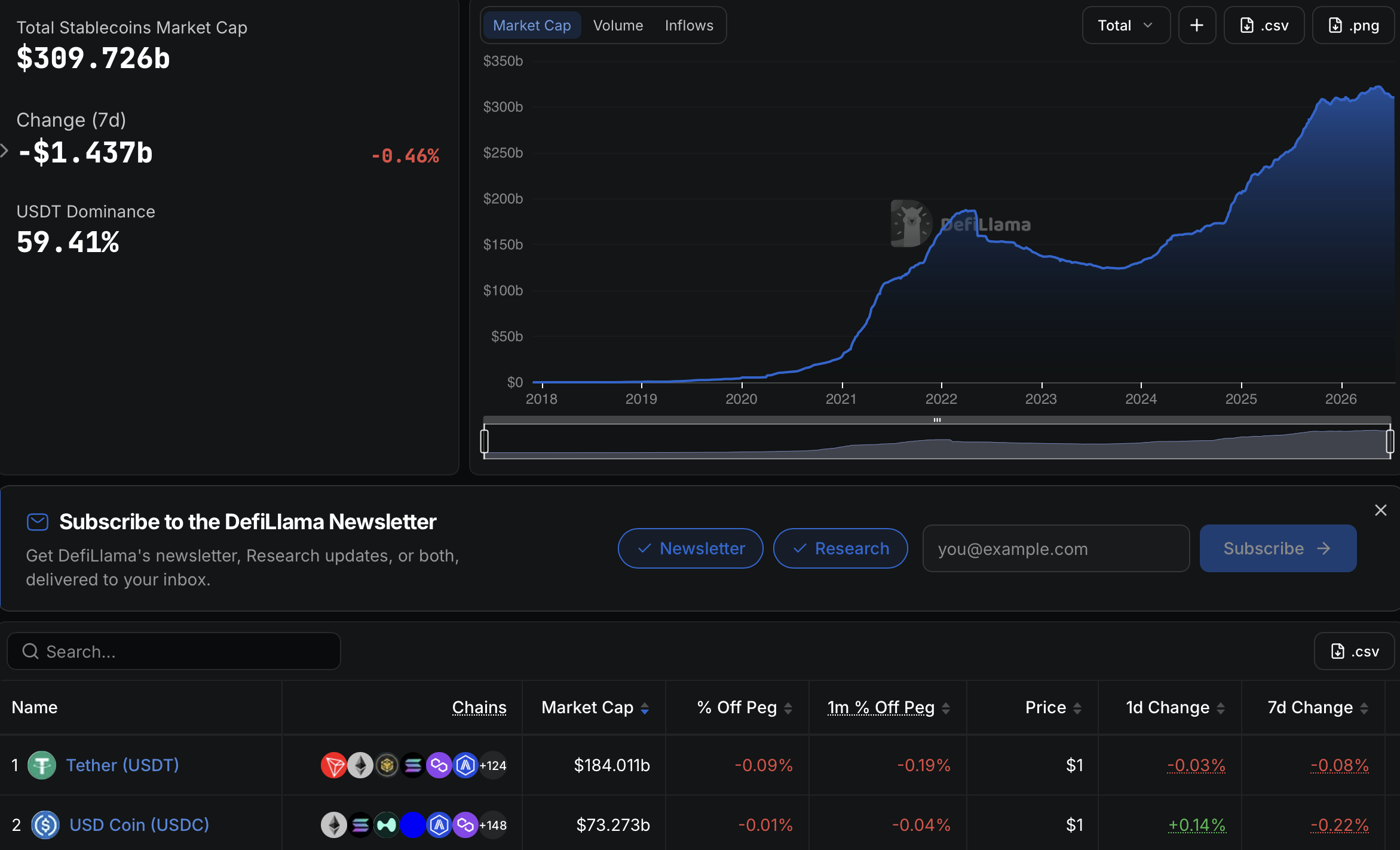
Despite the regulatory headwinds in Europe, USDT continues to hold a commanding position in the global stablecoin market. Data from DefiLlama reveals that Tether accounts for approximately 59% of the nearly $310 billion stablecoin market. With a market capitalization of roughly $184 billion, USDT significantly overshadows its closest competitor, Circle’s USDC, which has a market capitalization of about $73 billion. This disparity underscores USDT’s widespread adoption and deep liquidity across the cryptocurrency ecosystem.
However, within the European Union, the regulatory landscape is shifting the balance. USDC, issued by Circle, has positioned itself as a MiCA-compliant alternative. Its focus on transparency, regulatory adherence, and robust reserve management has made it a preferred choice for platforms and users seeking to navigate the EU’s new digital asset regime. OKX Europe’s decision to facilitate the conversion to USDC directly reflects this market dynamic, prioritizing a compliant and future-proof solution for its European clientele.
OKX Europe’s operational scope covers customers across 30 EU and EEA countries, all under its MiCA license. This broad reach necessitates a proactive approach to regulatory compliance, ensuring that its services remain accessible and secure for its diverse customer base. The launch of the USDT-to-USDC conversion feature is a testament to this commitment, providing a tangible solution for users facing potential disruptions to their USDT holdings.
Broader Implications and Industry Trends
The move by OKX Europe is indicative of a broader trend within the cryptocurrency industry: the increasing divergence between global market dominance and regional regulatory compliance. While stablecoins like USDT may maintain their leading positions worldwide due to their established liquidity and broad adoption, their accessibility within specific regulated jurisdictions like the EU is becoming increasingly contingent on their ability to meet local regulatory standards.
This bifurcation presents both challenges and opportunities. For established stablecoins, it necessitates strategic decisions regarding regulatory engagement and potential adaptation of their operational models. For compliant stablecoins like USDC, it opens avenues for increased market share and adoption within regulated territories.
The long-term implications of MiCA and similar regulatory frameworks in other jurisdictions are likely to shape the stablecoin landscape significantly. As regulators globally grapple with the complexities of digital assets, the emphasis on transparency, investor protection, and financial stability will continue to drive the evolution of stablecoin issuance and usage. Platforms that can effectively navigate this evolving regulatory environment, such as OKX Europe, are poised to maintain a competitive edge and foster user trust.
The OKX Europe USDT-to-USDC conversion feature represents a significant step in this direction, offering a practical and timely solution for European users. By providing a regulated migration path, OKX Europe is not only ensuring continuity for its customers but also reinforcing its position as a responsible and forward-thinking participant in the European digital asset market. The ongoing dialogue between stablecoin issuers, exchanges, and regulators will undoubtedly continue to shape the future of stablecoins and their integration into the global financial system. This particular development highlights the immediate and practical consequences of regulatory frameworks on the day-to-day operations of crypto platforms and the choices available to their users.