Metty Iskandar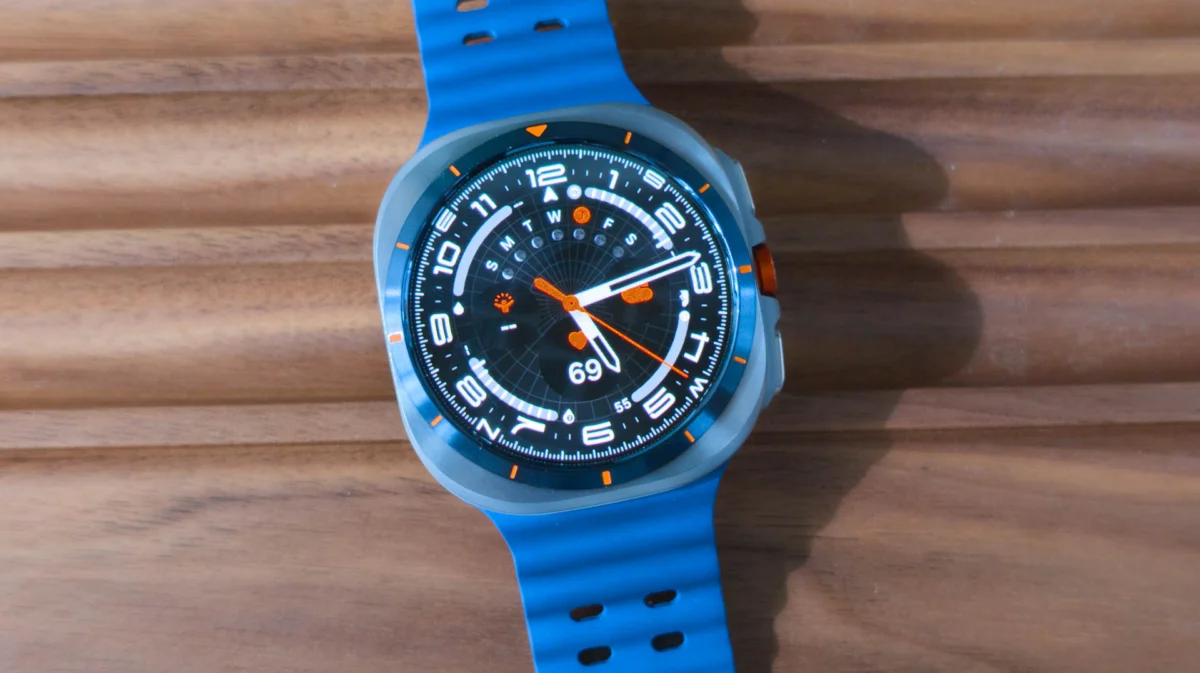
Samsung is on the cusp of unveiling its latest generation of smartwatches, with the highly anticipated Galaxy Watch 9 and Galaxy Watch Ultra 2 set to be officially announced tomorrow. However, a substantial leak from Roland Quandt of WinFuture appears to have preempted the company’s launch event, revealing comprehensive specification sheets for both devices, alongside their projected European pricing. This follows a similar leak from tipster Evan Blass yesterday, which highlighted key features such as the new Snapdragon Wear Elite processor and enhanced health monitoring capabilities.
A Deep Dive into the Leaked Specifications
The detailed information provides an unprecedented look at what consumers can expect from Samsung’s next flagship wearables. Both the Galaxy Watch 9 and the more rugged Galaxy Watch Ultra 2 will share the new Qualcomm SDW6100 processor, a 3nm penta-core chip promising enhanced performance and efficiency. This marks a significant step forward in wearable processing power, a crucial element for the seamless operation of advanced health sensors and the fluid execution of the Wear OS Powered by Samsung (Wear OS 7) operating system, overlaid with the One UI 9 Watch interface.
Display and Durability: A Tale of Two Watches
A key differentiator between the two models lies in their display technology and build robustness. The Galaxy Watch Ultra 2, positioned as the premium, adventure-ready option, will feature a 1.52-inch Super AMOLED display protected by Sapphire Crystal, boasting an impressive peak brightness of up to 5000 nits. Its display resolution will be 498 x 498 pixels. Critically, the Ultra 2 is engineered for extreme conditions, with specifications including 10ATM+ water resistance, IP69K dust and water ingress protection, MIL-STD-810H military-grade durability, and EN13319 certification, which is specifically for underwater equipment, suggesting a strong focus on diving and water sports. The case dimensions are listed as 47.4 x 47.1 x 10.7mm, with a weight of 61.5g. Available colors for the Ultra 2 are Titanium Silver and Titanium Gray.
In contrast, the Galaxy Watch 9 will be offered in two sizes: 44mm and 40mm. Both will also feature Sapphire Crystal displays, with the 44mm variant sporting a 1.47-inch screen (480 x 480 pixels) and the 40mm model a 1.34-inch screen (438 x 438 pixels). These displays will also be Super AMOLED with an always-on functionality, but with a lower peak brightness of up to 3000 nits. The durability ratings for the Galaxy Watch 9 are 5ATM+ water resistance, IP68 dust and water ingress protection, and MIL-STD-810H compliance, making it suitable for everyday wear and moderate athletic activities. The 44mm model measures 46.0 x 43.7 x 8.6mm and weighs 34.0g, while the 40mm model is 42.7 x 40.4 x 8.6mm and weighs 31.5g. Color options for the Galaxy Watch 9 include Graphite, Silver (for the 44mm model), and Graphite and Cream (for the 40mm model).
Performance and Storage: A Generous Upgrade
Both models will come equipped with 2GB of RAM, a standard for high-performance smartwatches. However, storage capacity sees a notable divergence. The Galaxy Watch Ultra 2 will offer a substantial 64GB of internal storage, allowing users to store more music, apps, and data directly on the device. The Galaxy Watch 9, on the other hand, will come with 32GB of storage, which is still ample for most users’ needs.
Battery Life and Charging: Enhanced Endurance
Samsung appears to have addressed one of the most critical aspects of smartwatch usability: battery life. The Galaxy Watch Ultra 2 will feature a significantly larger 800 mAh battery, a considerable increase aimed at supporting its more demanding features and larger display. The Galaxy Watch 9 will also see battery improvements, with the 44mm version housing a 445 mAh battery and the 40mm version a 390 mAh battery. Both models will support fast charging, utilizing WPC-based wireless charging technology. The Ultra 2 is specified to use "High-Frequency Fast Charging," suggesting a potentially quicker replenishment rate.
Connectivity and Sensors: Comprehensive Health and Location Tracking
Connectivity options are robust across both devices, with LTE, Bluetooth 6.0, dual-band Wi-Fi (2.4GHz + 5GHz), and NFC. A significant upgrade for both models is the inclusion of L1+L5 dual-frequency GPS, which provides more accurate and reliable location tracking, particularly in challenging environments like dense urban areas or under heavy tree cover.
The sensor suite is largely consistent, featuring Samsung’s BioActive Sensor, which combines an optical biosensor, electrical heart signal monitoring, and bioelectrical impedance analysis. Both watches also include a temperature sensor, accelerometer, barometer, gyroscope, geomagnetic sensor, and light sensor. This comprehensive array of sensors underpins Samsung’s continued focus on advanced health and wellness tracking.
New Health and Fitness Features
Beyond the core specifications, the leaked documents hint at specialized workout modes and health-focused features. The Galaxy Watch Ultra 2, in particular, is expected to introduce a dedicated trail-running mode, catering to outdoor enthusiasts. Furthermore, a novel "Nutrition Alert" feature is mentioned, which will reportedly leverage perspiration analysis to provide insights. For aquatic adventurers, an exclusive app for divers is anticipated to be released later in the year, further cementing the Ultra 2’s positioning as a device for extreme sports.
Pricing Implications: A Premium Outlook
The leaked European pricing suggests a price increase for Samsung’s latest smartwatch offerings. The 40mm Galaxy Watch 9 is projected to cost €409 (approximately $466 USD) for the Bluetooth version and €459 (approximately $523 USD) for the LTE variant. The larger 44mm Galaxy Watch 9 is expected to retail for €439 (approximately $500 USD) with Bluetooth and €489 (approximately $557 USD) with LTE.
The premium Galaxy Watch Ultra 2 is anticipated to command a significantly higher price point, with a projected cost of €749 (approximately $854 USD). These figures represent a notable increase compared to the current generation of Samsung smartwatches in Europe. While regional pricing strategies can vary, these European price points may offer an indication of potential US pricing, although direct conversion is not always indicative of the final market price.
Context and Anticipation: The Unpacked Event
Samsung’s annual "Unpacked" events have become a cornerstone of its product launch calendar, generating significant buzz and anticipation within the tech community. This year’s event, scheduled for tomorrow, is expected to not only unveil the new Galaxy Watch lineup but also potentially other flagship devices like the next generation of foldable phones. The continuous stream of leaks in the days leading up to the official announcement highlights the intense scrutiny and interest surrounding Samsung’s product development.
The timing of these leaks is strategic for tech publications, allowing for early analysis and comparison of expected features against the current market landscape. The leaked specifications for the Galaxy Watch 9 and Ultra 2 suggest Samsung is not only aiming to maintain its competitive edge but also to push boundaries in wearable technology, particularly in performance, durability, and health tracking capabilities.
Analysis of Implications: A Strategic Move in the Wearable Market
The proposed specifications and pricing for the Galaxy Watch Ultra 2 and Galaxy Watch 9 indicate a clear strategy from Samsung. The Ultra 2 is positioned to directly challenge established rugged smartwatches in the market, offering a compelling blend of advanced technology, robust build quality, and specialized features for outdoor enthusiasts and athletes. The increased price reflects the premium materials, enhanced durability, and potentially more sophisticated sensor technology incorporated into this model.
For the Galaxy Watch 9, the improvements in battery life, processor, and display brightness suggest a commitment to refining the core smartwatch experience for a broader audience. The pricing, while showing an increase, still aims to remain competitive within the premium smartwatch segment. The dual-frequency GPS across both models is a particularly noteworthy upgrade, addressing a common pain point for users who rely on accurate navigation during outdoor activities.
The decision to equip both the standard and ultra models with the same new processor, the Qualcomm SDW6100, signifies a unified approach to performance across the lineup. This allows Samsung to focus on differentiating the devices through their design, durability, battery capacity, and specific feature sets, rather than relying solely on processor variations.
The inclusion of Wear OS 7 and One UI 9 Watch points to continued collaboration with Google and Samsung’s ongoing efforts to optimize the Wear OS platform for its hardware. This partnership has been crucial in enhancing the app ecosystem and overall user experience for Galaxy smartwatches.
As the official Unpacked event approaches, consumers and industry analysts will be keenly observing Samsung’s formal announcements to confirm these leaked details and to understand the full scope of their new smartwatch offerings, including any software innovations or ecosystem integrations that may have been omitted from the leaks. The market is set for a significant refresh, and Samsung appears poised to make a strong statement in the competitive wearable technology arena.