Galang Taruna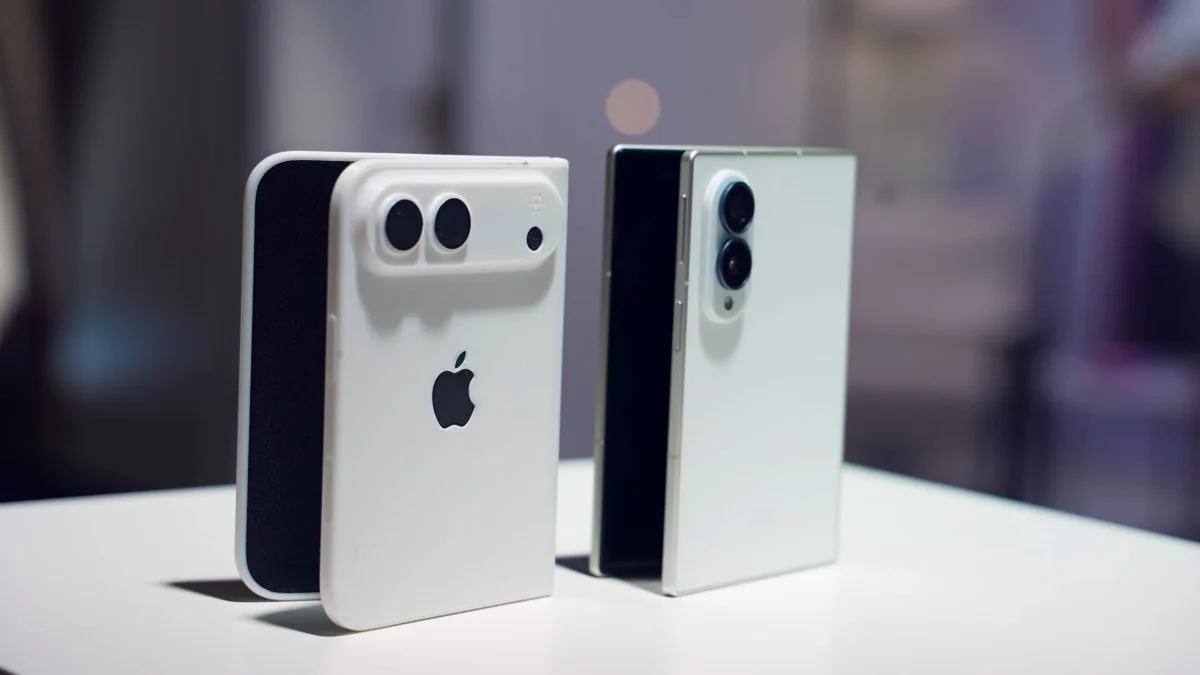
The recent unveiling of the Samsung Galaxy Z Fold 8 has sent ripples through the technology world, not only for its innovative "passport" form factor but also for the striking parallels it draws with the long-rumored Apple iPhone Ultra. Launched during Samsung’s summer Galaxy Unpacked event, the Galaxy Z Fold 8, alongside the Galaxy Z Fold 8 Ultra and Galaxy Z Flip 8, marks a significant evolution in Samsung’s foldable smartphone lineup. Central to this evolution is a groundbreaking display technology dubbed Flex Titanium, designed to enhance durability, reduce thickness, and minimize the visible crease—innovations that could very well find their way into Apple’s anticipated foldable device, given Samsung’s established role as a key component supplier to its Cupertino rival.
Samsung’s Latest Innovation: The Galaxy Z Fold 8 and Flex Titanium
The Samsung Galaxy Z Fold 8 has officially arrived, introducing a compact, passport-like form factor that represents a bold new direction for the brand’s foldable devices. Priced at 1999 euros, this iteration departs from the wider aspect ratio of its predecessors, offering a more pocketable and ergonomic design when folded. Initial hands-on impressions have highlighted the device’s enhanced portability and comfortable grip, making it a compelling option for users seeking a foldable that blends seamlessly into daily life. This design choice, a notable shift from previous generations, underscores Samsung’s continuous efforts to refine the user experience of foldable smartphones.
Beyond its revamped physical dimensions, the Galaxy Z Fold 8 showcases a significant leap in display technology with the introduction of "Flex Titanium." This proprietary innovation aims to address some of the most persistent challenges in foldable screen design: durability, thickness, and the prominent crease. Flex Titanium integrates two robust layers beneath the main OLED panel: a titanium plate and a titanium alloy film. This composite structure is engineered to provide superior strength and resilience to the foldable display, allowing it to withstand repeated folding cycles more effectively than previous designs. Simultaneously, the technology enables a thinner display stack, liberating valuable internal space for other components and contributing to the device’s overall slimmer profile. Crucially, Flex Titanium is also designed to attenuate the visibility of the crease, an aesthetic and tactile concern that has long been a point of contention for foldable users. This advancement is a testament to Samsung Display’s relentless pursuit of perfection in flexible screen technology, aiming to deliver a viewing experience that is as seamless as possible.
The Enigmatic Apple iPhone Ultra: A Foldable Contender
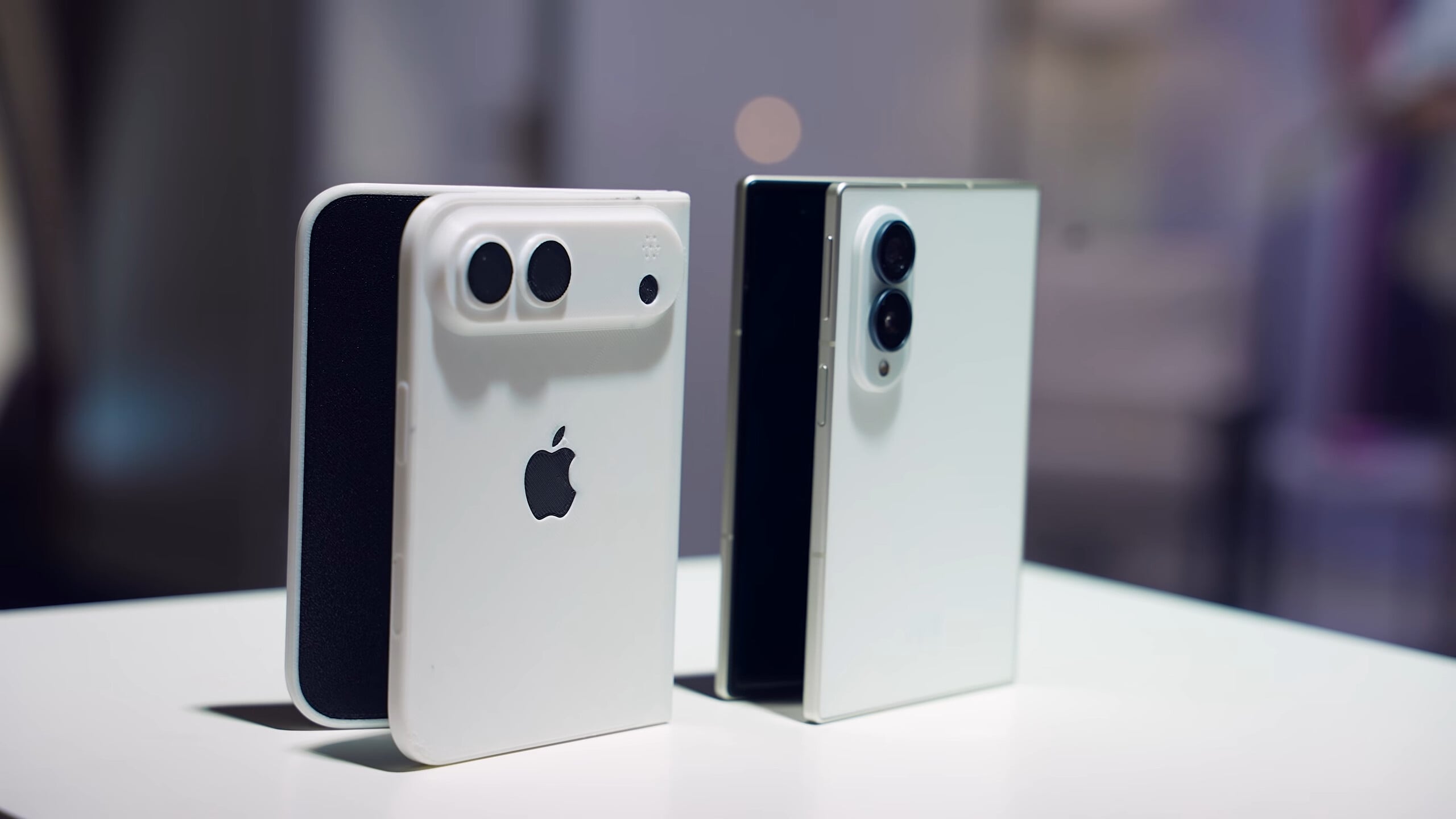
While the Galaxy Z Fold 8 commands immediate attention, the shadow of another highly anticipated device looms large: the future iPhone Ultra, widely speculated to be Apple’s inaugural foray into the foldable smartphone market. Rumors and patent filings have painted a picture of an Apple foldable device that could adopt a similar "passport" format, mirroring the compact design now seen in the Galaxy Z Fold 8. This resemblance has been brought into sharp relief through 3D-printed mock-ups, which allow for a direct physical comparison between Samsung’s new device and Apple’s potential design, highlighting a surprising convergence in form factor strategy between the two industry titans.
Apple’s entry into the foldable segment is expected to be a meticulously planned event, consistent with its historical approach to new product categories. The company typically waits for technologies to mature and for market acceptance to solidify before launching its own, often highly polished, interpretations. The "Ultra" moniker, already associated with Apple’s highest-tier products like the Apple Watch Ultra, suggests that their foldable iPhone would be positioned as a premium, cutting-edge device, likely integrating proprietary software optimizations and a robust ecosystem experience designed to justify its anticipated high price point. The potential for such a device has ignited widespread excitement among consumers and analysts alike, eager to see Apple’s unique take on a form factor that has been predominantly shaped by Samsung.
A Tale of Two Tech Giants: Competition and Collaboration
The relationship between Samsung and Apple is a fascinating blend of fierce competition and indispensable partnership. While they vie for market dominance in the global smartphone arena, Samsung has long served as a critical supplier of components for Apple’s iconic devices. This intricate dynamic is particularly evident in the display sector, where Samsung Display, a subsidiary of Samsung Electronics, has been a leading provider of OLED panels for various iPhone models. This established supply chain relationship naturally leads to speculation about potential technology sharing, especially concerning advanced display components.
For the rumored iPhone Ultra (or iPhone Fold, as it’s sometimes referred to), industry whispers strongly suggest that Samsung Display would indeed be the primary supplier of the foldable panels to Apple. This prospective partnership raises a pertinent question: will Apple leverage Samsung’s latest Flex Titanium technology for its own foldable device? Given the substantial investment Samsung has made in developing Flex Titanium to enhance durability, reduce thickness, and minimize the crease—all critical areas for a premium foldable—it would be a logical step for Apple to consider adopting this proven technology. The decision would allow Apple to benefit from Samsung’s R&D without incurring the same development costs and risks, potentially accelerating its entry into the foldable market with a display solution already validated by millions of Samsung users. This symbiotic relationship, where a competitor supplies a crucial component to its rival, underscores the complex interdependencies within the global technology supply chain, where innovation often transcends traditional competitive boundaries.
The Flex Titanium Question: Will Apple Adopt Samsung’s Innovation?
The prospect of Apple utilizing Samsung’s Flex Titanium display technology for its iPhone Ultra is a topic of intense speculation. If Apple were to adopt Flex Titanium, its foldable device would likely benefit from the same improvements in screen durability, reduced thickness, and diminished crease visibility that Samsung is touting for the Galaxy Z Fold 8. This would provide Apple with a robust and refined foldable display, potentially setting a high bar for its debut in the foldable market. The composition of Flex Titanium, with its titanium plate and alloy film layers beneath the OLED panel, offers a sophisticated solution to the mechanical stresses inherent in folding screens.
However, a counter-narrative also circulates, suggesting that Apple might pursue a different display strategy. Some reports indicate that the iPhone Ultra could employ a unique approach involving two layers of ultra-thin glass (UTG) sandwiching the OLED panel. This contrasts with Samsung’s current implementation, which typically uses a single layer of UTG over the OLED panel, complemented by the Flex Titanium substructure. The dual-glass layer concept, if successfully implemented, could offer even greater rigidity and potentially an even more imperceptible crease, albeit with possible implications for the display’s overall thickness and flexibility. Apple’s preference for tightly controlled, proprietary technologies and its reputation for meticulous engineering suggest that it might opt for a solution that it perceives as offering superior performance or a more unique user experience, even if it involves greater development challenges. The choice between these display architectures will be a critical factor in defining the durability, aesthetic, and tactile feel of the iPhone Ultra.
Display Technology Deep Dive: Flex Titanium vs. Dual-Glass UTG
To fully appreciate the implications of Apple’s potential display choice, it is essential to understand the technical nuances of Flex Titanium and the rumored dual-glass UTG approach.

Flex Titanium (Samsung’s Approach):
- Structure: Comprises an OLED panel, a single layer of ultra-thin glass (UTG) above it, and two sub-layers below—a titanium plate and a titanium alloy film.
- Purpose: The titanium layers primarily provide structural integrity, enhancing the display’s durability against repeated folding, reducing overall thickness, and mitigating the visual prominence of the crease. The UTG layer offers a smooth, protective surface for the user interface.
- Benefits: Proven in Samsung’s latest generation of foldables, it offers a balanced approach to durability, thinness, and crease management. Samsung’s extensive manufacturing experience with this technology could mean higher yields and lower production costs.
- Challenges: While improved, the crease might still be faintly perceptible under certain lighting conditions, and the long-term durability of the UTG itself remains an ongoing area of refinement.
Dual-Glass UTG (Rumored Apple Approach):
- Structure: Would involve an OLED panel sandwiched between two distinct layers of ultra-thin glass.
- Purpose: The primary goal of a dual-UTG setup would be to maximize the rigidity and flatness of the display when unfolded, potentially leading to an almost entirely crease-free experience. The two layers could offer enhanced protection against impacts and scratches.
- Benefits: Could deliver a significantly smoother and more tablet-like experience when unfolded, potentially superior to current single-UTG designs in terms of crease reduction and structural integrity.
- Challenges: Implementing two flexible UTG layers without significantly increasing the display’s thickness or reducing its flexibility is a formidable engineering feat. Manufacturing complexity and cost would likely be higher, and achieving perfect alignment and adhesion between the layers without creating optical distortions would be crucial. Furthermore, the brittleness of glass, even ultra-thin variants, poses a challenge for repeated folding.
The path Apple chooses will undoubtedly reflect its priorities regarding user experience, durability, and manufacturing feasibility. Both technologies represent significant advancements, but their implementation differences could lead to distinct characteristics for each brand’s foldable offering.
Strategic Implications for the Foldable Market
The parallel developments and potential technological convergence between Samsung and Apple in the foldable space carry profound strategic implications for the broader smartphone market. Samsung has been a pioneer and dominant force in the foldable segment for several years, investing heavily in R&D and refining its designs across multiple generations. Its market share in foldables far outstrips any other manufacturer, and the launch of the Z Fold 8 and its siblings reinforces this leadership.
Apple’s entry, whenever it occurs, is widely expected to be a game-changer. Historically, Apple’s adoption of a technology often serves as a powerful validation, catalyzing mainstream consumer interest and accelerating market growth. Analysts project that if Apple launches a foldable iPhone, it could significantly boost the overall foldable market, which is already experiencing robust growth. The competition and innovation spurred by two such giants would likely benefit consumers through better products, more diverse form factors, and potentially more competitive pricing in the long run.
Moreover, the supply chain implications are substantial. If Samsung Display becomes the primary panel supplier for Apple’s foldable, it would solidify Samsung’s position not only as a leading device manufacturer but also as an indispensable technology enabler for the entire industry. This dual role provides Samsung with significant leverage and revenue streams, further fueling its research and development in display technologies. It also highlights a trend of increasing interdependence among tech rivals, where specialization in component manufacturing often outweighs the desire for complete self-sufficiency. This dynamic forces both companies to navigate a complex landscape of collaboration and competition, where strategic partnerships can be as crucial as product differentiation.
Beyond the Fold: Samsung’s Broader Galaxy Unpacked Announcements

The Galaxy Unpacked event was not solely focused on the Z Fold 8; it showcased Samsung’s broader commitment to innovation across its ecosystem. In addition to the compact Galaxy Z Fold 8, Samsung also unveiled the Galaxy Z Flip 8, featuring the same advanced chip as the upcoming Galaxy S26 series and an increased price point, indicating a premium positioning. The Galaxy Z Fold 8 Ultra was also introduced, building on the Fold 7’s legacy with an even thinner design and a higher price tag, targeting users who demand the absolute pinnacle of foldable technology. This diversified foldable lineup, which now includes three distinct models, aims to cater to a wider range of consumer preferences and price points, from the fashion-forward Flip to the ultra-premium Fold Ultra. Understanding this new tiered structure is key to navigating Samsung’s latest foldable offerings.
Beyond smartphones, Samsung expanded its wearable technology portfolio. The Samsung Galaxy Watch 9 was officially unveiled, boasting a new Snapdragon chip designed to enhance battery life and overall performance. Complementing this, the Galaxy Watch Ultra 2 was also announced, featuring a boosted battery and an extra-bright screen, positioning it as Samsung’s answer to high-end, rugged smartwatches. Initial reviews and hands-on impressions suggest the Watch Ultra 2 is a brilliant device, though perhaps not a true "adventure watch" in every sense, while the Galaxy Watch 9 offers comfortable wear with subtle but significant internal upgrades.
A notable technical advancement across the new foldable range is the integration of a silicon-carbon battery. This represents a significant step for Samsung in battery technology, promising improvements in capacity, charging speeds, and longevity compared to traditional lithium-ion batteries. Furthermore, Samsung has refined the charging architecture for its new foldable smartphones, aiming for more efficient and faster power delivery. These innovations, coupled with the display advancements, underscore Samsung’s holistic approach to improving the user experience of its devices.
The Road Ahead: What to Expect from the Foldable Future
The technological landscape of foldable smartphones is rapidly evolving, driven by the relentless innovation of companies like Samsung and the anticipated entry of giants such as Apple. The Samsung Galaxy Z Fold 8, with its new passport format and Flex Titanium display, sets a new benchmark for what consumers can expect from current-generation foldables. Its focus on enhanced durability, reduced thickness, and a more subtle crease directly addresses key user concerns, making foldable technology more appealing and practical for a broader audience.
The impending arrival of the Apple iPhone Ultra, potentially featuring similar design cues and perhaps even shared display technology from Samsung, signals a pivotal moment for the industry. Apple’s entry is expected to legitimize the foldable category further, attracting millions of new users and potentially accelerating the pace of innovation across the board. The strategic interplay between Samsung and Apple—as both fierce competitors and crucial supply chain partners—will continue to shape the direction of smartphone technology. As consumers look forward to a future where screens can fold and unfold seamlessly, the advancements showcased by Samsung today and the innovations anticipated from Apple tomorrow promise an exciting and transformative era for mobile computing. The pre-orders for Samsung’s new foldable smartphones are already underway, marking the beginning of this next chapter.