Vera Intan Clara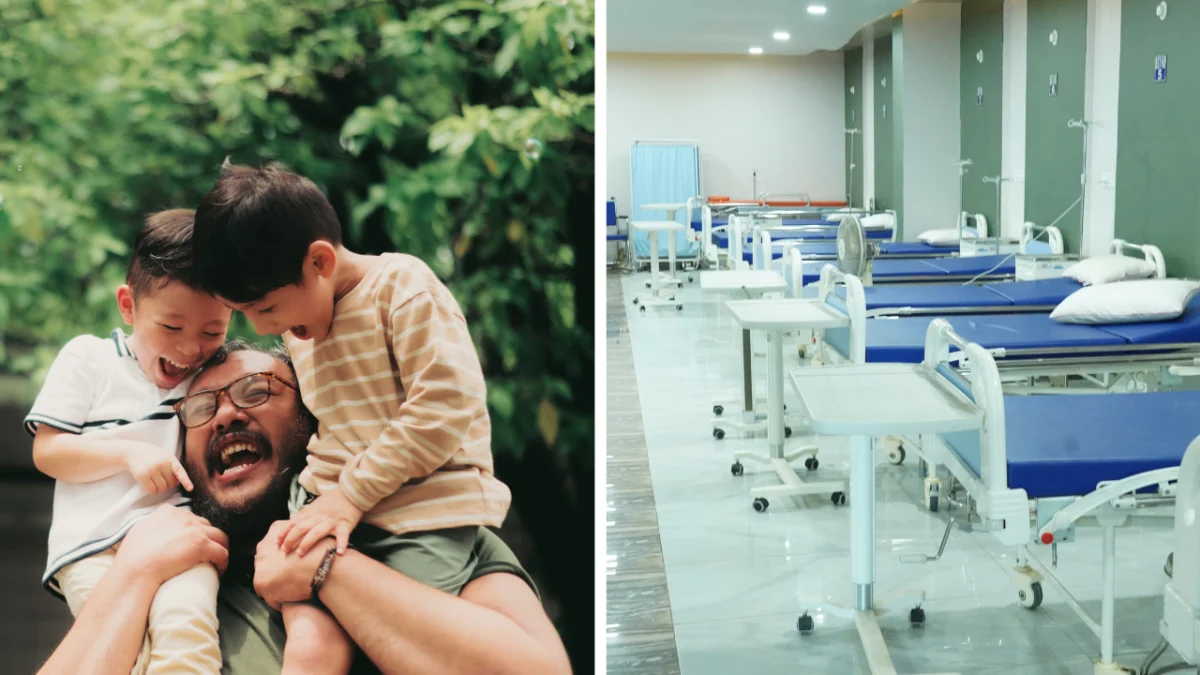
A poignant narrative recently shared on the social media platform Reddit has brought widespread attention to the extraordinary compassion of Mohamed Bzeek, a California foster parent who has dedicated over 25 years to caring for terminally ill children. The story, which quickly garnered thousands of reactions across the internet, particularly on the r/BeAmazed subreddit—a digital space specifically curated for positive and inspiring content—highlights Bzeek’s unwavering commitment to ensuring that no child faces their final moments alone. This spotlight on Bzeek’s work transcends a mere online trend, illuminating a critical, often unseen, aspect of the foster care system and the profound human capacity for empathy in the face of immense sorrow.
The Unwavering Dedication of Mohamed Bzeek
Mohamed Bzeek, now 72 years old, has fostered approximately 80 children over a quarter-century, primarily focusing on those with severe, life-limiting conditions who have been abandoned by their biological families. His mission, as encapsulated by the viral Reddit post’s caption, “A hero without a cape,” is deeply rooted in the principle that every child, regardless of their prognosis, deserves love, comfort, and dignity until their very last breath. Bzeek’s care extends beyond basic physical needs; he provides a stable, loving home environment, often becoming the sole source of familial connection for children who are not only battling grave illnesses but also the trauma of abandonment. This unique and demanding form of foster care requires an extraordinary blend of medical knowledge, emotional resilience, and an boundless reservoir of compassion.
The Stark Reality: Abandonment in Pediatric Care
The Reddit discussion surrounding Bzeek’s story quickly brought to light a grim reality that many find difficult to comprehend: the abandonment of terminally ill children by their families. One user’s incredulous query, “‘Terminally ill children abandoned by their families.’ This can’t be true. Please tell me this isn’t actually true,” underscored the public’s shock. However, several other commenters, particularly those with professional experience in pediatric hospice and palliative care, confirmed the tragic prevalence of such situations. One Redditor recounted a personal experience: “Used to work in a children’s hospice, and sad to say it happens a lot more than you would hope. A woman left her son with us in my first week, and never came back. He wasn’t in a position to understand or even really know that she was gone, but it still shocked me.” These testimonies reveal a heartbreaking intersection of poverty, lack of resources, emotional exhaustion, and societal pressures that can lead families to make unthinkable decisions, leaving vulnerable children in the care of the state or medical institutions. Bzeek steps into this void, offering a sanctuary of love and stability where none might otherwise exist.
Navigating the Foster Care System for Medically Fragile Children
The foster care system in the United States, and specifically in California, faces immense challenges in placing children with complex medical needs. These children often require round-the-clock specialized care, including medication management, tube feedings, frequent hospital visits, and palliative care coordination. Finding foster parents willing and able to provide this level of intensive support is exceedingly difficult. Agencies often struggle to recruit and retain foster families equipped for such demands, leading to extended stays in hospitals or specialized facilities, which, while medically competent, often lack the personal, family-like environment crucial for a child’s emotional well-being. Bzeek represents a rare and invaluable resource within this strained system. His willingness to take on children with the most severe prognoses fills a critical gap, preventing these children from dying in institutional settings, often without the comfort of a parental figure. His efforts alleviate significant pressure on overburdened social services and healthcare providers, but more importantly, they provide an irreplaceable human touch.
A Lifetime of Compassion: A Chronology of Commitment
Mohamed Bzeek’s journey as a foster parent began in the mid-1990s, initially alongside his late wife, Dawn Bzeek. Together, they embarked on the challenging path of caring for children with significant health issues. After Dawn’s passing, Mohamed continued their shared mission, steadfast in his commitment despite facing his own health challenges. His dedication spans multiple decades, marking a consistent, long-term contribution to a population of children most in need of a champion. The recent Reddit post, dated as having been shared earlier this year, serves as a contemporary milestone, bringing Bzeek’s enduring legacy to a new generation of internet users and a broader global audience. This renewed attention highlights not only the longevity of his service but also the timeless relevance of his compassionate work. While the specific timeline of each of the 80 children he has fostered is extensive and personal, the overarching chronology underscores a sustained, selfless endeavor that has touched scores of lives.
The Profound Emotional and Financial Toll
Caring for terminally ill children exacts an extraordinary emotional and, at times, financial toll. Foster parents like Bzeek must possess not only a deep capacity for love but also immense emotional resilience to repeatedly face the inevitable loss of a child under their care. The grief cycle becomes an intrinsic part of their lives, requiring a strength that few can fathom. As one Reddit commenter articulated, "I think this man doesn’t just have an incredibly big heart – he also has extraordinary courage. It takes a special kind of strength to face the inevitable over and over again. Walking that path with terminally ill children, even if they aren’t your own, is something that would completely break me." Beyond the emotional aspect, the practical demands are immense. These children require specialized medical equipment, frequent doctor’s appointments, and often costly medications. While foster care agencies provide some financial assistance, it often does not fully cover the extensive needs of medically fragile children, particularly when specialized modifications to a home or vehicle are required. Bzeek’s ability to sustain this level of care for so long speaks volumes about his personal fortitude and resourcefulness, underscoring the critical need for more robust support systems for foster parents of medically complex children.
Public Outpouring: Reactions from the Digital Sphere
The Reddit post sparked an overwhelming wave of admiration and reflection among users. Comments ranged from comparing Bzeek to a saint to profound expressions of awe at his capacity for selflessness. One user wrote, “80 kids. Dude has fostered 80 kids. He is 72 now, and I hope he lives another 100 years. But when he does eventually pass, I will sign the thing that votes for him to be canonized as a saint or whatever religious thing. Because while I’m not really into all that stuff, it just seems like he deserves all the praise.” This sentiment was echoed by many, who saw in Bzeek a living embodiment of extraordinary humanitarianism. The discussions also delved into the broader societal implications, with many expressing heartbreak over the reality of child abandonment and gratitude for individuals like Bzeek who step in. The collective response was a powerful testament to the impact of his work, transcending cultural and religious boundaries to celebrate universal values of compassion and unconditional love. The digital sphere, often criticized for negativity, in this instance served as a platform for collective appreciation and profound empathy.
Beyond the Headlines: Broader Implications and Societal Reflection
Mohamed Bzeek’s story, amplified by its viral spread, serves several crucial functions beyond merely highlighting an individual act of kindness. Firstly, it draws much-needed attention to the invisible population of terminally ill children within the foster care system, often overlooked due to the sensitive and challenging nature of their circumstances. Secondly, it acts as a powerful call to action, inspiring individuals and communities to consider the various ways they can support vulnerable children, whether through fostering, volunteering, or advocating for better resources. His work underscores the critical importance of dignity in death, particularly for children who have already faced immense hardship in their short lives. Every child deserves to feel loved, comforted, and safe at the end of their life, a fundamental right that Bzeek meticulously upholds.
Furthermore, his story implicitly highlights systemic needs. It points to the ongoing challenges faced by child welfare agencies in finding suitable placements for children with complex medical needs and the necessity for enhanced training, financial support, and psychological resources for foster parents undertaking such demanding roles. While The Daily Dot was unable to independently verify every claim shared in the Reddit post, the widespread discussion and the profound nature of the reported actions, based on information referenced within the r/BeAmazed post and its comments, resonate deeply with documented realities of pediatric palliative care and foster services.
A Beacon of Hope and Humanity
Mohamed Bzeek stands as an exceptional human being, a beacon of hope and humanity in a world often fraught with indifference. His unwavering commitment to caring for the most vulnerable among us—children facing terminal illness and abandonment—is a powerful reminder of the profound difference one individual can make. By providing these children with love, comfort, and a family in their final days, he ensures that their lives, however brief, are imbued with dignity and warmth. His story is not just one of selflessness; it is a testament to the enduring power of compassion and an urgent call for greater societal awareness and support for the children who need it most.