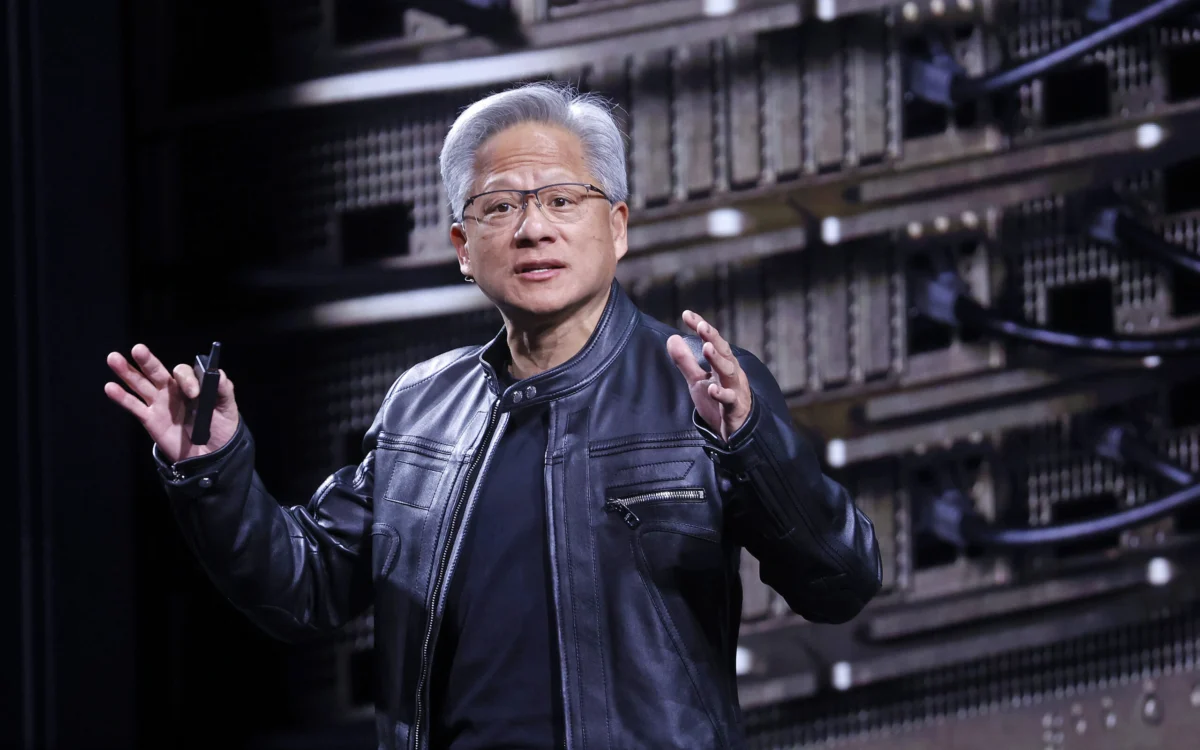
George Chandra Eka
Meta Platforms Inc., the parent company of Facebook and Instagram, has officially withdrawn from RE100, a prominent global corporate renewable energy initiative, marking a significant shift in its energy strategy. This departure comes as the tech giant increasingly commits to natural gas-powered plants to meet the escalating energy demands of its burgeoning artificial intelligence (AI) infrastructure and data centers. The decision raises questions about the feasibility of ambitious corporate sustainability targets in the face of rapidly expanding energy needs, particularly within the energy-intensive AI sector.
Background on RE100 and Meta’s Initial Commitment
RE100, spearheaded by the UK-based non-profit Climate Group in partnership with CDP (formerly the Carbon Disclosure Project), is a global corporate leadership initiative bringing together influential businesses committed to 100% renewable electricity. Launched in 2014, its mission is to accelerate global change towards a clean energy future by encouraging major corporations to set and achieve ambitious renewable energy targets. The initiative boasts over 400 members, including tech giants like Microsoft, Google, and Apple, all of whom have publicly pledged to source all their electricity from renewable sources, often with specific target dates. Member companies commit to reporting their progress annually, adhering to technical criteria that ensure the credibility and impact of their renewable energy procurement.
Meta, then known as Facebook, joined RE100 in 2016, setting an ambitious target to achieve 100% renewable energy for its global operations by 2020. This commitment was part of a broader trend among leading technology companies to position themselves as environmental stewards, leveraging their scale and influence to drive demand for renewable energy and reduce their carbon footprint. For years, Meta reported significant progress towards this goal, often highlighting its investments in solar and wind projects, and its procurement of Energy Attribute Certificates (EACs) to offset its conventional energy consumption. The company’s participation in RE100 was seen as a key component of its environmental, social, and governance (ESG) strategy.
The Strategic Pivot: A Growing Reliance on Natural Gas
The recent decision to exit RE100 underscores a fundamental re-evaluation of Meta’s energy strategy, driven largely by the extraordinary power requirements of its expanding AI infrastructure. Over the past year, Meta has made commitments to fund at least 10 new natural gas power plants, including an initial announcement earlier this year for seven plants specifically designed to fuel its largest data centers. These facilities represent a substantial investment in fossil fuel-based energy generation.
Natural gas, while often touted as a "transition fuel" due to its lower carbon emissions compared to coal, is still a fossil fuel that contributes to greenhouse gas emissions and climate change. Its primary component, methane, is a potent greenhouse gas, and fugitive emissions from natural gas extraction and transport can significantly negate its purported climate benefits. For a company that had publicly committed to 100% renewable energy, this strategic pivot towards natural gas marks a notable departure from its previous trajectory.
The scale of these natural gas commitments is substantial. According to reports, the 10 natural gas power plants Meta is funding are projected to produce enough energy to power an entire state like South Dakota. To put this into perspective, South Dakota’s total electricity consumption in 2022 was approximately 11,000 gigawatt-hours (GWh). This implies that Meta’s new natural gas capacity could generate several thousand megawatts of power, highlighting the immense energy appetite of its advanced data centers. These facilities are critical for powering Meta’s AI models, which demand staggering amounts of computational power for training, inference, and the continuous processing of vast datasets.
Official Statements and Divergent Narratives
Following reports of Meta’s withdrawal, both the Climate Group and Meta issued statements that, while acknowledging the departure, presented slightly different narratives.
The Climate Group, which oversees RE100, confirmed Meta’s exit to industry publication Recharge, stating that the Facebook and Instagram maker "is no longer able to meet the technical criteria due to investments made in new gas power." This statement suggests that Meta’s new natural gas commitments directly contravene RE100’s guidelines, which are designed to ensure that members are actively transitioning to verifiable renewable electricity sources rather than increasing reliance on fossil fuels, even if they are offset. RE100’s technical criteria emphasize genuine procurement of renewable energy, not merely the purchase of offsets for fossil fuel consumption.
Meta, in response, told TechCrunch that it remains committed to "100% clean and renewable energy" and characterized its departure from RE100 as a "mutual decision." This framing suggests a less confrontational exit, perhaps implying an understanding between Meta and RE100 that the company’s current strategic direction made continued membership untenable under the existing rules. Meta’s continued assertion of its commitment to "100% clean and renewable energy" highlights a potential disconnect between the strict definitions of initiatives like RE100 and the broader, more flexible interpretations some companies may adopt, particularly when incorporating energy attribute certificates (EACs).
The Energy Demands of Artificial Intelligence
The underlying driver for Meta’s dramatic energy strategy shift is the explosive growth of artificial intelligence. AI models, especially large language models (LLMs) and complex neural networks, are notoriously energy-intensive. Training these models requires vast server farms running continuously for weeks or months, consuming megawatts of power. As Meta pushes deeper into AI research and deployment across its platforms – from content moderation and recommendation algorithms to the development of its metaverse vision – the demand for computational resources, and consequently, energy, has skyrocketed.
Data centers, which house these servers, are already significant consumers of electricity globally. The International Energy Agency (IEA) estimates that data centers accounted for 1% of global electricity demand in 2022, a figure projected to rise sharply with the proliferation of AI. A single AI training run for a sophisticated model can consume as much electricity as several homes in a year. Multiplied across Meta’s global operations and its ambitious AI roadmap, the energy requirements become astronomical. Building renewable energy infrastructure at the speed and scale required to keep pace with this demand is a monumental challenge, leading some companies to explore more readily available, albeit less green, power sources.
The Nuance of Energy Attribute Certificates (EACs)
Meta’s claim of still being committed to "100% clean and renewable energy" despite its natural gas investments often relies on the mechanism of Energy Attribute Certificates (EACs), also known as Renewable Energy Certificates (RECs) in North America or Guarantees of Origin (GOs) in Europe. EACs are market-based instruments that certify that one megawatt-hour (MWh) of electricity was generated from a renewable energy source and delivered to the grid. Companies can purchase these certificates separately from their actual electricity supply. By purchasing enough EACs to match their total electricity consumption, companies can claim to be "100% renewable," even if the physical electricity flowing into their data centers comes from a grid powered by a mix of fossil fuels.
While EACs play a crucial role in funding renewable energy projects and stimulating market demand, critics argue that they can also enable "greenwashing" if not coupled with direct investment in new renewable capacity or actual physical delivery of renewable power. For a company massively increasing its direct reliance on natural gas, simply buying more EACs to offset that consumption makes the "100% renewable" claim harder to defend, particularly under the scrutiny of initiatives like RE100 that prioritize additionality (i.e., contributing to new renewable energy generation). Industry analysts, as cited in Recharge, suggest that "a 100 percent renewable claim becomes harder to defend" when direct investments in fossil fuels reach the scale seen with Meta’s natural gas commitments. The physical reality of the power source matters as much as the accounting mechanism of offsets.
Environmental and Reputational Implications
Meta’s withdrawal from RE100 and its increased investment in natural gas plants carries significant environmental and reputational implications. Environmentally, it signifies a potential slowdown in the pace of decarbonization for one of the world’s largest technology companies. While natural gas is cleaner than coal, it is still a significant emitter of carbon dioxide and methane, contributing to the overall greenhouse gas burden. This move could set a precedent or at least signal a challenge for other tech companies grappling with similar energy demands from AI.
Reputationally, the decision risks alienating environmentally conscious investors, consumers, and employees. In an era where corporate ESG performance is increasingly scrutinized, a departure from a leading renewable energy initiative could be perceived as a step backward. It might also invite criticism from environmental advocacy groups, who have consistently pressed tech companies to accelerate their transition to genuinely clean energy sources. Meta’s ability to maintain its "100% clean and renewable energy" narrative will face greater skepticism, requiring more robust and transparent explanations of its energy procurement strategies.
Broader Industry Context and Future Outlook
Meta’s energy dilemma is not unique; it reflects a broader challenge facing the entire technology sector as it navigates the energy-intensive future of AI. Other tech giants, while maintaining their RE100 commitments, are also investing heavily in data center expansion and AI capabilities, requiring massive energy inputs. The race to build and deploy advanced AI models is intensifying, and with it, the pressure on energy grids and sustainability pledges.
The incident highlights the growing tension between rapid technological advancement and environmental sustainability. While companies are eager to harness the transformative power of AI, the infrastructure required to support it demands unprecedented amounts of energy. This necessitates innovative solutions, including:
- Improved Energy Efficiency: Developing more energy-efficient AI algorithms, hardware, and data center cooling technologies.
- Direct Renewable Sourcing: Investing directly in new utility-scale solar and wind projects to ensure physical delivery of clean energy.
- Grid Modernization: Collaborating with utility providers to build more robust, flexible, and renewable-friendly electricity grids.
- Advanced Energy Storage: Deploying battery storage and other solutions to ensure a consistent supply of renewable energy.
- Geographic Optimization: Locating data centers in regions with abundant and affordable renewable energy resources.
Meta’s decision may prompt other RE100 members and the Climate Group itself to re-evaluate the criteria and enforcement mechanisms of corporate renewable energy pledges. It underscores the importance of not just setting ambitious targets but also ensuring that companies have clear, actionable pathways to achieve them without compromising broader environmental goals.
Conclusion
Meta’s withdrawal from RE100 marks a pivotal moment in the discourse surrounding corporate sustainability and the energy demands of the AI era. While the company maintains its commitment to "100% clean and renewable energy," its significant investments in natural gas power plants for its data centers represent a practical concession to the immense energy requirements of its AI ambitions. This move casts a spotlight on the challenges of achieving true decarbonization in a rapidly evolving technological landscape, prompting critical questions about the effectiveness of corporate environmental pledges and the future of sustainable growth in the tech industry. As the world increasingly relies on digital infrastructure, the energy choices made by companies like Meta will have profound implications for global climate goals and the planet’s future.