Galang Taruna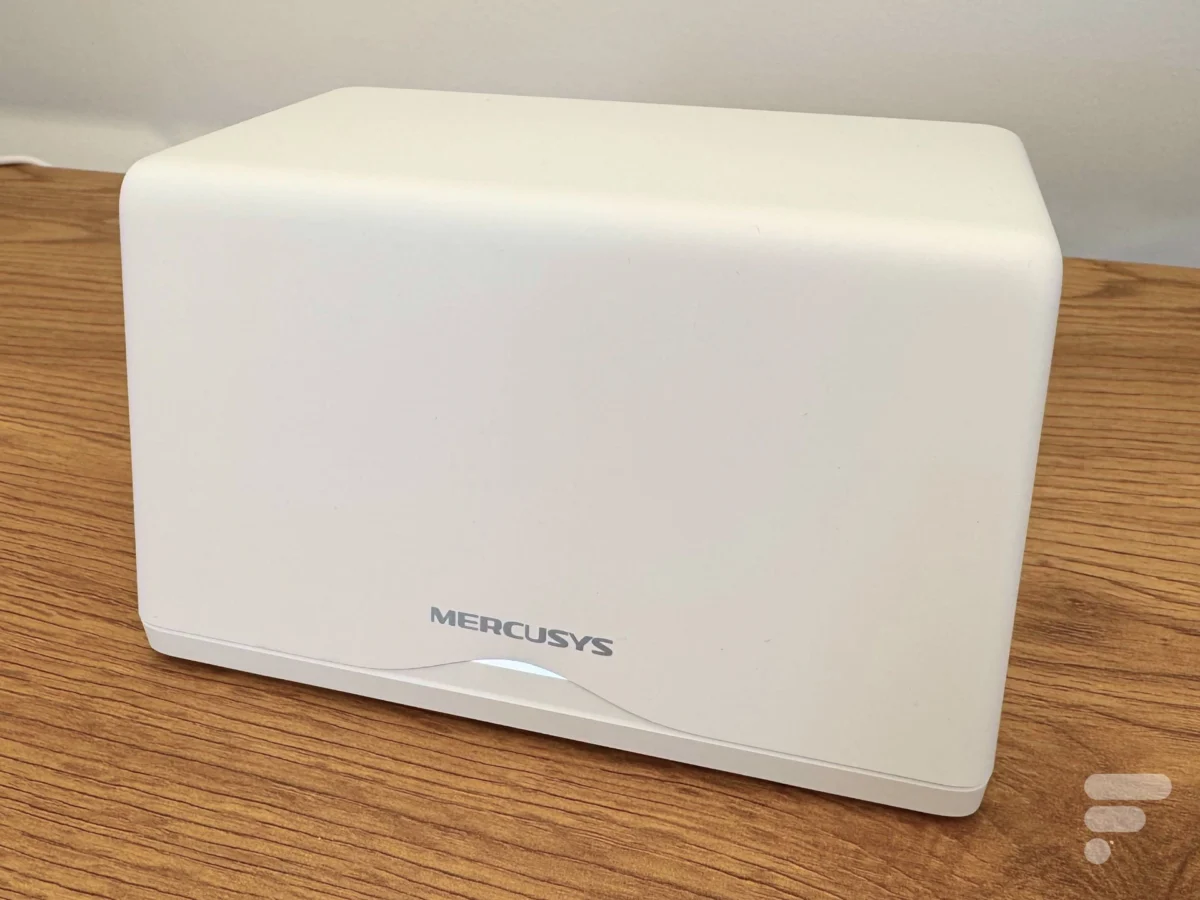
Mercusys has introduced the Halo H47BE, a tri-band mesh Wi-Fi 7 system, aiming to make the latest wireless standard accessible to a broader consumer base without compromising essential features. Priced at approximately 250 euros for a two-unit kit, the H47BE stands in stark contrast to its competitors, which often retail for two to four times more. This aggressive pricing strategy raises a critical question: can the H47BE truly deliver comparable performance, or does its affordability come with significant hidden concessions? This comprehensive analysis delves into the technical specifications, design, user experience, and real-world performance of the Mercusys Halo H47BE to provide a definitive verdict.
The Dawn of Wi-Fi 7: Context and Market Entry Challenges
The introduction of Wi-Fi 7, officially known as 802.11be or Extremely High Throughput (EHT), marks a significant leap in wireless communication technology. Building upon the foundations of Wi-Fi 6 and Wi-Fi 6E, Wi-Fi 7 promises unprecedented speeds, lower latency, and enhanced capacity, designed to support the growing demands of bandwidth-intensive applications such as 8K streaming, virtual reality (VR), augmented reality (AR), and sophisticated smart home ecosystems. Key technological advancements include Multi-Link Operation (MLO), which allows devices to simultaneously send and receive data across multiple frequency bands (2.4 GHz, 5 GHz, and 6 GHz), 320 MHz ultra-wide channels in the 6 GHz band for massive data throughput, and 4K-QAM (Quadrature Amplitude Modulation) for denser data encoding, further boosting theoretical speeds.
However, the initial rollout of Wi-Fi 7 systems has been characterized by premium pricing, making the technology largely inaccessible to the average consumer. Early models, such as the TP-Link Deco BE85, while offering cutting-edge performance and comprehensive 10 Gb/s connectivity, typically commanded prices well over 800 euros, with some high-end systems exceeding 1,500 euros. This high barrier to entry stemmed from the advanced silicon required, extensive research and development costs, and a market strategy that initially targeted early adopters and professional environments. This left a significant gap in the market for a more affordable, yet capable, Wi-Fi 7 solution.
Mercusys’s Strategic Play: Bridging Performance and Affordability
Mercusys, a brand under the same corporate umbrella as networking giant TP-Link, has strategically positioned the Halo H47BE to address this market gap. Their approach with the H47BE is to retain the core benefits of Wi-Fi 7—namely, enhanced speed, capacity, and efficiency—while streamlining other aspects to achieve a significantly lower price point. The H47BE kit, comprising two identical units, is designed to create a tri-band mesh network, capable of covering an area estimated by the manufacturer at up to 550 square meters. While such coverage estimates are typically optimistic and heavily influenced by environmental factors like building materials, wall thickness, and ambient interference, the mesh architecture inherently offers superior coverage compared to single routers.
The H47BE is categorized as a BE9300 system, indicating a cumulative theoretical throughput of 9,214 Mb/s. This is distributed across three bands: 574 Mb/s on the 2.4 GHz band, 2,880 Mb/s on the 5 GHz band, and a substantial 5,760 Mb/s on the 6 GHz band. Beyond these impressive theoretical figures, the system integrates crucial Wi-Fi 7 features such as support for 320 MHz channels, 4K-QAM, and Multi-Link Operation (MLO). It is important for consumers to understand that these aggregated theoretical speeds represent the maximum possible data rate across all bands and depend on client devices also supporting the latest Wi-Fi 7 technologies. In practical terms, a more tangible benefit, particularly for its price segment, is the inclusion of three 2.5 Gb/s Ethernet ports on each unit. This feature is instrumental in eliminating the common 1 Gb/s bottleneck found in many affordable mesh systems, allowing for faster internal network transfers and better utilization of multi-gigabit internet connections.

Hardware and Design: Functional Aesthetics with Critical Connectivity
The Mercusys Halo H47BE units are designed for straightforward deployment, featuring identical modules that can function interchangeably as the main router or a satellite node. The first unit connected to the internet modem automatically assumes the role of the primary router, with subsequent units seamlessly joining the mesh network. This design simplifies installation and offers flexibility for future network expansion or reconfigurations.
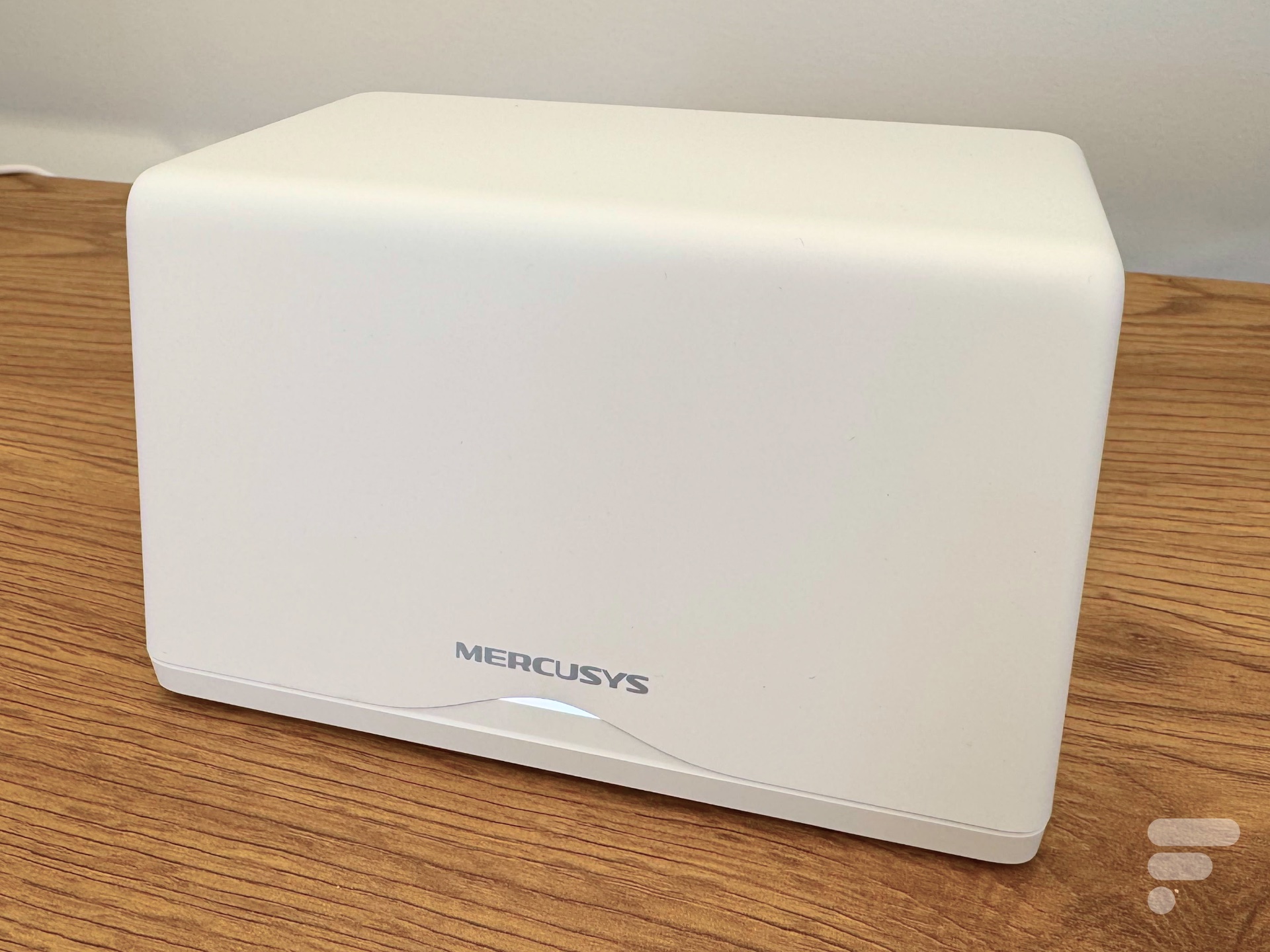
Aesthetically, the H47BE adopts a minimalist and functional design. Each module is a white, slightly inclined rectangular prism, measuring 170 x 122.4 x 103.5 mm. While not as compact as some ultra-discreet nodes, they are less imposing than many high-end Wi-Fi 7 routers, allowing them to blend into most home environments without drawing undue attention. The construction is entirely plastic, with a solid, if unrefined, assembly quality. Ventilation grilles on the rear ensure adequate heat dissipation, maintaining operational stability. A subtle front-facing LED indicates connection status—white for normal operation, red for connectivity issues, yellow during startup, and blue during setup—and can be disabled via the mobile application, a thoughtful touch for placement in bedrooms. A reset button is the only other physical control.
The most significant hardware differentiator for the H47BE, especially at its price point, is the inclusion of three 2.5 Gb/s Ethernet ports on each unit. These ports automatically detect their function (WAN or LAN), providing flexible connectivity options. On the primary router unit, this means two additional 2.5 Gb/s ports are available for wired devices such as PCs, smart TVs, gaming consoles, or Network Attached Storage (NAS) devices. Satellite units offer all three ports for wired client connections. This multi-gigabit wired connectivity is a substantial advantage over many competing mesh systems that often offer only one multi-gigabit port, or none at all, relegating wired devices to slower 1 Gb/s speeds. This is particularly relevant as multi-gigabit internet plans (e.g., 2 Gb/s, 5 Gb/s, or even 8 Gb/s fiber) become more prevalent, and users increasingly rely on fast local network transfers for media servers or backups.

However, Mercusys has made deliberate trade-offs to achieve its aggressive price point. The H47BE does not include 10 Gb/s Ethernet ports, which are present on some ultra-premium Wi-Fi 7 models, nor does it feature USB ports for sharing external storage or printers. These omissions are understandable given the target price and target audience, as 10 Gb/s connectivity is still niche, and USB-sharing features are often underutilized by mainstream users. Power is supplied via a proprietary 24W adapter, rather than the more versatile USB-C, and only one Ethernet cable is included in the box, sufficient for connecting the main unit to the modem but not for immediately establishing a wired backhaul between the two nodes.
Software and User Experience: Simplified Management with Functional Gaps
The configuration and ongoing management of the Mercusys Halo H47BE are exclusively handled through the Mercusys mobile application, available for both Android and iOS devices. The setup process is designed to be highly user-friendly: users create an account, connect the first unit to their internet modem, and follow intuitive on-screen instructions. Once the primary network is established, additional units are automatically detected and integrated into the mesh. The system also supports expanding the network by adding more units, allowing for more extensive coverage, as was the case in the testing environment where a four-node setup was utilized.
The H47BE can operate in either router mode or access point (AP) mode. AP mode is particularly useful for users who wish to retain the routing functionalities of their existing internet box while leveraging the Mercusys system solely for enhanced Wi-Fi coverage and performance. The mesh nodes can communicate wirelessly, with the option to dedicate the 6 GHz band for a high-performance wireless backhaul. Alternatively, a wired Ethernet backhaul is supported, which is highly recommended for optimal performance in homes with existing network cabling, as it frees up wireless spectrum for client devices and ensures maximum stability and speed between nodes.

The application’s home screen provides a clear overview of the network status and connected devices. Users can easily block devices, prioritize specific clients for critical tasks (e.g., professional work, gaming), and ascertain which access point a device is connected to. A separate guest network can be configured across all three bands, and security alerts notify users of new, unrecognized device connections. The system supports modern network protocols, including IPv6, WPA3 encryption, address reservations, port forwarding, and an SPI firewall, ensuring a robust and secure home network.
However, the H47BE’s software, while user-friendly for basic operation, exhibits limitations that may frustrate advanced users. Granular Quality of Service (QoS) controls are largely absent, replaced by a simpler device prioritization feature. This is sufficient for boosting a gaming console or a work laptop but lacks the ability to fine-tune bandwidth allocation based on traffic type. Furthermore, the application does not allow manual selection of Wi-Fi channels, forcing reliance on the system’s automatic optimization, which, while generally effective at avoiding interference, can prevent specific manual adjustments. Users also cannot force devices to connect to a particular node or an exclusive frequency band (e.g., 2.4 GHz). This "set it and forget it" approach, while simplifying things for many, removes control for those who prefer to customize their network.
A notable drawback is the proliferation of Wi-Fi networks when all advanced features are enabled. Users might encounter "Network," "Network_6G," and "Network_MLO" SSIDs, in addition to a hidden, unmaskable backhaul network with a generic alphanumeric name. This can be confusing and cumbersome for users and their devices. The web interface offers minimal functionality, primarily limited to viewing status information, restarting nodes, and updating firmware, reinforcing the mobile app’s indispensable, yet sometimes "slow and buggy," nature, which can detract from the overall user experience.

Performance Analysis: Delivering High Speeds with Nuances
The Mercusys Halo H47BE genuinely excels in its core mission: delivering high-performance Wi-Fi 7 speeds, especially considering its price point. It remarkably leverages the full capacity of its 2.5 Gb/s Ethernet ports, distinguishing it from many rivals.
In the 6 GHz band, tests conducted with an 8 Gb/s fiber optic connection demonstrated internet download speeds of approximately 2.3 Gb/s in close proximity to the main router. This figure is extremely close to the theoretical maximum achievable over a 2.5 Gb/s Ethernet connection, accounting for network protocol overheads. This consistent speed was observed across multiple satellite nodes connected via a wired Ethernet backhaul (Cat 6), underscoring the system’s ability to maintain high throughput throughout the network. Even with a Wi-Fi backhaul between nodes, observed speeds remained impressive, approaching 1.4 Gb/s, which is a strong indicator of efficient wireless mesh communication. In more distant areas of the coverage, the system typically sustained speeds exceeding 1 Gb/s.
The 5 GHz band, while logically not as fast as 6 GHz, proved highly capable. It delivered speeds slightly above 1 Gb/s at short range, both from the main router and satellite units. In the most remote test locations, this band maintained approximately 500 Mb/s for downloads and around 250 Mb/s for uploads. These speeds are more than adequate for demanding applications such as multiple simultaneous 4K video streams, cloud gaming, and routine file transfers to local network storage. The 5 GHz band also demonstrated superior range and wall penetration compared to the 6 GHz band, making it the workhorse for broader home coverage.

The 2.4 GHz band, as expected, offered significantly lower performance, rarely exceeding 200 Mb/s. While this is sufficient for typical Internet of Things (IoT) devices like smart bulbs, plugs, and cameras, it falls short of some Wi-Fi 6 systems on this band. A particular observation during testing was the somewhat disappointing range of the 2.4 GHz signal in specific scenarios, especially concerning outdoor IoT devices such as garden lights and solar battery monitors. Although the system’s beamforming technology helps direct signals towards connected devices, users with extensive outdoor smart home setups might find the need for additional nodes to ensure robust connectivity. The 6 GHz band’s range is naturally more limited, performing best within the same room or through a single wall. As obstacles increase, devices intelligently transition to the more robust 5 GHz band, highlighting the importance of the tri-band mesh for dynamic coverage.
Seamless roaming, crucial for a mesh system, functioned effectively for devices supporting 802.11k, 802.11v, and 802.11r protocols. Smartphones and other compatible devices transitioned smoothly between nodes without noticeable interruptions during voice calls or video streaming. However, as is common with mesh systems, client device behavior can vary, with some devices clinging to a weaker connection longer than ideal. Power consumption for the tri-band system is reasonable, drawing approximately 18 W at idle and 27 W under load for the entire kit, placing it within the average range for systems equipped with a 6 GHz band.
It is crucial to reiterate that the benefits of Wi-Fi 7 are most pronounced with high-speed internet connections exceeding 1 Gb/s, frequent local network transfers (e.g., to a NAS), or in environments with a high density of concurrently active devices. While Wi-Fi 6 clients will still benefit from the mesh architecture and the strong 5 GHz performance, they will not leverage the 320 MHz channels or MLO capabilities unique to Wi-Fi 7. Ultimately, the H47BE delivers robust performance for its cost, contingent on strategic node placement and an understanding of its software limitations.

Market Positioning, Competitive Landscape, and Conclusion
Priced at approximately 250 euros for a two-pack kit, the Mercusys Halo H47BE establishes a new benchmark for affordability within the nascent Wi-Fi 7 mesh market. This pricing is not merely competitive; it is potentially disruptive, challenging the established premium tier occupied by systems that cost several times more. The H47BE’s value proposition is particularly compelling for consumers seeking to upgrade to Wi-Fi 7 without a prohibitive investment, especially those with multi-gigabit fiber internet connections or dense home networks that would benefit from the increased capacity and efficiency.
The Mercusys Halo H47BE primarily targets mainstream consumers who desire the latest Wi-Fi standard but are budget-conscious and may not require the ultra-high-end features or granular control offered by professional-grade networking equipment. Its inclusion of three 2.5 Gb/s Ethernet ports on each unit is a significant differentiator, providing practical, multi-gigabit wired connectivity that many competitors at this price point omit. This feature alone makes it a compelling choice for users who wish to connect multiple high-speed devices via Ethernet without bottlenecking their network.
While the software experience, characterized by a sometimes-buggy mobile app and limited advanced configuration options, may deter network enthusiasts, it is perfectly adequate for the vast majority of users who prefer a "set and forget" approach. The trade-offs, such as the absence of 10 Gb/s ports or USB connectivity, are justifiable given the aggressive pricing and the target audience.

The introduction of the H47BE is a pivotal moment for Wi-Fi 7 adoption. By making the technology more accessible, Mercusys could significantly accelerate its proliferation into mainstream homes. Industry analysts suggest that products like the Halo H47BE are crucial for shifting Wi-Fi 7 from a niche, enthusiast-only technology to a widely adopted standard. It forces competitors to re-evaluate their pricing strategies and feature sets, potentially leading to a more competitive and consumer-friendly Wi-Fi 7 market in the near future.
In conclusion, the Mercusys Halo H47BE largely succeeds in its ambitious goal of democratizing Wi-Fi 7. It offers an impressive array of features and delivers strong performance, particularly in terms of speed and multi-gigabit wired connectivity, for an exceptionally competitive price. Despite some limitations in software configurability and minor range nuances on the 2.4 GHz band, the H47BE represents an outstanding value proposition. It is a solid recommendation for consumers looking to embrace Wi-Fi 7’s benefits without breaking the bank, setting a new standard for what affordable, high-performance mesh networking can achieve.