Garick Elordi
Digital Bros, the parent organization of global publisher 505 Games, has officially confirmed that a sequel to the dark fantasy soulslike Wuchang: Fallen Feathers is currently in the preparation stages of development. This announcement follows a period of significant corporate restructuring and the strategic acquisition of the intellectual property (IP) rights, signaling a long-term commitment to the franchise despite the dissolution of its original developer, Leenzee. The project will see the return of the original visionary behind the first title, Xia Siyuan, who will lead the development at his newly established studio, Indolphinity, also known as Chengdu Recursive Dolphin Technology.
The path to a sequel has been marked by both commercial success and internal volatility. Since its initial launch, Wuchang: Fallen Feathers has reached a milestone of over five million players, a figure bolstered by its day-one availability on Microsoft’s Xbox Game Pass service. Despite this broad reach and a generally favorable reception from the action-RPG community, the original development team at Leenzee faced an uncertain future after the departure of lead producer and director Xia Siyuan. Shortly after his exit, reports surfaced that the studio had disbanded, leaving the future of the Wuchang IP in question.
In April, Digital Bros intervened to secure the franchise’s future by fully acquiring the Wuchang IP for approximately €4 million. This acquisition was viewed by industry analysts as a tactical move to capitalize on the growing global appetite for high-quality Chinese-developed action titles. By reuniting the IP with its original creator under the Indolphinity banner, 505 Games aims to maintain creative continuity while providing the financial stability and publishing infrastructure necessary for a more ambitious second entry.
The Strategic Acquisition and Financial Context
The €4 million investment by Digital Bros highlights a specific trend within the mid-to-high-budget gaming sector, where established publishers are increasingly looking toward the Chinese market for innovative "Triple-I" or "AA" experiences. Digital Bros, through its subsidiary 505 Games, has a history of fostering niche titles into mainstream successes, as seen with franchises like Control and the PC publishing of Death Stranding.
The decision to purchase the Wuchang IP outright, rather than simply entering into a publishing agreement, suggests that Digital Bros views the franchise as a core pillar of its future portfolio. The "Mostly Positive" overall rating on Steam, which climbs to "Very Positive" when filtering for recent reviews, indicates that the first game had a strong "long-tail" performance. Initial criticisms regarding technical optimization and combat balancing were largely addressed through post-launch patches, a factor that Digital Bros likely considered when evaluating the brand’s equity.
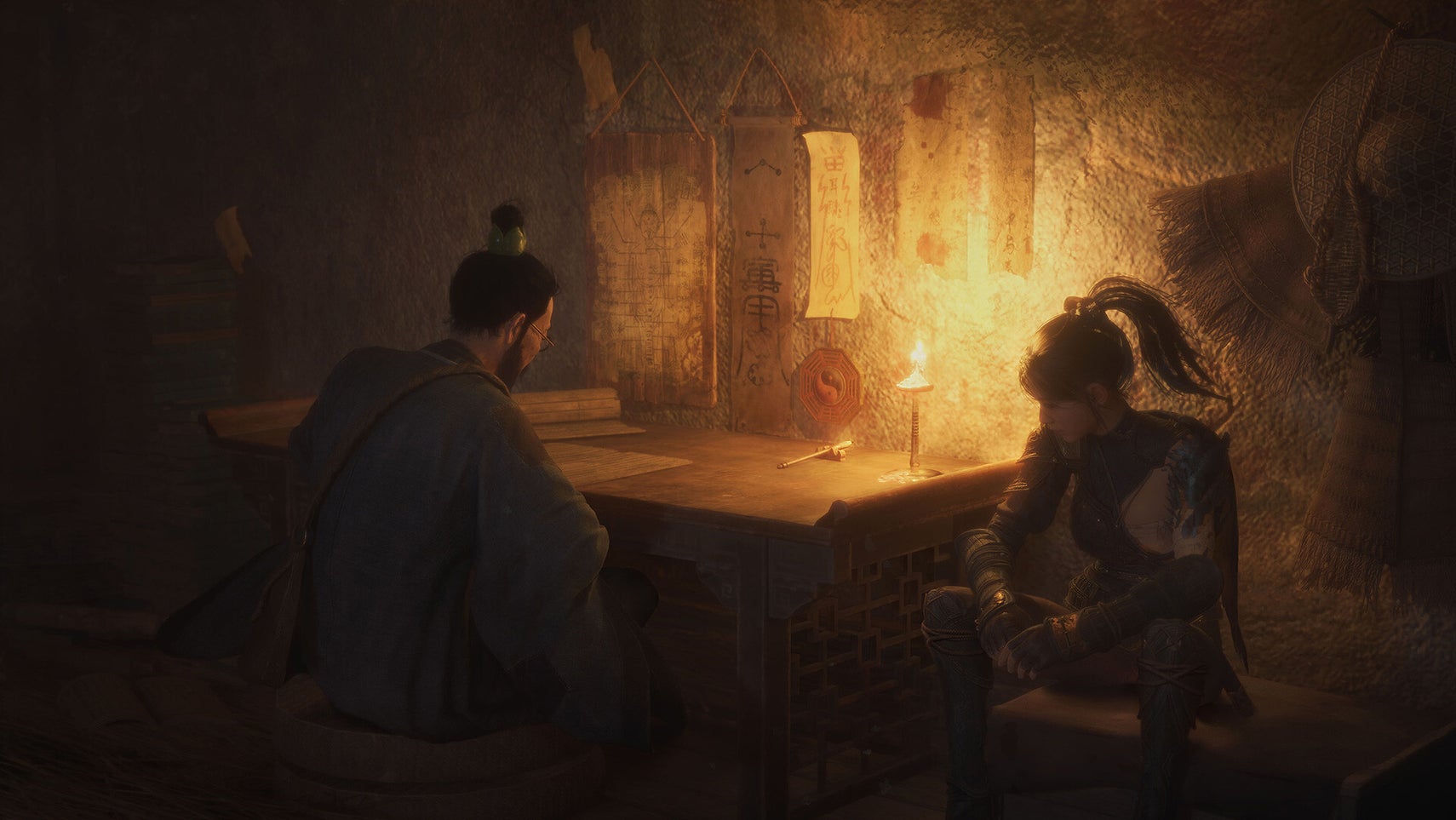
The transition of development to Indolphinity (Chengdu Recursive Dolphin Technology) also places the project within one of China’s most rapidly growing tech hubs. Chengdu has become a focal point for game development, offering a deep pool of talent specializing in Unreal Engine development and high-fidelity asset creation. By keeping the development "firmly rooted in China," as stated in the official announcement, 505 Games ensures that the sequel will retain the authentic cultural and historical foundations that defined the original’s aesthetic.
Chronology of the Wuchang Franchise
The timeline of Wuchang: Fallen Feathers is a study in the modern "breakout" success story of the soulslike genre. The original title was first revealed with a lengthy gameplay trailer that drew immediate comparisons to FromSoftware’s Bloodborne and Sekiro: Shadows Die Twice, though it carved out its own identity through its late Ming Dynasty setting and supernatural elements.
- Initial Reveal and Development (Leenzee): The game gained traction for its high production values and its depiction of the "Feathering" disease, a central plot point that integrated body horror with traditional Chinese mythology.
- Launch and Market Penetration: Upon release, the game was integrated into the Xbox Series X/S and PlayStation 5 ecosystems, alongside a robust PC launch. The inclusion in Game Pass was instrumental in reaching the five-million-player threshold within its first year.
- Critical and Player Reception: Reviewers, including those from Eurogamer, praised the title for its "competent" mechanics and "cool" visual style. While some noted a lack of revolutionary surprises, the "twist on death" mechanics—where players had to manage their character’s transformation—was cited as a highlight.
- Internal Disruption: Following the game’s peak, lead producer Xia Siyuan departed from Leenzee. The subsequent disbandment of the studio led to fears that the IP would be shelved indefinitely.
- IP Recovery (April): Digital Bros finalized the acquisition of the rights for €4 million.
- Sequel Confirmation (Present): 505 Games officially announced the partnership with Indolphinity to begin the preparation phase for the sequel.
Technical Performance and Community Feedback
The evolution of the first game’s reputation on platforms like Steam provides a roadmap for what the sequel intends to improve. At launch, Wuchang: Fallen Feathers suffered from performance inconsistencies and difficulty spikes that some players found artificial rather than challenging. However, the developer’s commitment to listening to the community resulted in a series of updates that smoothed out the frame rate and refined the hitboxes of major bosses.
Xia Siyuan addressed these past challenges in his recent statement, emphasizing that the new studio is "listening closely to the real voices of players." This suggests that the sequel will focus on "more polished quality and a more complete experience" from the outset. In the soulslike genre, where precision is paramount, the technical stability of a sequel is often the deciding factor between a cult hit and a mainstream blockbuster.
Data from recent user reviews suggests that players are particularly fond of the game’s atmosphere and its unique take on the "stamina-based" combat system. The sequel will likely look to expand on the "Feathering" mechanics, perhaps offering deeper customization or branching paths based on how the player manages their character’s supernatural affliction.
Official Responses and Creative Aspirations
The partnership between 505 Games and Indolphinity is structured to allow the developers creative freedom while leveraging the publisher’s global reach. 505 Games will handle the funding, marketing, and distribution, allowing Xia Siyuan’s team to focus entirely on the creative and technical execution of the game.

In the official social media announcement, 505 Games expressed confidence in the new studio’s ability to exceed the standards set by the first game. The emphasis on the game being "firmly rooted in China" is a significant detail, as it aligns the project with the recent wave of successful Chinese-developed titles that have performed exceptionally well on the global stage. This cultural authenticity is increasingly seen as a selling point for international audiences seeking fresh narratives and settings within the RPG space.
Xia Siyuan’s comments regarding "original creative aspirations" suggest that the sequel may delve deeper into the lore and historical context that was only touched upon in the first game. The late Ming Dynasty is a period of immense political and social upheaval, providing a rich backdrop for the dark, supernatural storytelling inherent to the soulslike genre.
Broader Impact and Industry Implications
The revival of the Wuchang franchise is emblematic of a broader shift in the video game industry’s power dynamics. As Western development costs continue to soar, publishers are looking toward East Asian studios that can deliver high-fidelity, high-content experiences with more efficient development cycles. The success of the first Wuchang, followed by the aggressive acquisition by Digital Bros, proves that "mid-tier" soulslikes have a sustainable path to becoming long-term franchises.
Furthermore, the role of subscription services like Xbox Game Pass cannot be understated. For a new IP like Wuchang, the service provided a low-friction entry point for millions of players who might have otherwise been hesitant to purchase a title from a relatively unknown developer. This massive initial player base created a foundation of brand awareness that made the IP a valuable asset for Digital Bros to acquire, even after the original studio ceased to exist.
As the sequel moves into the preparation phase, the industry will be watching to see how Indolphinity handles the transition. The goal for the sequel will be to move beyond the "competent" label and achieve the "true surprises" that critics felt were missing from the first entry. With the financial backing of Digital Bros and the original director back at the helm, the Wuchang franchise is positioned to become a major player in the next generation of action-RPGs.
Future updates regarding the sequel’s specific platforms, release window, and gameplay innovations are expected as development progresses in Chengdu. For now, the confirmation serves as a rare example of a franchise being saved from the brink of obscurity by its own commercial success and the enduring vision of its creator.